
How Much Does It Cost to Install a Circulator Pump? A Simple Guide for Homeowners
The average cost to install a circulator pump ranges from $400 to over $1,500, depending on the type of system and installation complexity. A simpl... Read More

Same-Day Service Available
Need a Plumber in Knoxville? We’re Ready to Help!




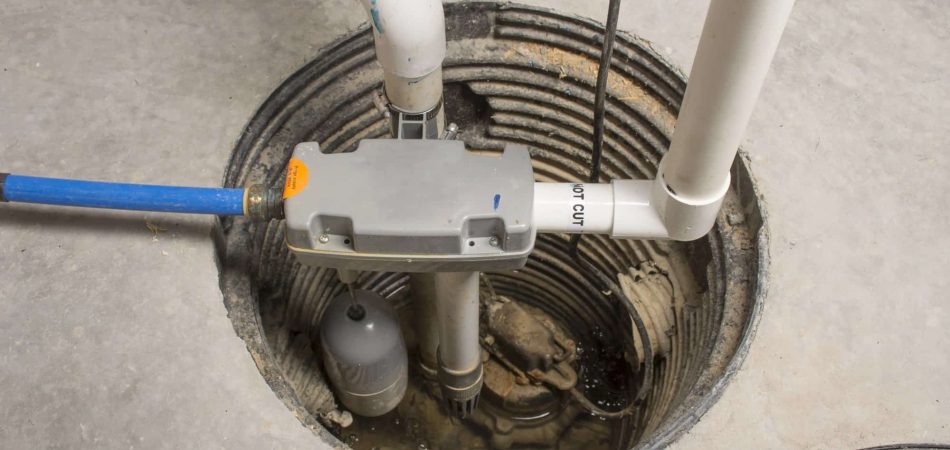
An outdoor sump pump helps manage excess water in low-lying areas, redirects groundwater away from the foundation, and adds an extra layer of flood protection. It’s especially beneficial for homes with high water tables, slow-draining soil, or basements that are too small or already equipped with an indoor pump. Installing the pump outdoors also reduces indoor noise by keeping pump operation outside the living space.
A sump pump is a device that removes excess water that collects in a low area. Its main job is to prevent flooding and moisture buildup in your home, especially the basement.
Installing the sump pump outside the house is a highly effective way to intercept water before it ever reaches your foundation. This proactive approach tackles water problems at their source, keeping your entire property dry and safe.
However, you need to consider many factors and avoid common installation mistakes to get the most from this system. Experts know how to choose the right spot and handle the complex drainage correctly.
For reliable installation and peace of mind, consider Tennessee Standard Plumbing. Our licensed team ensures your outdoor sump pump system is set up perfectly to protect your biggest investment.
Ready to safeguard your home from water damage? Contact us today to schedule your sump pump installation.
You install the sump pump outside the house to stop water from reaching the basement walls. The pump sits in a pit, called a sump pit, and collects water before it builds up. This action prevents pressure from rain and melted snow from cracking your home’s foundation. A dry foundation means no scary, expensive basement floods for you.
It is all about managing water flow before it becomes a problem. Water moves toward the lowest point, which is usually your foundation. Placing the pump outside intercepts this flow. It sucks up the excess water and sends it far away through a discharge pipe. This simple setup keeps your foundation solid and avoids major repair bills later on.
Sump pump installation plays a big role in keeping your yard from turning into a soggy mess. When you get heavy rain, excess water pools up on the lawn and near walkways. The pump actively drains this standing water away from your immediate property. You get a usable yard right after a storm instead of a swamp.
Standing water is not just an eyesore; it ruins your grass and landscaping. The pump acts as your personal outdoor drainage system, reducing water accumulation. This protection makes sure your outdoor areas stay firm and healthy. You enjoy your deck and patio without splashing through puddles, which is a big relief.
A dry perimeter directly results in a dry basement inside your home. Water constantly seeping into the surrounding soil raises the humidity level near your house. The outdoor sump pump removes this moisture source, drastically reducing dampness. This keeps musty smells and that cold, clammy feeling out of your lower level.
Removing water stops mold and mildew growth dead in its tracks. Mold feeds on moisture and organic materials, damaging walls, carpets, and stored items. The outdoor pump is a major defense against this destructive fungus. You preserve the air quality and protect all your valuable possessions stored in the basement from water-related decay.
Heavy, uncontrolled water flow washes away the soil that supports your home’s perimeter. This process, known as erosion, makes the ground uneven and unstable over time. An outdoor sump pump manages rainwater in a controlled way. It directs the water through a pipe and far away, stopping soil displacement right at the source.
Stable soil around your house is essential for long-term structural health. When soil washes away, it removes crucial support for the foundation footings. The outdoor pump’s controlled drainage maintains soil integrity and consistency. This maintenance prevents major grading issues, saves your landscaping beds, and keeps your entire property level and safe.
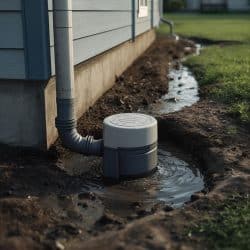 Water damage is expensive and stressful to fix. A flooded basement ruins flooring, drywall, electronics, and keepsakes immediately. Installing the outdoor sump pump protects your home’s structure and interior from this sudden destruction. You save thousands of dollars right away by avoiding these huge, unplanned repair costs.
The logic here is simple: stop the water, stop the damage. Constant moisture leads to slow but expensive decay in wood and concrete.
The pump prevents this hidden, long-term structural harm. You ensure the value and safety of your home stay intact for years to come. That is a major financial benefit for every homeowner.
Sump pumps make a loud humming and thumping noise when they turn on and discharge water. When the pump sits in the basement, this noise travels up through your floorboards constantly. Placing the pump outside moves this noisy operation far away from your living spaces.
You achieve real quiet by keeping the pump outdoors. The pump runs more often during heavy rain or snowmelt, making the noise a constant distraction. Moving the unit outside means the noise stays outside, too. This simple placement improves your comfort and the overall atmosphere inside your house.
Basements are prime storage areas, home gyms, or extra living rooms. An indoor sump pump takes up floor space and access area, plus you need room for maintenance. Installing the pump outside completely removes this bulky equipment from your lower level. You reclaim every square inch of your basement floor for your own use.
Maximizing your home’s usable square footage is smart. An outdoor installation means no pump pit needs to be cut into your basement concrete floor. This gives you a cleaner, smoother floor and walls. You get to finish or furnish your basement exactly how you want without working around essential plumbing equipment.
Some municipalities or local authorities have specific rules about where you can discharge water. Many areas prohibit dumping water directly onto sidewalks or into the municipal sanitary sewer system. An outdoor sump pump makes routing the discharge line to an approved drainage area, like the yard, much easier. You follow the rules without complication.
Meeting local requirements protects you from fines and legal headaches. A properly installed outdoor system makes it simpler to direct the water to a dedicated storm drain or a safe location far from neighbors’ property. The correct installation ensures you are in full compliance with local building codes and community rules right from the start.
The key factors you should consider before installing a sump pump outdoors include your property’s water issues and overall climate. You check your basement’s history with moisture and the yard’s ability to drain water.
Before you begin, make sure you’ve considered the following:
Yard puddles show that water is not draining away naturally. These pools mean water soaks into the ground right near your house foundation. The outdoor pump is essential for draining these problem spots immediately. You need this pump if standing water appears regularly after rain.
The groundwater level is how close water sits beneath the soil surface. High groundwater puts constant pressure on your foundation walls. A constant water source needs constant management. You need the outdoor pump to handle this continuous water infiltration successfully.
Poor drainage means your yard does not slope away from your house correctly. Water just sits or moves toward the foundation instead of away. This issue makes the soil around your basement very saturated. Installing the pump outside fixes this drainage failure and protects your home.
A damp, musty basement is a clear sign that water is getting in somewhere. Moisture enters through small cracks or porous concrete slowly. The outdoor pump intercepts this water before it reaches your basement walls. You eliminate the root cause of the moisture problem easily.
Regions with high amounts of rain or snowmelt generate massive water volumes. Your existing indoor system probably cannot handle that much flow. An outdoor pump provides extra capacity to manage these large water events. You protect your property during major storms effectively.
Water always flows downhill, making low-lying homes vulnerable to flooding. Your property naturally collects runoff water from surrounding higher ground. The exterior pump system is critical for directing that incoming water away. You actively fight gravity to keep your home dry successfully.
The indoor sump pump runs constantly during a storm, indicating it cannot keep up. This constant running shortens the pump’s life dramatically. Adding an outdoor pump handles the extra load before it enters the basement. You relieve the stress on your existing system and prevent burnout.
Thinking through these factors helps you make the best decision for your home. This careful planning ensures you get the most value and protection from your investment.
Outdoor sump pump installation mistakes you should avoid include placing the pump too close to the house, forgetting a check valve, and having a discharge pipe that is too short. These errors lead to system failure and water backing up.
Key installation errors you should avoid include:
You place the sump pit in the wrong spot, such as too far from the water source. This prevents water from reaching the pump before it reaches your foundation. Always find the spot where water naturally pools or where the water table is highest. This placement ensures the pump catches the most water effectively.
A one-way valve (or check valve) stops water from flowing backward into the sump pit after the pump turns off. Without this valve, the same water gets pumped out repeatedly, wasting electricity. Always install a quality one-way valve on the discharge pipe. This simple component keeps the water moving in the right direction permanently.
Pipe grading means the slight slope the discharge pipe needs to let water move easily. A flat or uphill pipe makes the pump work much harder, leading to burnout. You must ensure the discharge pipe slopes slightly downward away from the house. This helps gravity assist the pump and saves the motor.
Water freezing inside the discharge pipe during winter creates a major blockage. A frozen pipe stops the pump from working and forces water back toward your home. You need to bury the discharge pipe below the frost line or use a freeze-resistant discharge head. This protects the pipe from the cold and keeps water flowing freely all year.
A short discharge pipe dumps the pumped water too close to your foundation or your neighbor’s property. The water immediately soaks back into the ground near the house, creating a constant cycle. You must extend the discharge line at least 10 to 20 feet away from the foundation. This ensures water drains to a safe, designated location.
A pump pit that is too shallow fills up too fast and makes the pump cycle on and off constantly. This rapid cycling damages the pump motor quickly over time. You must dig a deep enough pit to allow the pump to run for a reasonable time per cycle. A deeper pit prolongs the pump’s lifespan significantly.
You forget to inspect the pump, the pit, or the discharge pipe regularly. Debris, dirt, or rocks clogging the system cause the pump to fail when you need it most. You need to clean the pit and check the discharge line for obstructions a few times a year. This small amount of work prevents a huge emergency later on.
These mistakes are easy to avoid with careful planning and proper execution. Pay close attention to the pump’s location, the discharge route, and protecting the pipe from freezing. Following these simple steps ensures your outdoor sump pump works perfectly for many years.
 You need experts for your sump pump outside installation because a do-it-yourself (DIY) approach creates big problems later on. Digging the pit, running the pipes, and connecting the electrical system require special knowledge. A small mistake in the installation or pipe grading means the pump fails when a storm hits. This turns your protective measure into a huge flooding risk immediately.
Professional plumbers in Knoxville, TN, stop those common errors before they happen. They know exactly how deep the pit for a sump is supposed to be and exactly where to place a pump for the best effect. They rely on high-tech equipment to check precisely how well their pipes slope for effective water discharge. They ensure that the whole installation follows local building codes and save you fines or a redo in the future.
These professionals bring high-level expertise and special equipment to the job. Their assessment determines your soil type and the groundwater level so that they can choose the perfect-sized pump. They use proven techniques to guarantee the reliable running of the whole system without needing extensive and inconvenient repairs for years. You get peace of mind knowing the pump works perfectly when you need it most.
When looking for the best help, consider Tennessee Standard Plumbing. We employ certified and licensed experts who follow the highest industry standards. Our team offers award-winning service and maintains completely transparent pricing. Our team ensures that you are aware of the exact cost up front and consistently completes the job correctly.
Installing a sump pump outside usually takes between four and eight hours for a simple job. This includes digging the sump pit, connecting the discharge piping, and handling the electrical hookup. In comparison, complicated installations involving extensive trenching or difficult soil conditions take longer. You complete the procedure in a single workday with a professional crew.
Yes, you need permits for installing a sump pump outside in most municipalities. A sump installation involves excavation, electrical wiring, and alteration to drainage. The building codes are triggered in such cases. The permit ensures that all work performed complies with the local standards in health and safety, as well as environmental requirements in terms of water discharge.
A sump pump discharge line should extend from your house at least 10 and as much as 20 feet (3 to 6 meters) from the foundation so that it fulfills its purpose of draining all pumped water properly and not draining it back to the ground right next to the basement. Direct the line toward a safe area, such as a storm drain or drainage ditch, where such saved waters will flow downhill from it.
Yes, you need a check valve when installing a sump pump outside because it stops water from flowing backward. The check valve (or one-way valve) closes when the pump turns off, preventing water in the discharge pipe from returning to the sump pit. This prevents the pump from cycling too often and protects the motor from unnecessary wear and tear.
You can prevent the discharge line from freezing by burying the pipe below the local frost line. Alternatively, you use a specialized freeze-resistant discharge head that lets small amounts of water leak out instead of blocking the line completely. A professional sump pump installation company handles these safeguards correctly.
Plumbing specials, which help reduce outdoor sump pump installation costs, include off-season discounts and bundle offers on drainage solutions. Look for combination offers involving the pump, installation labor, and permitting fees in one price. Check with local plumbing companies for plumbing specials, financing options, and rebates for energy-efficient pumps. The big savings come from the bundled services.
Yes, you can add smart monitoring to an exterior sump pump using alarms and Wi-Fi-enabled sensors. These systems detect water level issues or pump failure and send an alert directly to your phone. The smart monitoring lets you know if the pump has a problem even when you are away from home. This ensures you address any malfunction right away to prevent flooding.
Power options that improve reliability for outdoor sump pumps include battery backup systems and water-powered pumps. A battery backup pump automatically turns on if the main power goes out during a storm. The backup unit ensures continuous protection, even during severe weather. These dual systems provide the best defense against flooding.
Maintenance for an outdoor sump pump includes cleaning the sump pit and checking the discharge line for clogs. Inspect the pit a few times a year for dirt, debris, or gravel that interferes with the pump’s float switch. Ensure the discharge pipe remains clear and the outlet stays free from obstructions. A quick visual check keeps the system running smoothly.
You can choose the right service for outdoor sump pump installation by verifying licenses and insurance and checking customer reviews. Search for companies that specialize in foundation drainage. Inquire about their specific experience in outdoor sump pump installation and repair services and warranties for their work. Choose a provider who is experienced and shows a clear understanding of the needs of your property.


The average cost to install a circulator pump ranges from $400 to over $1,500, depending on the type of system and installation complexity. A simpl... Read More

Plumbers eliminate guesswork by combining traditional diagnostic skills with advanced, non-invasive technology to pinpoint the exact location and c... Read More
Prevent frozen pipes by insulating exposed pipes, maintaining consistent home temperatures, and protecting vulnerable areas like exterior walls and... Read More