
How to Install or Replace a Backflow Preventer: A Step-by-Step Guide
A backflow preventer is a simple device that protects your drinking water. It acts like a one-way valve. It stops contaminated water from flowing b... Read More

Same-Day Service Available
Need a Plumber in Knoxville? We’re Ready to Help!




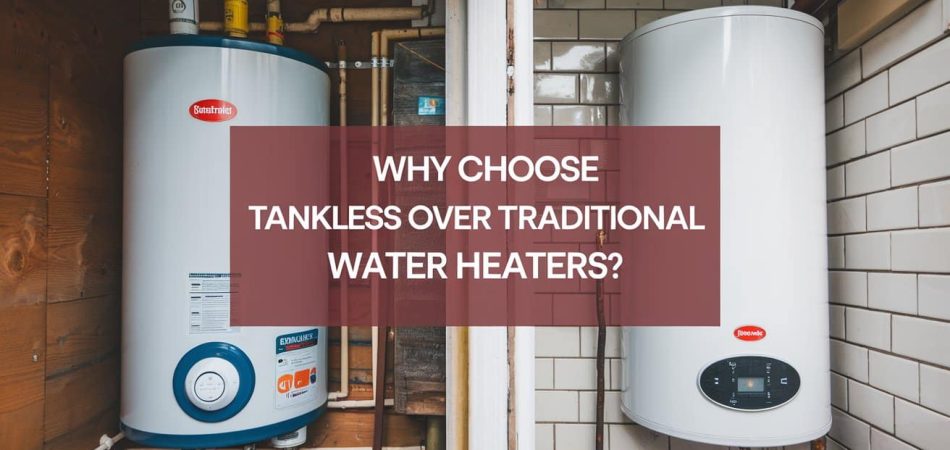
Tankless water heaters have many advantages. One of the key benefits is the endless hot water they provide, ensuring you never run out.
Unlike traditional models, they don’t use bulky storage tanks to hold hot water. Instead, they heat water only when needed, providing a steady supply without running out. This design makes them more energy-efficient, helping homeowners cut down on utility costs over time.
Their compact size makes them a great option for small homes, apartments, or any space where a traditional water heater might take up too much room. They also last longer, often outliving conventional models by nearly twice the lifespan. That means fewer replacements and better long-term savings.
If you’re thinking about upgrading your water heating system, Tennessee Standard Plumbing can help you decide if a tankless model is right for your home.
Contact us today to learn more about installation options and start saving on energy costs.
Water heaters play a major role in daily life. Whether you’re taking a hot shower, washing dishes, or doing laundry, a water heater makes it all possible. These appliances generally fall into two main types:
 Traditional Storage Tank Heaters – Also known as conventional storage water heaters, these hold 40 to 50 gallons of heated water, keeping it ready for use. However, once the hot water runs out, it takes time to reheat, which can be inconvenient for large households.
Tankless water heaters use 22% less energy than gas-powered storage models. Homeowners can save over $100 annually on gas-powered tankless models and $44 on electric ones.
With a lifespan of 20 to 30 years, tankless water heaters often last twice as long as traditional ones. They also help reduce wasted energy, making them a good option for homeowners looking to cut down on energy use.
When choosing a water heater, it helps to understand how tank water heaters, also known as traditional storage tanks, and modern tankless systems differ. Here’s how they compare across key factors:
For homes that use a lot of hot water throughout the day, a larger tank or multiple tankless units may be needed.
One of the biggest reasons homeowners switch to tankless water heaters is energy savings.
While tankless models cost more upfront, they pay for themselves over time with lower energy bills and fewer replacements.
Since tankless systems have fewer parts exposed to standing water, they wear out more slowly, reducing maintenance costs over time.
Tankless water heaters have several advantages over traditional models:
Condensing tankless water heaters offer additional efficiency benefits by recycling heat from exhaust gases, leading to cost savings on energy bills and greater overall efficiency.
 Tankless systems heat water only when needed, reducing wasted energy. Homeowners can cut water heating costs by up to 30% compared to traditional tank models.
Gas tankless water heaters, in particular, offer powerful and efficient water heating, utilizing natural gas or propane and requiring proper installation with access to a gas line and adequate ventilation.
No more running out of hot water mid-shower. Tankless models provide a steady supply of hot water by heating water on demand when the hot water faucet is turned on, making them a great choice for families who need a reliable system.
Tankless models mount on walls, freeing up valuable space in homes, garages, or utility closets. This makes them ideal for smaller homes or apartments where space is limited.
With a longer lifespan and fewer parts to replace, tankless water heaters require less maintenance. They also reduce the risk of leaks compared to storage tanks.
Although the upfront cost is higher, homeowners recoup their investment through lower energy bills and fewer replacements over the years.
Before switching to a tankless heater, think about these key factors:
 Gas tankless units provide higher flow rates and work well for homes with natural gas connections. Installing an indoor tankless water heater may require upgrades to existing plumbing or electrical systems to ensure proper venting, drainage, and maintenance.
Tankless water heaters are efficient, space-saving, and cost-effective. They offer continuous hot water, lower energy bills, and a longer lifespan compared to traditional models.
If you’re thinking about making the switch, Tennessee Standard Plumbing can help you choose the best option for your home. Call us today for expert advice and professional installation.


A backflow preventer is a simple device that protects your drinking water. It acts like a one-way valve. It stops contaminated water from flowing b... Read More

To safely and accurately locate your underground sewer line, first check property records and blueprints for existing diagrams. Then, use a pipe lo... Read More

Slow drains keep coming back after DIY fixes primarily because most DIY methods only clear a partial or surface clog, leaving the main accumulation... Read More