
What Causes Sudden Drops in Water Pressure
Sudden drops in water pressure are most commonly caused by major plumbing leaks, a failing pressure-reducing valve (PRV), municipal supply issues (... Read More
Same-Day Service Available
Need a Plumber in Knoxville? We’re Ready to Help!




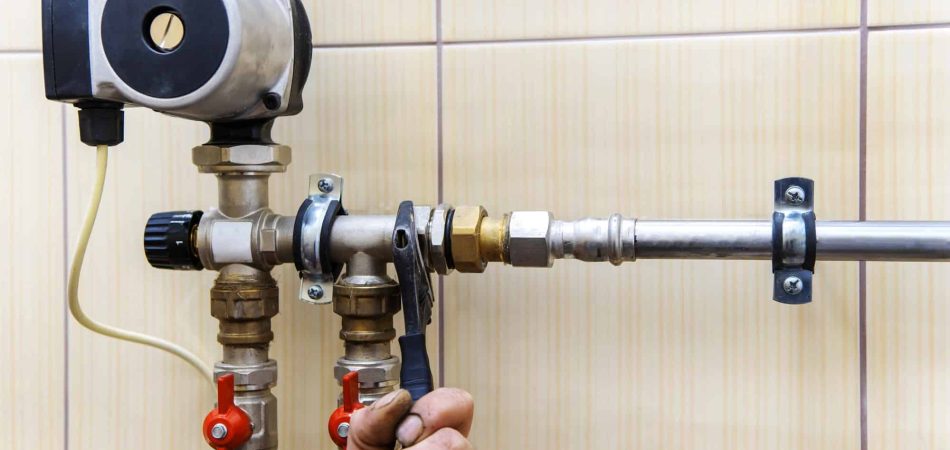
Before replacing a water heater, homeowners should understand the age and condition of their current unit, including common warning signs such as leaks, rust, unusual noises, or discolored water. It’s also important to evaluate household hot water demand to choose the correct tank size or determine whether a tankless system is a better fit. Energy efficiency, fuel type (gas or electric), and local code requirements should be reviewed, along with available space, ventilation, fuel supply, and potential costs related to electrical or gas line upgrades.
Replacing a water heater is not something most homeowners do often, but when the time comes, the decisions you make can affect comfort, energy bills, and long-term reliability. Whether your current unit is failing or you’re planning ahead, knowing what to expect helps you choose the right system and avoid surprises.
If you’re considering a replacement, Tennessee Standard Plumbing can help you evaluate your options and determine the best solution for your home.
Contact us to schedule a professional assessment and get clear guidance before making a decision!
Most water heaters need replacement after 8–15 years, or when they show signs like inconsistent hot water, leaks, rust, or rising energy costs. While some issues can be repaired, others signal that replacement is the safer and more cost-effective option.
Common warning signs include:
Traditional tank-style water heaters typically last 8–12 years, while tankless systems can last 15–20 years with proper maintenance. If your unit is nearing the end of its lifespan, replacement may prevent sudden failure and water damage.
 Homeowners can choose from tank, tankless, heat pump, solar, or hybrid water heaters, each with different costs, efficiency levels, and installation needs.
The most common options include:
Tank systems are still widely used because they are affordable and simple to install. Tankless and hybrid models appeal to homeowners looking for energy savings and long-term efficiency, though they may require electrical or gas upgrades.
Proper sizing depends on household size, peak water usage, and the number of fixtures used at the same time. Choosing the wrong size can lead to cold showers or unnecessary energy waste.
General sizing guidelines for tank systems include:
For tankless water heaters, sizing is based on flow rate (gallons per minute) and temperature rise, not storage capacity. A professional calculation ensures your system can handle simultaneous demand from showers, dishwashers, and laundry.
Energy efficiency is measured by the Uniform Energy Factor (UEF), fuel type, and insulation quality, all of which impact operating costs. Higher-efficiency water heaters cost more upfront but often save money over time.
Key factors include:
Water heater replacement costs vary based on unit type, size, fuel source, and installation complexity.
Typical cost ranges include:
Additional factors that affect cost include venting changes, electrical upgrades, gas line modifications, and local permit requirements. While upfront price matters, it’s important to consider total lifetime cost, including energy use and maintenance.
 Water heater installations must meet local plumbing, electrical, gas, and safety codes, which may require upgrades or permits.
Key installation considerations include:
Improper installation can lead to safety hazards, code violations, or reduced system lifespan. Professional installation helps ensure the system operates efficiently and safely from day one.
Replacement is usually recommended when repair costs exceed 50% of the unit’s value, or the system is near the end of its lifespan.
Repairs may make sense for minor issues on newer systems, such as replacing a thermostat or heating element. However, frequent repairs on an aging unit often signal declining reliability. Replacing an older system can reduce breakdowns and improve efficiency.
Regular maintenance helps extend the life of a water heater and maintain efficiency.
Recommended maintenance includes:
Proper maintenance can add years to a system’s lifespan and prevent unexpected breakdowns.
Professional guidance ensures proper sizing, code compliance, safety, and long-term performance.
Water heater replacement involves more than swapping equipment. Fuel type, household demand, efficiency goals, and local codes all play a role in selecting the right system. Working with experienced professionals helps homeowners avoid costly errors and ensures reliable hot water. We offer water heater services to help you choose, install, and maintain the right system for your home.
The next steps include choosing the right system, scheduling professional installation, and planning ongoing maintenance to protect your investment.
Replacing a water heater is a significant decision that affects comfort, safety, and long-term energy costs. By understanding system types, sizing, efficiency ratings, installation requirements, and maintenance needs, homeowners can move forward with confidence instead of reacting to an emergency.
If you’re ready to take the next step or want expert guidance before making a final choice, Tennessee Standard Plumbing can help you plan your water heater replacement the right way.
Contact us today to review your options, schedule an evaluation, and ensure your home has reliable hot water when you need it!
Yes, many homes can switch from electric to gas or vice versa, but this may require electrical upgrades, gas line installation, or venting modifications. A professional assessment ensures a safe and efficient transition.
Most local jurisdictions require a permit for water heater replacement to ensure code compliance and safety. Professionals can handle permits and inspections as part of the installation process.
Yes, hard water causes mineral buildup, which reduces efficiency, increases noise, and shortens lifespan. Installing a water softener or flushing the tank regularly can prevent damage.
While minor repairs are possible for experienced DIYers, professional installation is recommended to ensure code compliance, safety, and proper sizing.
Look for temperature and pressure relief valves, automatic shut-off, and proper venting for gas units. These features prevent leaks, explosions, or overheating.


Sudden drops in water pressure are most commonly caused by major plumbing leaks, a failing pressure-reducing valve (PRV), municipal supply issues (... Read More

Drain cleaning equipment ranges from simple manual tools for minor clogs to heavy-duty professional machinery for severe blockages in main sewer li... Read More

Yes, using too much toilet paper can clog your sewer line, even though it's designed to dissolve. Thick or multi-ply paper is more likely to cause ... Read More