
How to Install a Kitchen Sink Drain: Easy Step-by-Step Guide for Beginners
To install a kitchen sink drain, first remove the old one and clean the sink opening. Next, place plumber's putty under the new basket strainer's f... Read More

Same-Day Service Available
Need a Plumber in Knoxville? We’re Ready to Help!




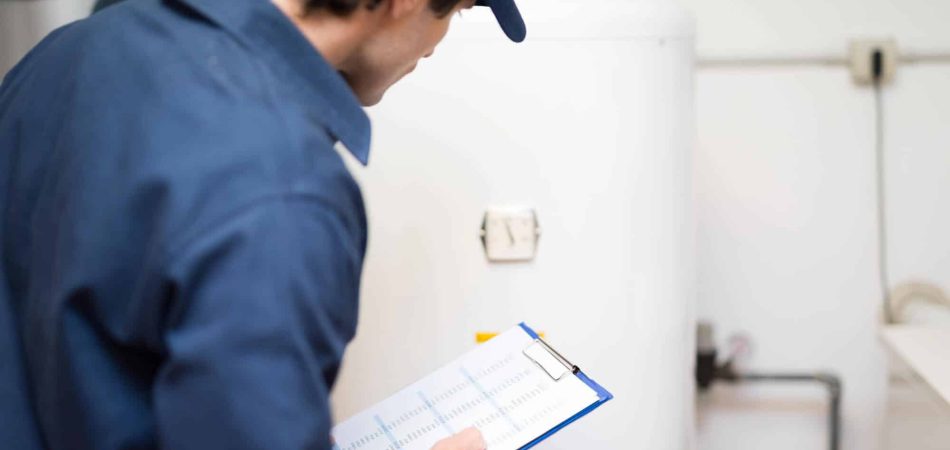
Regular water heater maintenance is essential to ensure safety, improve energy efficiency, and prevent expensive repairs. Important steps include tank flushing, anode rod inspection, and testing safety features, as outlined below.
Proper water heater maintenance ensures your system runs efficiently, lasts longer, and protects your home’s plumbing. Regular care prevents corrosion, overheating, sediment buildup, and leaks, all of which can lead to costly repairs or emergency replacements. By following a consistent maintenance routine, you can maintain stable water temperatures, reduce energy use, and save money over time.
Tennessee Standard Plumbing provides professional water heater maintenance and repair services to keep your system running smoothly.
Contact us today to schedule a maintenance appointment or inspection and ensure your water heater stays in top condition!
Flushing your tank removes sediment that settles at the bottom over time. Sediment buildup forces your heater to work harder, using more energy and potentially causing overheating. Regular flushing keeps your system efficient, lowers utility bills, and reduces strain on the unit.
The anode rod attracts corrosion, protecting the tank’s lining from rust. Replacing it on schedule prevents leaks, preserves tank integrity, and extends the life of your water heater. A small investment now can save thousands in replacement costs later.
Keeping your thermostat around 120°F ensures safe, comfortable hot water while reducing energy waste. Correct settings prevent overheating, minimize pressure inside the tank, and lower scalding risks, protecting both your family and your system.
The pressure relief valve releases excess pressure when the tank overheats or builds up stress. Test it by lifting the lever to ensure water flows and reseals correctly. Regular testing prevents dangerous tank bursts, protects surrounding plumbing, and ensures safe operation.
Adding insulation to your water heater and pipes reduces heat loss, shortens heating time, and lowers monthly energy bills. It also reduces strain on your system, especially during colder months, and keeps hot water readily available when you need it.
Check valves, joints, and connections for moisture. Early detection of leaks prevents damage to floors, walls, and nearby appliances, reduces mold risk, and protects your home’s plumbing system from further issues.
A trained technician from Tennessee Standard Plumbing can inspect hidden components, clean internal parts, and adjust performance settings. Professional maintenance catches issues homeowners might miss, prevents breakdowns, and extends your system’s lifespan.
Regular safety checks prevent leaks, gas hazards, overheating, and other risks. Staying alert to warning signs protects your property, reduces repair costs, and keeps your water heater running efficiently.
Key safety checks include:
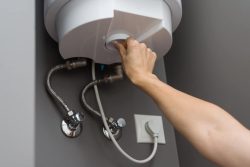 Inspect the Pressure Relief Valve: Lift the lever slightly to ensure proper operation, preventing tank explosions and protecting nearby plumbing.
Sediment forms when minerals like calcium and magnesium settle at the tank bottom. Over time, it hardens, blocks heat transfer, and strains internal components. Regular flushing and cleaning prevent damage, protect plumbing, and extend your heater’s lifespan.
Problems caused by sediment buildup include:
A thick layer of sediment blocks heat from reaching the water evenly, forcing the heater to use more energy. This leads to higher utility bills and slower heating, especially in areas with hard water.
When sediment traps heat at the bottom of the tank, the burner or heating element runs longer than needed. This extra strain cracks the tank lining and damages internal parts over time.
Sediment creates pockets where moisture and minerals speed up rust formation. Corrosion weakens the tank walls and fittings, raising the chance of leaks or early system failure.
Sediment blocks the heater from heating water evenly. Older systems may cause homeowners to notice sudden changes in water temperature during showers or tank refills.
As the buildup increases, the heater needs more flushing, repairs, and part replacements. Ignoring it shortens the system’s lifespan and leads to expensive replacements, which can be avoided with routine care.
Expert maintenance by experienced Knoxville plumbers prevents wear, sediment buildup, and faulty settings, keeping your water heater and plumbing in top condition.
 Services that extend water heater life include:
Technicians inspect for leaks, rust spots, electrical faults, or burner malfunctions. Finding these problems early prevents breakdowns and water damage.
Professionals drain and flush the tank to remove sediment from the bottom. This reduces overheating risks and lowers the strain on heating elements. It improves heating speed and helps prevent noise and system failure in hard water areas.
This anode rod pulls corrosion away from the tank walls. During maintenance, experts replace it before it wears out. This slows internal rust, prevents leaks, and preserves tank structural integrity.
The thermostat is adjusted by technicians for efficient heating and consistent performance. The correct settings save pipes from thermal stress and save energy consumption.
Maintenance includes cleaning parts, checking valves, or checking wiring or gas connections. These steps help the heater work well with less strain. Energy-efficient systems save money on bills and extend system life.
Yes. Regular maintenance identifies early signs of corrosion, loose fittings, and pressure issues, preventing leaks before they start. Tasks like flushing the tank, checking valves, and replacing worn parts reduce stress on the system and protect the tank from cracking over time.
Absolutely. Flushing removes sediment buildup at the bottom of the tank, which can block heat transfer. Clearing these deposits helps the heater warm water faster, reduces energy use, and prevents overheating that can damage internal components.
Yes. Even tankless water heaters accumulate mineral deposits in heating elements and pipes. Annual professional descaling, filter cleaning, and system inspection prevent flow blockages, error codes, heat loss, and long-term damage to sensitive components.
Watch for rumbling or popping noises, rusty or discolored water, fluctuating temperatures, visible leaks, corrosion around fittings, or slower heating. These signs indicate sediment buildup, wear, or mechanical problems that require prompt attention.
Temperature affects both safety and system longevity. High settings increase pressure, waste energy, and strain components. Keeping the thermostat at a safe level prevents overheating, reduces scalding risk, and extends the life of heating elements and internal parts.
Yes. The anode rod attracts corrosion that would otherwise damage the tank lining. If neglected, rust spreads inside the heater. Timely replacement extends tank life and prevents premature failure.
Definitely. Hard water leaves mineral deposits on the tank and heating elements, causing overheating, rust, and reduced efficiency. Regular flushing or filtration mitigates buildup, protects components, and maintains system performance.
Yes. While DIY maintenance helps, professional tune-ups go further by inspecting internal parts, testing safety valves, properly draining sediment, adjusting settings, and checking gas or electrical connections. Expert service identifies hidden issues and maximizes performance and lifespan.
Every few months, inspect the pressure relief valve, check for rust or leaks, listen for unusual noises, verify thermostat accuracy, and review gas or electrical connections. These checks prevent leaks, overheating, and safety hazards before costly repairs are needed.
Insulation reduces heat loss from the tank and pipes, helping maintain water temperature without overworking the system. This improves energy efficiency, lowers heating costs, and protects the heater’s long-term performance.


To install a kitchen sink drain, first remove the old one and clean the sink opening. Next, place plumber's putty under the new basket strainer's f... Read More

Before replacing a water heater, homeowners should understand the age and condition of their current unit, including common warning signs such as l... Read More
Tankless water heaters offer impressive energy efficiency and a longer lifespan than traditional tank units. However, they come with limitations li... Read More