
Commercial Drain Cleaning: Proven Tips to Unclog & Maintain (2025 Guide)
Commercial drain cleaning involves routine inspections, enzyme-based treatments, proper staff practices, and scheduled professional maintenance to ... Read More

Same-Day Service Available
Need a Plumber in Knoxville? We’re Ready to Help!




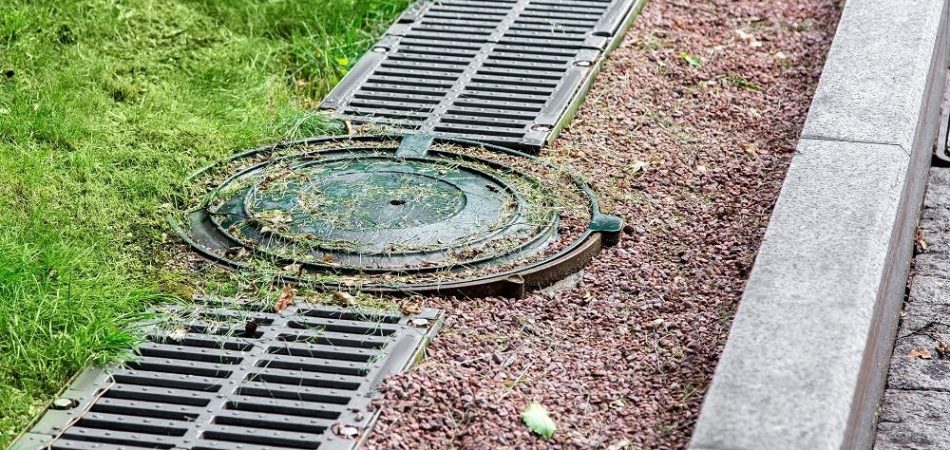
The top types of drainage systems include surface drainage, subsurface (French) drains, slope drains, and downspout/gutter systems, which are common in both residential and large-scale infrastructure applications. Other types include specialized systems like storm sewer and sanitary sewer networks, which manage different types of water flow.
The top types of drainage systems include surface drainage, subsurface (French) drains, slope drains, and downspout/gutter systems, which are common in both residential and large-scale infrastructure applications. Other types include specialized systems like storm sewer and sanitary sewer networks, which manage different types of water flow.
The main types of drainage systems help manage excess water and protect properties from flooding and water damage. Choosing the right one depends on the specific needs of the property, soil type, and landscape.
In Knoxville, TN, drainage systems plays an important role in protecting homes and businesses against frequent heavy rainfall and resulting drainage issues. These systems help protect Knoxville properties, and Tennessee Standard Plumbing provides expert guidance on selecting professional solutions for drainage systems.
Contact us today to repair a drainage system in Knoxville, TN, or to get advice on the best drainage solutions for your property.
A surface drainage system removes excess water from the ground’s surface through shallow ditches or open drains. These drains direct water away from areas prone to pooling, thereby helping to prevent flooding, erosion, and the accumulation of standing water.
Surface drainage systems are commonly used in residential yards, gardens, agricultural fields, and commercial properties to manage water efficiently. The primary advantage of this system is its ability to quickly remove surface water, reducing the risk of damage caused by heavy rainfall and helping to protect landscapes and structures.
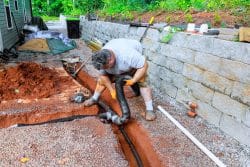 A subsurface drainage system removes water that gathers below the surface using a network of buried pipes. These systems collect excess groundwater and channel it away from structures or agricultural land to prevent saturation.
They are typically installed in areas like lawns, basements, and fields where water buildup beneath the surface causes damage. The main benefit of subsurface drainage is its effectiveness in controlling underground moisture levels, protecting foundations, preventing waterlogging, and promoting healthier soil conditions.
A slope drainage system helps manage water on properties with natural or artificial slopes by directing water safely downhill through a controlled pipe system. This prevents water from pooling at the top of slopes and protects the land from erosion caused by uncontrolled runoff.
These systems are commonly found in hilly landscapes, embankments, and areas where significant elevation changes necessitate effective water management. The primary advantage is reducing erosion risks while ensuring that water flows away from critical areas, such as building foundations.
A downspout and gutter system collects rainwater from rooftops and channels it through gutters and downspouts to direct the flow safely away from the foundation. This system prevents water from pooling around the home or commercial building, reducing the risk of basement flooding and foundation damage.
Common in both residential and commercial settings, this system’s key benefit is its simplicity and effectiveness in protecting structures from water-related issues, especially during periods of heavy rainfall.
A French drain system uses a gravel-filled trench and a perforated pipe to redirect surface water and groundwater away from problem areas. Water enters through the gravel and is carried through the pipe to a discharge point, keeping vulnerable regions dry.
French drains are typically used around homes, gardens, and basements where excess water collects. This system is highly effective for preventing pooling, protecting foundations, and managing waterlogged soil, making it a popular choice for both residential and commercial properties.
A combined drainage system is designed to carry both stormwater and wastewater through the same network of pipes. Though less common in modern infrastructure, it remains in use in older urban areas where it was initially installed to simplify plumbing.
These systems transport water to treatment facilities or outflow points. The main advantage of a combined system is the reduced need for separate pipes; however, it also poses a higher risk of overflow during heavy rain when both stormwater and sewage use the same channels.
A stormwater drainage system collects rainwater from streets, sidewalks, parking lots, and other paved surfaces, then directs it to drains, basins, or natural waterways. This prevents flooding and water accumulation in urban environments.
These systems are crucial in city planning for efficiently managing large volumes of runoff. They help protect roads, buildings, and public areas from flood damage. The primary advantage is reducing the risk of urban flooding and ensuring public spaces remain safe and usable during storms.
A trench drain system is a long, narrow channel with a grate cover installed in areas where water runoff is common, such as driveways, patios, and commercial properties. The trench collects surface water and channels it into underground pipes for proper disposal.
This system is highly effective for quickly removing water from flat or paved surfaces, preventing pooling, and protecting surfaces from water damage. Its design makes it suitable for areas exposed to heavy rainfall or frequent water flow.
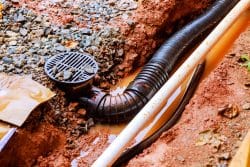 A tile drainage system consists of a network of buried, perforated pipes designed to remove excess groundwater from the soil. Commonly used in agricultural settings, this system improves soil conditions by lowering the water table and preventing waterlogging, which harms crops.
Water flows through the pipes toward a designated outlet. The primary benefit is enhancing soil health and crop yield by keeping the ground properly drained, making it a vital tool for farmers and land managers.
A mole drainage system creates small, unlined channels beneath the surface using a mole plow. These channels help move water through heavy, clay-rich soils that naturally drain poorly. Mole drains are common in farmland where the soil composition makes water management challenging.
The system is cost-effective and requires no pipes, making it ideal for areas that need temporary or seasonal drainage solutions. The key advantage is improving water flow in dense soils without the expense of installing permanent infrastructure.
A drainage system is a structure designed to remove excess water from an area, helping prevent flooding, erosion, and moisture damage. It directs water away from surfaces, soil, and structures through pipes, channels, or trenches.
Drainage systems are used in yards, commercial areas, farms, and urban locations where effective water control helps protect property and maintain soil health.
Drainage systems vary because one setup can’t handle every property. Each layout is built around how the land behaves, how the soil absorbs water, and the amount of rainfall the area gets.
The shape of the ground affects water flow. Flat land needs setups that push water outward, while sloped areas depend on gravity to move water.
Clay absorbs slowly, sand drains quickly, and each soil type reacts differently to water. Systems are matched to prevent water from sitting too long or running off too fast.
Areas with frequent downpours need larger or faster-moving drainage setups. Drier locations usually require simpler designs built for occasional storms.
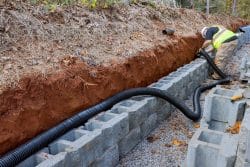 Homes, farms, businesses, and open land all produce different runoff patterns, so their drainage setups are built differently.
Small city lots use compact or hidden layouts. Larger rural properties can use open channels or wider drains.
Some systems cost less upfront but require more upkeep, while others are built for long-term durability with less attention.
Every drainage system is designed to match how the property functions, how water behaves on that land, and what the surrounding conditions demand.
The best drainage setup depends on natural conditions, how the space is used, and local rules. No one design fits every property.
Clay keeps water longer and needs drains that prevent pooling. Sand drains fast and needs runoff control. Loam handles moisture more evenly, allowing for balanced systems.
Sloped areas benefit from gravity-based designs. Flat land needs channels, pipes, or pumps that move water outward.
High-rainfall zones need higher-capacity drainage. Dry regions need simpler setups built for occasional rain.
High water tables require subsurface drainage. Lower levels allow water to move more easily through surface channels.
Agricultural fields benefit from tile drains, homes rely on gutters and French drains, and commercial or industrial sites often need trench drains.
Large properties need wider networks, while smaller areas work with shorter or compact layouts.
Costs influence design choice, and the owner’s ability to maintain the system affects how well it performs long-term.
Some areas require stormwater controls, specific materials, or eco-focused drainage options.
A professional assessment helps determine the setup that performs best and lasts the longest for the property’s conditions.
Selecting the right drainage system depends on several property-specific factors. Common choices in Knoxville include surface drainage, subsurface systems, slope drainage, gutters, French drains, trench drains, and stormwater setups. Each option works in a different way and fits certain property conditions.
 Start by checking soil type, since clay and sandy soil manage water differently. Then review the land’s slope and elevation to see if gravity-based or pipe-driven drainage fits the area. Knoxville’s frequent heavy rain also affects the size and capacity of the system.
Space also shapes the layout, especially in narrow or crowded urban lots. Budget and long-term upkeep should be reviewed to find a setup that performs well without causing issues later on. The system must follow Knoxville rules and environmental guidelines.
If the property is complex, a professional evaluation helps create the right design. Choosing the right drainage type supports steady performance and long-term protection. Things to look for when choosing a drain system include land conditions, rainfall patterns, soil behavior, and maintenance needs. Tennessee Standard Plumbing assists homeowners and businesses with reliable drainage solutions in Knoxville, TN.
Soil type affects drainage choices because each soil absorbs and releases water differently. Clay holds water for long periods, while sand drains quickly. Loam drains more evenly.
Matching the right system to the soil improves performance and helps prevent water damage.
Soil texture affects how much water the ground keeps and how quickly it drains. Clay holds water longer, increasing moisture buildup. Sand drains fast but may cause runoff issues. Loam balances both.
Knowing soil texture helps in choosing the correct drainage option for the property.
An open ditch system channels surface water through shallow ditches. The ditches carry water away from buildings, roads, or fields to a discharge point like a pond or sewer.
These systems use gravity and are common in farms and roadside areas.
The best residential systems include French drains, gutters, surface drains, and trench drains.
French drains manage groundwater, gutters control roof runoff, surface drains remove pooling water, and trench drains handle driveways or patios.
Outdoor drainage often uses surface drains, French drains, trench drains, and swales. Each one handles water differently depending on soil, slope, and rainfall.
A graded drainage system is used when water must be directed away through a natural slope. It works in yards, driveways, and parking areas where runoff can cause water buildup.
A French drain moves water away from problem areas using a perforated pipe inside a gravel trench. It helps protect basements, foundations, and yards from moisture.
A slot drain system captures surface water through a narrow slit and directs it into an underground channel. It is common in driveways, garages, and commercial sites.
Channel drains remove surface water quickly, handle heavy loads, and work well on driveways, patios, and pool decks. They help prevent pooling and protect paved surfaces.
Trench drains are installed in driveways, parking lots, patios, pool decks, and commercial loading areas. They quickly capture runoff and move it into underground drain lines.
A swale moves surface water through a shallow grassy channel. It slows runoff, filters debris, and directs water to a safe area while reducing erosion.
Repairing a drainage system starts with identifying the issue, such as blockages, cracks, or poor slope. Repairs may include pipe replacement, clearing clogs, or adjusting the layout. For professional help to repair a drainage system in Knoxville, TN, Tennessee Standard Plumbing provides reliable inspection and repair services that restore proper water flow.


Commercial drain cleaning involves routine inspections, enzyme-based treatments, proper staff practices, and scheduled professional maintenance to ... Read More

To safely install a gas line, always turn off the gas, hire certified professionals, and follow best practices like using proper materials, conduct... Read More

A leaking backflow preventer is typically caused by debris in the valve, worn-out O-rings or seals, high water pressure, improper installation, or ... Read More