
Is Your Tankless Water Heater Not Working? 7 Common Problems and Easy Fixes
If your tankless water heater stops working, the most common causes include power supply failures, low water flow, gas supply interruptions, minera... Read More

Same-Day Service Available
Need a Plumber in Knoxville? We’re Ready to Help!




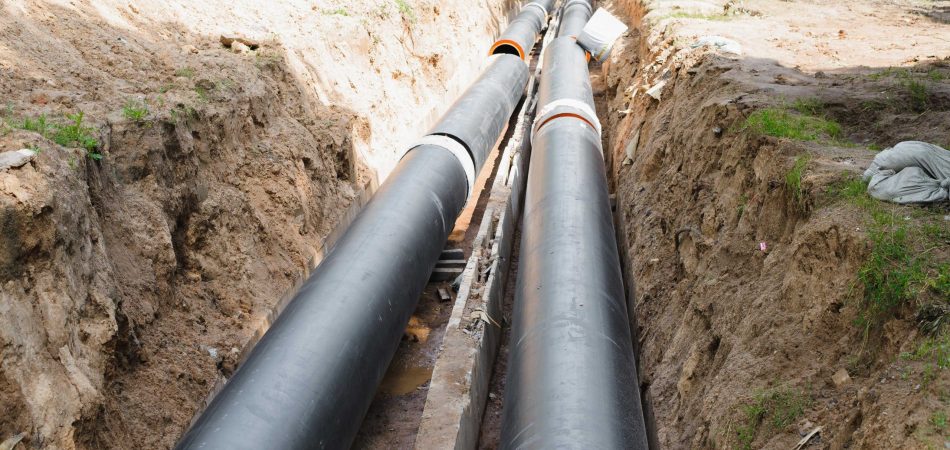
Trenchless sewer line repair typically costs $4,000–$15,000 and offers a faster, less disruptive alternative to traditional excavation by fixing pipes without digging up the yard. Although the upfront price can be high, its durability, minimal property damage, and reduced restoration costs make it a more economical long-term solution.
Trenchless sewer line repair costs range from $4,000 to $15,000, depending on the pipe length, diameter, and the extent of existing damage. The average price per foot ranges from $80 to $250, with short sections on the lower end and longer, more complex projects at the higher end. Trenchless repair is a modern method of fixing underground sewer pipes without digging large trenches. Instead of excavating the entire yard, contractors insert a liner or replace the pipe using specialized equipment. This reduces disruption to landscaping, driveways, and foundations.
Typical residential repairs run between $6,000 and $12,000 for homeowners. The total cost depends on various factors, including pipe size, soil condition, depth, accessibility, and whether pipe bursting or pipe lining is required. For example, clay soil or deep-set pipes add labor costs. Permits and inspection fees add to the price. In contrast with conventional excavation, which costs between $7,500 and $20,000 for heavy digging and property restoration, trenchless repair is more economical. This reduces collateral damage and lowers restoration costs after repair is complete.
Trenchless methods offer less disruption, faster completion times, and long-lasting pipe materials. Civil engineering research shows that trenchless liner technology is stronger than new pipes. Trenchless repair saves money in the long haul by reducing restoration costs, avoiding repeated leaks, and protecting property value. Although expensive at first, its toughness and low maintenance make it a cost-effective option for sewer line repair.
The average cost per linear foot for trenchless sewer repair ranges from $80 to $250, depending on the method, soil type, and the condition of the pipe. This pricing structure ensures transparency, helps with budget planning, and avoids hidden costs for excavation or property restoration. Research shows that trenchless repair provides long-term protection of landscaping and property structures.
Here is the breakdown of every cost:
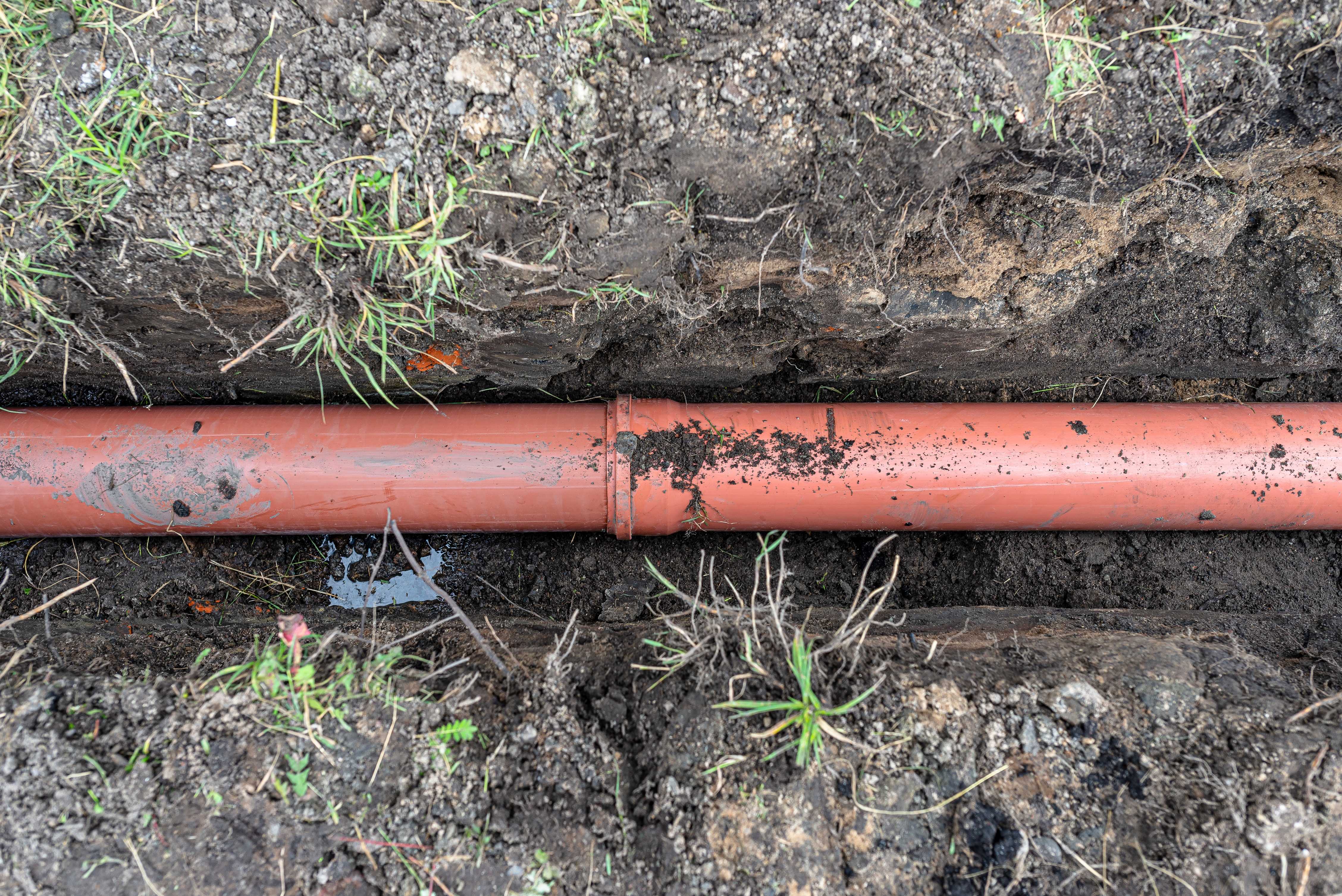 Pipe lining typically ranges from $6,000 to $12,000, with some complex projects exceeding $20,000. Costs per foot range from $80 to $250, depending on the pipe size and condition. The method inserts and cures a flexible liner inside the old pipe, forming a durable new pipe without major digging.
Pipe bursting costs are similar to CIPP, ranging from $6,000 to $12,000 or higher, with a range of $100 to $200 per foot. A bursting head breaks apart the old pipe as a new one is pulled through the same pathway. This method is effective for replacing collapsed or undersized pipes while minimizing surface disruption.
Slip lining costs between $80 and $200 per foot, similar to standard lining costs. The process involves sliding a smaller pipe into the existing damaged one and sealing the ends.
Traditional excavation averages $4,000 to $13,000, but full restoration can increase the total to $12,000 to $25,000. This is disruptive and expensive compared to trenchless techniques.
Extra labor charges apply for complex projects that require more setup, inspection, or specialized machinery. These can add $50 to $100 per foot and increase the total project cost when conditions are difficult.
Local permits and inspections are required for sewer line repairs, with fees ranging from $100 to $500. These costs vary by location but are a necessary part of legal compliance.
Reconnecting the new pipe to the existing sewer system involves additional expenses, usually $500 to $1,500. The final price depends on accessibility and the complexity of the tie-in process.
The cost of trenchless sewer repair depends on the size of the pipe, its location, and the type of repair used. Each factor affects the total price and the time required to complete the job. Knowing these details helps homeowners understand the real cost, the savings, and why trenchless repair is a reliable and lasting choice.
The following are the factors that affect the cost of trenchless repair:
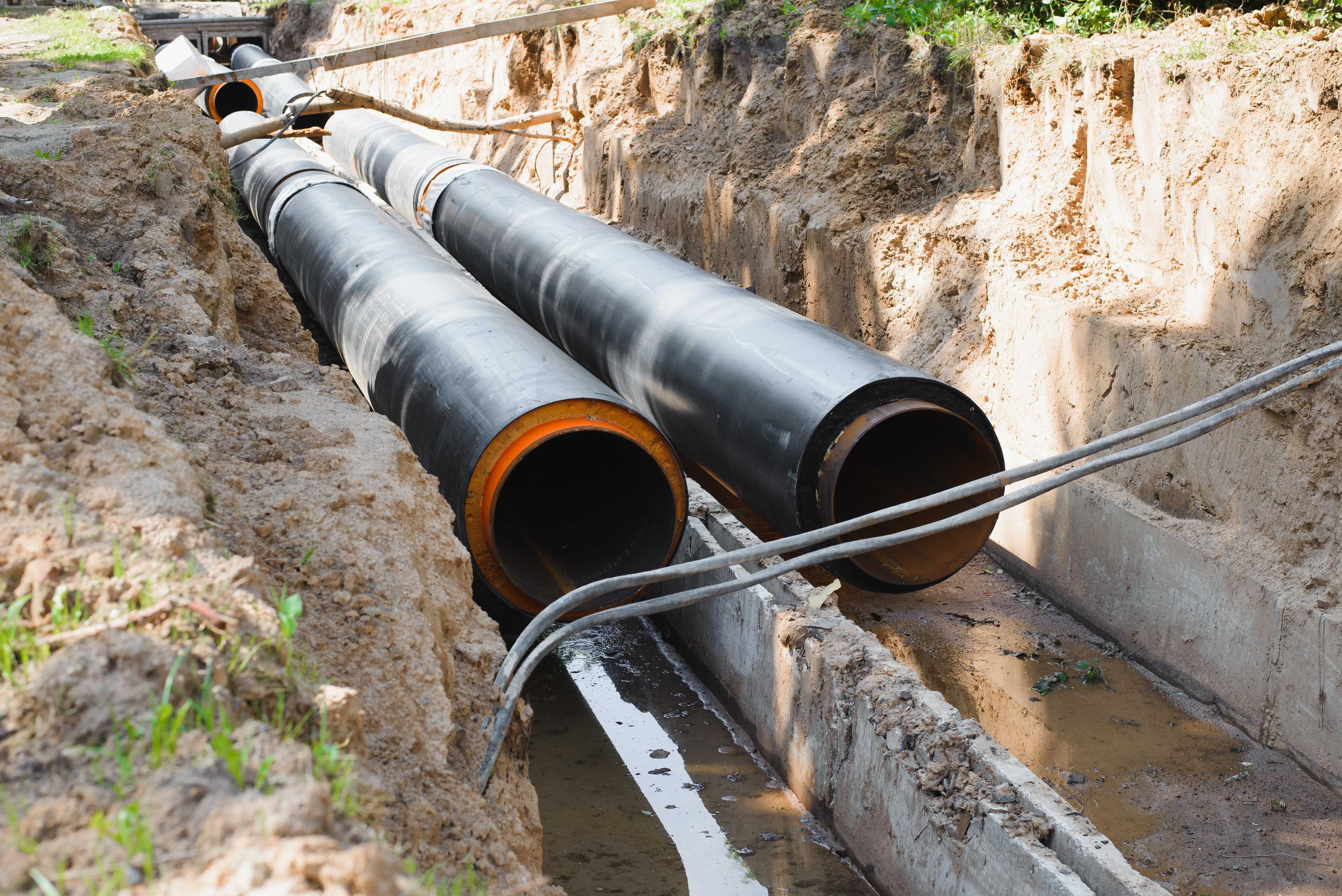 Longer and wider pipes need more material and labor, which makes the repair more expensive. Smaller or shorter pipes are less expensive to repair.
Pipes that are buried deep or hard to reach add more cost because the work takes longer. Pipes closer to the surface are cheaper to repair.
Old clay or cast-iron pipes are more difficult to repair than PVC pipes, which increases the cost. The material also determines which trenchless method is best.
Small cracks or leaks are cheaper to repair. Collapsed or badly damaged pipes require advanced repairs, which are more expensive.
Pipe lining, pipe bursting, and slip lining all have different prices. The right method provides a strong and lasting fix.
Rocky ground, clay, or tree roots make repairs more difficult and costly. Softer soil is easier and cheaper to work with.
Yards with driveways, decks, or landscaping are harder to reach, so the repair costs more. Easy access makes the job faster and less expensive.
These factors show why trenchless repair is the better choice. It saves money on property damage, keeps the yard and street safe, and provides a long-term fix that lasts for decades.
Trenchless methods can save thousands of dollars compared to traditional sewer repair in Knoxville. Traditional repair involves digging large trenches, removing soil, breaking concrete, and then restoring the property. These extra steps make excavation more expensive, while trenchless repair avoids most of these costs and delivers a faster, lasting solution.
Trenchless repair services address the issue of broken or blocked sewer lines, eliminating the high costs associated with property damage and restoration. For homeowners, the savings, speed, and durability make trenchless repair the smarter choice over traditional digging.
The future maintenance costs after trenchless repair are significantly lower compared to traditional methods, as the pipes are designed to last for decades. Homeowners worry about future expenses, but trenchless systems reduce that concern by offering long-term strength, fewer breakdowns, and minimal disruption to the property.
The following are the reasons behind the low maintenance cost after trenchless repair:
Trenchless pipes and liners can last 50 years or more, resulting in lower chances of expensive future repairs. This long life helps families plan with confidence.
Because trenchless materials resist cracks and corrosion, the need for repeat work is rare. Homeowners save money by avoiding constant service calls.
Sealed joints and seamless liners block tree roots from entering pipes. This reduces blockages, leaks, and the costs of emergency root removal.
Since trenchless repair does not damage yards or driveways, there are no repeat landscaping costs later. Property stays protected and intact.
Future maintenance tasks, such as inspections or cleaning, are simpler and require less labor. This keeps service costs much lower than with old sewer systems.
Fewer repairs and less digging reduce waste and the need for heavy equipment. This makes the system eco-friendly while saving homeowners money on resource use.
Strong, low-maintenance sewer lines increase property value because buyers see them as a long-term investment. A modern, trenchless system gives both savings and peace of mind.
Homeowners can save money on trenchless sewer line repair by choosing this modern, no-dig solution instead of traditional excavation. Unlike digging up large portions of a yard, trenchless methods avoid costly landscaping repairs, driveway replacements, and property restoration. This instantly lowers overall project expenses while keeping the home’s appearance intact. The process also requires less labor and takes less time, which reduces hourly costs for contractors and helps homeowners return to normal more quickly.
In the long run, trenchless repair is a smart investment because new pipes or linings can last for many years without needing repairs. Fixing problems like leaks, rust, or tree root damage early saves money on emergency plumbing work. Selecting the right trenchless method helps homeowners stay within budget and maintain a safe plumbing system.
Tennessee Standard Plumbing delivers reliable, professional solutions for homeowners looking to protect their property and save on sewer repair costs. Our team specializes in modern trenchless technology that restores your plumbing system with minimal disruption. Contact us today to learn more about our services!
Trenchless sewer line repair costs are influenced by several factors, including the pipe’s length and diameter, the type of material used, depth, and the overall accessibility of the site. Another important factor is the extent of damage; heavily corroded or collapsed pipes may need more complex repairs. All these factors contribute to the total cost by increasing equipment, labor, and time requirements and increase the final cost for homeowners.
A sewer line leak affects repair costs based on the leak’s size, location, and severity of damage. Small leaks often need simple trenchless lining, while larger or multiple leaks require more complex work. If the leak damages soil, landscaping, or nearby property, expenses rise further. Fast detection and repair help control overall sewer line repair costs and prevent the issue from becoming worse.
A detailed written estimate for sewer leak repair should provide a clear cost breakdown, so homeowners know exactly what they’re paying for. This includes labor costs, material costs, equipment costs, and additional services such as tie-in connections. The estimate should include clearly outlined permit fees and inspection results so that everyone is informed. Detailed estimates help homeowners budget and compare the costs of different contractors.
Permits and local regulations can affect trenchless repair costs by adding fees and requiring certain compliance measures. The cost of city permits, inspections, or utility approvals varies by area. These requirements add safety, protect property value, and ensure the repair meets local standards, making them necessary expenses rather than optional extras. Including permits early prevents delays and unexpected financial surprises during the project.
The average cost of trenchless sewer line replacement ranges from $4,000 to $15,000, depending on the pipe’s length, material, and condition. On a per-foot basis, pricing is usually between $80 and $250. In cases where the sewer line needs to be replaced, trenchless methods offer a reliable solution without heavy digging. While the upfront cost may seem high, it is still lower than traditional excavation once landscaping and restoration are considered, making it a durable, long-term investment.
Inspection reports, conducted using sewer cameras, reveal the exact condition of pipes and confirm the necessary repairs. The cameras reveal cracks, clogs, rust, or root damage clearly. This helps plumbers choose the right trenchless repair method and avoid extra, unneeded work. For homeowners, inspection reports provide peace of mind, accurate cost estimates, and protection against unnecessary repairs.
Several plumbing websites and contractor platforms offer online calculators that estimate the costs of trenchless repairs. Homeowners can enter pipe length, diameter, depth, and the chosen repair method to get a rough cost estimate. These tools provide only estimates; they help families budget and understand what to expect before hiring a contractor. Online calculators make it easy to compare possible costs and prepare for informed discussions with repair professional.
Pipe material and location both play an important role in verifying costs for trenchless repairs. Some materials, such as clay, cast iron, or PVC, require specific methods that can either raise or lower costs. Location also matters; urban settings may involve higher permit fees or limited access, while rural settings may have fewer restrictions but longer pipe runs. Considering these factors ensures accurate cost verification and avoids underestimating the total repair budget.
The long-term cost benefits of trenchless sewer line repair are significant for homeowners. Trenchless methods last for decades, meaning fewer future repairs and lower costs for emergency plumbing. They also lower the risk of root intrusion and pipe collapse, thus reducing maintenance costs. Since trenchless methods prevent big home damages, landscaping and restoration costs are virtually eliminated. This makes trenchless repair an economical and reliable investment over time.
Trenchless sewer line repair usually takes one to three days, which is much faster than traditional excavation methods that can take a week or longer. The shorter timeline saves labor and disruption to the household. No big trenches are dug, which also saves homeowners time during property restoration. This quick turnaround makes trenchless repair economical and convenient for families looking for quick fixes.


If your tankless water heater stops working, the most common causes include power supply failures, low water flow, gas supply interruptions, minera... Read More
Tankless water heaters offer impressive energy efficiency and a longer lifespan than traditional tank units. However, they come with limitations li... Read More

To replace a toilet water supply line, first shut off the water valve, flush the toilet, and disconnect the old line from both the shut-off valve... Read More