
How to Install a Hot Water Circulating Pump: Step-by-Step Guide for Homeowners
A hot water circulating pump delivers instant hot water, reduces waste, and boosts efficiency. This guide shows homeowners how to install, maintain... Read More

Same-Day Service Available
Need a Plumber in Knoxville? We’re Ready to Help!




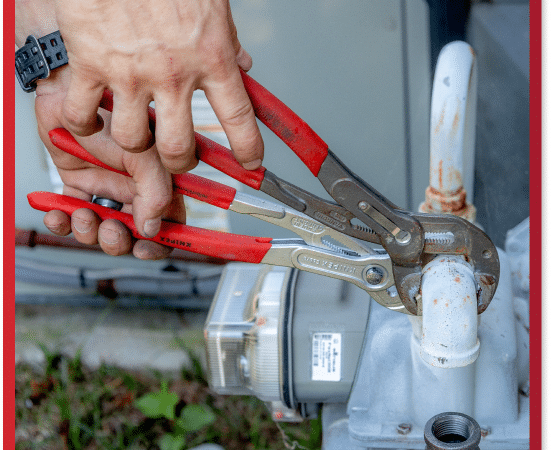
The type of gas piping used in homes and buildings determines how safe and strong it remains. A homeowner wants steady gas for cooking, hot water, and heat. A builder must choose the appropriate pipe for longevity and safety according to local codes. Each material is suitable for specific applications, and selecting the wrong one can lead to leaks, weak flow, or premature failure.
Gas pipes keep homes safe, warm, and supplied. Each type fits a certain purpose: some for underground, some for indoors, some for vents. Tennessee Standard Plumbing provides Knoxville homes and buildings with the right gas piping for safe and lasting systems.
Black iron is uncoated steel that has long been the standard for gas distribution. It is used in pipelines because it handles high pressure, resists fire, and meets strict U.S. codes. Black iron is most common in indoor residential and commercial gas systems, especially for appliances like furnaces, stoves, and water heaters. Cost averages $2-$4 per linear foot, but installation adds more due to threading and sealing requirements. It lasts over 50 years indoors but needs corrosion protection in damp spaces. Homeowners benefit from maximum safety, durability, and reliability, making it the top choice for long-term value.
CSST is stainless steel formed into flexible corrugated tubing with a protective jacket. It is used in gas piping because it bends easily, reducing the number of joints that often cause leaks. This flexibility makes it ideal for tight spaces and retrofit projects where rigid steel is harder to install. The material costs $2-$5 per linear foot, and overall labor costs are up to 30% lower than black iron. It requires proper electrical bonding to reduce lightning-related risks, which is part of code requirements in most states. Buyers gain safer installation, fewer leak points, and faster project completion.
Copper is a non-rusting metal that has been used in gas lines for propane and natural gas. It is chosen in some states because it is lightweight, durable, and easy to cut and join. Copper is corrosion-resistant in many soils but vulnerable to hydrogen sulfide, which makes it unsuitable in some areas. Costs range from $3-$7 per linear foot, depending on thickness and local supply. It is simple to work with, but not always approved by building codes. For homeowners in areas where it is permitted, copper delivers long service life and minimal maintenance.
PE pipe is a flexible plastic used underground for natural gas service lines. It is chosen because it does not rust or corrode and holds up against soil moisture and chemicals. PE is common in residential service connections between the main distribution line and the house. It costs $0.50-$1 per linear foot, making it one of the most affordable gas piping options. Installation requires fusion welding or mechanical fittings to ensure sealed joints. For homeowners, PE delivers a safe, long-lasting buried gas solution that avoids costly repairs caused by corrosion.
HDPE is a stronger grade of polyethylene built to handle higher pressures. It is widely used in outdoor gas distribution networks, including large residential communities and industrial sites. HDPE resists cracking, shifting soil, and chemical attack, making it more durable than standard PE. Costs are $0.75-$1.50 per linear foot, depending on pipe diameter. With a lifespan of over 50 years, HDPE provides excellent value for large-scale outdoor installations. For buyers, it guarantees dependable gas flow and reduced risk of system failures in buried conditions.
Galvanized steel is carbon steel coated with zinc to resist rust. It was once used in gas pipelines but has declined due to safety issues. Over time, the zinc coating flakes inside the pipe, clogging regulators and appliances. It costs $2-$6 per linear foot and requires threaded fittings for installation. The material is strong and impact-resistant but heavy, labor-intensive, and more prone to problems than modern alternatives. Homeowners often encounter galvanized gas pipes in older houses, where replacement with black iron, CSST, or PE provides a safer solution.
This pipe combines an inner aluminum layer with outer and inner plastic layers. It is used in gas systems because it is flexible, lightweight, and resistant to corrosion and scaling. It is strong enough to handle medium pressure and bends without needing many fittings. Costs range from $1-$3 per linear foot. It reduces labor costs compared to rigid pipes and performs well in select residential and light commercial applications. Buyers benefit from a balance of durability, flexibility, and affordability in projects where codes permit composite piping.
Yellow brass is a copper-zinc alloy with good strength and corrosion resistance. It is used in gas systems in some regions, though many codes restrict it due to dezincification, a process that weakens the pipe as zinc leaches out. Costs are $3-$6 per linear foot, depending on supply and size. When allowed, it offers strength and a long service life for indoor installations. Buyers gain a solid alternative to copper or steel where local codes support brass use.
Cast iron is a heavy, brittle material that was once used for gas pipelines. It is fire-resistant and strong but prone to cracking under stress or vibration. Costs average $4-$8 per linear foot, with additional labor costs due to its weight. Cast iron is rarely installed in new projects but is still found in older homes or commercial properties. For today’s buyers, it mostly represents a replacement need, since modern materials outperform it in safety and longevity.
Ductile iron is an improved form of cast iron, made with added elements for flexibility and strength. It is used mainly in municipal and industrial gas systems that require large-diameter, high-capacity piping. It costs $6-$10 per linear foot, with specialized installation adding to total project expenses. Ductile iron resists impact, internal pressure, and shifting soil better than cast iron. While uncommon in homes, it provides unmatched durability for large-scale building or community projects.
The factors that determine the right gas piping for a building are building size, system pressure, safety rules, and material life. Each factor affects how long the system lasts and how safe the gas stays.
The factors that determine the right gas piping for a building are:
Large buildings need higher flow and stronger pipes than single-family homes. A small home may use CSST or copper, while a factory needs black iron or HDPE for bigger loads. Choosing by size avoids weak supply or unsafe strain.
Every city sets rules on pipe types and fittings. Knoxville codes, for example, restrict PVC for gas supply. Tennessee Standard Plumbing follows these rules to pass inspections and protect homeowners from fines or rework.
Some appliances need low-pressure gas, while others demand a high-pressure supply. Black iron or steel works better under higher pressure than aluminum. Matching pressure rating prevents leaks and keeps appliances safe.
Underground pipes face soil and water, while indoor pipes face heat and tight spaces. PE and HDPE handle soil and moisture, while copper or CSST work indoors. Using the right pipe for the location prevents damage and extends service life.
Moisture, soil, and gas itself corrode pipes. Copper and yellow brass resist rust, while galvanized steel flakes over time. Picking a corrosion-resistant pipe protects against leaks, accidents, and early replacement costs.
Gas piping must resist fire, leaks, and rust. Black iron slows fire spread better than plastic. CSST needs grounding to prevent sparks. Plastic like HDPE avoids rust but is unable to withstand heat. Following these standards lowers accident risk and keeps homes safe.
The costs to install Gas piping types range from $15 to $25 per linear foot, plus $500 to $1,000 in average installation fees. Prices vary by pipe type, building size, and labor needs. Black iron costs about $10 to $20 per foot. It lasts over 50 years but needs more labor due to the weight and threading.
Copper ranges from $15 to $25 per foot and offers strong resistance to corrosion, but comes with a higher upfront cost. CSST averages $15 to $20 per foot. It installs faster, lowering labor fees compared to black iron, but it needs grounding for safety.
PE and HDPE pipes for underground use cost $0.50 to $2 per foot. They resist soil and moisture, making them long-lasting with low maintenance. Aluminum and composite pipes stay mid-range, around $2 to $6 per foot, but have shorter lifespans compared to steel or copper. Considering lifespan, iron and copper give higher value for long-term safety, while PE and HDPE reduce cost for underground service lines.
Long-term value depends on both cost and durability. Black iron and copper have a high upfront cost but last for decades. CSST reduces labor and speeds work. PE and HDPE keep underground systems safe with low replacement needs.
Installation cost changes with pipe material, labor needs, and long-term care. Stronger metals need more work, while flexible piping lowers labor time.
Rigid pipes like black iron require threading, cutting, and heavy tools. This raises labor hours and fees. Flexible CSST bends into walls, lowering work time. PE and HDPE need trenching, but join quickly with fusion tools. Labor skill changes the total bill.
Large buildings with long runs cost more. Rigid steel makes turns harder, while flexible CSST or composite pipes fit tighter spaces. Underground lines need digging and soil backfill, adding cost. Simple layouts cost less, while complex layouts push labor costs higher.
Permits are required for gas piping. Fees range from $50 to $300, depending on project size. Inspection ensures pipes meet fire safety, leak prevention, and local codes. These fees add to the total cost but protect the home.
Copper and black iron last over 50 years with little upkeep. Galvanized steel flakes, leading to repairs. CSST needs grounding to prevent sparks. PE and HDPE last decades underground with minimal checks. Lower upkeep means higher long-term savings for homeowners.
Building codes and safety standards affect gas piping choices; these codes and standards decide which gas pipes pass inspection and keep homes safe. Each state and city sets rules that cover pipe type, pressure rating, and fire resistance. Tennessee Standard Plumbing follows the codes and standards, so every system stays safe and legal.
Local codes restrict materials for safety. For example, PVC is not allowed for indoor gas lines but may serve as vent piping. Black iron remains the standard for high-pressure service, while PE and HDPE pipes receive approval only for underground use. These rules stop unsafe materials from entering critical areas of a home or business.
Safety standards also cover testing and certification. Pipes must pass pressure tests before use. Joints must seal against leaks, and CSST needs grounding to prevent sparks. Inspectors in Knoxville confirm each job meets U.S. codes like the International Fuel Gas Code (IFGC).
Expert tips that help homeowners choose the safest gas piping option include following codes, working with licensed experts, reviewing warranties, and weighing both cost and lifespan. Building codes in the United States decide which materials meet fire safety, leak prevention, and corrosion standards. These rules prevent unsafe pipes, such as indoor PVC for gas supply. Licensed plumbers also secure permits, perform inspections, and test pressure levels so every line works as designed before use.
Warranties serve as another measure of safety. Black iron and copper lines last more than 50 years and often carry long manufacturer warranties. Flexible systems like CSST or aluminum-plastic composites speed installation but usually offer shorter coverage. By comparing warranty length and terms, homeowners measure real long-term protection rather than looking only at upfront cost.
Cost and durability connect directly to long-term value. Black iron costs about $10-$20 per foot and copper about $15-$25, but both provide decades of service. PE and HDPE stay lower at $0.50-$2 per foot and deliver 50 years of underground reliability. Shorter-lived materials may save money at first but raise replacement expenses later. Reviewing both initial price and lifetime performance gives a full picture of value.
Professional consultation is the final and most important step. Each building has unique conditions, from soil type and pipe length to appliance pressure needs. Tennessee Standard Plumbing helps homeowners match the right pipe to each project using five generations of plumbing knowledge and licensed installation. Safe, efficient, and long-lasting gas piping begins with expert guidance and the right material choice.
To compare black iron pipes with modern alternatives, look at strength and cost. If you can use black pipe for water lines, it is a good option as black iron is strong and used in older buildings, but it is heavy and prone to corrosion. Modern pipes like CSST or PE are lighter, easier to install, and last longer outdoors.
The factors that make corrugated stainless steel tubing (CSST) popular in homes are its flexibility and speed. CSST bends around corners without many joints, cutting down labor time. It resists leaks better than threaded steel and is safe when bonded to electrical systems.
The copper pipes are used in gas systems for carrying low-pressure natural gas and propane due to their durability, heat resistance, and easy installation. However, they corrode when exposed to hydrogen sulfide, so they are only suitable where the gas supply is verified free of this compound.
Yes. Gas pipes need yearly checks to find leaks, corrosion, or pressure damage. Small cracks or loose joints often go unnoticed without testing. Annual inspections also confirm code compliance, lower accident risk, and keep gas systems safe for families and businesses.
Polyethylene(PE) and HDPE pipes focus on outdoor strength. Both materials resist rust, soil chemicals, and moisture, making them the top choice for buried gas lines. They weigh less than steel, last over 50 years underground, and reduce maintenance needs in residential and commercial projects.
The best gas piping type for small residential projects is CSST. It bends around walls with fewer joints, which lowers leak risks and shortens installation time. For outdoor connections, PE pipes provide a budget-friendly solution with long service life and high safety against soil corrosion.
No, you cannot install gas piping yourself at home. A licensed plumber is required. Gas work must meet U.S. safety codes, and mistakes cause fire, explosion, or carbon monoxide leaks. Professional installers test pressure, seal joints correctly, and pass inspections. Tennessee Standard Plumbing offers Knoxville’s premier licensed plumbers’ service for safe gas piping setup in Knoxville. Contact us today!
The safest gas pipe material is stainless steel. CSST with bonding prevents sparks during lightning strikes, while black iron works best inside for strength and fire resistance. For outdoor use, PE is safest because it resists rust and lasts decades underground.
Yes, copper pipes are allowed for gas lines, but only in certain states. Copper handles propane and some natural gas, but it fails in areas with hydrogen sulfide, which corrodes the pipe. Many U.S. codes limit or ban copper for safety reasons. Local rules must always be checked before installation. If you want to know how to clean copper plumbing pipes, consult plumbers from Tennessee Standard Plumbing.
Yes, flexible gas piping reduces installation labor costs. Flexible CSST lowers labor time by up to 30% compared to rigid steel. It bends around corners without cutting or threading, which reduces fittings and joint leaks. Faster work means lower hourly labor fees and less disruption during home projects.


A hot water circulating pump delivers instant hot water, reduces waste, and boosts efficiency. This guide shows homeowners how to install, maintain... Read More

A 2025 booster pump installation cost includes the pump itself, labor, and other components like pipes and electrical work, with the total price va... Read More

Plumbing leak detection equipment works by monitoring water flow, pressure, sound, or temperature to identify abnormalities that indicate a leak. C... Read More