
Tankless Water Heaters vs. Tank Water Heaters: Pros, Cons & Best Options
Tankless water heaters offer impressive energy efficiency and a longer lifespan than traditional tank units. However, they come with limitations li... Read More

Same-Day Service Available
Need a Plumber in Knoxville? We’re Ready to Help!




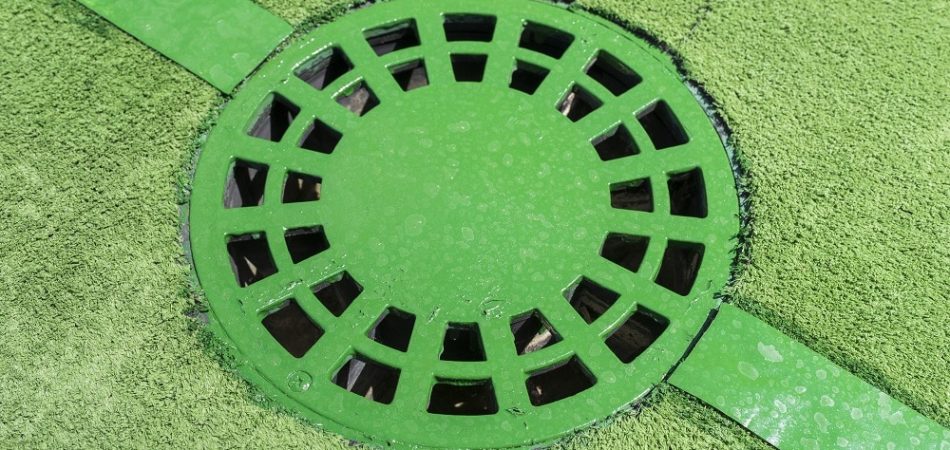
To quickly unclog an outdoor drain, start by removing the cover and clearing visible debris. Next, use a high-pressure hose or a drain snake to dislodge stubborn blockages, and follow up by flushing the system with boiling water or a baking soda and vinegar mixture.
Unclogging an outdoor drain involves clearing blockages and ensuring water flows freely through the drainage system. This helps prevent puddling, slow runoff, or potential flooding that can damage your property.
By following these simple steps, you can keep your outdoor drainage system functioning effectively. Proper maintenance prevents issues and keeps water flowing smoothly. For reliable outdoor drain unclogging in Knoxville, Tennessee Standard Plumbing is here to help. For professional outdoor drain cleaning or full drainage solutions, contact us today.
Start by inspecting the drain and surrounding area. Look for standing water, slow drainage, or overflow after rain. Smell for foul odors that indicate stagnant water or organic buildup. Tap the ground or drain cover to detect hollow spots or collapsed sections.
Check upstream and downstream if the drain is part of a larger system to determine if the problem is isolated or widespread. This helps you choose the right tools and avoid unnecessary digging or harsh chemicals.
Clear leaves, twigs, dirt, and trash from around and on top of the drain cover. Wear protective gloves and use your hands or a small garden trowel.
Trim overhanging branches or roots that may contribute debris. Dispose of collected waste properly to prevent it from re-entering the drain during cleaning.
Remove the drain cover to access the inside of the drain. Use a screwdriver for screwed covers or gently pry off pop-off covers.
Set aside screws and the cover in a safe place. This ensures a safer and more thorough cleaning process for deeper clogs.
Shine a flashlight into the drain opening to identify debris, standing water, or clogs. Use a gloved hand or a long stick to feel for resistance without pushing debris further down.
This step helps determine whether a clog is shallow and manageable or deep enough to require drain rods or a plumber’s snake.
Insert a drain rod or plumber’s snake gently into the drain. Twist slowly to break up clogs from mud, leaves, or small roots.
Pull the tool back out slowly and repeat if necessary. Follow up with a flush using a garden hose to remove loosened debris.
Attach a garden hose to a water source and insert the nozzle into the drain opening. Start with moderate pressure and increase gradually if needed.
Move the hose slightly to reach different angles. Continue until the water runs clear and flows freely through the drain.
For remaining buildup or minor clogs, use an eco-friendly or enzyme-based drain cleaner.
Follow manufacturer instructions for dosage and wait time. Rinse thoroughly with water afterward. Avoid frequent use of harsh chemicals to protect pipes, plants, and soil.
Replace the drain cover properly over the opening. Tighten screws carefully if applicable, or ensure lift-off grates sit flush to prevent tripping hazards.
Check that the cover is clean and undamaged; replace if cracked or rusted. This step protects the cleared system and keeps the area neat.
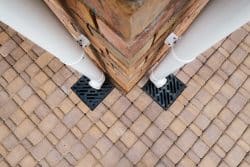 Pour water slowly into the drain using a garden hose. Check that water drains steadily without pooling or bubbling.
If the drain still flows slowly, repeat earlier steps. Proper testing confirms that the outdoor drainage system is ready for normal use.
Remove leftover debris, sludge, and tools from the area. Use a broom, rake, or garden scoop to dispose of waste properly.
Rinse the surrounding space with a garden hose. For walkways or patios, scrub surfaces with a stiff brush to prevent slippery buildup and keep debris from re-entering the drain. Maintaining a clean area ensures long-term drainage performance.
Outdoor drains can get clogged for several reasons, including fallen leaves, soil buildup, trash, roots, and other blockages that stop water from flowing. These issues can cause standing water, foul smells, mold growth, and even flooding.
Here are the main causes and ways to prevent them:
Leaves, twigs, and plant debris often end up in drains, especially during autumn. These blockages cause water pooling, odors, and mold or algae growth inside the drain.
Prevention: Regularly clean the area and use mesh covers to catch leaves.
Rain and erosion deposit dirt, mud, and soil into drains, reducing flow capacity.
Prevention: Install grates or filters and flush the system regularly to remove buildup.
Paper, plastic, and debris can block drains, restricting water flow and causing standing water.
Prevention: Clean the surrounding area and use protective covers.
Moss and algae grow in wet, stagnant areas, while tree roots invade pipes searching for moisture.
Prevention: Trim plants and trees, use root control products, and clean the drain regularly.
Heavy rains wash sand, silt, and debris into the drain, slowing drainage.
Prevention: Install drainage filters and flush the system after storms.
Incorrectly angled drains cause water to pool and slow runoff.
Prevention: Consult a professional to ensure proper slope and grading.
Without regular cleaning and inspection, debris accumulates, slowing drainage and causing odors.
Prevention: Inspect and clean drains regularly, especially after storms.
Rodents or insects may build nests in pipes, restricting flow.
Prevention: Secure drain covers and inspect for infestations regularly.
Winter temperatures can freeze water in pipes, blocking flow.
Prevention: Insulate exposed pipes and remove standing water before freezing temperatures.
Prompt unclogging protects your property and ensures water flows efficiently. Blocked drains can lead to serious problems, including:
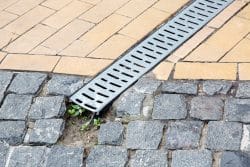 Standing water can damage concrete, create cracks, and weaken foundations. Clearing clogs early keeps these areas dry and stable.
Stagnant water promotes growth that smells bad, looks unsightly, and creates slippery surfaces. Fast cleaning stops this.
Trapped water accelerates rust and decay in metal pipes. Clearing the drain protects pipes from lasting damage.
Still water attracts mosquitoes and other insects. Removing clogs prevents breeding areas and keeps your yard safe.
Flooded areas become slippery or muddy. Clearing drains keeps walkways, gardens, and yards accessible and safe.
Promptly addressing outdoor drain clogs prevents damage, maintains safety, and keeps your drainage system working efficiently. For professional assistance, Tennessee Standard Plumbing offers expert solutions to keep your outdoor drains clear and fully functional.
The tools you need to unclog an outdoor drain include a few essential items that will help you effectively break up blockages and restore proper drainage.
Here’s a list of the key tools you’ll need:
This long, flexible rod reaches deep into the pipe to break up clogs. Push and twist it through the blockage to loosen and remove solid material stuck inside.
A hose with a pressure nozzle blasts water into the drain. The strong flow pushes out dirt, leaves, and loose debris after they’ve been dislodged by the rod.
Use this to open the drain. It helps lift or unscrew metal or plastic covers, allowing you to reach inside the pipe safely and easily.
Gloves protect your hands from dirt, sharp objects, and harmful bacteria. Wear them when pulling out debris or using chemical cleaners.
Use a bucket to collect leaves and waste. A scoop helps lift out sludge or mud without requiring manual effort.
Drain cleaners help dissolve grease or grime. Choose an eco-safe cleaner whenever possible, and always follow the label directions when pouring it into the pipe.
For deep cleaning, a pressure washer blasts away thick buildup. Aim the nozzle inside the drain to flush away leftover waste.
This vacuum sucks up water, mud, or debris stuck near the opening. It’s helpful for shallow blockages or thick sludge.
Roots grow into old pipes. A special root-cutting attachment clears them out without the need to replace the drain.
Wear goggles to protect your eyes from splashes, dirt, or chemicals while unclogging and flushing the drain.
To safely remove debris from an outdoor drain, follow a step-by-step process using proper tools and safety gear. This method helps keep the drain clear without damaging the system or using harsh chemicals unless needed.
Gloves shield your hands from sharp objects and bacteria. Goggles protect your eyes from splashes, dirt, and flying debris while cleaning.
Use a tool to lift or unscrew the drain cover. This gives full access to the blocked area and helps avoid breaking or damaging the cover.
Pick out large debris by hand. These are usually the first items blocking the opening and slowing water flow.
Scoop out thick mud and waste that settles at the bottom. A bucket helps collect and carry it away without spreading the mess.
Insert the tool into the pipe and twist it to break apart stubborn clogs that are deeper within. This removes things that can’t be seen from the surface.
 Flush the drain with a garden hose to clear remaining particles
Spray water into the pipe to wash away leftover dirt and small pieces. A high-pressure nozzle is most effective for strong flows.
Replace the cover and secure it tightly in place. This keeps out new debris and prevents animals or children from getting into the pipe.
Throw away all waste in a sealed bag or compost bin. Leaving it nearby can cause it to fall back into the drain during the next rain.
It’s essential to avoid using harsh chemicals unless necessary, as they can damage your pipes and harm the environment. Instead, rely on manual methods and natural solutions for clearing blockages. By following these steps, you safely and effectively remove debris from your outdoor drain, ensuring proper water flow and preventing future blockages.
Tennessee Standard Plumbing offers expert drain cleaning and maintenance services to keep your system functioning efficiently and without issues.
To maintain outdoor drains in the long term, follow a consistent care routine using simple tools, perform seasonal checks, and adopt safe cleaning habits. This approach keeps water flowing, prevents damage, and extends the life of your drain system.
Use eco-friendly products whenever possible, and adjust your cleaning schedule according to your local weather and environmental conditions.
Sweep or rake debris away from the drain every week to prevent clogs from forming. This prevents buildup before it reaches the pipe, keeping the surface open for fast water flow.
Place mesh covers or metal grates over the drain opening. These filters prevent leaves, trash, and large particles from entering and forming clogs.
Spray clean water into the pipe to push out settled dirt and small debris. Do this monthly or after storms for best results.
Cut back branches and roots growing near the drain. Roots grow toward moisture and crack or block pipes if left unchecked.
Look inside the drain each season. Check for standing water, unpleasant odors, or slow drainage. Fall and early spring are key times to identify and address problems early.
Never dump oil, paint, or litter into the drain. These damaged pipes harm the soil and water system around your home.
A yearly check by a plumber reveals damage you miss. Early repair prevents costly replacements later.
Outdoor drain clogs sometimes require professional intervention when DIY attempts, such as plunging or flushing with a hose, fail or when flooding and foul odors persist. In these cases, plumbers use advanced tools and targeted techniques to address deep or complex drainage issues.
This signals a blockage deep in the drainpipe or stormwater line. Plumbers locate and break up hidden clogs to restore proper drainage and prevent interior flooding.
Heavy storms leave behind silt, leaves, and debris that DIY tools can’t handle. Hydro jetting uses high-pressure water to fully flush the system without damaging pipes.
Roots grow into cracks and expand, causing major clogs. Plumbers use motorized root-cutting augers to slice roots and apply chemical root inhibitors to prevent regrowth.
These issues may indicate deeper collapses or severe blockages. Camera inspections allow plumbers to pinpoint the problem without digging.
Bad odors indicate organic waste buildup. Bio-enzyme treatment and deep pipe scrubbing remove buildup and bacteria that cause foul smells and slow flow.
When puddles linger, plumbers may perform excavation, drain relining, or a full pipe replacement to fix collapsed or sunken drain sections.
This signals broken underground pipes. Professional repair prevents soil erosion and protects against foundation damage.
When traditional methods fail, plumbers utilize trenchless technology, jet vac systems, or advanced diagnostics to provide a lasting solution.

Ignoring these signs can lead to yard flooding, basement leaks, foundation erosion, and expensive landscape or structural repairs. Hiring licensed plumbers ensures outdoor drainage problems are diagnosed precisely, using non-invasive tools, and lasting fixes are implemented without damaging property.
Tennessee Standard Plumbing is the trusted team for expert outdoor drain cleaning in Knoxville, trenchless repair, and seasonal maintenance to keep your property safe and dry. The team understands how to maintain proper water flow, especially during heavy rain or cold months.
What sets Tennessee Standard Plumbing apart is its commitment to emergency response, eco-friendly methods, and transparent pricing, ensuring homeowners are protected from outdoor drainage disasters. Homeowners trust them because they receive immediate help in preventing major outdoor drainage problems before they cause significant damage.
Outdoor drains should be cleaned every 2 to 3 months, with extra attention before and after heavy rain, during fall leaf drop, and after winter snowmelt.
Weather affects clogs by sending leaves, dirt, and debris into drains during storms, while freezing temperatures cause ice blockages and cracks in pipes. Dry spells let debris settle and harden, slowing drainage later.
Lift the grate using a screwdriver or removal tool, then wear gloves and pull out leaves, twigs, and trash by hand. A debris scoop or small bucket helps remove buildup around the edges.
Insert a drain rod or plumber’s snake to break through the mud. Then flush the pipe with a strong stream of water from a garden hose or pressure washer to rinse out loosened dirt.
Yes. A garden hose with strong pressure helps flush out loose debris, light blockages, and leftover dirt after manual cleaning.
The best angle to spray water into an outdoor drain is directly down the pipe at a slight angle, about 15 to 30 degrees, to push debris forward without splashing it back up.
Yes. A pressure washer is useful for blasting out heavy dirt, silt, and leaves, especially after storms or in long-neglected drains.
Yes. High-pressure water can damage outdoor drainpipes. If used incorrectly, it can crack plastic or old pipes, especially if the nozzle is too strong or aimed directly at pipe joints. If you’re unsure how to fix water pressure issues, use a nozzle with adjustable settings or consult a professional to avoid damaging your drain system.
Flush the drain for 2 to 5 minutes or until water runs clear and smooth without backing up.
No. Bleach helps kill bacteria and odor, but it doesn’t remove solid blockages like mud, leaves, or trash.
Yes. Harsh chemical cleaners can burn nearby plants, contaminate soil, or affect grass health if overused or spilled.
Yes. Flushing outdoor drains regularly prevents outdoor drain clogs, especially after storms or yard work, and helps remove small debris before it has a chance to build up.


Tankless water heaters offer impressive energy efficiency and a longer lifespan than traditional tank units. However, they come with limitations li... Read More

Hot Water Shortages There is nothing more annoying than running out of hot water in the middle of a shower! Here's the good news: "Running out of ... Read More
A kitchen sink leak can cause a lot of damage to your home if left unaddressed, leading to mold growth, water damage, and costly repairs. That's wh... Read More