
The Ultimate Guide to Choosing the Best Type of Pipe for Your Main Water Line
The best main water line pipe depends on factors like budget, climate, and local codes, but common top choices are High-Density Polyethylene (HDPE)... Read More

Same-Day Service Available
Need a Plumber in Knoxville? We’re Ready to Help!




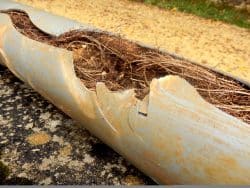
The deep roots of trees are always seeking out water, and your underground pipes offer a constant, rich source of moisture they desperately want. A tiny pinhole leak or a loose pipe joint releases warm water vapor and nutrients into the soil. This vapor acts like a beacon, guiding aggressive tree roots directly toward your buried water and sewer lines. Fortunately, your home provides clear warning signals when a root attack happens. You just need to know what to look for.
Knowing the signs, such as a sudden water bill spike or repeated drain clogs, saves you from expensive emergency sewer backups. A professional plumber offers the right solution by using specialized cameras to locate the roots, then clearing or replacing the damaged section. For lasting peace of mind, contact the licensed experts at Tennessee Standard Plumbing & Drain before a slow drain becomes a costly disaster. The team helps homeowners protect their plumbing investment.
The first sign of a light clog forming in your pipes is slow drainage. Water is sitting for a while, then slowly draining down the sink, tub, or shower opening. This reduced flow rate occurs when debris accumulates along the pipe wall, restricting wastewater flow.
Tree roots find their way through small openings between old pipe joints, particularly in clay or concrete sewer lines. Once inside, the root mass acts as a net, capturing wipes, paper, grease, and soap scum that cause slow drainage over time.
Ignoring this slow-flow problem leads to full clogs, constant frustration, and, eventually, expensive emergency plumbing repairs. Addressing slow drainage early helps protect your plumbing and prevents the problem from turning into a major blockage.
A clog is a complete obstruction, and a repeated clog means the blockage returns soon after a simple cleaning attempt. This recurring issue is a strong signal that the problem is tree roots, not just regular household debris like hair.
The roots of a mature tree push their way into minor pipe fractures or failing joints of your underground sewer lines. Once inside, they thrive on the sewer water, thickening the structure until it completely restricts the pipe’s internal space.
Clear drain cleaning costs you money and puts your home at risk of sewer backups. Keep a log of how many times you had to address the same drain in 1 year. It is not normal for a drain to be blocked so often. A good sewer line handles normal household waste for many years without much help.
A plumber performs a professional video inspection with a camera to confirm the presence of this stubborn organic material that prevents permanent clearing.
Gurgling noises come from your toilet or drain when you run water elsewhere in the house, like a nearby sink or shower. This sound occurs because a blockage prevents wastewater from draining smoothly, allowing air bubbles to become trapped and escape forcefully.
Tree roots invading the main sewer line are among the primary causes of disruption to this airflow. The denser mass of roots forms a dam under the water, forcing the water to back up and the air to compress. Now, as more water is pushed through, the trapped bubbles are forced out of the remaining spaces, producing that signature sound.
Persistent gurgling causes a high risk of a complete blockage and a future sewage spill onto your floor. Treat persistent gurgling as an early alert to check the main line before the situation worsens.
Sewage backing up is the ultimate sign of a total line obstruction in your main sewer pipe. It forces raw wastewater back into the lowest fixture in your home. This happens in a basement floor drain, toilet, or shower, where foul-smelling water rises unexpectedly. This means the exit path for all household waste is completely blocked.
Tree roots are the main cause of these catastrophic failures because they fill the pipe, leaving no space for waste to pass into the city sewer or septic tank. The roots form an impenetrable root ball that resists ordinary drain-clearing tools.
This is an emergency causing major property damage, requiring immediate professional cleanup, and presenting serious health hazards from bacterial exposure. Plumbing professionals address this by using strong auger cables to bore through the mass. Still, the long-term solution requires replacing the damaged section of the pipe.
Reduced water pressure signals a problem with your water service line, which brings clean water into your home. This feels like a weak flow coming from your showerhead or a faucet, or a noticeable pressure drop when you use two fixtures at the same time. This pressure drop suggests that water is either escaping from the pipe or that the internal flow is restricted.
Tree roots seeking water and moisture attack the pressurized supply line, which is usually buried deep underground. The roots exploit the pipe’s imperfections, wrapping around the line and sometimes infiltrating it to restrict the flow.
A noticeable drop in water pressure strains your appliances, increases your water bill, and makes everyday tasks more difficult. Check the pressure by comparing the flow from an outdoor hose to an indoor faucet. The issue is likely in the main water line if both pressures are weak. Call a professional early to avoid a costly full-line replacement later.
A persistent foul odor or sewage smell inside your home is a major red flag that waste is not correctly leaving your plumbing system. You notice this smell near drains, in the basement, or close to walls where the sewer line runs. This odor is caused by sewer gas escaping a broken line, a dry drain trap, or a severe blockage.
Tree roots cause this issue by fracturing the sewer pipe or pushing pipe sections apart, allowing odorous gas to vent directly into the soil and, sometimes, back into your home through faulty drain seals. You should check if the smell is constant or only appears after flushing a toilet or running a lot of water.
Smelling sewer gas is not just unpleasant; the gas contains methane and hydrogen sulfide, which pose a health risk with prolonged exposure. A licensed plumber uses smoke testing or a camera inspection to pinpoint the exact location of the leak that releases these harmful gases.
An unexplained increase in your water bill suggests a leak somewhere in your pressurized water supply line between the meter and your home. This spike occurs because the pipe is constantly losing water to the ground, yet your water meter still records that loss, and you pay for it.
The moisture and cool temperatures of buried water lines draw in tree roots. Their thin root hairs push through small cracks or weak joints, particularly in older copper or galvanized pipes. As the roots continue to grow, the hole widens, allowing more pressurized water to escape into the soil, which registers an extraordinary amount of usage on the meter and, in turn, increases the bill.
Not paying attention to that increase in your bill means paying for wasted gallons and risking a serious break in the line that could flood your property. Professional leak detection helps prevent costly repairs and restores your water bill to normal levels.
Sudden lush, green, or soggy spots in your yard signal a hidden water leak beneath the surface. These areas appear near a mature tree or along your underground sewer or water line. The grass grows faster because the leaking pipe constantly waters it.
Tree roots cause this by cracking the pipe and creating a consistent source of irrigation for the surrounding yard. The roots thrive on the constant flow, which is why the grass over the sewer line looks much healthier and taller than the rest of the lawn.
These saturated spots cause long-term harm to your landscape and signal potential damage to your home’s foundation from constantly shifting, saturated soil. Have a professional inspect and repair the leak to prevent root intrusion, protect your yard, and avoid damage to your pipes and foundation.
The appearance of small, localized sinkholes or soft, spongy depressions in your lawn is a serious sign of major underground pipe damage. A soft spot forms when water escaping from the ground washes away surrounding soil, creating gaps beneath the surface that eventually cause the ground above to collapse. These holes appear directly above the broken pipe’s path.
Tree roots weaken the pipe’s structure, allowing large volumes of water or sewage to escape and erode the soil around the pipe. The continuous flow flushes away supporting dirt, leaving a dangerous hollow space.
These soft spots pose a tripping hazard and indicate an underground failure that requires immediate repair. Test for them by walking across your lawn and feeling for spongy or unstable areas. Plumbers excavate these spots because the soil has clearly given way above the damaged pipe.
Visible cracks in your home’s foundation or sections of heaving or sinking pavement near your house are indirect, serious signs of a large underground leak.
Tree roots create the initial pipe breach, and the escaping water saturates the soil, causing it to swell or shrink unevenly and putting tremendous stress on the structure above. This uneven movement is called soil settlement.
Foundation damage is extremely expensive to repair and threatens the stability of your entire home, making it one of the most serious long-term consequences of ignored pipe damage. Fixing the pipe leak immediately stops the water flow that causes this dangerous ground movement and subsequent foundation damage.
Plumbing professionals effectively fix root impact on water lines by first diagnosing the exact location and extent of the damage, then clearing the existing blockage.
The essential methods plumbing professionals use to address root intrusion in water and sewer lines effectively include:
A video camera inspection lets the plumber see deep inside your pipe without digging up your yard. The technician feeds a flexible fiber-optic cable with a tiny camera into your sewer cleanout or access point. The camera records the pipe’s condition, showing the entry of roots into the pipe, its material, and the extent of the blockage. This visual proof confirms the damage and helps plumbers select the most appropriate repair method.
Mechanical clearing, or rootering, is the process of attaching a special rotating blade or cutter head to a plumbing snake or cable. The plumber then inserts the cutter into the pipe to cut and grind the existing root mass that blocks the flow. The method provides instant removal of the blockage and restores proper flow. Yet roots always persist within the pipe wall and will grow back very soon.
Hydro jetting uses focused streams of highly pressurized water, sometimes reaching 4,000 Pounds Per Square Inch (PSI), to blast through blockages. The plumber sends a self-propelled nozzle into the pipe, which sprays water backward to pull itself forward while scouring the pipe walls clean. This technique removes roots, grease, and scale buildup more effectively than snaking, leaving the interior of the pipe smoother.
Chemical root inhibitors are foaming agents containing herbicides that kill the remaining root material inside the pipe and prevent immediate regrowth. Plumbers apply these chemicals after mechanically clearing the roots, as the foam fills the pipe and coats the root tips. This treatment is a temporary fix to slow the root’s return, requiring yearly or bi-yearly application for continued maintenance.
Trenchless pipe lining, known as Cured-In-Place Pipe (CIPP), is a permanent repair method that does not require massive digging. The plumber pulls a flexible liner saturated with epoxy resin through the old, damaged pipe. They inflate the liner and let the resin harden, creating a brand-new, seamless, and root-proof pipe lining right inside the old pipe.
Pipe bursting is another trenchless method. It is a complete replacement of the damaged sewer pipe with a new one through minimal excavation. The plumber pulls a brand-new pipe through the old line, and as the new pipe moves through the ground, the cone-shaped head attached to it shatters the old pipe. This pulls a new, seamless High-Density Polyethylene (HDPE) pipe into the same space, providing a lasting, root-resistant replacement.
Traditional pipe replacement is the most comprehensive fix. It involves digging a trench to expose the entire damaged section of the pipe. The plumber removes the cracked or root-filled section and replaces it with new, stronger material, typically PVC (Polyvinyl Chloride) piping. This method provides the longest-lasting solution but requires significant yard work to complete the excavation.
The best method depends entirely on the pipe’s condition and the location of the root damage. Choosing a permanent solution prevents roots from returning and saves homeowners from constant, costly repair calls.
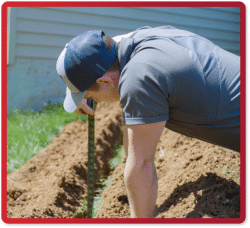 Water lines should be inspected for root damage by a professional every 1 to 3 years, especially if your property has mature trees near the utility lines. This timeframe is ideal for catching minor root intrusions before they cause a major, expensive clog or leak. Regular video camera inspections protect the homeowner from sudden sewer backups and costly emergency repairs.
Homeowners inspect their lines daily by paying attention to common warning signs, such as slow drains, gurgling noises, or spikes in the water bill. You must contact a plumber immediately, regardless of when the last professional inspection took place, if you notice any of these issues.
Proactive inspections are much cheaper than repairing a catastrophic line break caused by root mass. Tennessee Standard Plumbing & Drain offers comprehensive inspection services using a high-definition camera to diagnose the internal condition of your water lines accurately. The licensed team provides necessary pipe services, including trenchless technologies, to offer permanent, minimally invasive solutions if root damage is found.
Yes, a yearly water line inspection is enough to prevent root problems. Still, it must be combined with regular professional maintenance, such as root clearing or chemical treatment, if roots are already present. The inspection confirms the pipe’s condition, but you need to take action to prevent minor intrusions from becoming major, expensive blockages.
Yes, root inspections are effective for Knoxville drain cleaning because they accurately pinpoint the location and extent of the root mass. Without this specific information, a plumber might temporarily snip the line. However, an inspection establishes the cause of the clogs, enabling a targeted, long-term solution rather than repair after repair for the same problem.
Yes, older homes are more likely to need frequent inspections. Their sewer and water lines use outdated materials, such as clay tile or cast iron, which have weaker joints and are prone to cracking. These pipe weaknesses invite root intrusion, making consistent video inspections critical to prevent total line failure.
Yes, plumbing services are helpful for inspections of water line root damage. Only licensed plumbers use specialized equipment, such as video inspection cameras and hydro-jetting tools, to identify and address issues. Finding reliable plumbing services in Knoxville ensures you get an accurate diagnosis and permanent repair options.
Signs that show you need a water line inspection are slow-moving drains, gurgling sounds from fixtures, repeated clogs, or unexplained wet, lush spots in your lawn. Any of these symptoms suggests a blockage or leak. Early inspection prevents a minor issue from escalating into a costly sewage backup.
Yes, trenchless inspection is a highly reliable method for older water systems. This technique uses a high-definition camera fed through the existing pipe, providing a clear, detailed view of cracks and root growth without disturbing your yard. It offers the best way to plan a repair, like pipe lining or pipe bursting.
Yes, delaying inspections causes bigger root damage over time. Tree roots grow continuously, widening cracks and multiplying within the pipe, leading to more extensive blockages and greater pipe damage. Postponing an inspection increases the likelihood that you will need a costly, full-line replacement rather than a simple repair.
Yes, growing plants increase the need for water line inspections. Heavy trees, bushes, and hedges have extensive root systems that aggressively seek underground water sources. Your risk of root infiltration is greater if these plants are positioned close to your utility lines. Thus, you have to check your pipes more often.
Yes, root growth requires a quick plumbing inspection of the sewer line when you notice a sewage smell or a sewage backup in your home. These are emergency signs of a complete blockage. A rapid inspection confirms the severity, allowing for immediate clearing and permanent sewer line plumbing repair to protect your home’s sanitation and foundation.


The best main water line pipe depends on factors like budget, climate, and local codes, but common top choices are High-Density Polyethylene (HDPE)... Read More

Installing a bathtub drain in Knoxville means matching the drain to your tub, removing the old stopper and flange, cleaning the opening, sealing a ... Read More

To choose safe PVC pipes for your home's water system, select CPVC for hot and cold water lines and look for NSF/ANSI 61 certification to ensure it... Read More