
What Should Knoxville Homeowners Expect When Planning a Bathroom Remodel?
A successful bathroom remodel in a Knoxville home starts with clear planning before any work begins. The planning phase covers four areas: goals (w... Read More
Same-Day Service Available
Need a Plumber in Knoxville? We’re Ready to Help!




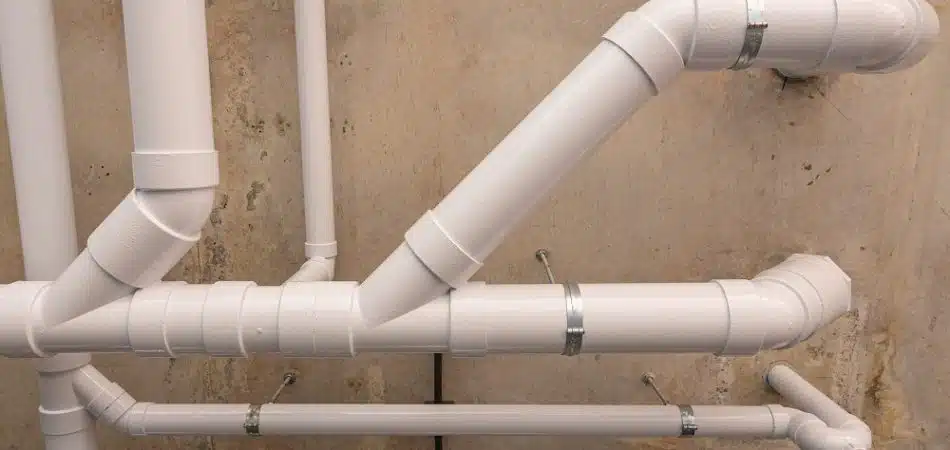
The most common signs of an improperly sloped drain pipe are slow drains, recurring clogs, gurgling sounds, and bad sewage odors.
If your Knoxville home has slow drains, gurgling pipes, or clogs that keep coming back no matter how many times you clear them, the problem may not be inside your pipes. It may be the angle they’re running at. Improperly sloped drain pipes are one of the most common and most overlooked plumbing problems in East Tennessee homes.
At Tennessee Standard Plumbing, our licensed technicians diagnose drain slope problems every week using camera inspection technology, often finding the root cause of drainage issues homeowners have been chasing for years. If the signs below sound familiar, contact our team today and let us take a look before the problem gets worse.
Proper drain pipe slope means installing horizontal drain lines at a precise downward angle so gravity moves wastewater consistently toward the sewer. Too little slope causes water to stall and solids to settle inside the pipe. Too much slope causes water to outrun the solids it is carrying, leaving waste behind to build up into a clog.
The International Plumbing Code (IPC) sets the following minimum slope requirements for residential drain lines:
| Pipe Diameter | Minimum Required Slope |
|---|---|
| 2-1/2″ and smaller | 1/4 inch per foot (2% grade) |
| 3″ to 6″ | 1/8 inch per foot (1% grade) |
| 8″ and larger | 1/16 inch per foot (0.5% grade) |
That 1/4-inch drop per foot for smaller household lines is a precise measurement. When pipes shift over time, were installed without permits, or were modified during a remodel, that pitch can be off just enough to cause persistent drainage problems throughout the home.
Improperly sloped drain pipes produce a recognizable set of symptoms that differ from standard clogs. The key sign is persistence: problems that return quickly after clearing, affect multiple fixtures, or resist every DIY fix you try. Six warning signs indicate a slope problem rather than a simple blockage.
Slow drains that return within weeks of being cleared are the most common sign of improper pipe slope. When a pipe lacks adequate pitch, water and waste move sluggishly through the line. Your kitchen sink, bathroom drain, or shower may take noticeably longer to clear than it used to.
If you’ve snaked the line, used an enzyme cleaner, and the slow drainage keeps returning, the pipe may be sitting at the wrong angle. Professional drain clearing can remove the immediate blockage, but a camera inspection is often the next step to confirm whether slope is the underlying issue.

Gurgling from drains or toilets means air is trapped in sections of pipe where water has pooled due to insufficient slope. As new wastewater pushes through, it displaces that trapped air, producing the bubbling sound you hear from your sink, tub, or toilet bowl.
Gurgling from a single fixture may be an isolated clog or venting issue. Gurgling from multiple fixtures simultaneously, or when one fixture gurgles while you use another, points to a slope problem in a shared or main drain line.
When a clog returns to the same spot within weeks or months of being cleared, improper pipe slope is frequently the cause. Without adequate pitch, solids and grease accumulate in the same low section of pipe repeatedly because water flows through but debris does not.
The “clear and repeat” cycle is one of the clearest patterns that distinguish a slope problem from a routine blockage. Drain repair can address the immediate clog, but repositioning the pipe is the only lasting fix.
Persistent sewage odors from drains indicate that wastewater is pooling inside the pipe and decomposing rather than flushing through. Standing water in a flat or back-pitched section of pipe releases hydrogen sulfide, producing the rotten egg or sewage smell that rises from drain openings.
This odor is different from a dry P-trap. A dry trap is fixed immediately by running water. A slope-related odor returns even after the trap is refilled and the drain is cleaned because the root cause is standing water inside the line itself.
A visible sag in an exposed drain pipe (called a pipe belly) is a direct sign of slope failure. A pipe belly forms when a horizontal drain line droops downward at one point, creating a low spot where water and waste collect rather than flowing toward the sewer.
In Knoxville homes with crawlspaces or unfinished basements, pipe bellies are sometimes visible without any special equipment. Water collects in the sag, solids settle, and that section becomes a persistent clog point. Bellies almost always require physical repair, not just cleaning.
Water backing up from one fixture into another (such as a toilet flush causing water to bubble up in the tub) signals a slope problem in a shared main drain line. When the main horizontal drain can’t move water at the correct velocity, backpressure pushes wastewater toward the next available opening.
This is an advanced symptom that typically means the slope problem has been building for some time. Preventive drain maintenance combined with a camera inspection is the right starting point before further repairs are made.
Drain pipes don’t always start out at the wrong angle. Several conditions cause properly installed pipes to shift out of alignment, particularly in East Tennessee homes where soil composition and climate play a role.
 Correcting drain pipe slope is not a DIY repair. The process requires locating the affected pipe section, opening walls, floors, or crawlspaces to access it, repositioning and re-supporting the line at the correct angle, and verifying the result with a camera or precision level tool. This work must meet IPC slope standards to pass inspection.
A licensed plumber uses a drain camera to identify the exact location and severity of the slope problem before any physical work begins. This targeted approach avoids unnecessary disruption to your home and confirms the fix was successful.
If your home has a crawlspace or basement, slope issues near low-lying drain lines can also put extra wear on your sump pump, causing it to cycle more often than it should. Correcting drain slope takes that load off the pump.
Call a licensed plumber when you notice any of the following:
The sooner a slope problem is diagnosed, the less likely it is to develop into a water damage or sewage backup situation.
Drain slope problems are not always visible from the surface, but they leave clear, consistent patterns. Our team at Tennessee Standard Plumbing uses drain camera inspections to find slope issues fast and give homeowners a clear picture of what needs to be corrected. With 50+ licensed technicians serving Knoxville and greater East Tennessee, we resolve drainage problems that other methods can’t reach.
If your drains are showing the signs above, don’t wait for a sewage backup to force the issue. Call us today to schedule a drain inspection and get back to peaceful pipes.
The correct standard slope for standard residential horizontal drain pipes (3 inches in diameter or smaller) is 1/4 inch per foot (about a 2% drop).
You can know if your drain pipes are sloped incorrectly by watching for recurring clogs, slow drainage, or gurgling sounds, and by measuring the pipe angle to see if it matches the standard drop of 1/4 inch per foot.
Yes. When a pipe is pitched too steeply, water races through faster than the solids it carries. Waste gets left behind and builds up into a clog. The correct minimum slope keeps water and solids moving together at the right velocity so the pipe stays clear.
A pipe belly is a low, sagging spot in a sewer or drain line where the pipe dips below its normal downward slope, creating a shallow pool where water and waste collect.
No, drain cleaning will not fix an improper slope problem. If the slope is wrong, solids will accumulate in the same low spot and the clog will return. Fixing the slope requires physically repositioning the affected pipe section to meet code requirements.
Yes. When wastewater pools in a flat or back-pitched pipe, it stagnates and releases hydrogen sulfide gas, which smells like rotten eggs. If drain odors return consistently after cleaning or trap refilling, pooling water inside the pipe due to incorrect slope is a likely cause.
Cost varies based on where the pipe is located and how much needs to be repositioned. Pipes in crawlspaces or basements with open access are typically less expensive to correct than lines buried under concrete slabs or behind finished walls. A camera inspection is the best starting point to determine the scope of repair before any cost estimate is given.
Yes, older Knoxville homes do experience more slope and uneven floor problems due to local soil conditions and decades of settling. East Tennessee’s clay-heavy soils shift with seasonal moisture changes, affecting underground and crawlspace pipes over time. Foundation settling in homes built before the 1980s can pull horizontal lines out of alignment. Many older properties also have a history of unpermitted plumbing work that introduced slope errors that were never caught.
A plumber finds an improperly sloped drain pipe by using a specialized flexible drain camera equipped with grade-tracking technology to inspect the interior and spot low-lying areas or pooling water.
Yes, poor drain slope in a sump pump’s discharge line can cause water to pool, flow backward, and force the pump motor to work harder. Correcting the slope of nearby drain lines reduces that excess load and extends the life of the pump.


A successful bathroom remodel in a Knoxville home starts with clear planning before any work begins. The planning phase covers four areas: goals (w... Read More

Inconsistent hot water, characterized by sudden temperature drops, often indicates internal tank issues like severe sediment buildup, a broken dip ... Read More
Both baking soda and vinegar are highly caustic. They are, in fact, able to dissolve certain materials that one would not normally think of as bein... Read More