
How Local Soil Conditions Affect Underground Plumbing in Knoxville
Knoxville's predominantly clay soil creates persistent pressure on underground pipes through expansion and contraction cycles, accelerating corrosi... Read More

Same-Day Service Available
Need a Plumber in Knoxville? We’re Ready to Help!




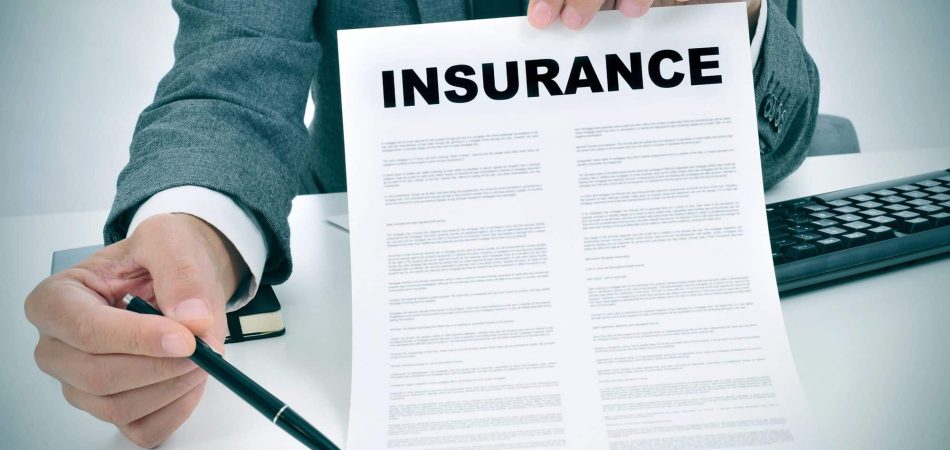
Standard homeowners insurance typically does not cover sewer line replacement when the damage results from aging, wear and tear, or simple clogs. However, it may provide coverage if the damage is caused by a sudden, external event such as a fire, windstorm, or vehicle impact. Homeowners can often obtain added protection for sewer line issues through an optional Service Line Endorsement or a separate Protection Plan offered by their insurer or local utility company.
Sewer line problems can appear without warning, bringing expensive repairs and major disruption to your home. When a pipe fails, one of the first questions homeowners ask is whether their insurance will help cover the cost. The answer is yes, but only in certain situations. Home insurance protects against sudden, accidental damage, not issues that develop slowly over time.
Understanding what your policy covers, what it excludes, and how to explore the claims process is essential when you’re facing a sewer line emergency. With the right documentation and a licensed professional on your side, you can secure the coverage you’re entitled to and avoid unnecessary out-of-pocket expenses. Tennessee Standard Plumbing supports homeowners by identifying the cause of the damage and delivering the expert repairs required to get the sewer line fully restored.
Contact us today to learn more!
A home fire causes severe, unexpected destruction. Fires generate incredibly intense heat. This extreme heat damages surrounding materials, including the underground sewer pipes. A major house fire quickly melts and cracks the primary sewer line.
The fire does not need to touch the pipe directly. The heat transfers through the soil, compromising the structural integrity of the line. The pipe softens, deforms, and fails to carry wastewater effectively, often requiring a full replacement.
Home insurance policies include fire as a named peril. This means the policy specifically lists fire damage as something they protect against. Insurance replaces your sewer line when a sudden fire causes destruction, as the policy covers all attached systems against this specific catastrophic event.
Strong windstorms, such as hurricanes or powerful tornadoes, can cause extensive property damage. These dangerous weather events may knock down large, heavy objects onto your land. A massive uprooted tree falling directly over your sewer line can crush the pipe completely.
This sudden, forceful impact causes immediate structural failure and necessitates a full line replacement. The break results in a clear plumbing emergency.
Standard home insurance covers damage caused by windstorms. The policy views the collapse of the sewer line as a direct result of a covered wind peril. Insurance pays to fix the broken pipe because the storm caused the failure.
Explosions are uncommon but cause immediate, widespread damage. A gas leak or a burst water heater can lead to a powerful explosion. The resulting pressure wave travels through the structure and the surrounding soil. This shockwave can shatter or disconnect underground sewer pipes. The force rips pipe sections apart, requiring excavation and full replacement of the damaged area.
Explosions are classified as perils under most home insurance contracts. Insurers cover the resulting damage because explosions are considered sudden and accidental events. Policies typically repair or replace the sewer line when an explosion directly causes the destruction.
Falling objects include heavy items unexpectedly hitting your house or yard. This event is similar to wind damage but involves a different covered cause. Construction materials, parts of a neighbor’s building, or large debris can fall onto your property. The impact transfers through the soil, collapsing the buried pipe. The sewer line often requires immediate replacement due to the physical breach.
Home insurance lists falling objects as a protected peril. The policy pays for sewer line repairs when the damage results directly from the unexpected impact.
Vandalism means the mischief and malicious destruction of property. Someone intentionally damaged your property. A vandal might pour cement, rocks, or other foreign materials into a clean-out access point, immediately clogging and ruining the sewer pipe.
This intentional damage requires emergency excavation. The entire affected section becomes unusable, and replacement is the only solution.
Some insurance policies include vandalism as a protected peril under the dwelling coverage section. The policy treats the vandal’s deliberate act in the same manner as it treats damage caused by a sudden storm. Your insurer pays for the necessary replacement and labor, minus your deductible, because a named external peril caused the damage.
Vehicle collisions occur when a car, truck, or other motorized equipment hits your home or property. A delivery van may back up too quickly, or a driver may lose control. When a vehicle drives over the area where the sewer line runs, the immense weight can crush the pipe underground. The structural integrity fails immediately, requiring replacement of the damaged segment.
Home insurance lists vehicle damage as a covered peril, even if the driver is uninsured or unknown. Insurance pays to repair the pipe because a sudden, external force caused the damage.
Lightning that strikes nearby power lines or the ground can send powerful electrical surges through the utility infrastructure. This event is different from a direct lightning strike on the house. The surge travels along the ground or service lines. This excessive power can melt or damage sensitive components connected to the plumbing. Sewage ejector pumps and electrical sensor lines are the most vulnerable parts.
Lightning is a named peril in all standard homeowner policies. Insurance covers pipe or hardware damage caused directly by the surge and pays for replacement of the damaged pump or pipe segment.
To file an insurance claim for home sewer line replacement, homeowners should first document the damage, hire a professional for an assessment, and contact the insurer immediately.
The insurance claim process involves the following steps:
Documentation forms the foundation of your claim. Capture detailed evidence immediately. Take numerous clear photos and high-resolution videos of the damage. This proof verifies the scope of destruction and shows the cause aligns with your policy’s covered perils.
You need a professional, expert assessment to determine the exact cause and necessary repairs. Hire a licensed, reputable plumber to inspect the line. The plumber uses a camera inspection to clearly see the damage. Obtain a detailed, written report from the plumber stating the damage resulting from a sudden, external event.
Time is critical. Contact your insurer as soon as you confirm the cause. Provide a detailed description, including the event date and nature of the damage. The insurer will assign a claim number and adjuster.
Your insurer needs to understand the financial scope of the repair. Collect at least two detailed written estimates from different, reputable plumbing and excavation companies. Submit these along with the plumber’s inspection report. If emergency measures were necessary, include those invoices.
The insurance adjuster is the person tasked directly with authenticating your claims. The adjuster assigned to your case contacts you to schedule an on-site visit. Be present during the visit and provide access to the site and documentation. Answer all questions clearly and honestly to speed up the process.
Once the adjuster completes the review, the insurer provides a settlement offer. Check that it includes all necessary costs, including excavation and pipe replacement. After accepting the settlement, schedule repairs to restore full function.
Filing a sewer line claim requires prompt action and evidence gathering, so begin documenting the moment you discover the damage. Work closely with your plumber and the adjuster throughout the process to secure a smooth and prompt settlement for your necessary repairs.
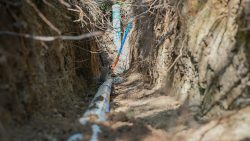 Home insurance does not cover sewer line replacement when damage results from aging, root infiltration, or poor installation. Standard policies exclude preventable problems.
Wear and tear refers to the gradual, expected deterioration of pipes over many years of normal use. Older pipes simply become brittle, crack, and sag due to age. Insurance does not cover these maintenance issues because they are predictable and preventable by the homeowner.
Poor workmanship refers to faulty installations and inadequate repairs that have been previously performed on the line. Insurance companies do not accept responsibility for substandard construction and repair quality. Homeowners must ensure all work meets proper codes.
Inadequate maintenance occurs when a homeowner neglects the upkeep of their property, allowing small issues to become large problems. For example, ignoring recurring slow drains leads to catastrophic failure later. Insurance does not cover destruction resulting from the owner’s failure to perform routine care.
Tree root intrusion happens when nearby vegetation roots seek out moisture and enter small cracks in the sewer pipe. The roots expand, break the pipe, and cause major clogs. Insurers categorize root growth as a slow, preventable event, not a sudden accident, thus excluding coverage.
Corrosion involves the chemical breakdown or rusting of metal and old clay pipes over time. Chemicals in the wastewater and soil slowly erode the material, leading to holes and collapse. This issue is considered deterioration due to time and environment, falling under the general wear and tear exclusions.
Ground settlement shifts occur when the soil beneath the pipe naturally compresses or moves, typically due to nearby construction and changes in drainage patterns. This shifting causes the pipe to bend, crack, and separate at the joints. Insurance views this as a natural ground movement issue, which the policy typically excludes.
Blockages and clogs occur when foreign objects or grease buildup block the flow of wastewater inside the pipe. The homeowner manages the materials going down the drains. Clearing a simple clog is an internal plumbing and maintenance cost, not a covered insurance claim.
Standard home insurance protects you against sudden, accidental sewer line destruction, not routine aging and maintenance problems. Review your policy limits today and consider a Service Line Endorsement (optional coverage that pays for damage to exterior utility lines) to cover common sewer line issues.
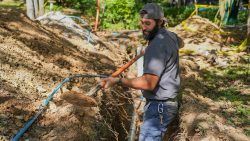 Plumbers help with insurance claims for sewer line replacement by providing the necessary technical expertise to support your documentation and maximize your coverage. Professional plumbing services make the entire process stress-free for homeowners by delivering an accurate assessment report that details the exact cause and extent of the destruction.
Expert plumbers understand policy details and how insurers categorize different types of destruction, especially the difference between sudden damage and gradual failure. They provide licensed inspection reports and detailed, accurate repair estimates that prevent claim denials and reduce the risk of unexpected expenses for the homeowner. This professional involvement increases the chances that your claim will be approved at the highest eligible amount.
Homeowners in the area rely on Tennessee Standard Plumbing as a trusted local plumbing partner in Knoxville. The company provides expert sewer line replacement services and delivers clear, accurate assessments to help homeowners understand the cause of damage. Trust the team to restore your sewer line quickly and professionally.
Yes, the location of sewer line damage affects coverage. Standard homeowners insurance excludes the sewer lateral, the section between your home and the city’s main, unless you’ve purchased service line or sewer backup coverage. Since this portion is considered part of external utilities, it’s generally not insured under a typical policy.
Yes, you can get extra coverage with optional insurance endorsements. These are the add-ons that broaden your coverage for certain risks not covered in standard insurance, such as water backup or utility line damage. Endorsements enable you to customize protection, ensuring your sewer line and other valuable assets are safeguarded against unexpected, costly events that are otherwise excluded from basic coverage.
Professionals prepare proper documentation, follow building codes, and reduce health risks. Their expertise ensures repairs are valid in the eyes of insurers, increasing the likelihood of approval. DIY attempts often lead to mistakes, delays, and denied claims.
A typical insured sewer line replacement takes from a few days to several weeks. The timeline depends on factors such as pipe length, damage severity, the chosen material, property access, and obtaining municipal permits. The process involves inspection, excavation (or trenchless methods), installation, and restoration. Larger, complex jobs take longer, while straightforward replacements are completed more quickly.
Yes, emergency plumbing service helps limit future repair costs by addressing problems before they escalate. A fast response prevents extensive damage, such as flooding, mold growth, and structural weakening. Plumbers quickly stop leaks or bursts, saving homeowners from larger financial losses and ensuring that insurance claims are processed with minimal complications.
Not directly. However, it protects the home’s marketability. Buyers avoid properties with unresolved sewer issues, so a completed replacement removes a major concern and prevents hidden defects from reducing your home’s value.
Sewer lines should be inspected for insurance compliance every few years. Most residential properties need inspections every 3 to 5 years. Older buildings require inspections more frequently. In commercial properties subject to heavy traffic, inspections are conducted every 6 to 18 months. Regular professional checks help identify problems early and strengthen insurance claims.
Yes, sewer line camera inspections can strengthen insurance claims by providing video evidence of damage. Footage reveals issues such as cracks, blockages, and root intrusion, making the claim more credible. Insurers value this documentation because it confirms that the problem is sudden or accidental, rather than gradual wear and tear, which improves the likelihood of coverage and faster claim approval.
Professional installation reduces insurance risks by ensuring repairs meet safety codes and industry standards. Properly installed sewer lines are less likely to fail, clog, and collapse, minimizing future claims. Insurance providers view properties with licensed work as lower-risk, which results in reduced premiums. Overall, professional installation safeguards against liability while protecting property owners from preventable expenses.
Insurance covers trenchless repair only when damage results from sudden, accidental causes. Aging or routine wear is excluded. Homeowners may need a sewer line endorsement or utility protection plan to secure coverage. Checking your policy details is essential.


Knoxville's predominantly clay soil creates persistent pressure on underground pipes through expansion and contraction cycles, accelerating corrosi... Read More

Toilets overflow due to clogs from foreign objects or excessive paper, faulty internal mechanisms like tank floats, or damaged sewer lines, with fi... Read More

Backflow preventer testing costs typically range from $50 to $250, depending on the device and location. Expect annual testing, which includes a pr... Read More