
How Long Does It Take to Install a New Water Heater?
Having your water heater suddenly give out is generally considered an emergency simply because of how many different things you need hot water for ... Read More

Same-Day Service Available
Need a Plumber in Knoxville? We’re Ready to Help!




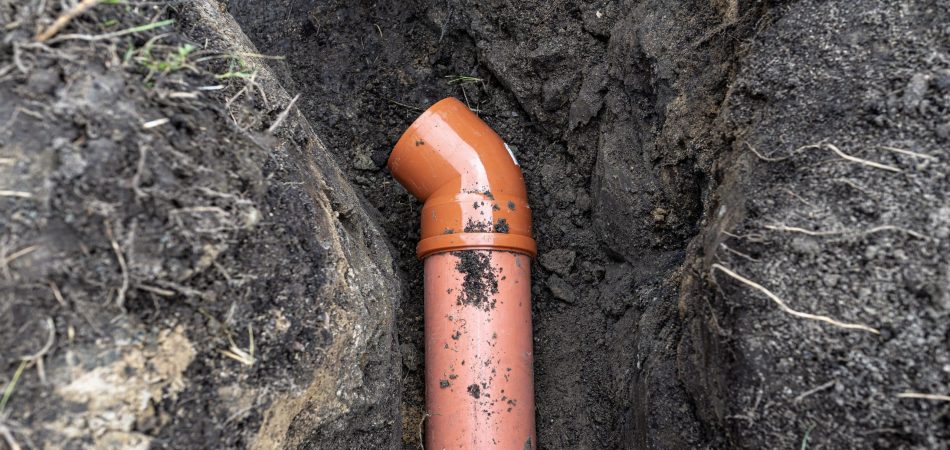
Deciding between sewer line repair and replacement depends on the extent of damage, the age and material of the existing pipe, and long-term cost considerations. A professional camera inspection is the best way to determine the right course of action for your property.
When sewer problems occur, property owners are often presented with two possible paths: repair or replacement. The distinction between these options can feel unclear, especially when the issue is underground and not visible. Costs, disruption, and long-term reliability are common concerns, and uncertainty is a normal part of the process.
Let’s explore sewer line repair vs. replacement using commonly accepted plumbing standards so property owners can better understand how decisions are typically made.
At Tennessee Standard Plumbing, we help property owners understand what is happening below ground before decisions are made. If you are dealing with recurring clogs, slow drains, backups, or unexplained odors, a professional evaluation can clarify the situation.
Contact us today to schedule an inspection and get clear information without pressure.
Sewer lines generally deteriorate gradually rather than failing suddenly. Wear occurs over years or decades, often without obvious symptoms until flow becomes restricted or backups occur.
Common contributing factors include pipe age, material type, soil movement, root intrusion, corrosion, and buildup of waste or debris. Older pipe materials such as clay, cast iron, and Orangeburg are known to have finite service lives, which vary based on installation conditions and usage.
The presence of a sewer backup or blockage does not automatically indicate the need for full replacement. Likewise, recurring issues do not always mean repair is sufficient. Determining the condition of the pipe itself is necessary before selecting an approach.
Not all sewer line problems affect the entire system. In many cases, damage is confined to a specific area, making localized repair a reasonable option when the remainder of the pipe remains functional.
Sewer line repair is commonly used when problems are limited to a defined section of pipe. Examples include small cracks, joint separations, partial obstructions, or root intrusion affecting a short length of the line.
When damage is isolated, repairing the affected area can restore normal flow. Depending on access, location, and pipe material, some repairs can be completed with limited excavation.
Repair is often selected when:
Repair addresses specific defects but does not change the overall age or condition of the remaining pipe.
Some sewer issues indicate more extensive deterioration rather than isolated damage. When problems are present across multiple areas of the line, replacement may address conditions that repairs cannot reliably resolve.
Replacement is generally considered when a sewer line shows widespread structural issues. These may include repeated collapses, extensive corrosion, multiple areas of failure, or consistent root intrusion along much of the pipe.
In these situations, repairing individual sections may restore function temporarily but often does not prevent future issues. Replacement addresses the condition of the entire line rather than specific failure points.
Replacement is commonly evaluated when:
Replacement does not eliminate all future maintenance needs but typically reduces issues related to aging or compromised pipe materials.
Visual inspection is widely used to assess sewer line condition. Sewer camera inspections allow technicians to observe the interior of the pipe and document visible issues.
 Camera inspections can identify:
Inspection findings provide objective information that helps determine whether repair or replacement is more appropriate for a given system.
Cost is often a deciding factor, but sewer line decisions involve more than initial expense.
Repair typically involves a lower upfront cost when damage is localized. This approach may restore function efficiently, depending on the condition of the surrounding pipe.
Because repair addresses only the affected area, future issues may still occur if other sections deteriorate over time.
Replacement generally involves higher initial costs due to labor, materials, and excavation or trenchless work. However, replacing an aging or compromised line may reduce the likelihood of repeated failures tied to pipe condition.
Long-term value depends on factors such as pipe material, property usage, and expected length of ownership.
Sewer line condition affects daily use and future planning. A repaired line may function reliably when remaining sections are in good condition. A replaced line typically reflects newer materials and updated installation standards.
During property inspections, newer sewer infrastructure may be viewed differently than older systems, depending on documentation and local inspection requirements.
Trenchless sewer methods are used in some repair and replacement scenarios. These techniques can reduce surface disruption but are not suitable for every situation.
Eligibility depends on pipe material, degree of damage, alignment, and access points. Inspection results determine whether trenchless methods are feasible.
When applicable, trenchless work can address certain sewer issues without extensive excavation.

Sewer systems vary widely. Soil conditions, pipe depth, installation quality, tree placement, and usage patterns all influence performance and deterioration rates.
Similar symptoms can stem from different causes. Accurate evaluation requires inspection rather than assumption.
Sewer line repair vs. replacement is a property-specific decision that depends on pipe condition, extent of damage, and long-term goals.
If you are experiencing sewer issues or want clarity before problems worsen, call us at Tennessee Standard Plumbing. An inspection can identify existing conditions and help determine which option is appropriate based on observable facts.
Clear decisions start with accurate information.
Sewer line repair addresses specific areas of damage within an existing pipe, while sewer line replacement involves installing a new pipe when the existing line is extensively deteriorated or structurally compromised.
Plumbers rely on inspection findings such as pipe material, age, location and extent of damage, frequency of past issues, and overall structural condition of the sewer line.
No. Some sewer lines can be repaired when damage is localized, but repair may not be appropriate if deterioration is widespread or the pipe has lost structural integrity.
Replacement is commonly evaluated when damage appears in multiple locations, pipe materials have reached the end of their typical service life, or previous repairs have not prevented recurring problems.
Service life varies by material, installation quality, soil conditions, and usage. Clay and cast iron pipes may last several decades, while Orangeburg pipes generally have shorter lifespans and are more susceptible to deterioration.
No. A sewer backup can result from blockages, root intrusion, or localized damage. An inspection is required to determine the underlying cause and appropriate solution.
A sewer camera inspection shows the interior condition of the pipe, including visible damage, root intrusion, blockages, misalignment, standing water, and general wear.
Repair often has a lower initial cost when damage is limited. Replacement typically involves higher upfront costs due to materials and labor, but long-term costs vary based on pipe condition and future maintenance needs.
No. Trenchless methods depend on factors such as pipe material, degree of damage, alignment, and available access points. Some sewer lines are not suitable for trenchless techniques.
Yes. Differences in soil conditions, pipe materials, installation methods, tree placement, and usage patterns can result in different recommendations even when symptoms appear similar.


Having your water heater suddenly give out is generally considered an emergency simply because of how many different things you need hot water for ... Read More

An outdoor sump pump helps manage excess water in low-lying areas, redirects groundwater away from the foundation, and adds an extra layer of flood... Read More
Sewer pipes come in several materials, each offering different levels of strength, durability, and resistance to corrosion or soil conditions. Th... Read More