
How Plumbing Technology Has Improved Over the Years
Plumbing technology has transformed dramatically over the past several decades, moving from lead and galvanized steel pipes to flexible PEX tubing,... Read More

Same-Day Service Available
Need a Plumber in Knoxville? We’re Ready to Help!




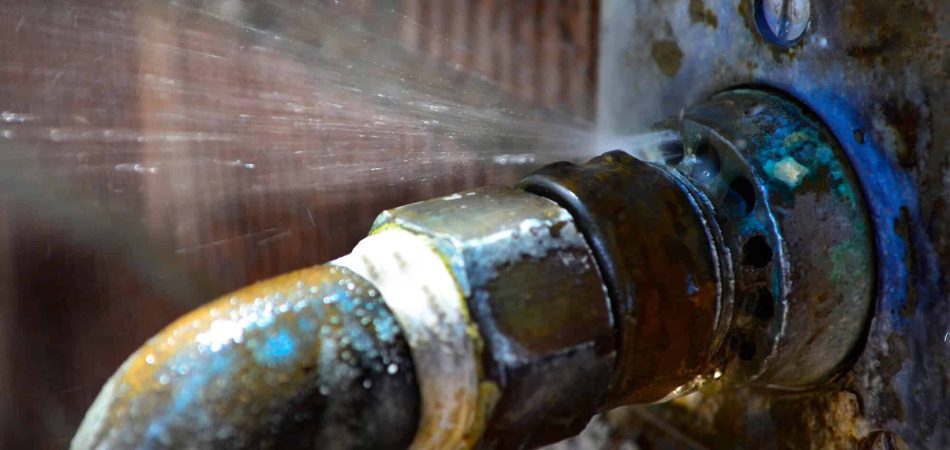
To address and prevent plumbing leaks, small leaks can be temporarily managed using sealants such as epoxy putty or self-fusing silicone tape, applied to a clean, dry pipe. For long-term repairs, pipe repair kits or professional plumbing services are recommended. Preventive measures include routine maintenance and keeping harsh chemicals and grease out of your drains.
A plumbing leak is an unintentional escape of water from a pipe, fixture, or fitting. A constant drip wastes a surprising amount of water over time. It also causes expensive damage, from ruined drywall to mold growth, along with a high water bill.
Leaks come in many types, from tiny pinholes to a slow leak behind a wall. Common issues, such as old, corroded pipes and extreme water pressure, cause them. You can stop them before they start with regular maintenance. You also take clear steps to fix them when they happen.
A leak requires the right tools and products for a lasting repair. You select the best sealant for a specific leak, whether it is a simple tape for a joint or a strong putty for a crack. For a complex issue and a major leak, professional help is the best choice. Tennessee Standard Plumbing offers expert plumbing leak repair services. The licensed team uses advanced tools and the best sealants to ensure a lasting solution for your home.
A plumbing leak is the escape of water from your plumbing system. Water flows where it should not. This includes drips from a faucet, a wet spot on a wall, or a puddle under your sink.
Leaks occur for several reasons. Corrosion in metal pipes like steel or copper creates pinhole leaks and cracks. High water pressure strains pipes and fittings. Aging pipes, seals, and connections wear out and break down, leading to leaks. Sudden temperature changes, especially freezing, cause pipes to expand and crack. Clogs build up pressure that bursts through weak spots and causes water leakage.
The consequences of a plumbing leak get serious fast. A small, constant leak leads to mold and mildew growth. It damages your walls, floors, and ceilings. It also increases your water bill. A major leak, like a burst pipe, causes a flood. It ruins furniture, electronics, and personal belongings. It also creates a safety hazard from slippery floors and electrical shorts.
You must act fast when you find a leak. Timely action prevents more damage. You save money and avoid a huge headache by fixing the leak right away. A fast response protects your home and keeps your family safe.
The types of plumbing leaks include toilets, water heaters, faucets, and a variety of other leaks. They vary in severity. Many leaks go unnoticed for a long time, causing hidden damage.
The common types of plumbing leaks include:
A toilet leak is a silent and costly problem. It happens when the flapper valve inside the tank does not seal properly, allowing water to continuously run into the bowl. Another cause is a faulty fill valve. This leak wastes a large amount of water. You fix it by replacing the flapper or the fill valve inside the toilet tank.
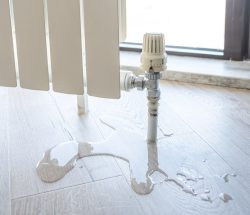 A water heater leak comes from the tank itself or from a connection. The leak starts small and gets bigger over time. It results from corrosion inside the tank or loose fittings. This type of leak causes a lot of water damage and leads to a broken water heater. You fix it by tightening the connections and replacing the unit if the tank is rusted.
A faucet leak is a common problem in kitchens and bathrooms. The constant drip annoys you and wastes water. It is caused by a worn-out rubber washer or a damaged O-ring inside the faucet handle. A simple faucet leak increases your water bill. You fix it by replacing the worn-out washer or O-ring with a new one.
A pinhole leak is a tiny hole in a pipe. It goes unnoticed because the water stream is so small. Pinhole leaks are caused by corrosion in copper pipes. They result in water damage and mold growth inside walls or ceilings. The fix involves cutting out the damaged section of pipe and replacing it with a new piece.
A slab leak is a leak in a water pipe located under the concrete foundation of a home. It is a serious and expensive problem. The leak is caused by corrosion, high water pressure, or shifting ground. A slab leak results in a cracked foundation, high water bills, and mold. You fix it by re-routing the pipe around the slab or breaking through the foundation to repair the line.
Leaky pipe joints are a frequent source of plumbing problems. The leak occurs where two pipes connect. A loose connection, a worn-out gasket, and improper installation cause it. The result is a drip that damages the surrounding area. You fix it by tightening the joint or replacing the gasket.
A leaky showerhead drips water even when the shower is turned off. The leak is caused by mineral buildup inside the showerhead or a worn-out rubber washer. A leaky showerhead wastes a lot of water. You fix it by cleaning the mineral buildup or replacing the washer.
Understanding these different types of leaks helps you identify the problem early. Catching a leak early prevents major water damage and expensive repairs.
The causes of plumbing leaks range from a tiny drip to a burst pipe. Knowing the reasons behind a leak helps you fix it fast and prevent it from happening again.
The common causes of plumbing leaks include:
High water pressure in your pipes puts a lot of stress on your entire plumbing system. The constant, intense pressure weakens pipe joints and fittings over time. It makes a small crack bigger. This added stress leads to a leak or even a burst pipe. A burst pipe causes a huge amount of damage very quickly.
Plumbing fixtures and appliances, such as faucets and dishwashers, have seals and gaskets that prevent leaks. These seals wear out over time. They become brittle and crack from age and use. When a seal breaks, it stops holding a watertight connection, and water escapes. This is a common cause of a dripping faucet or a leaky connection.
Corrosion is a natural process that happens in metal pipes over a long time. Water and minerals inside the pipes eat away at the metal. This creates tiny holes, called pinholes, in the pipe walls. The pinholes are very small, so the leak starts as a slow drip. This type of leak happens in older copper and galvanized steel pipes.
Pipe joints are the spots where two pipes connect. These joints are a common weak point in any plumbing system. A joint gets damaged from improper installation, constant movement, or simply old age. A damaged joint loses its tight seal. Water then leaks out from the connection point.
Tree roots are a major problem for outdoor plumbing lines. The roots are attracted to the moisture and nutrients in sewer and water pipes. They grow toward the pipes and wrap around them. A small crack in a pipe is all a root needs to get inside. As the roots grow, they put pressure on the pipes and cause them to break.
Extreme changes in temperature cause pipes to expand and contract. This movement weakens the pipe material and the joints. Metal and plastic pipes expand and shrink at different rates. This is especially true in freezing weather, when water inside a pipe turns to ice. The expanding ice bursts the pipe, causing a massive leak.
A clog in a drain or pipe causes a backup. The blockage builds up a lot of pressure behind it over time. This pressure eventually finds the weakest point in the pipe. It forces water out of a tiny crack or a loose joint. Even a simple drain clog leads to a slow, persistent leak.
Understanding the various causes of leaks enables you to select the most suitable solution. This helps prevent future damage and saves on costly repairs.
To prevent plumbing leaks, perform regular inspections, insulate the pipes, and do a proper drain cleaning. Being proactive about your plumbing system in Knoxville saves you a lot of time and money in the long run.
The methods to prevent plumbing leaks are:
 A routine check of your plumbing system catches small problems before they become big ones. Look for signs of moisture, rust, and discoloration on pipes, ceilings, and walls. Listen for dripping sounds. Check the area around your water heater and under your sinks. This simple check takes just a few minutes but saves you from a major headache.
High water pressure puts a huge strain on your pipes and fittings. A water pressure that is too high weakens your entire plumbing system over time. You use a water pressure gauge to check your home’s pressure. A plumber installs a pressure-reducing valve to keep the pressure at a safe level. This protects all your pipes and fixtures from unnecessary stress.
Insulating pipes is a smart step, especially in cold climates. Water inside an exposed pipe freezes and expands. The expanding ice puts immense pressure on the pipe, causing it to burst. You prevent this by covering exposed pipes in your basement, crawl space, or attic with foam pipe insulation. This simple act keeps the pipes from freezing and bursting.
Water leak detectors are smart devices that sound an alarm when they sense moisture. You place these small, battery-powered sensors in problem areas. Put them under sinks, near your water heater, or in the basement. They alert you to a small leak the moment it starts. This early warning gives you time to fix the leak before it causes major damage.
Clogged drains are a leading cause of leaks. A blockage builds up pressure in your pipes. The pressure forces water out of a weak spot or a loose joint. You prevent clogs by using drain screens to catch hair and debris. Avoid pouring grease, coffee grounds, and other solid waste down the drain. A clean drain means less pressure on your pipes.
A small drip or a slightly leaky faucet is a warning sign. Ignoring a small repair allows the problem to worsen. The small leak puts pressure on the surrounding pipes and fittings. It also leads to rust and corrosion. You fix a small leak right away. This simple act of quick maintenance prevents a future disaster.
Being proactive about your plumbing system is the smartest move you can make as a homeowner. A little time spent on prevention saves you from a lot of stress and money down the road.
The steps to fix a plumbing leak include turning off the water supply, identifying the leak location, and repairing the damaged parts. Taking the right steps in the right order saves you from a bigger mess and a more complicated repair.
The key steps to fix a plumbing leak are:
The very first step you take is turning off the water to stop the flow to the leaking pipe. Find your home’s main water shut-off valve. This valve is often in your basement, garage, or utility closet. You turn the valve clockwise to close it. Some fixtures, like a sink or toilet, have their own shut-off valves. You close those first for a simpler repair.
Turning off the water does not remove the water still inside the pipes. You need to drain the water from the line you are repairing. Go to a faucet at the lowest point in your home and open it. Let the water run until it stops. This drains all the remaining water out of the pipes. A drained pipe makes your repair much cleaner and easier.
Find the exact source of the leak. A leak is not always obvious. Look for rust, discoloration, and a wet spot on the pipe. Run your hands along the pipe to feel for moisture. The leak comes from a joint or a fitting. You pinpoint the exact location to know what you need to fix.
Once you find the leak, you remove the broken or damaged part. A pipe with a small crack needs a piece of the pipe cut out. A leaky fitting needs to be unscrewed. You use the right tools for the job. A pipe cutter gives you a clean cut. A wrench removes old fittings. This step prepares the area for the new part.
You need a new piece of pipe or a new fitting. You also need the right sealant or cement. Prepare the new part by cleaning the ends of the pipes using sandpaper or a special cleaning cloth. After cleaning, apply a primer to the pipe ends. The primer prepares the surface for the sealant. This step ensures a strong, watertight connection.
You are ready to install the new parts. A new piece of pipe is glued into place using the right cement. A new fitting is screwed on. You make sure the connection is tight and secure. Wipe away any excess sealant or cement. The goal is a perfect, sealed connection that holds strong under pressure.
The final step is testing your work. Go back to your shut-off valve and slowly turn the water back on. Watch the repaired area very closely for any drips. Let the water run for a few minutes. A successful repair shows no signs of a leak. A good repair holds strong and keeps the water flowing where it belongs.
Completing a successful plumbing repair gives you confidence as a homeowner. The key to a long-lasting fix is using the right sealant and the right tools.
The best sealants for plumbing leaks are specific to the type of repair you need to make. A sealant is a material used to fill gaps, cracks, or joints in pipes and fittings to stop water from escaping. Using the right sealant for the right job makes all the difference between a quick fix and a lasting solution.
The best sealants for plumbing leaks are:
Epoxy putty is a special type of clay-like material. It is made from a resin and a hardener. You mix the two parts by hand. They form a thick, moldable putty that hardens into a strong, solid material. Epoxy putty creates a watertight seal over cracks or small holes. It is best suited for a quick, temporary patch on a metal or rigid plastic pipe.
PTFE tape is a very thin, non-sticky white film. It is made from polytetrafluoroethylene. You wrap it around the threads of a male pipe end before you screw it into a fitting. The tape fills the small gaps in the threads. It provides a tight, waterproof seal for threaded connections. It also lubricates the threads, making it easier to tighten the joint. This tape is best for all threaded pipes, both plastic and metal.
Pipe thread sealant is a thick paste or liquid. It is made from various resins. You apply it with a brush to the threads of a pipe. The compound fills the gaps in the threads and hardens to form a strong seal. It gives you a watertight and long-lasting connection. This sealant is great for metal pipes, like gas lines, and is a good alternative to PTFE tape.
Silicone rubber sealing tape is a unique tape that bonds to itself. It is made from self-fusing silicone rubber. The tape stretches as you wrap it around a leaky pipe or hose. It creates a seamless, watertight layer. The tape works on pipes with an active leak, making it a great temporary solution. It is best for hoses, flexible pipes, or emergency repairs.
Pipe cement is a special type of glue. It is made from solvents and resins. You use it to join rigid plastic pipes, like Polyvinyl Chloride (PVC) and Chlorinated Polyvinyl Chloride (CPVC), together. The cement creates a permanent chemical bond between the pipe and the fitting. It melts the outer layer of the pipe and fitting, fusing them into a single, strong piece. Pipe cement is a permanent solution for connecting non-threaded plastic pipes.
Choosing the right sealant for your leak is a simple but critical step. Consider the leak you are dealing with and then decide on the sealant for long-lasting results.
When choosing the best pipe sealant for plumbing leaks, you need to consider a few key factors to ensure your repair lasts. The right sealant for a tiny drip is different from the right sealant for a major crack. Choosing the right product saves you time and prevents future problems.
To choose the best pipe sealant, consider these key factors:
The material of your pipe is the most important factor. A sealant for metal pipes does not work on plastic pipes. The best sealant for Polyvinyl Chloride (PVC) pipe is PVC cement. You use a different sealant for copper or galvanized steel. The product label tells you what materials it bonds to. Always match the sealant to your pipe material for a strong, lasting bond.
The type of leak tells you what kind of sealant to use. A small drip from a threaded pipe joint needs PTFE (Teflon) tape or pipe compound. A leak from a crack or a pinhole needs a stronger, more robust sealant. A large crack in a rigid pipe needs a strong material like epoxy putty to fill the gap. The size of the leak dictates the strength of the sealant you need.
A sealant must withstand the pressure and temperature of the pipe. A drain pipe has low pressure, but a water supply line has high pressure. You choose a sealant that handles the pressure of your water line. The sealant also handles the temperature of the water. A sealant for a hot water pipe is different from one for a cold water pipe. Check the product’s label for its temperature and pressure ratings.
The liquid inside the pipe impacts your choice. A sealant for a water line is not the same as a sealant for a gas line. A sealant for a sewer drain must resist chemicals and waste. Some sealants degrade when exposed to certain substances. You find a sealant that is safe for the fluid flowing through your pipes. This prevents a future leak and ensures safety.
Sealants come in many forms. Some are tapes, some are pastes, and some are putties. A PTFE (Teflon) tape is simple to wrap around threads. A pipe thread sealant is easy to brush on. An epoxy putty needs you to mix it by hand. You pick a sealant with an application method you are comfortable using. This makes your repair job easier and more successful.
Choosing the right sealant is a simple but important part of any plumbing repair. A DIY fix works for small jobs, but some leaks are too big or complicated. Tennessee Standard Plumbing resolves all types of plumbing leaks using advanced tools and the best sealants. The certified and licensed team provides a lasting solution for your peace of mind. Contact us today for expert repairs you can trust!
The sealants that are best suited for high-pressure plumbing systems are anaerobic thread sealants and high-pressure-rated PTFE tape. Anaerobic sealants are a type of adhesive that only cures in the absence of oxygen, creating a tough, vibration-resistant seal. For commercial plumbing services, these high-strength options provide the durable and reliable connections necessary for large-scale systems.
The sealant types that offer the best temperature resistance for hot water pipes are high-temperature silicone sealants. These are specially formulated to withstand extreme heat, with some handling up to 600°F. They are ideal for sealing fittings and joints during water heater installation and repair services, as well as other applications where seals are exposed to high temperatures without degrading.
Chemical resistance is extremely important in selecting a pipe sealant. Pipes carry more than just water, including various chemicals, gases, and waste. A sealant that isn’t chemically compatible with its contents degrades over time, leading to leaks and system failure. Selecting a sealant with the appropriate chemical resistance is a critical factor for ensuring the longevity and safety of the entire plumbing system.
The leak type (small drip vs. large crack) affects sealant selection by determining the required material strength and filling capability. A small drip from a threaded joint is best addressed with PTFE (Teflon) tape or a pipe thread compound, which fills minute gaps. A large crack, however, requires a more robust, gap-filling material like a two-part epoxy putty or a silicone rubber sealing tape to create a strong, solid patch.
Yes, there are sealants more suitable for temporary versus permanent repairs. A permanent sealant is meant to be a long-term solution, while a temporary one is designed as a short-term fix to buy time before a complete, lasting repair can be made. Silicone rubber tape is excellent for temporary fixes, while pipe cement and epoxy putties are considered permanent solutions.
The application techniques that enhance the effectiveness of pipe sealants include proper surface preparation, correct application methods, and allowing for adequate curing time. You must clean and degrease the threads or surface to ensure proper adhesion. Apply the sealant evenly, without excess. Finally, give the sealant the recommended time to fully cure before putting the system under pressure.
To ensure compatibility of sealants with potable water systems, look for certifications from reputable organizations. In the United States, look for products certified by the National Sanitation Foundation (NSF) International or the American National Standards Institute (ANSI) Standard 61. These certifications confirm that the product is safe for contact with drinking water and does not leach harmful chemicals. Always check the product label for this specific approval.
Sealants that provide the best flexibility and durability over time include silicone sealants and anaerobic thread sealants. Silicone remains flexible and resistant to ultraviolet (UV) rays, temperature, and movement. Anaerobic sealants cure into a tough, solid bond that is resistant to shock, vibration, and aging, making them highly durable for permanent fixtures and connections.
Yes, there are eco-friendly or non-toxic pipe sealants available for residential use. These products are either water-based or bio-based, made from renewable resources such as soy or corn. They release very few or no volatile organic compounds (VOCs), making them safer for indoor air quality and the environment. You find them at most home improvement stores.


Plumbing technology has transformed dramatically over the past several decades, moving from lead and galvanized steel pipes to flexible PEX tubing,... Read More

To install a sump pump battery backup, disconnect the power, mount the backup pump, attach the check valve, connect the discharge piping, wire the ... Read More

To quickly unclog a shower drain, first, clear the visible hair and debris then pour boiling water down the drain to loosen the clog, then try pour... Read More