
6 Best Sewer Pipe Materials Every Homeowner Should Know
Sewer pipes come in several materials, each offering different levels of strength, durability, and resistance to corrosion or soil conditions. Th... Read More

Same-Day Service Available
Need a Plumber in Knoxville? We’re Ready to Help!




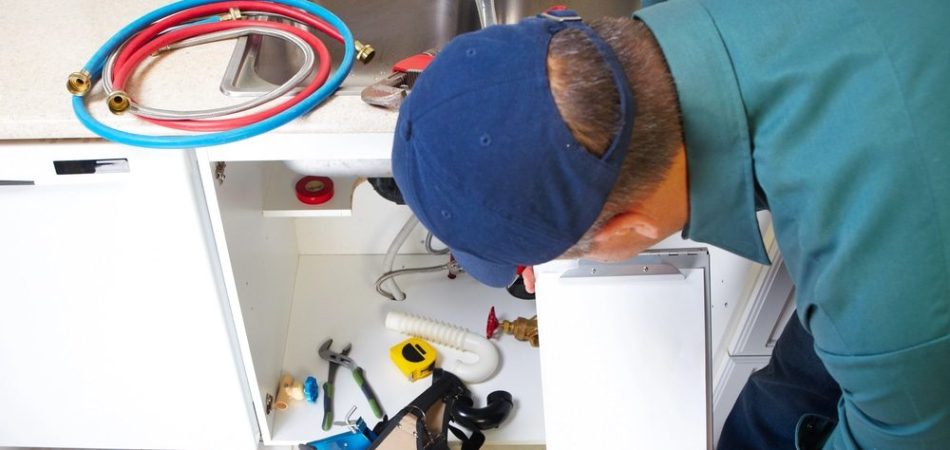
Plumbing leak detection equipment works by monitoring water flow, pressure, sound, or temperature to identify abnormalities that indicate a leak. Common types include whole-house flow and pressure sensors that shut off the water automatically, acoustic devices that listen for leak sounds, and thermal cameras that detect temperature differences. The main benefit is preventing water damage and high repair costs by detecting and locating leaks, both large and small, quickly.
Plumbing leak detection devices detect concealed water leaks through sound, pressure, or imaging sensors. Acoustic detectors hear vibrations generated by escaping water. Pressure monitors monitor drops within pipe systems.
Thermal imaging shows cooler areas indicating moisture. Tracer gas systems utilize harmless gases, such as nitrogen-hydrogen mixtures, to detect leaks in pipes buried beneath slabs or the ground. These tools function without having to penetrate walls or bore floors, which is less time-consuming and less damaging. Depending on the pipe material, location, and the extent of the issue, the correct tool to use is required.
The advantages of plumbing leak detection are decreased water bills, quicker repair time, minimized property loss, and avoidance of mold and mildew growth. Early detection helps prevent rotting of structural materials such as wood and drywall. It also helps protect health by preventing mold from growing, which impacts indoor air.
Tennessee Standard Plumbing provides these advantages through expert leak detection in Knoxville, allowing homeowners and businesses to have peace of mind and long-term protection.
The best plumbing leak detection equipments are D-Link DCH-S1621KT, YoLink Water Leak Sensor 4, LeakTronics Pro Complete Kit, Sonic GL Leak Detection System, SwitchBot Wi-Fi Leak Detector, and Eufy Water and Freeze Sensor. These devices give strong protection against hidden leaks. They use alarms, sensors, or wireless networks to detect water early and protect property.
The best plumbing leak detection equipments are:
D-Link DCH-S1621KT offers wide-ranging leak detection with fast response time and an 83-decibel alarm that alerts users instantly. It includes a sensor puck and a 19-inch leak-sensing cable to cover larger areas like basements, laundry rooms, and bathrooms.
The Wi-Fi system connects to a mobile app for instant alerts when water is detected. Best for homeowners who need a smart, connected system that monitors multiple locations across the house.
YoLink Water Leak Sensor 4 offers long-range wireless detection up to 1,000 feet, using LoRa (long-range radio) technology. It includes four water sensors that link to an app for notifications, plus built-in alarms for direct alerts.
The long signal range works well even in large houses with basements or garages far from routers. Best for large homes, offices, or warehouses that need extended coverage with reliable detection.
The LeakTronics Pro Complete Kit is a professional-level acoustic leak detector that is trusted by plumbers. It has ground microphones, handheld probes, pipe microphones, and headphones that enable technicians to hear the leaks behind the walls, floors, or soil. The system finds leaks with pinpoint accuracy, even in the underground or slab regions.
Sonic GL Leak Detection System offers high-sensitivity sound technology that tracks water escaping from pipes underground or beneath slabs. It includes amplifiers, headphones, and ground microphones that detect tiny sound vibrations caused by leaks.
This equipment reduces the need for digging or breaking floors to find leaks. Best for contractors and commercial property managers who require accurate detection under concrete or soil.
SwitchBot Wi-Fi Leak Detector is an easy-to-install, small, and smart app-based alarm with a high-volume alarm. It has a wireless water sensor that has immediate alerts when there is leakage.
The system is linked to home Wi-Fi to provide updates on phones in a short time, even when not on the property. Ideal in small residential homes, apartments, or occasionally in rentals that would require a simple and economical leak detector.
Eufy Water and Freeze Sensor offers dual protection by detecting both leaks and pipe-freezing risks. It includes temperature monitoring, Wi-Fi connection, and a built-in alarm for local and remote alerts.
The device is small enough to place near sinks, toilets, or water heaters, giving early warning before pipes burst. Best for homes in cold regions where frozen pipes and leaks are common threats.
Plumbing leak detection works by using tools that track water flow, sound, moisture, and heat changes.
These methods show leaks hidden in walls, floors, or underground lines. Tennessee Standard Plumbing applies advanced detection methods in Knoxville to locate problems fast and protect property.
The main steps of plumbing leak detection are:
1. Flow Monitoring
 Flow monitoring tracks the amount of water moving through pipes. If water use stays high when no taps run, it signals a leak. Smart meters and digital gauges record flow changes by the minute for accurate results.
2. Acoustic Leak Detection
Acoustic detection listens for sounds made by water escaping pipes. Devices use ground microphones and amplifiers to pick up vibrations. This method finds leaks in buried pipes, slab lines, and walls without digging or damage.
3. Moisture Sensing
Moisture sensors detect water where it should not be. These sensors trigger alarms when they touch water under sinks, near heaters, or on floors. Moisture sensing gives fast alerts before leaks spread across surfaces.
4. Thermal Imaging (Infrared Thermography)
Thermal imaging shows temperature changes in building materials. Cold spots appear where leaking water cools floors, walls, or ceilings. Infrared cameras give a clear picture of leak areas, even when water is invisible to the eye.
The main types of plumbing leak detection equipment are acoustic detectors, thermal cameras, professional kits, video inspection cameras, and smart water sensors. These devices use sound, heat, video, or smart alarms to locate leaks.
The main types of plumbing leak detection equipment include:
The acoustic detectors operate on the principle that sound waves are generated when water flows out of pressure. They are fitted with ground microphones, amplifiers, and headphones to sense vibrations. This system is ideal for underground leaks, slab leaks, and leaks of pipes concealed behind walls.
The thermal cameras monitor the variation in temperature of the walls, floor, and ceilings. They are provided with infrared sensors that indicate cold and hot areas associated with water movement. It is an ideal tool for the identification of leaks in places that are not easily visible.
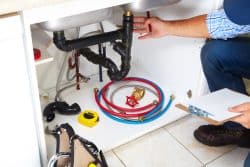 These kits include microphones, probes, and electronic sensors combined in one set. The technology blends acoustic detection with digital pressure tracking for high accuracy. They are best for licensed plumbers like Tennessee Standard Plumbing who need complete tools for residential and commercial jobs.
These cameras move inside pipes to give live video of clogs, cracks, or leaks. They use waterproof lenses, LED lights, and transmitters that map pipe locations. This system is best for sewer lines, drain inspections, and finding exact points of pipe damage.
Smart sensors track water presence on floors and send wireless alerts when leaks occur. They use Wi-Fi or Bluetooth to connect with apps, and some models close valves automatically. This equipment is best for homeowners wanting 24/7 monitoring, remote alerts, and automatic shut-off to stop water damage.
The benefits of plumbing leak detection equipment include early warning, safety, health protection, and savings.
Tennessee Standard Plumbing explains that these devices spot leaks at their start, saving homes from water waste and costly repairs. The tools use modern technology like sensors, cameras, and alarms to keep plumbing systems safe.
The best benefits of plumbing leak detection equipment are listed below:
Early leak detection finds small leaks before they grow into disasters. A slow drip can waste up to 10,000 gallons of water each year. Leak sensors, acoustic detectors, and thermal cameras identify these problems early. Tennessee Standard Plumbing stresses that preventing leaks at the source stops floors, walls, and ceilings from rotting. This makes homes safer and avoids the stress of large-scale damage.
 Smart leak sensors have 24/7 remote monitoring. The Wi-Fi and Bluetooth can send free instant notifications to tablets or phones. This allows homeowners to know real-time information about the leaks even when they are miles away.
Families who travel often benefit most, as they can stop problems quickly before water spreads. Tennessee Standard Plumbing points out that this technology creates peace of mind by putting full control in the hands of homeowners.
Water damage ruins furniture, electronics, and even building structures. Leak detection equipment stops this chain reaction. Advanced systems like thermal imaging and moisture sensors scan under floors, behind walls, and inside ceilings.
Detecting problems here avoids costly repairs to carpets, wood floors, and drywall. Tennessee Standard Plumbing highlights that property owners save thousands of dollars by using proactive leak detection instead of waiting for visible signs.
The damp environment that results from water leaks produces molds within 24 to 48 hours. Mold brings about breathing difficulties, allergies, and insecure environments. Even when the moisture is concealed beneath tiles or behind cabinets, the leak detectors will find it.
Tennessee Standard Plumbing recommends that the installation of such equipment safeguard the family against health complications in the long run. Keeping indoor air safe is just as important as saving property from water damage.
Leak detection saves money in two major ways: lower bills and fewer repairs. A leaking faucet wastes about 3,000 gallons of water per year, adding hundreds of dollars in costs. Smart detectors with automatic shut-off stop leaks within seconds.
This reduces wasted water and prevents expensive emergencies. Tennessee Standard Plumbing emphasizes that investing in detection equipment pays back quickly through monthly savings and long-term property protection.
Homeowners prevent plumbing leaks by keeping systems inspected, controlling pressure, using quality materials, avoiding clogs, and scheduling professional maintenance.
Homeowners prevent plumbing leaks in this way:
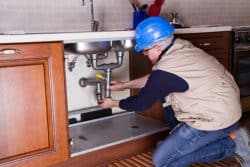 Routine checks help spot worn-out seals, rusted pipes, or loose joints before they break. Inspecting pipes under sinks, behind toilets, and near appliances keeps leaks from starting. Tennessee Standard Plumbing recommends inspections as a first defense against damage.
High pressure weakens pipes and fittings. A pressure regulator keeps the flow between 40–60 psi, which is safe for most homes. Tennessee Standard Plumbing highlights that steady pressure reduces stress on joints and extends plumbing life.
Strong pipes, fittings, and sealants reduce the risk of cracks or corrosion. Professional installation ensures tight connections and long-lasting results. Tennessee Standard Plumbing stresses that cutting corners in materials or setup leads to leaks later.
Food scraps, grease, and wipes block drains and create pressure inside pipes. Heavy force or hitting pipes with objects also weakens them. Tennessee Standard Plumbing notes that keeping drains clear and pipes protected prevents bursts or leaks.
Certified plumbers use tools like acoustic sensors, thermal cameras, and inspection scopes to check systems fully. Annual maintenance finds hidden risks that homeowners miss. Tennessee Standard Plumbing provides expert maintenance to secure homes against leaks year-round.
Plumbing leaks are mostly caused in homes due to pipe corrosion, worn-out seals, clogged drains, and high water pressure. Corrosion weakens pipes over time, creating small cracks that spread. Loose or damaged seals around faucets and joints let water escape.
Clogs add pressure that bursts weak sections of pipe. Freezing temperatures also expand water inside pipes, causing breaks. Tennessee Standard Plumbing provides leak detection service in Knoxville to prevent houses from hidden leaks.
Homeowners can prevent leaks in plumbing systems by regular inspections, water pressure control, strong materials, and scheduled maintenance. Professional inspections find small cracks or loose fittings before they spread.
Water pressure regulators keep levels safe for joints and valves. Pipes made from copper or PEX last longer than outdated steel. Drain cleaning stops blockages that lead to bursts. Tennessee Standard Plumbing stresses that yearly maintenance gives lasting leak protection.
To stop leaks at home quickly, shut off the main water valve, open taps to drain water, and place a bucket under the leak. Plumber’s tape works to seal small pipe threads until repair. Adjustable wrenches tighten loose nuts or joints at faucets.
Towels and buckets limit water spread across floors and walls. After temporary steps, licensed plumbers complete permanent fixes with professional tools. Tennessee Standard Plumbing provides fast and efficient emergency plumbing service in Knoxville, TN, whenever needed.
The signs of hidden plumbing leaks at home include unexplained high water bills, mold spots, bubbling paint, and musty smells. Wet areas on floors, ceilings, or drywall show that water escapes behind surfaces.
Dark stains or warped wood mark water damage. A drop in water pressure often points to a pipe crack underground. Tennessee Standard Plumbing explains that advanced leak detectors confirm these hidden issues by checking sound, flow, and temperature changes inside pipes.
Plumbing inspections should be scheduled once every year for modern homes, and twice yearly for older houses. Yearly checks spot worn pipes, corroded joints, and hidden leaks before they cause big repairs.
Older plumbing systems or homes with high water usage require closer monitoring. Seasonal changes, especially freezing winters, make leaks more likely, so inspections in spring and fall are common. Tennessee Standard Plumbing provides scheduled inspections that keep pipes safe year-round.
Plumbing leak detection equipment helps homeowners by finding hidden leaks quickly and preventing costly damage. Sensors track sound, pressure, and moisture in pipes to identify problem spots.
This saves water, protects walls and floors, and avoids unexpected repair bills. Tennessee Standard Plumbing uses advanced leak detection tools to provide safe and efficient leak detection services.
To prevent plumbing leaks at homes, homeowners need pipe inspections, drain cleaning, water heater flushing, and seal replacement. Yearly inspections detect early corrosion or loose joints.
Drain cleaning stops grease or hair buildup that stresses pipes. Flushing water heaters removes minerals that eat away at tank walls. Replacing old washers and seals on faucets stops dripping before it grows worse. Tennessee Standard Plumbing stresses that steady maintenance lowers leak risks and keeps systems strong.
The early warning signs of plumbing leaks include dripping noises, rising water bills, water stains, mold growth, and damp smells. Small drops under sinks or on floors point to leaks in supply lines.
Stains on the ceilings mark leaks from upstairs pipes. Mold patches show that water sits hidden inside walls or behind tiles. Musty odors rise when dampness lingers over time. Tennessee Standard Plumbing explains that spotting these early signs stops leaks before they damage property.
Homeowners can repair a leaking faucet on their own by following this process: shut off the water supply, remove the handle, and replace the worn washer or cartridge. Use a wrench to loosen the handle nut, then pull out the faulty part. Insert a new washer or cartridge that matches the model. Reassemble the handle and tighten it fully to stop drips.
Clean the aerator to improve flow. Tennessee Standard Plumbing advises that complex faucet issues or older valves require licensed repair for lasting results. Tennessee Standard Plumbing offers fast and professional faucet repair and installation service in Knoxville, TN.
Yes, high water pressure causes plumbing leaks. Pressure above 60 psi pushes too hard on pipes, joints, and seals, wearing them down quickly. Long-term stress leads to cracks, bursts, and noisy pipes.
Fixtures like toilets and faucets break sooner when exposed to high pressure. Water waste also rises as leaks spread faster. Tennessee Standard Plumbing installs regulators that keep pressure safe between 40–60 psi, protecting both homes and commercial plumbing systems.


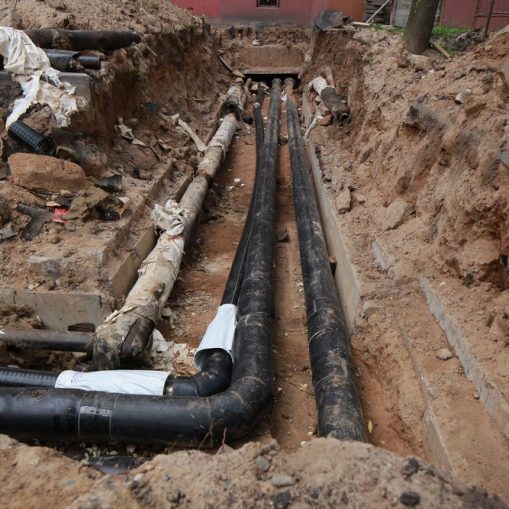
Sewer pipes come in several materials, each offering different levels of strength, durability, and resistance to corrosion or soil conditions. Th... Read More

Slow drains keep coming back after DIY fixes primarily because most DIY methods only clear a partial or surface clog, leaving the main accumulation... Read More
A rotten egg smell coming from your drain may cause concern and discomfort. You can spend days trying to find the cause, and you may mistakenly bla... Read More