
Commercial Drain Cleaning: Proven Tips to Unclog & Maintain (2025 Guide)
Commercial drain cleaning involves routine inspections, enzyme-based treatments, proper staff practices, and scheduled professional maintenance to ... Read More

Same-Day Service Available
Need a Plumber in Knoxville? We’re Ready to Help!




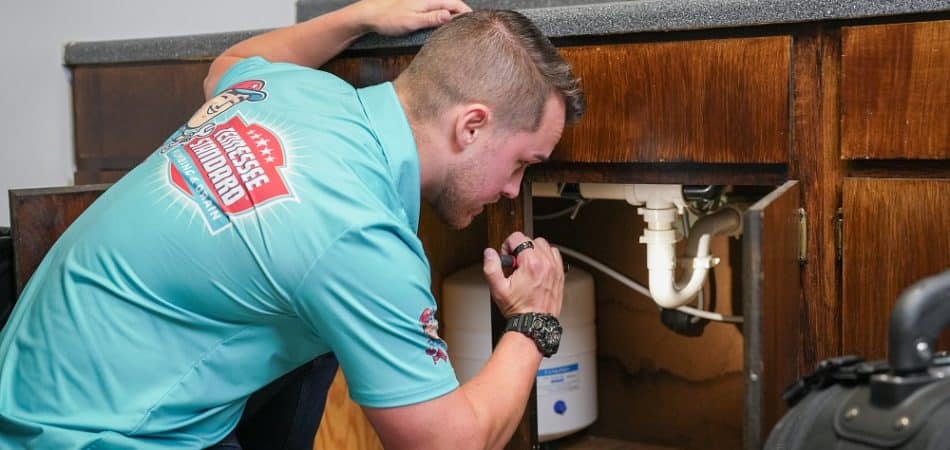
Plumbing issues frequently emerge after renovations because the process of remodeling—such as moving walls, updating fixtures, or changing floor heights—often disturbs, overstrains, or exposes weaknesses in existing, aging pipes.
Plumbing issues often appear after renovations because construction activity disturbs pipes, joints, and pressure balance throughout your home’s water system. Even renovations that don’t directly involve plumbing can trigger leaks, clogs, and pressure drops in the weeks following project completion.
If this scenario sounds familiar, you’re not alone. At Tennessee Standard Plumbing, we’ve helped thousands of Knoxville-area homeowners understand and resolve these frustrating post-renovation plumbing problems.
If you’re experiencing issues after a recent remodel, contact us today for a professional evaluation.
Plumbing problems after home renovations result from physical disturbance to pipes, changes in water pressure, and stress on aging materials. Understanding these causes helps homeowners recognize issues early and prevent costly water damage.
Your plumbing functions as an interconnected system. Behind walls and beneath floors, a network of supply lines, drain pipes, and fixtures maintains constant pressure balance. When renovation work begins anywhere in the house, that balance gets disrupted, which explains why plumbing issues surface even after kitchen or bathroom remodels that seemed unrelated to your pipes.
 Yes, construction vibration can damage pipes by loosening joints, cracking aged materials, and shifting fittings. Demolition work, heavy equipment, and even repeated foot traffic transmit force through your home’s structure into hidden plumbing infrastructure. These vibrations stress pipe connections and can turn minor weak points into active leaks.
Older homes experience more post-renovation plumbing issues because aging pipe materials are more vulnerable to construction stress. Galvanized steel pipes, common in homes built before the 1960s, corrode from the inside out as their protective zinc coating wears away.
Cast iron drain lines become brittle with age and can crack under vibration. Homes built in the 1980s and early 1990s may contain polybutylene pipes, which weaken when exposed to chlorinated water and can fail without warning. Construction activity often pushes these deteriorating materials past their breaking point.
Adding new fixtures during a renovation changes water pressure distribution throughout your entire plumbing system. New bathrooms, kitchen upgrades, and additional appliances increase demand on supply lines that may not have been designed for the added load.
This pressure imbalance causes reduced flow at existing faucets and inconsistent water delivery when multiple fixtures operate simultaneously.
The most common plumbing issues after renovations include pipe damage, improper connections, sediment disturbance, pressure changes, hidden leaks, and drainage problems. Based on our experience serving Knoxville homeowners, these six problems appear repeatedly following construction work.
 Water Pressure Imbalances: Multiple new fixtures on the same supply line change pressure distribution. Homeowners notice weaker flow at existing faucets and pressure fluctuations when running water at multiple locations.
Warning signs of plumbing damage after renovation include pressure changes, slow drains, unusual sounds, visible moisture, odors, and unexplained cost increases.
Monitor these indicators closely in the months following construction work:
Early detection prevents minor post-renovation plumbing issues from becoming major repairs. If symptoms appear within the first few months after construction, the timing strongly suggests renovation-related damage.
You can protect your plumbing during a renovation by scheduling inspections before, during, and after construction work. These proactive steps minimize damage risk and catch developing problems early.
 During Active Construction: Communicate pipe locations to your general contractor. Workers who know where plumbing runs can avoid accidental damage during demolition and framing. Require licensed plumbers for any work involving water supply or drain modifications.
East Tennessee homes vary widely in age and plumbing materials. Working with plumbers who understand regional building practices and local water conditions produces better outcomes than general contractors unfamiliar with area-specific challenges.
Call a plumber after a renovation when you notice persistent symptoms, worsening problems, or any sign of active water leakage. While temporary sediment disturbance may clear after running fixtures for several days, ongoing issues require professional diagnosis.
At Tennessee Standard Plumbing, we bring five generations of plumbing expertise to every service call. Our licensed technicians diagnose post-renovation plumbing problems accurately the first time. We stand behind our work with our “We Own It Guarantee,” so repairs we make will last.
If your recent renovation came with unexpected plumbing surprises, or if you want a professional inspection before problems develop, we’re here to help. Call us at (865) 352-9003 or schedule an appointment online to protect your home and your investment.
Plumbing problems typically appear within one to three months after a renovation. Some issues, like disturbed sediment or loose fittings, show symptoms within days, while slow leaks from damaged pipes or faulty connections may take weeks or months to produce visible water damage, stains, or mold growth.
Homeowner’s insurance typically covers sudden and accidental water damage but does not cover damage resulting from poor workmanship, gradual leaks, or lack of maintenance. If a contractor’s negligence caused plumbing damage during your renovation, the contractor’s liability insurance may be responsible. Review your policy and document all damage before filing claims.
You need a licensed plumber for most plumbing repairs in Tennessee. While general contractors oversee renovation projects, Tennessee law requires licensed plumbers to perform work on water supply lines, drain systems, and gas piping. Hiring unlicensed individuals for plumbing repairs can void warranties, violate building codes, and create liability issues if water damage occurs.
Post-renovation plumbing repair costs range from $150 for minor fixes like tightening loose connections to $5,000 or more for hidden leak repairs requiring wall demolition. Repiping damaged sections typically costs $1,500 to $4,000. Early detection significantly reduces repair costs, which is why post-renovation inspections are a worthwhile investment.
Yes, plumbing problems from renovations frequently cause mold growth. Hidden leaks create moisture behind walls and under floors, where mold can begin growing within 24 to 48 hours of water exposure. Post-renovation mold often appears near newly installed fixtures, extended pipe runs, or areas where construction disturbed existing plumbing. Musty odors after renovation warrant immediate professional inspection.
Plumbing permits are generally required in Tennessee for work involving new water lines, drain relocations, water heater installations, and gas piping modifications. Minor repairs and fixture replacements on existing lines typically do not require permits. Your local building department determines specific requirements, and licensed plumbers typically handle permit applications as part of their service.
You should turn off your water supply during renovation phases that involve opening walls near pipes, relocating fixtures, or any demolition work. Shutting off water prevents accidental flooding if workers damage pipes and reduces pressure stress on disturbed connections. Your plumber or contractor can advise which project phases require water shutoff.
Yes, renovation dust and debris frequently clog plumbing fixtures. Drywall dust, sawdust, grout particles, and construction debris enter drains during renovation and accumulate in P-traps, aerators, and toilet fill valves. Covering open drains during construction and cleaning aerator screens after project completion prevents most debris-related clogs and flow restrictions.
Ask your contractor these questions before starting a renovation: Where do existing water and drain lines run? Will licensed plumbers handle all plumbing modifications? How will pipes be protected during demolition? Are plumbing permits included? What warranty covers plumbing work? Will a pressure test verify system integrity after completion? Documenting answers protects you if disputes arise.
Locate pipes inside walls using a stud finder with metal detection mode, which identifies copper and steel pipes. For comprehensive mapping, hire a plumber to perform a camera inspection of drain lines and use electronic locating equipment for supply pipes. Many plumbers offer pre-renovation assessments that map all plumbing locations and identify potential problem areas before demolition begins.


Commercial drain cleaning involves routine inspections, enzyme-based treatments, proper staff practices, and scheduled professional maintenance to ... Read More
A leaking toilet often stems from worn components such as a damaged flush valve, deteriorated flapper, faulty wax ring, cracks in the bowl or tank,... Read More
A rotten egg smell coming from your drain may cause concern and discomfort. You can spend days trying to find the cause, and you may mistakenly bla... Read More