
Cost Breakdown Guide for Booster Pump Installation in 2025
A 2025 booster pump installation cost includes the pump itself, labor, and other components like pipes and electrical work, with the total price va... Read More

Same-Day Service Available
Need a Plumber in Knoxville? We’re Ready to Help!




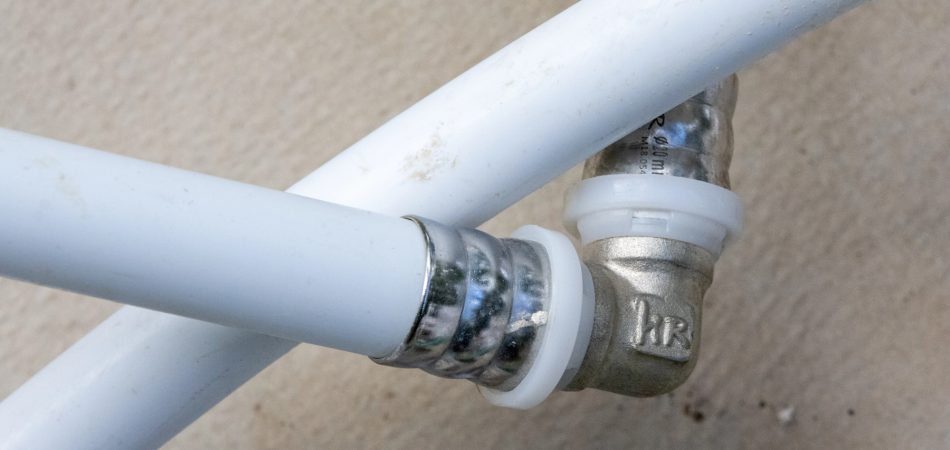
PEX pipe is more freeze-resistant than rigid pipes because it can expand when water freezes inside it. However, PEX is not immune to freezing and bursting, especially if exposed to extreme cold, prolonged freezing, or if the fittings are compromised. The best practice is to take preventative measures like insulating exposed pipes, keeping water moving, and shutting off/draining outdoor lines to protect your PEX plumbing system from cold-weather damage.
PEX pipe is a flexible pipe that moves water through your home. It bends without breaking, and this helps it stay strong when the weather gets cold. Any cold air that stresses a water line requires the pipe to be protected. Sound insulation keeps PEX warm, and simple upkeep stops minor problems from growing. These steps protect your whole plumbing system and keep your home safe during winter.
PEX stays strong when the pipe has a warm layer around it. Foam covers, heat tape, or even warm room air help keep the pipe from freezing. Cold spots in a home, like basements, attics, and outer walls, need extra care. When those spaces stay warm, the pipe stays safe. Checking these spots helps you catch loose parts, wet marks, or thin insulation before they lead to bigger trouble.
Clean pipe paths also help water move with ease. When water flows without stress, the pipe stays strong even in low temperatures. Simple habits, such as opening a sink door to let warm air reach the pipe or keeping the heat steady during freezing nights, give PEX the support it needs. These steps lower the risk of ice, keep pressure down, and protect every fitting and joint.
Good care gives a long life to a PEX system. With smart winter habits, the pipe stays smooth, steady, and leak-free. A home with insulated and well-checked PEX pipes holds up better during cold months and avoids costly trouble. This gives comfort, safety, and peace of mind all winter long. For expert help and straightforward guidance, many homeowners trust Tennessee Standard Plumbing to keep their PEX pipes safe and ready for cold weather.
PEX pipe is an easygoing plastic pipe that moves water through a home with steady flow and firm support. It bends with ease, so it fits through walls, floors, and tight corners without stress on the line. A clear understanding of PEX helps a homeowner choose safe plumbing that lasts for many years. The pipe holds value because it stays strong in cold spots, resists scale, and needs less labor during setup. It also serves as an affordable alternative to copper and PVC, since its low cost and simple use give families a budget-friendly option for safe water lines.
PEX pipe is a better choice for cold weather because it bends without breaking and handles temperature changes better than metal pipes. Its flexibility and strength allow homeowners to protect plumbing from freezing and bursting during the winter months, ensuring reliable water flow and long-lasting performance. Proper installation and insulation further enhance its effectiveness in cold climates.
The following shows why choosing PEX pipe is the more intelligent choice for cold-weather plumbing:
PEX pipes bend around corners and obstructions without cracking and thus reduce joint and fitting stress. This allows safe installation in tight spaces and prevents expansion damage in cold temperatures.
PEX pipes tolerate freezing better than copper or PVC because they expand slightly under ice pressure and return to shape without bursting. This property reduces water damage risks in unheated areas.
Unlike metal pipes, PEX does not corrode or rust over time. Corrosion resistance ensures consistent water quality and lowers maintenance needs for homeowners.
Fewer connections and flexible joints in PEX systems eliminate leak points. Proper installation keeps water contained and protects floors, walls, and ceilings from damage.
PEX pipes last for decades in everyday use. These are shock, pressure, and temperature resistant and are an ideal solution for winter and year-round plumbing needs.
For homeowners looking for professional plumbing services and winter-ready installations, Tennessee Standard Plumbing provides PEX pipe services to ensure water flow, leak prevention, and protection for your home.
Choosing the correct type of PEX pipe helps protect water lines during cold weather. Different PEX types handle freezing differently, and selecting the proper one reduces the risk of burst pipes and long-term plumbing issues. Using PEX ensures water keeps flowing even when temperatures drop.
The following shows which types of PEX pipe are most reliable in freezing climates:
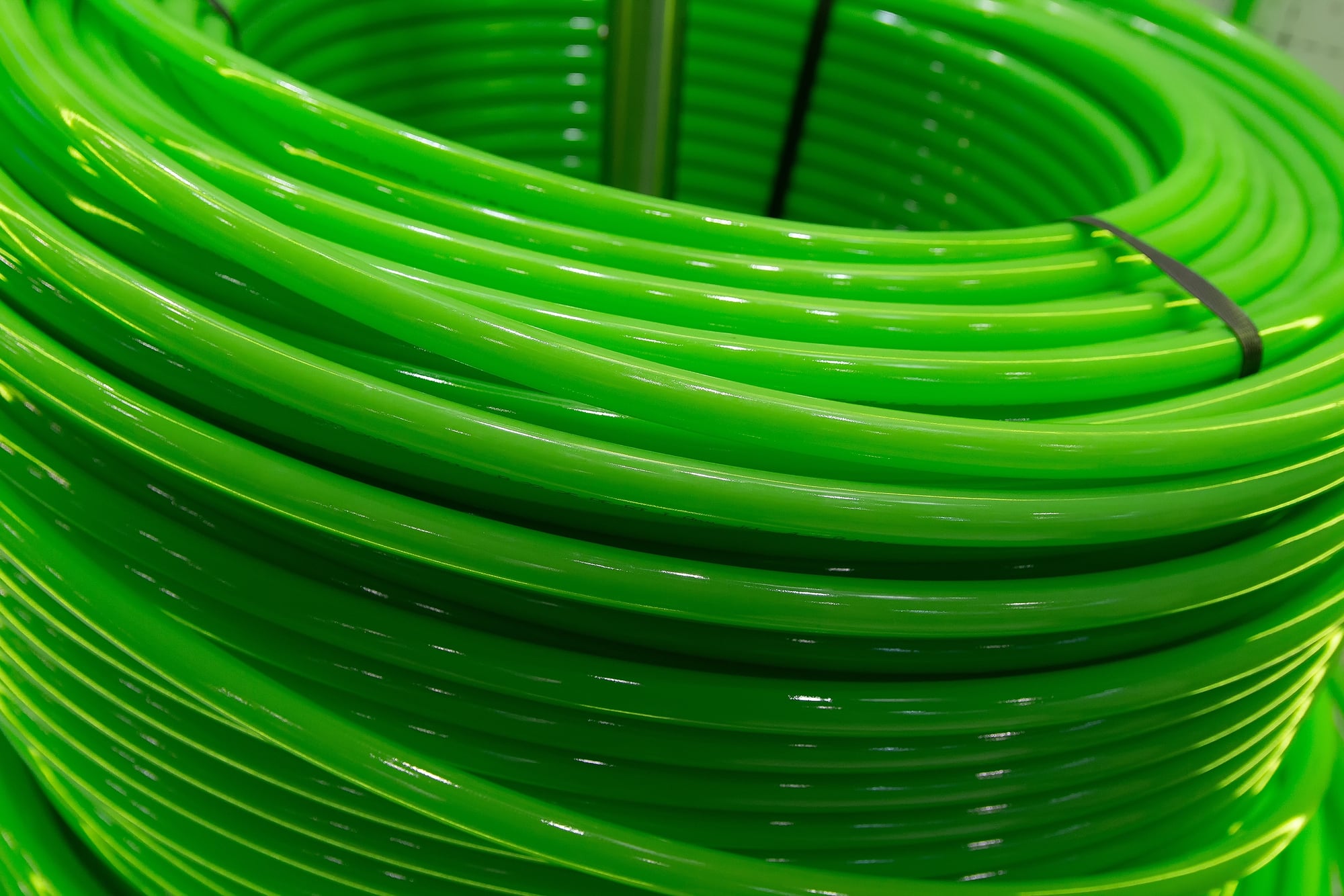 PEX-A is the most flexible type of PEX pipe. Its great flexibility lets it expand slightly when water freezes, so it is less likely to burst. PEX-A is also durable and easy to install. It is ideal for cold climates. Its resistance makes it suitable for winter plumbing protection.
PEX-B is slightly stiffer than PEX-A and is made with a different cross-linking process. It handles freezing well but is less flexible than PEX-A. PEX-B is cost-effective and reliable for indoor plumbing that sees moderate cold exposure. Its strength and chemical resistance make it suitable for standard water supply lines.
PEX-C is the least flexible of the three types but is considered the most environmentally friendly because it uses fewer chemicals in production. It works well in moderate freezing conditions if appropriately insulated. PEX-C is lightweight, durable, and used in eco-conscious plumbing projects.
Tennessee Standard Plumbing recommends selecting the correct PEX type for cold weather to prevent damage. Their experts help homeowners choose, install, and maintain PEX pipes for long-lasting, leak-free plumbing.
Protecting PEX pipes during cold months is essential to prevent them from freezing, bursting, and causing water damage. Proper winter preparation ensures reliable water flow and extends pipe lifespan. Simple steps and practical measures keep your plumbing safe even in harsh weather.
The following shows methods to protect PEX pipes from winter freeze damage:
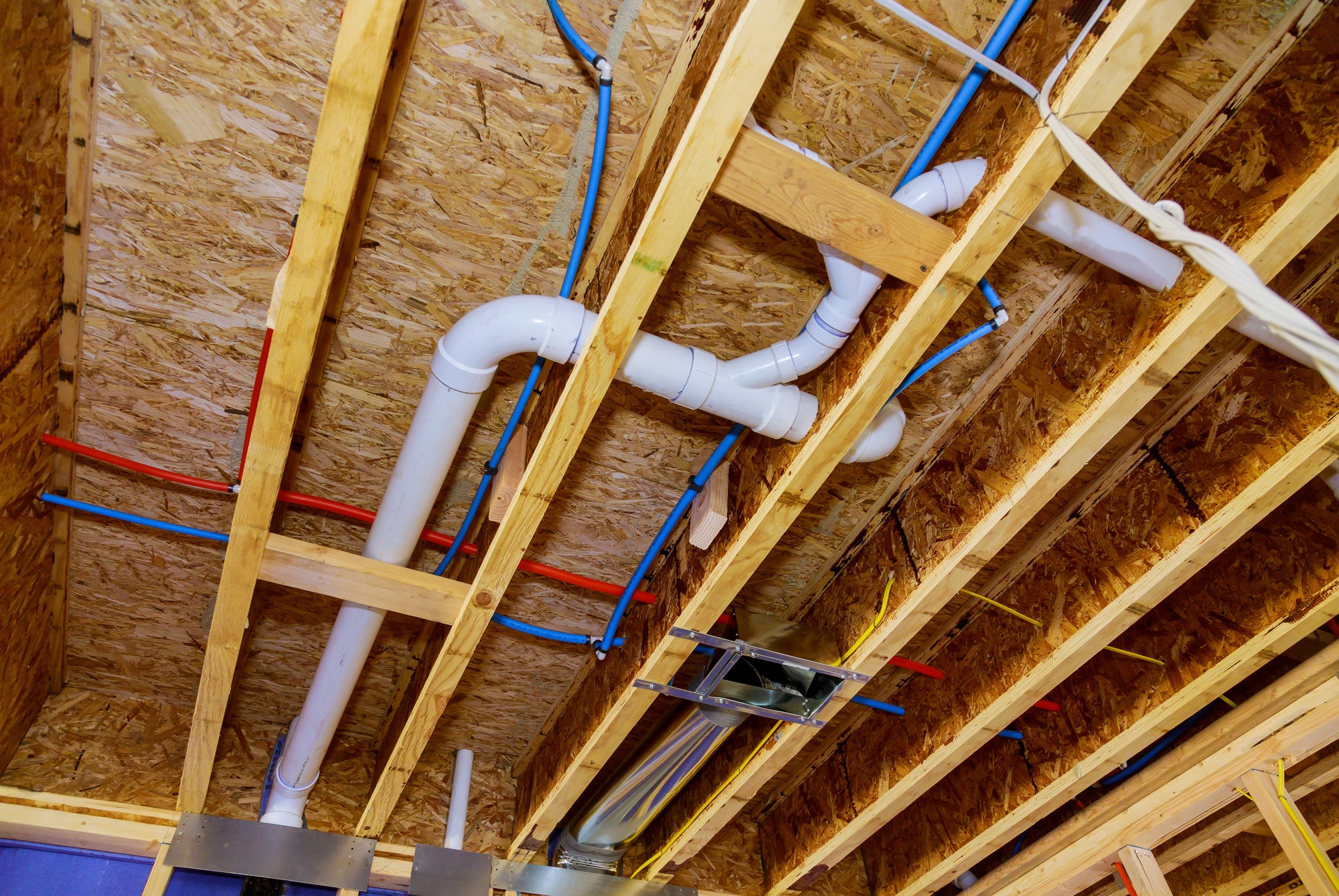 Wrap PEX pipes in foam or fiberglass insulation. This keeps water inside warm and avoids freezing in exposed areas. Proper insulation helps pipes work below zero.
Gaps around walls, windows, or doors near plumbing are closed. Stopping cold drafts from reaching pipes stops sudden temperature drops that freeze the water inside.
Leave faucets slightly open during freezing nights. A small flow prevents pressure buildup and reduces the risk of burst pipes in case ice forms.
Keep indoor areas where PEX pipes run at a steady temperature. Avoid letting rooms or basements get too cold, which protects both pipes and fixtures.
Foam covers or insulated caps cover outdoor faucets and hose bibs. Protecting exterior connections prevents freezing at weak points outside the home.
Apply UL-approved electric heat tape to exposed pipe sections. Heat tape provides direct warmth to pipes in extreme conditions without ice forming.
Move exposed PEX pipes to warmer interior spaces if possible. Relocating pipes reduces winter exposure and lowers the risk of freezing damage.
These steps ensure PEX pipes survive cold winters safely, keeping water flow steady and avoiding costly repairs.
Proper insulation protects PEX pipes by keeping water inside from freezing during cold weather. This saves you from burst pipes, leaks, and expensive water damage. Water flow remains constant in insulated pipes even at freezing temperatures. Homeowners save money and time by avoiding unexpected repairs. Isolation protects plumbing and property and provides a water supply in winter.
Key Benefits of Proper PEX Pipe Insulation are:
Insulation keeps water inside PEX pipes from freezing during frigid temperatures. This prevents pipes from cracking or bursting, avoiding leaks that damage floors, walls, or furniture.
By keeping pipes warm, water flows smoothly without blockages caused by ice. This ensures showers, sinks, and washing machines usually work even in winter.
Insulated pipes reduce the risk of water damage caused by frozen or broken pipes. Protecting your home now avoids expensive repairs later.
Avoids emergency plumbing calls and costly repairs from burst or leaking pipes. Proper insulation is a low-cost step that prevents major winter expenses.
Pipes face less stress from extreme cold when insulated. This increases the life of your PEX plumbing system and ensures reliable water delivery for years.
Tennessee Standard Plumbing recommends proper insulation as a simple, effective way to protect your home’s plumbing system during harsh winter months. Contact us today for a service consultation!
Yes, PEX pipes are safe to use in cold weather. PEX pipes are flexible and resist bursting when water inside freezes. Proper installation and insulation keep them safe in cold weather. Unlike metal pipes, PEX bends instead of cracking. Homeowners maintain a steady water flow even during freezes. Regular checks and basic protection ensure long-term reliability, preventing leaks or damage during the winter months.
Yes, hiring plumbing services in Knoxville, TN, is smart for PEX pipe insulation. Professional plumbers in Knoxville, TN, help install and insulate PEX pipes correctly. Experts ensure that pipes are wrapped, gaps are sealed, and spigots are protected. Proper insulation reduces the risk of freezing and maintains a steady water flow. It also prevents water damage and costly repairs. Hiring skilled plumbing services guarantees safety, efficiency, and long-term protection for PEX pipes during winter.
Proper insulation significantly reduces the risk of freezing, but does not always prevent it in extreme conditions. Warming means wrapping pipes, sealing gaps, and using heat tape. Insulation delays heat loss, prevents cracks, and keeps water flowing. Monitoring and maintenance are essential components of insulation to keep PEX pipes safe during the coldest months and prevent bursting pipes.
PEX pipes handle freezing temperatures better than metal because they are flexible. When water freezes inside, PEX bends instead of cracking. Metal pipes expand and burst under pressure. Flexibility enables PEX to withstand small ice formations without leaks. Combined with insulation, PEX maintains steady water flow and reduces repair risks. This makes it ideal for use in cold-weather climates.
The insulation material that works best for PEX pipes in winter is foam pipe sleeves, and fiberglass insulation is the best choice for PEX pipes in winter. They cover pipes fully, reducing heat loss and preventing freezing. Heat tape adds extra protection for exposed areas. Using the right material ensures water flows smoothly and protects plumbing from cracks. Combined with proper installation, insulation ensures PEX pipes stay safe through cold months.
Yes, whistling water pipes are a sign of poor PEX insulation. Whirling or vibrating pipes indicate gaps or loose insulation around PEX pipes. Inadequate insulation allows air and temperature changes to affect water flow and noise. Proper wrapping, sealing, and secure fittings lessen this problem. Insulation problems keep pipes quiet, prevent freezing, and prevent potential leaks or water damage in cold months.
Yes, insulation helps PEX maintain a steady water temperature longer. The insulation delays heat loss and keeps PEX pipes warmer longer. Water inside stays near the desired temperature, reducing energy waste. Insulation keeps pipes from freezing and maintains consistent flow. Well-insulated PEX pipes also reduce noise and wear and tear. Homeowners enjoy reliable water performance through winter with proper insulation.
Yes, buried PEX pipes are at risk in winter, but the risk is lower. Buried PEX pipes are insulated by the surrounding soil, which acts as a buffer against cold. Shallow or poorly covered pipes may still freeze during harsh winters. Extra insulation or deeper installation reduces freezing risk. Regular checks and winter protection strategies keep buried PEX pipes safe and maintain reliable water flow.
Yes, following the simple tips for preventing frozen pipes is helpful for PEX. Simple tips, such as insulating pipes, fixing dripping faucets, and sealing gaps, protect PEX pipes. These steps reduce the risk of freezing and prevent bursts. Combining insulation with regular monitoring keeps water flowing and prevents damage. Following simple winter precautions ensures PEX pipes last longer and homeowners avoid costly plumbing repairs.
Yes, regular checks keep insulated PEX pipes safe for years. Regular inspections ensure insulation remains intact, pipes are secure, and leaks are caught early. Checking heat tape, sleeves, and spigot connections extends pipe life. Consistent maintenance avoids freezing, cracking, and water damage. Homeowners maintain steady water flow and protect plumbing investment by inspecting insulated PEX pipes each winter.


A 2025 booster pump installation cost includes the pump itself, labor, and other components like pipes and electrical work, with the total price va... Read More
Knoxville's predominantly clay soil creates persistent pressure on underground pipes through expansion and contraction cycles, accelerating corrosi... Read More

Tankless water heaters are sized by maximum flow rate (Gallons Per Minute or GPM) and temperature rise, rather than storage capacity. A typical hom... Read More