
How to Know When It’s Time for a Main Sewer Line Replacement?
Main sewer line replacement is a critical task that homeowners may face at some point. The main sewer line is a crucial component of a home's plumb... Read More
Same-Day Service Available
Need a Plumber in Knoxville? We’re Ready to Help!




Yes, you can clear a main sewer line clog yourself, but it’s only recommended for minor clogs and requires caution to avoid further damage. For simple clogs, DIY methods like using a plunger, snake, or hot water can be effective. However, if the problem is recurring, affects multiple fixtures, or you’re unsure of the cause, it’s safest to call a professional plumber.
A main sewer line clog is a severe blockage in the primary pipe that carries all wastewater away from your home. This distressing condition causes foul odors and backup of raw sewage into your lowest drains. Main culprits for this blockage include tree roots, grease overload, and non-flushable items.
You can attempt several DIY methods to address minor blockages. These methods include using natural cleaners, such as a baking soda and vinegar mix, pouring hot water and dish soap, or physically removing the obstruction with a homeowner’s drain snake or auger. Trying these methods first saves you money. However, these tools are limited in length and power, meaning they fail to reach or break up deeper, more serious obstructions.
Recognize that major clogs, especially those caused by recurring tree roots or broken pipes, require professional service. When basic attempts fail or you see sewage backing up, you need specialized equipment. A licensed plumber uses camera inspections and high-powered hydro-jetting to permanently clear the line and fix any underlying damage. When you face stubborn issues, trust experienced companies like Tennessee Standard Plumbing for providing reliable and professional sewer line services.
When baking soda (a base) mixes with vinegar (an acid), the resulting foam gently loosens materials stuck to the pipe walls. This is a safe and natural option for breaking down minor, soft obstructions, such as grease and built-up gunk, inside your pipes.
This technique utilizes non-toxic, common household items, making it gentle on all types of pipes, a major benefit. It poses no risk of chemical damage to your plumbing system. However, this method only works on very mild clogs, such as minor grease or soft sludge. It completely fails against serious obstructions such as tree roots, hard objects, or large masses of paper.
The combination of very hot water and a strong degreasing agent, such as dish soap, works to melt and dissolve solidified oils and fats inside the pipe, allowing them to flow away with the water.
This method is extremely low-cost and safe for most standard plumbing materials. It provides an excellent solution when you suspect a grease clog in kitchen lines. The drawback is that hot water does nothing to break up physical objects, hairballs, excessive paper, or tree roots. Additionally, using aggressively boiling water damages certain polyvinyl chloride (PVC) pipe materials.
A drain snake is a mechanical tool that has a long, flexible steel cable with a crank handle and a corkscrew tip. This tool allows you to physically reach into the pipe from the cleanout. You use it to either break up the blockage or snag the material and pull it out, providing a direct assault on the clog.
Using a drain snake gives you the best chance of clearing tough physical obstructions, such as tree roots, hair, or stubborn debris, on your own. It is the most powerful mechanical DIY option available. However, mainline snakes are long and heavy, making them physically difficult and messy to handle. Additionally, using excessive force or twisting the cable incorrectly damages the inner walls of your sewer pipe.
Plunging uses a rubber tool with a handle to create a seal and force water pressure onto a blockage. This action creates a strong vacuum and pressure change, which helps dislodge clogs close to the drain opening. Use a flange plunger (the one with the extra rubber ring) for toilets and a cup plunger (the standard flat one) for sinks and tubs. This method works well for simple blockages, such as paper or minor debris.
This is the simplest, cheapest, and easiest method available for homeowners. It requires no special cleaning products and poses no risk of damaging the pipes. The limitation is that plunging only works on clogs very close to the drain opening. It completely fails to reach obstructions deep in the main sewer line, meaning you waste time trying this on a severe main line backup.
This technique uses the powerful suction of a wet/dry shop vacuum to pull the clog out from the drain opening. It works especially well on smaller, localized clogs, such as hairballs or foreign objects near the surface. Use a wet/dry model. Do not use a standard household vacuum cleaner.
A wet/dry vacuum provides a great, non-chemical way to physically remove objects or stubborn clumps of debris. It is cleaner than using a snake, since the debris goes right into the vacuum canister. The downside is that you need a powerful shop vacuum for this to work. It is also completely ineffective against deep, compacted main line clogs or tree root intrusion, which are too far away to be pulled with suction.
Enzymatic cleaners utilize non-chemical, natural bacteria and enzymes to break down organic materials, such as food particles, grease, and soap scum, within the pipes. The bacteria feed on the organic material, turning the clog into a harmless liquid that flows away. This cleaner works slowly over several hours or overnight.
The major advantage is that these cleaners are completely safe for all pipes, including septic systems. They offer a great, eco-friendly way to prevent buildup. However, enzymatic cleaners work very slowly and only address organic, fatty materials. They cannot break down paper, plastic, tree roots, or non-organic debris. For an urgent or severe main line clog, they are not a quick solution.
Use these methods as a careful, step-by-step approach to clearing clogs. Begin with the simplest option, such as plunging, before progressing to more mechanical or specialized solutions.
The common causes of main sewer line clogs include grease, tree roots, and non-flushable items. These issues restrict the flow of wastewater, leading to significant backups.
The most common causes of main sewer line clogs include:
Grease buildup happens when you pour cooking fats and oils down your kitchen sink drain. The liquid grease solidifies and sticks to the pipe walls. Over time, these sticky patches collect other debris, slowly shrinking the pipe’s opening and causing a complete block.
Modern, thick toilet paper does not always break down quickly in the water. Using a large amount creates a thick mass. This dense mass gets trapped around bends or rough spots in the sewer line, totally blocking the upward flow of wastewater.
Non-flushable items include wet wipes, paper towels, feminine hygiene products, and dental floss. These items do not dissolve like toilet paper. Flushing them guarantees a serious clog. They tangle together and form a tough, impenetrable obstruction in the main line.
Tree and shrub roots naturally seek out water sources, and sewer lines contain water and nutrients. Tiny cracks or loose joints in the pipe attract the roots. The small roots enter the pipe and grow larger inside, creating a dense, hairy mass that traps all passing waste.
Pipe corrosion occurs mostly in older metal sewer pipes. Over many years, the inside of the metal pipe rusts and flakes away. This rough, pitted surface slows down the flow of wastewater. It also gives grease and debris more places to stick, making it much easier for a blockage to form.
Foreign objects accidentally fall into a toilet or drain, especially in homes with small children. Small toys, bottle caps, or even small pieces of clothing cause an instant block. These solid items get wedged sideways in the pipe, acting as a dam that stops all sewage movement.
Sediment buildup involves the collection of dirt, silt, sand, and mineral deposits inside the sewer pipe. This issue is more common in older lines or pipes that run at a shallow angle. The heavy, gritty material settles at the bottom of the pipe, reducing the space for water to pass through and causing slow drainage.
Collapsed pipes are caused by aging materials or ground movement. Heavy pressure from the soil or movement in the foundation causes a section of the pipe to break off or collapse completely. This breakage instantly stops wastewater flow and requires professional digging for repair.
Recognize the causes of a blockage and try your best to stop them from happening. Taking quick, proper steps prevents a small drainage issue from becoming a costly, unsanitary emergency.
You can tell that your main sewer line is clogged by looking for signs such as slow drains, unusual noises, and unpleasant odors. The key warning signs of a main sewer line clog to watch for include:
Slow drainage means water drains sluggishly from several places, not just one. For example, your kitchen sink, bathtub, and toilet all drain more slowly than normal. This happens because the blockage affects the main pipe that receives waste from all the fixtures. A clog in just one sink drain only affects that single sink.
You hear gurgling sounds coming from toilets and other drains, especially after running a washing machine or flushing a toilet. The clog traps air inside the pipe. When water tries to flow past the blockage, the trapped air bubbles escape, causing a gurgling or bubbling sound. Hearing a toilet gurgle when you use the shower is a major warning sign.
Foul odors that smell like raw sewage ُ appear near drains or in the basement۔ A clear sewer line moves waste and odors away from your house. A blockage stops the flow, forcing sewer gases to escape back up through your drains and into your home. This indicates a serious sanitation issue.
You experience frequent backups even after trying to clear an individual drain. When the toilet flushes, water backs up into the shower or tub. This is the clearest sign that the main line is blocked. The water, unable to exit the main pipe, takes the path of least resistance, which is the lowest open drain in your home.
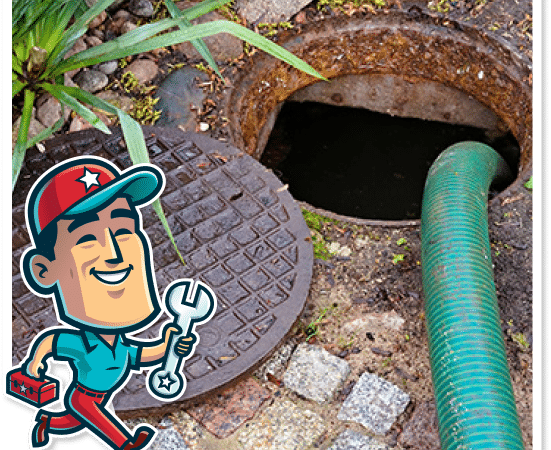
You notice water pooling in your yard near the sewer cleanout cap. The cleanout is a capped pipe sticking from the ground, typically located near your foundation. When the main line is clogged, wastewater backs up and leaks out of the cap or the surrounding area. This indicates a very full and stressed sewer line.
Sewage backup refers to wastewater overflows from the lowest drain in your house, such as a basement floor drain or a basement toilet. This happens because the clog creates a total dam in the main line. The sewage has nowhere to go and fills the pipe until it spills out of the lowest opening. This situation requires immediate professional attention.
Recognizing these specific clues right away helps you act fast and address the main line clog before disaster strikes.
The major risks of trying to clear a main line clog yourself are damaging your pipes, exposing yourself to raw sewage, and failing to fully clear the blockage. These attempts lead to more costly problems later on.
The major dangers of DIY sewer line cleaning are:
Aggressively pushing a drain snake or auger causes pipe damage. You accidentally scratch or punch a hole through an older, brittle pipe. Older cast-iron or clay pipes are especially fragile. This damage requires expensive digging and professional pipe replacement, turning a simple clog into a major structural repair.
When working on the main cleanout, you face exposure to sewage. Raw sewage contains harmful bacteria, viruses, and other pathogens that make people very sick. Splashing sewage on your skin or clothing poses a serious health risk. You also bring dangerous contaminants inside your home on your tools or clothing.
A major risk is incomplete clog removal. You poke a small hole through the blockage without truly clearing it. The drain flows slowly for a few days, giving you a false sense of security. The remaining debris quickly catches more waste, and the backup returns, worse than before, requiring another intervention.
Trying to handle a large, heavy sewer auger creates a risk of personal injury. The spinning end of the snake can whip around and cause cuts or bruises if you lose control. Sewer cleanouts are mostly located in cramped, dirty areas, which can lead to slips, falls, and muscle strains due to the difficulty of handling them.
Using high-pressure tools and harsh chemical cleaners worsens the situation. Chemicals damage your pipes and harm the plumber who eventually services the line. Forcing water and tools into a severely blocked pipe also pushes the clog deeper into the system, making it much harder for a professional to reach and remove.
DIY damage sometimes leads to voiding insurance and warranties. When your attempt to clear the clog causes a pipe to break or results in water damage, your homeowner’s insurance company refuses the claim. Furthermore, any existing plumbing and home warranty sometimes invalidates coverage if an unqualified person damages the system.
Recognize the limits of your DIY efforts to protect your home and your health. When simple methods fail, call a licensed professional immediately. Investing in expert service saves you from dangerous exposure, costly pipe repairs, and the headache of a recurring blockage.
No, it is not safe for homeowners to clear a sewer line clog themselves due to exposure to raw sewage, risk of injury from improper equipment use, and potential for worsening blockages. Specialized tools and professional sewer line services are essential to avoid costly pipe damage or replacement caused by incorrect DIY attempts.
Yes, using a plunger is effective for minor clogs in the sewer line, especially in toilets and sinks where the clog is close to the surface. However, plungers cannot clear deep and stubborn clogs in the main line. When issues persist, it signals a serious problem that eventually requires professional plumbing services.
No, drain snakes are not suitable for all sewer clogs. A handheld or manual snake is capable of removing small, shallow clogs. However, a more severe issue, such as tree root intrusion or a collapsed pipe, requires professional intervention. Using the wrong snake damages pipes and accelerates the need for sewer line replacement, making expert inspection the safer option.
The essential tools which are needed for clearing a main sewer line include a heavy-duty drain auger, sewer rods, and, in some cases, a sewer camera to identify the clog. Homeowners lack access to these specialized tools. Incorrect use causes cracks or pipe breaks, leading to costly repairs or even necessitating the replacement of the sewer line. It is recommended to call a professional plumber.
A sewer camera inspection should be used during a DIY project if you experience recurring blockages, unexplained odors, and water pooling near cleanouts. Cameras help identify issues such as cracks, corrosion, and root intrusion. Detecting such problems early prevents emergencies and determines the right solution.
No, hydro jetting cannot be performed safely by homeowners because it requires high-pressure equipment that can damage pipes or cause injury. Professional plumbers inspect pipe conditions before jetting to prevent ruptures. Incorrect DIY usage of these jets worsens clogs, breaks older pipes, and increases the likelihood of replacement sooner than expected.
The maintenance tips that can help avoid sewer clogs in the future include disposing of grease in the trash instead of down drains, flushing only toilet paper, scheduling annual sewer inspections, and trimming tree roots near pipes. Consistent maintenance reduces costly emergencies and extends pipe life, delaying the need for sewer line replacement.
The signs that indicate the sewer line needs professional attention include frequent backups, multiple slow drains at once, gurgling sounds, and foul odors around your home. Water pooling in the yard and unexplained damp spots are also red flags. Ignoring these symptoms results in severe damage and sewer line replacement. Timely action prevents costly sewer line repair and replacement.
Yes, Knoxville plumbing services can help with DIY sewer line problems by providing expert tools, thorough inspections, and long-term solutions. Local plumbers properly clear clogs, prevent them from happening again, and repair the damage done. Local plumbers also recommend whether a sewer line replacement is necessary. Choosing professionals ensures peace of mind and lasting results.


Main sewer line replacement is a critical task that homeowners may face at some point. The main sewer line is a crucial component of a home's plumb... Read More

A 2025 booster pump installation cost includes the pump itself, labor, and other components like pipes and electrical work, with the total price va... Read More
[company_name] is a licensed plumbing contractor in Knoxville, TN. We provide high-quality plumbing and repair services to the residents of the gre... Read More