
Plumbing Leak Detection Equipment: How It Works, Types, and Benefits
Plumbing leak detection equipment works by monitoring water flow, pressure, sound, or temperature to identify abnormalities that indicate a leak. C... Read More

Same-Day Service Available
Need a Plumber in Knoxville? We’re Ready to Help!




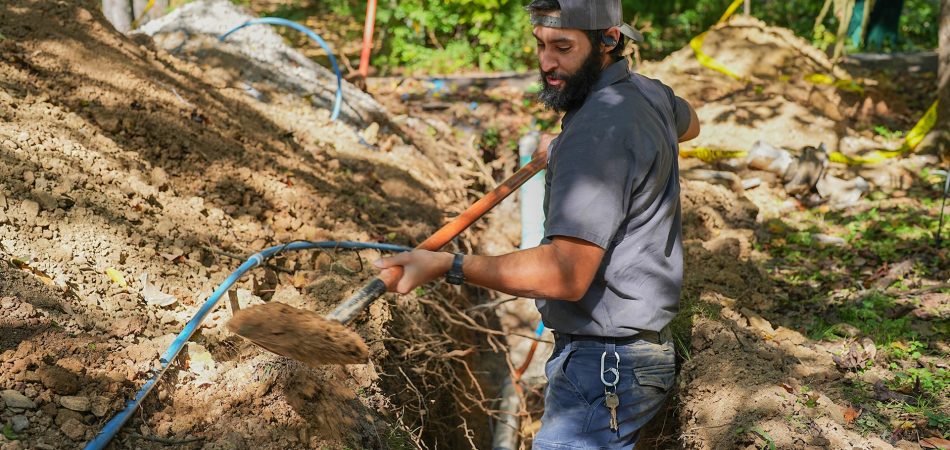
To safely and accurately locate your underground sewer line, first check property records and blueprints for existing diagrams. Then, use a pipe locator with a camera, or use a locator device with a transmitter, by feeding the device into a cleanout and tracing its signal above ground. Mark the pipe’s path as you go and call the local utility department to have public lines marked before any digging.
The underground sewer line is the main drainage pipe that carries wastewater from your house to the public sewer system or to a septic tank. This pipe is extremely important, but because it sits beneath the yard, many homeowners don’t actually know where it runs. Knowing its exact location is key to protecting your property and keeping your home safe, and if you want expert guidance right from the start, Tennessee Standard Plumbing is always ready to help you locate it safely and accurately. Contact us today!
Locating this line correctly helps you avoid digging into and damaging the pipe, which can lead to costly backups and repairs. Proper identification also prevents safety hazards by helping you avoid accidental strikes on nearby utility lines, like gas or electric.
Following a systematic approach ensures that your attempt to find your sewer line is easier, much safer, and far more accurate than guessing. Key steps include:
Finding a buried sewer line requires specific equipment. Good preparation prevents unnecessary digging and protects the pipe from damage. Gather these essential tools before you start the process.
Start with the property records. Search for official documents. These house plans, surveys, or site maps have markings indicating placements of utility lines. A quick reference in these documents provides the most reliable starting point.
These maps show the utility easement, the area where your sewer pipe legally runs. You must respect this easement location. The map also gives the approximate depth and the material of the pipe, such as PVC (Polyvinyl Chloride) or clay. Look for these maps at your local county surveyor’s office or the city planning department. This information guides your entire excavation plan.
Safety remains the single most important step before you put a shovel in the dirt. Call 811, the national “call before you dig” number. This protects you and your property.
Calling 811 triggers utility companies to send trained personnel to your property. These teams mark the location of all public underground utility lines. They mark gas, electric, water, and communication cables for free.
Wait the required number of days after calling 811 before you start any excavation. Respect the painted marks or flags left by the utility teams. Hand-dig within a safe distance (18 to 24 inches) of these public lines. Hitting a gas or electric line causes catastrophic damage and injury.
Once the public utilities are marked, you can safely locate your starting point. The sewer cleanout provides the easiest access point to the main underground line. It exists for homeowners or plumbers to clear clogs with a snake.
The cap sits flush with the ground or sticks up several inches. Cleanouts come in different materials. Look for plastic, brass, or cast iron caps. Sometimes, a metal plate or small concrete square covers an older cleanout location.
Most homes have the main cleanout located outside, near the foundation wall. You safely unscrew the cap to take a look inside. Shine a flashlight down the opening and note the angle of the pipe. This cleanout connects to the largest pipe, mostly four inches in diameter, which gives the most reliable direction for the entire sewer line.
 The cleanout’s direction tells you exactly where the pipe is heading, thus allowing you to estimate the route. Since sewer lines work by gravity, they always slope a little bit downwards, approximately a quarter of an inch per foot, so you can be sure the pipe is sloping down towards the street or septic system.
The plumber takes the path that seems more reasonable for the installation of the line. They shy away from running under a patio, driveway, or large tree. Instead, they keep the pipe on a straight shot out. Most sewer lines out in the yard are buried from 18 inches to 3 feet deep. The depth becomes greater as the pipe approaches the street connection.
By looking at the cleanout, thinking about the slope, and picturing the easiest path to the street, you can trace the general route of your sewer line.
With an estimated route, you now search for physical evidence on the surface and use a simple tool to confirm it. The ground above a buried pipe shows signs. Look for slight dips, depressions, or ridges running across the yard. This slight difference in grade signals the location of a line.
Look specifically for sunken areas where the ground settled after the original trench was backfilled. Check for a straight line of dead grass or plants. The changes in nutrients or moisture above the pipe cause this effect. Use your hands to feel the difference in soil firmness along the path before you probe.
Use your probe rod to confirm the location once you find a visual clue. Push the rod slowly and gently straight down until you feel a click or resistance. A solid, metallic sound means you hit a metal object, possibly the main water line. A dull, hollow thud suggests you found a PVC (Polyvinyl Chloride) or clay sewer pipe. Mark the exact spot with a flag every few feet to create a clear, confirmed line.
You confirmed the general path of your sewer line with flags and probing. You now need to physically locate the pipe before any major work starts. Dig small, shallow test pits along the marked line.
Use a small hand trowel or shovel to dig carefully. The sewer pipe sits relatively shallow, usually less than three feet deep in residential yards. Start digging slowly near the flags you placed. You want to expose a small section of the pipe to confirm its precise depth and location.
Digging test pits helps you avoid striking the pipe during larger excavations. Once you expose the pipe, you know exactly where to dig the main trench. Take careful measurements from the pipe to nearby fixed objects, such as a fence or foundation wall. This ensures you relocate the line easily later.
You move to high-tech tools for pinpoint accuracy if the test pit confirmation is still not precise enough. Using a sewer camera inspection gives you certainty. You insert a flexible camera into the cleanout pipe you found earlier. The camera moves through the entire length of the sewer line. The camera provides a clear video feed showing any problems inside the pipe. It shows cracks, blockages, and roots.
The camera head has a built-in transmitter. This specialized device sends out a radio signal as it moves through the line. You hold a locator receiver (a handheld electronic tool) above the ground. The receiver picks up the camera’s signal. The device tells you the exact location and depth of the camera. The method is incredibly accurate, making it best suited for identifying specific problems.
The electronic locator system and camera system work together. This way, every assumption regarding the pipe’s location is eliminated. Professionals utilize this equipment to achieve the fastest and most accurate results.
Walk slowly across the yard holding the receiver. Listen for the loudest signal tone. The strongest signal indicates that you are standing directly above the camera head inside the pipe. Mark this exact spot with a bright flag or paint. Repeat this process several times along the suspected path. You trace the pipe’s route by marking multiple points of the transmitted signal. This creates a highly accurate line that shows the entire underground path of the sewer line. This system confirms the location even under driveways or concrete.
Smoke testing provides an alternative method for locating a sewer line, particularly when other clues are insufficient. This technique requires adherence to safety precautions and the use of a specialized machine. A professional injects non-toxic smoke into the sewer line through the cleanout. The smoke fills the entire sewer system, including the main pipe and any connected vent pipes.
The smoke searches for any exit points or cracks in the system. The smoke escapes through any nearby opening. Look for smoke rising directly from the ground in a straight line. The smoke indicates the pipe’s path or, in some cases, a crack in the line. This technique requires an open sewer vent on your roof. Always hire a professional plumber for safe and effective smoke testing.
You successfully used your tools and techniques to find the sewer line. Now you finalize the location before starting any digging project. Walk the confirmed route and connect all your marking flags with brightly colored paint.
Draw a final, straight line that represents the sewer line’s exact path and confirmed depth. This final marking ensures accuracy and helps keep any excavation zone clear. The confirmed line prevents accidental damage during future projects in the vicinity of the pipe. Record all your measurements, including the pipe’s depth and distance from the house, for safekeeping. You now possess the complete, accurate information necessary for a safe excavation.
Key factors you should consider before locating your underground sewer line include safety, ownership, and ground conditions.
The main factors you keep in mind include:
The national Call 811 service connects you with utility companies. They mark public lines, such as gas, electric, and water, on your property. Hitting a utility line causes severe injury or death. This mandatory step protects you and avoids costly repairs to public infrastructure.
Find out whether your land includes a private sewer lateral or a public mainline. Property surveys reveal the difference between city-owned and privately owned pipes. Repairs on private lines are the homeowners’ responsibility, while the city addresses issues on public lines. Understanding ownership frees you from unnecessary work and confusion about the repair bill.
Assess the unique conditions of the area where the pipe runs. Be aware of obstacles such as large trees, concrete patios, or driveways. Hard surfaces require special tools for access. Soil conditions, such as rocky soil or clay soil, affect the time and effort required for probing or excavating.
Find out the depth of your sewer line based on local building codes or property records. Residential sewer lines sit between 18 inches and 3 feet deep. You avoid wasted effort and unnecessary deep digging when you know the approximate depth. The depth dictates the type of tools necessary for safe excavation.
Start gathering some estimates for prospective repair costs. Knowing the line’s location helps with planning for future maintenance and/or repair work. Knowing the material (clay, PVC) and identifying its depth gives an idea of the costs involved. Planning early helps in deciding whether you should hire a professional or not.
Locating underground sewer lines is crucial for property owners, as it ensures safety, saves money, and protects the home’s value.
The key reasons for locating underground sewer lines include:
Locating the sewer line helps you clearly identify the area. You avoid accidentally hitting the pipe or other public utilities while digging. Striking either a gas or an electric line causes catastrophic damage and severe wounds. Accurate knowledge saves you from expensive emergency repairs and keeps your property safe and secure.
Knowing the precise path of the pipe allows for routine inspections. Identifying minor problems, such as cracks or tree root intrusion, becomes easier instead of waiting for a major clog. Catching problems early allows for simple, inexpensive repairs. You prevent basement flooding and the high cost of emergency sewer line replacement.
Understanding accurate pipe locations allows you to plan your future landscaping and construction projects. You will know exactly where to build a new patio, fence, or shed. This assurance keeps you from affecting heavy structures over the sewer line directly. Proper planning guarantees easy access for future maintenance or repairs.
City and county regulations require homeowners to know the locations of their sewer laterals. Presentation of this information is a precondition for issuing permits in connection with specific projects. Compliance with these city rules also guarantees that construction meets local safety codes. It saves you from fines and delays during projects due to non-compliance.
An accurately located and maintained sewer line is a huge advantage. Potential buyers are happy to know that the utility system is in tip-top condition. A proper check allows users to correct issues that they do not realize affect the health of the home in the near future. Documented sewer line location has a positive impact on your home’s resale value.
You should hire experienced plumbers to locate your underground sewer lines because DIY methods often prove inaccurate and risky. Simple tools, such as probe rods and visual clues, only provide a rough idea of the pipe’s location. A small mistake in location leads to wasted time, unnecessary digging, and costly damage to other utilities. Professionals ensure the job is completed the first time.
Expert plumbers use advanced, specialized equipment for high-precision tracing. They insert a sewer camera inspection tool into the cleanout. This camera has a built-in transmitter that sends a signal through the pipe. Plumbers use an electronic locator above ground to pick up the signal. This means that a system gives the exact location and depth of the pipe. This accuracy ensures safety, prevents damage to electric or gas lines, and saves thousands of dollars on future repair work caused by inaccurate measurements.
For all sewer line locating services in Knoxville, go for Tennessee Standard Plumbing. The family-owned company brings decades of experience for guaranteed quality service. The crew comprises licensed and certified plumbing experts who apply the latest technology for faster and more straightforward pipe locating. The company offers fast emergency service, providing you with peace of mind whenever you need reliable assistance.
Sewer lines are usually buried 4 to 6 feet deep in yards, though depth varies by local codes, soil type, and climate. In colder regions, pipes are placed below the frost line to prevent freezing. Always check with local utility departments or building offices for the correct depth and sewer map before digging.
An electronic locator is highly accurate for finding depth and direction, often within centimeters, under optimal conditions. Factors affecting accuracy include technology, soil type, signal interference, and the operator’s skill. Electromagnetic locators are best for conductive pipes. Gyro and advanced locators provide greater precision for complex layouts. Proper training ensures reliable detection of sewer lines.
Yes, a water pipe locator can be used to locate both water and sewer lines when advanced tools, such as electromagnetic locators or ground-penetrating radar (GPR), are employed. Metallic pipes are easier to trace, while PVC or clay pipes need tracer wires or a signal transmitter. GPR is preferred for detecting non-metallic underground utilities.
Plumbers use a sewer line camera inspection to locate your sewer line by inserting a waterproof camera through a cleanout access point. The camera transmits live images while a built-in transmitter sends signals to a locator above ground. This process identifies the sewer line’s depth, direction, and condition without major excavation, saving time and reducing unnecessary digging costs.
Yes, smoke testing is effective for detecting illegal sewer line connections, as well as leaks and cross-connections. Non-toxic smoke is forced into the sewer system, and areas where smoke escapes reveal problems. This method is quick, low-cost, and widely used by municipalities to identify unauthorized connections or structural defects in underground sewer lines.
Financing options available for hiring a plumber to locate a sewer line include flexible payment plans through providers such as GoodLeap, offering instant approvals, soft credit checks, and competitive terms. This flexible financing helps homeowners spread costs over manageable installments, making professional sewer line locating services more affordable without delaying important plumbing repairs and inspections.
The warning signs that your sewer line might be damaged include pesky drain clogs, slow drainage, foul-smelling yard, and patches of bright green grass. Signs also include gurgling noises from drains, sewage backups, or wet patches in your lawn. The sooner you address these issues, the better and more affordable it is to repair them, especially for underground sewer lines.
You should choose replacement instead of repair for your underground sewer line when the pipe is severely corroded, collapsed, or has widespread cracks. Frequent clogs, tree root intrusions, and repeated repairs also indicate that replacement is a more cost-effective option. Modern trenchless methods enable replacement with minimal digging, providing a long-term solution for severely damaged sewer systems.
You can find the best plumbers for sewer line replacement & repair in Knoxville at Tennessee Standard Plumbing. Years of experience, licensing, and pricing without hidden fees deliver reliable solutions for both repairs and full replacement. The experience ensures accurate sewer line locating for modern trenchless repairs and reliable service across Tennessee.
Common challenges that plumbers face when locating sewer lines in older homes include outdated or unavailable maps, non-standard pipe materials, and lines that are buried and later shifted due to soil movement. Tree root growth and corroded pipes also obscure detection signals. To solve these problems, the plumber turns to the latest equipment available, such as cameras, locators, and ground-penetrating radar (GPR).


Plumbing leak detection equipment works by monitoring water flow, pressure, sound, or temperature to identify abnormalities that indicate a leak. C... Read More

Drain cleaning equipment ranges from simple manual tools for minor clogs to heavy-duty professional machinery for severe blockages in main sewer li... Read More

Annual backflow testing is required for Knoxville businesses primarily to protect public health by preventing contaminated water (chemicals, sewage... Read More