
10 Easy Steps to Unclog Your Outdoor Drain System Fast
To quickly unclog an outdoor drain, start by removing the cover and clearing visible debris. Next, use a high-pressure hose or a drain sn... Read More
Same-Day Service Available
Need a Plumber in Knoxville? We’re Ready to Help!




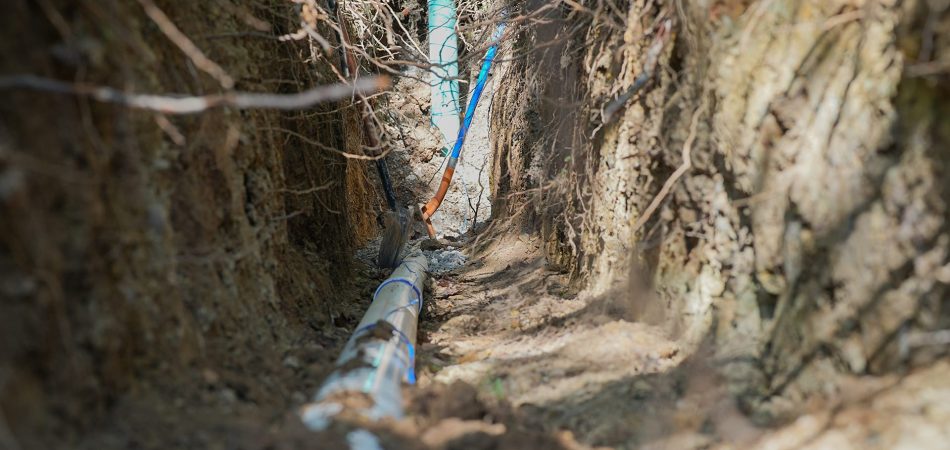
A plumber unclogs a main sewer line using specialized tools like motorized augers (drain snakes), hydro-jetting, and video cameras to locate and break up clogs. They will first inspect the line with a camera to identify the blockage and its cause, such as tree roots or buildup. Then, they use the appropriate tool, like a snake, to physically break up the clog or high-pressure water jetting to clear debris.
The main sewer line is a large pipe that carries all the wastewater from your home. Toilets, sinks, and showers let go of wastewater into this main sewer line, whose purpose is to take all types of waste to reach the main city sewer system.
A main line clog is a serious problem that happens due to the buildup of grease, hair, paper, and tree roots. A clog prevents all wastewater from draining away. This leads to severe backups, water damage, and very costly repairs. You must address a main line clog quickly.
Tennessee Standard Plumbing has highly qualified professionals who carry out expert sewer line services, ranging from the simplest problems to the most challenging, to restore smooth and reliable drainage in your home.
Get ready to equip yourself with the right tools before starting your main job. Wrong tools create bigger problems. Here is what you need:
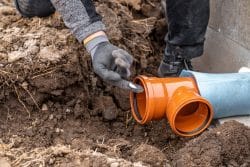 The sewer cleanout is your main access point to the sewer line. It is a capped pipe located outside your home. The cleanout is a few inches in diameter and sticks out of the ground. Look for it near the foundation of your house, often in the front or side yard.
You find two cleanouts in some homes. One leads to the main sewer line. The other leads to the city’s sewer system. Open the one closest to your house. You access the main sewer line from there.
Finding the right cleanout saves you time and effort. The cleanout plug has a square or a nut-shaped head. A special wrench, called a sewer cleanout wrench, fits perfectly. A pair of large adjustable pliers also gets the job done. Remove the plug slowly as pressure is built up inside the pipe.
Before you open the cleanout, stop the flow of water. Go to the main water supply valve for your home and turn it off. It is a large, circular handle or a lever. It is located in the basement, garage, or outside near your water meter. This prevents more water from entering your sewer system. You do not want water running from sinks, toilets, or washing machines during this process.
Turning off the water prevents a messy overflow. When you remove the cleanout plug, a large amount of water and sewage gushes out. A large backup of water inside your home is also prevented.
A dry sewer line makes your job much safer and cleaner.
Now you use the drain snake, or auger, to clear the clog. Insert the head of the snake into the cleanout. Slowly feed the cable into the pipe. You feel resistance when you reach the clog.
Push and twist the snake to break up the blockage. Continue snaking the line until you no longer feel any resistance. This ensures the line is clear. Run water through a sink to confirm the clog is gone. Make sure to clean the auger cable thoroughly after use. It is a good idea to lay down a tarp or old towels to contain the mess from the auger cable.
Now, you need to flush the line. Turn your main water supply back on slowly. Go inside your house and turn on a few faucets, like a bathtub or a sink. Run the water for a few minutes. You listen for gurgling sounds as the water flows. This helps push any leftover debris down the sewer line.
Flushing the line also confirms that your hard work paid off. The water drains quickly and smoothly if the clog is completely gone. A slow drain means you have a small blockage remaining. You need to use the auger again or consider another method. A full flush also washes away any smaller particles stuck to the sides of the pipe.
Enzyme cleaners are biological cleaners. They contain natural bacteria and enzymes. These living organisms eat away at organic waste. You pour the cleaner into a drain in your home, like a toilet or sink. The enzymes travel down to the main line. They break down grease, soap scum, hair, and other buildup.
Enzyme cleaners are safe for your pipes. They do not contain harsh chemicals like sulfuric acid. This makes them different from chemical drain cleaners. A chemical cleaner corrodes your pipes over time. The enzyme cleaner prevents future clogs. It keeps your sewer line clean and free-flowing. You find these cleaners at most hardware stores and home improvement centers.
 You completed all the steps. Now you need to confirm the line is truly clear. This is where the sewer line camera comes in handy. Send the camera down the cleanout.
Watch the live video feed on the monitor. You get a clear view of the pipe’s interior. You also see the exact location of any remaining issues.
The camera shows you the condition of your sewer line. You look for any remaining blockages and signs of damage. The camera reveals tree roots, cracks, and sagging in the pipe.
A professional plumber also offers a camera inspection service. A visual inspection provides peace of mind and helps you plan for future maintenance and repairs.
Your final step is to replace the access cap. You do not want a gaping hole in your sewer line. Clean the threads on the cleanout pipe and the cap. This prevents the cap from getting stuck later.
Make sure the cap is screwed on tightly. Use your wrench to get a secure fit. You feel a firm stop when it is tight enough.
A tight cap prevents debris and small animals from entering the pipe. It also keeps foul sewer gases from escaping into your yard. A secure cap also keeps rainwater out of the sewer system. You are now done with the job. You successfully cleared your main sewer line. Take a moment to clean your tools and store them properly for next time.
The most common causes of a clogged main sewer line include tree root growth, aging pipes, and flushed non-flushables. Understanding the cause helps you figure out the best way to fix it.
The common causes of clogging are:
Tree roots are a major problem for sewer lines. The roots naturally seek out water sources. They find small cracks and loose joints to enter your sewer pipes. The roots then grow inside the pipe.
They create a tangled mass that traps waste and blocks the flow of water. A plumber clears the clog with a special root-cutting auger. A professional removes the roots and restores the flow.
Old pipes are prone to clogs. Pipes made from clay and cast iron deteriorate over time. They crack, collapse, and sag. The rough surfaces inside old pipes also catch debris more easily. This causes a buildup of grease and waste. A plumber uses a camera inspection to see the condition of the pipes. You need to replace a severely damaged pipe.
Pouring grease and oil down the drain is a big mistake. The hot grease is a liquid. It cools down and solidifies inside the pipes. The hardened grease sticks to the pipe walls. It traps other debris, such as food particles and soap scum. A hydro-jetting machine blasts away the grease. The powerful stream of water cleans the pipe and prevents future clogs.
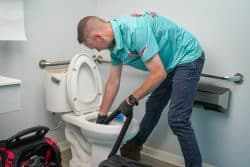 The only things you flush down a toilet are human waste and toilet paper. Items like wet wipes, paper towels, and feminine hygiene products do not break down in water.
They form a big mass in the sewer line. This mass acts like a plug. A drain snake removes these items. A sewer line camera helps a plumber locate the blockage and remove it safely.
The ground around your home constantly shifts and moves. This happens due to weather changes and nearby construction.
Soil shifting puts pressure on your sewer pipes. It causes them to crack, disconnect, and collapse. This stops the flow of water. A camera inspection reveals a break in the pipe. A broken pipe requires a professional repair or replacement.
In some cases, sewer pipe joints have a loose connection. This opens the pipe to the outside elements, and tree roots and soil enter the pipe through these openings. Not only does the loose joint change the angle of the pipe, but it also hinders normal waste flow. A professional plumber fixes the joints to restore the pipe’s integrity.
Hard water contains minerals like calcium and magnesium. These minerals build up on the inside of pipes over time. This creates a hard, chalky layer. The layer narrows the pipe’s diameter. It also makes a rough surface that traps other debris. This buildup slows the flow of water. A plumber uses a special tool or hydro-jetting to scrape the buildup from the pipes.
Sometimes the problem is not on your property. Your sewer line connects to the city’s main sewer system. A clog in the city’s system causes a backup in your home. This problem affects you and your neighbors. You contact your local municipality or a plumber. The city is responsible for fixing a clog in their part of the system.
These are not simple, do-it-yourself problems. Clogs caused by tree roots, broken pipes, and soil shifting are complex. They require special tools and expertise. You need a professional evaluation to diagnose the exact cause. An experienced plumber provides a safe and permanent solution to a clogged main sewer line.
The warning signs of a clogged main sewer line include multiple slow drains, gurgling toilet noises, and a strong sewer odor. Paying attention to these signs helps you act quickly.
The common warning signs of a clogged main sewer line are:
A slow drain in one sink and tub is a small issue. Slow drains in multiple fixtures at the same time are a different matter. Your toilet, shower, and kitchen sink drain slowly. A blockage in the main sewer line affects all the drains connected to it. The water has nowhere to go. This indicates a serious clogging problem.
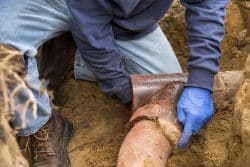
A clogged main sewer line traps air. The trapped air bubbles back up through the pipes. You hear a gurgling sound from your toilet. The sound happens when a sink and a washing machine drain.
The air tries to escape past the blockage. The gurgling sound is a key indicator of a main line issue.
You smell a foul odor coming from your drains. A main sewer line blockage prevents waste from flowing away. The waste gets stuck in your pipes. The stagnant sewage releases strong, unpleasant gases. The bad smell is a sign of a severe clog. It also means the sewer gases are escaping into your home.
Your yard has a wet, soggy patch. The ground above your sewer line is saturated with water. This happens because a crack or a break in the pipe leaks sewage.
The sewage seeps up into the soil. A soggy patch smells bad. This sign indicates a serious problem with your pipes underground.
The cleanout is a capped pipe in your yard. It gives you access to the main sewer line. A clog in the main line causes pressure to build up.
This pressure forces water and waste to back up. The sewage overflows from the cleanout. This is a sure sign of a major blockage in the main sewer line.
Water backs up into your fixtures. You use a washing machine, and water backs up into your bathtub. You flush a toilet, and water backs up into the shower. A main line clog causes this. The water has no clear path to the city sewer. It takes the path of least resistance and backs up into other drains.
You hear strange noises from your pipes. It sounds like bubbles or bubbling. The sound comes from the toilet or a drain. Air gets trapped behind the clog. When water flows, the air moves. This creates strange noises. The noises are a sign of a partial blockage in the main line.
All these signs together point to a serious main line clog. A single slow drain is one thing. Multiple slow drains, foul smells, and gurgling noises together are a different story. You have to address a main line clog early. You avoid severe water damage and costly repairs by acting quickly.
Safety measures that help keep your main sewer line unclogged are using the correct cleanout, avoiding harsh chemicals, and scheduling inspections. Prevention is key to a healthy sewer line.
The main safety measures you can take include:
The sewer cleanout is your main access point, so you must use it correctly. The cleanout is a capped pipe in your yard or basement. A cleanout is there for a reason. You do not pour anything down it. The only time you open the cleanout is to clear a clog with an auger or snake. You also use a cleanout for inspections. Misusing the cleanout causes damage. It lets roots and debris get in.
Do not use chemical drain cleaners. The harsh chemicals contain strong acids or lye. They create heat. This heat damages your pipes. It corrodes the pipe material over time. A damaged pipe is more likely to crack or break. A broken pipe leads to serious clogs and expensive repairs. Use natural enzyme cleaners instead.
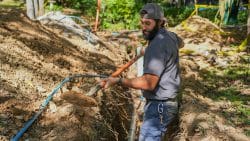 You schedule an inspection to find problems early. A plumber uses a special camera. The camera shows the inside of your pipes. You see if the roots are growing. You also see if there are cracks.
This helps you fix small issues before they become big clogs. Regular inspections save you money. You catch problems before they lead to a backup.
Tree roots are a major cause of clogs. You control root growth to prevent damage. Plant trees and large shrubs away from your sewer lines. The roots of big trees are aggressive. You also use a root-killing treatment. A professional applies the treatment. It kills the roots in the sewer line. This prevents the roots from coming back.
The only things that go down a toilet are human waste and toilet paper. You do not flush wet wipes, paper towels, or hygiene products. These items do not dissolve. They build up and create a large, solid blockage. A trash can next to the toilet is a good idea. Throw all non-flushable items in the trash.
Hair and soap scum are common causes of clogs in household drains. The hair gets tangled. It catches other debris. You use a drain strainer in your showers and sinks. The strainer catches hair and other small items. You clean the strainer regularly. This simple step keeps your drains clear. It prevents clogs from forming in the first place.
These safety steps not only reduce health risks but also extend the sewer line’s lifespan. You avoid backups and foul odors. You also save a lot of money on repairs. Prevention is the best long-term approach for a healthy main sewer line.
Consulting a professional helps unclog your main sewer line because they have the right tools and knowledge. A DIY auger from the hardware store only reaches so far. It pokes a hole in the clog but does not completely remove it.
You even push the clog deeper, which risks damaging the pipes. Pushing a snake too hard cracks a pipe. You end up with a bigger problem. DIY attempts lead to repeated clogs because the initial problem is not fully solved.
A professional plumber uses advanced equipment. A hydro-jetting machine uses a powerful stream of water. The pressure of the water is strong enough to blast away stubborn clogs, cleansing the entire inside of the pipe.
This method removes grease, sludge, and tree roots. A plumber also uses a sewer line camera. The camera determines the exact location and cause of the blockage. Camera inspection reveals hidden damage, such as cracks and sagging pipes. This allows the plumber to fix the entire problem, not just the symptom. A thorough cleaning and inspection prevent recurring clogs.
Choosing a professional prevents costly emergencies. A small clog gets bigger over time. It leads to a severe backup and water damage in your home. A professional solves the problem for good.
They provide a lasting solution. You have peace of mind. An experienced plumber also offers a warranty on their work.
A professional plumbing company, such as Tennessee Standard Plumbing, has a team of licensed and certified experts.
The team uses the latest technology to inspect, clean, and repair your main sewer line. The company is a trusted provider with an award-winning reputation, delivering reliable solutions that not only fix current problems but also prevent future issues and safeguard your home.
Yes, enzyme cleaners can unclog your main sewer line by slowly breaking down organic buildup such as grease, food particles, and soap residue. They work best as a preventive maintenance solution rather than for severe blockages. While safe and eco-friendly, they are less effective against solid objects, mineral deposits, or tree roots, where professional help is needed.
Baking soda and vinegar fail to unclog your main sewer line drains because the fizzing reaction produces only mild cleaning action and limited pressure. The baking soda and vinegar mixture cannot dissolve heavy grease, hair, or non-organic obstructions. In some cases, the reaction even hardens debris, making the blockage worse. Sewer line clogs require mechanical or professional solutions.
You can use a drain snake to unclog your main sewer line by inserting it through the cleanout access and carefully rotating the handle to push past bends and catch debris. When resistance is felt, continue rotating to break or hook the clog. Slowly retract the snake, clearing material, but if issues persist, professional-grade augers are required.
The time it takes to unclog your main sewer line is usually between one and three hours, depending on the severity of the blockage. Minor clogs clear quickly with a drain snake, while stubborn issues like root intrusion take longer or require hydro-jetting. Complex problems involve excavation, which significantly extends the repair process.
You can know if your sewer line is damaged by looking for warning signs such as frequent backups, foul odors, gurgling drains, slow toilets, or wet patches in your yard. Cracks or leaks underground also cause unusually lush grass growth in specific areas. When any of these symptoms appear, a professional camera inspection is the most reliable diagnostic method.
Yes, chemical drain cleaners can damage your main sewer line because their highly corrosive compounds generate heat that weakens PVC and metal pipes. The chemical doesn’t clear the blockage; it remains trapped inside the pipe, continuing to eat away at the lining. Over time, this can cause leaks, cracks, or complete pipe failure, further worsening the issue.
You should consider a main sewer line replacement if frequent clogs, sewage backups, and recurring leaks occur despite repeated repairs. Signs such as collapsed pipes, severe corrosion, tree root intrusion, and extensive cracks indicate replacement is necessary. A professional plumber uses camera inspections to assess damage and determine whether repair or full replacement is the best option.
You can get expert sewer line replacement and repair services in Knoxville from Tennessee Standard Plumbing, a trusted family-owned business with decades of experience. A licensed team is available for emergency services, transparent pricing, and advanced solutions using hydro-jetting and camera inspection techniques. The company serves Knoxville and the surrounding areas with reliable, customer-focused service you can depend on.
Yes, sewer cleaning near you can help prevent emergencies by clearing buildup before it becomes a major clog or backup. Regular cleaning removes grease, hair, and sediment that gradually block your main sewer line. Professional services also use cameras to spot early issues, saving you from costly repairs, flooding, and property damage in the long run.
Main sewer line services we provide in Knoxville and surrounding service areas include professional drain cleaning, hydro-jetting, camera inspections, pipe repairs, and complete replacements.
Our licensed plumbers handle everything from minor clogs to severe root intrusion or collapsed lines. With emergency availability and proven expertise, we deliver reliable solutions tailored to keep your plumbing system flowing smoothly.


To quickly unclog an outdoor drain, start by removing the cover and clearing visible debris. Next, use a high-pressure hose or a drain sn... Read More

A leaking kitchen sink can cause water damage, promote mold growth, and increase utility costs if left unattended. This guide outlines a step-by-st... Read More

Corrosion inside plumbing systems is an electrochemical process that occurs when metal pipes react with elements in the water or the surrounding en... Read More