
Why Repeated Drain Clogs Often Signal Sewer Problems
Repeated drain clogs signal deeper sewer problems because they indicate blockages in the main line, not just a single fixture, often caused by tree... Read More
Same-Day Service Available
Need a Plumber in Knoxville? We’re Ready to Help!




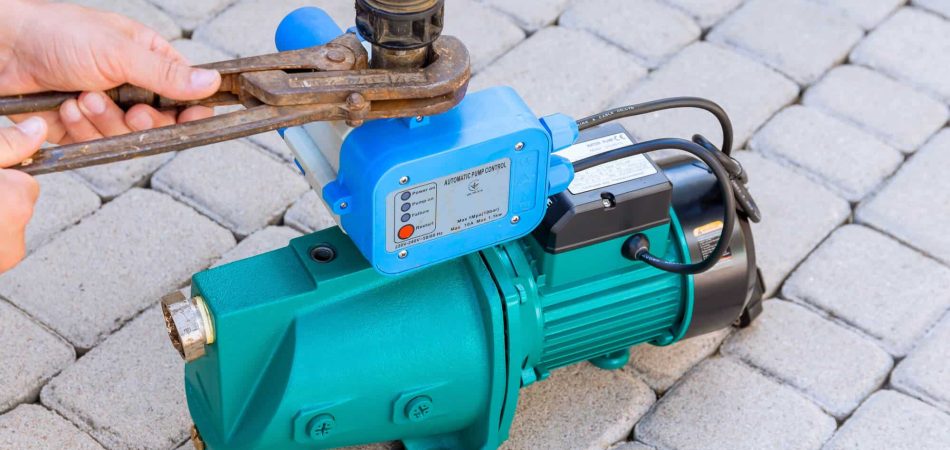
Installing a water booster pump is a reliable way to improve low water pressure at home. It involves choosing the right pump, preparing the area, making secure pipe connections, and setting up safe wiring. Proper setup helps prevent leaks and ensures steady, efficient water pressure for daily use.
A water booster pump is a plumbing device that increases water pressure and flow throughout your home, especially in areas with low water pressure that cause weak taps or slow showers. Installing one improves household comfort, appliance performance, and plumbing efficiency. Before you begin, choose a pump that matches your home’s water system capacity and pressure requirements. Correct pipe connections, electrical safety, and leak-free fittings are also essential during installation.
Choose a dry, accessible spot near the main water line, allowing enough space for maintenance and noise control.
Measure your home’s existing pressure using a gauge to determine if a booster is truly needed and to size it correctly.
Collect wrenches, pipe cutters, Teflon tape, fittings, and other necessary plumbing tools before starting work.
Shut off the main water supply to avoid leaks or spills during installation.
Open nearby taps to drain any remaining water from the system.
Check for corrosion or damage in existing pipes and replace any worn-out sections.
Ensure safe electrical access to power the booster pump, ideally through a grounded outlet.
Securely position and level the pump to minimize vibration and noise.
Follow manufacturer guidelines closely for correct connections and settings.
Use couplings for easy maintenance and future removal of the pump if needed.
After installation, test your system by gradually turning on the water and checking for leaks or abnormal sounds. Consistent water pressure means your booster pump is working perfectly. Tennessee Standard provides expert plumbing guidance and reliable installation support to help homeowners enjoy better water flow and efficient plumbing systems. Need professional help? Contact us now!
Choosing the right location for your water booster pump is the first and most important step. The pump is to be placed near the main water supply line in a dry, well-ventilated area to prevent moisture damage. Make sure the space is accessible for maintenance and that it reduces noise and vibration. Avoid tight spaces or hard-to-access places where the pump may need periodic inspection or servicing. The location should also have a level surface and an electrical outlet, if necessary for the pump. Proper positioning also extends the life of the pump and related plumbing parts.
Before installing a booster pump, check your home’s existing water pressure. You can do this by attaching a water pressure gauge to an outdoor hose bib or tap. Ideal household water pressure is 40 to 60 PSI. A booster pump will improve flow in your home when the pressure is below 40 PSI. But too low pressure may also indicate leaks or blockages that must be repaired before installation. Checking the pressure first ensures the booster pump is sized correctly and works properly when installed, without putting any more strain on your plumbing.
Get all tools and materials ready before you start installing. Pipe wrenches, Teflon tape, pipe cutters, pliers, screwdrivers, and adjustable spanners are usually needed. The right fittings, connectors, and mounting brackets will also help. Check that the pump comes with all manufacturer-recommended components. Having prepared beforehand avoids installation delays and mistakes. Wear safety gloves and eye protection too to avoid injury when working with pipes and fittings. An organized workspace helps you install your booster pump more quickly, accurately, and simply.
Shut down your main water line before installing any pumps. That helps prevent leaks, flooding, and pressure build-up during pipe disconnections. The main shut-off valve is usually near your water meter or where the main line enters your home. Once you close the valve, open a few faucets around the house to let the system release any remaining water pressure. This creates a dry and safe workspace for pump installation. Bypassing this step may result in accidental spills, property damage, or injury. A few minutes to shut off the water supply will make the installation safer.
Draining the water lines completely after shutting off the water supply is important. Open all the faucets, even the lowest points in your plumbing, to let water flow. This stops water from leaking or spraying when pipes are cut or disconnected during installation. Also, catch any remaining drips from the lines with a towel or bucket. Correctly drained pipes make fittings easier to connect and sealants easier to apply. It’s a simple but important step that helps create a dry, leak-free environment for installing your water booster pump.
Check all existing pipe fittings before connecting your water booster pump. Watch for corrosion, rust, or cracks that might cause leaks after installation. Older, worn parts should be replaced with new fittings for a tight system. The pipe ends should also be cleaned with a cloth to remove debris or mineral buildup. Pipe alignment and joint strength checks help keep water flowing when the pump is running. Good condition of all fittings will prevent leaks, pressure loss, and future plumbing problems, extending the life of your pump and making it more reliable.
Power connection planning of your booster pump is very important for safety and performance. Use short extension cords only near a grounded electrical outlet to prevent overheating or power loss. Check that the circuit is rated for the pump voltage and amperage requirements as per the manual. Use a Ground Fault Circuit Interrupter (GFCI) outlet only in moist or wet locations. A licensed electrician should do the wiring for your safety and compliance. Planning ahead keeps the power flowing, prevents faults, and lets your booster pump run quietly for years!
Your water booster pump requires a level mounting base. A non-uniform surface causes noise and vibrations in the pump components. Make sure the surface is flat and solid before installation. You can confirm base alignment with a spirit level. Attach a pump to mounting brackets or bolts as recommended by the manufacturer for extra stability. Reducing vibration makes the system quiet and extends the life of the pump and connected pipes. A stable foundation helps keep the pump running smoothly, without wear or noise.
Read the manufacturer’s installation manual before beginning installation. This contains information and safety rules specific to your pump model. Following these directions prevents mistakes and ensures the pump works properly. That generally involves wiring diagrams, recommended pipe sizes, pressure settings, and step-by-step connection details. And even experienced homeowners could benefit from reviewing it, as some models require special setup. Understanding this manual before pump installation will prevent future problems and system failures.
All water booster pump installations require union couplings. These permit the pump to be connected and disconnected without cutting pipes. When installing, clean the couplings, center them, and seal them with Teflon tape or thread sealant to prevent leaks. They simplify future maintenance and make pump replacement or servicing much quicker. Tighten them firmly but not too tightly, as this will damage threads or cause leaks. Using union couplings ensures a secure installation and the flexibility for easy, long-term maintenance of your plumbing system.
The mistakes you should avoid when installing a water booster pump are simple but can lead to serious issues if ignored. Many homeowners rush the process or skip important steps, which results in leaks, loud noises, or low water pressure. A carefully planned installation ensures your system runs smoothly and efficiently for years.
One of the most common mistakes is picking a pump that’s not the right size for your home. A pump that’s too small won’t increase water pressure enough, while an oversized one can use too much power and wear out faster. It’s best to check your home’s water flow needs or ask a plumber before buying.
The check valve keeps water from flowing backward into the system. If you forget to install it, the water pressure can drop suddenly, damaging the pump. Always include a check valve to maintain smooth and steady pressure.
The wrong position of the pump near heat sources, in damp places, or on uneven flooring may cause vibration, noise, and premature wear. Install the pump in a dry, flat area and make it easy to access for maintenance.
Leaks often happen when connections aren’t sealed tightly or when the wrong-sized fittings are used. Always use Teflon tape or the correct sealing method for joints. This keeps your system leak-free and running smoothly.
Electrical mistakes can be dangerous. Using the wrong wire size, omitting grounding, or failing to follow the pump’s wiring diagram can cause short circuits or even electric shocks. If you’re unsure, always get help from a licensed electrician.
By avoiding these mistakes, you’ll keep your water booster pump working safely and efficiently for years. Proper installation means better water flow, less maintenance, and peace of mind knowing your home’s plumbing is in good shape.
You ensure your installed water booster pump runs efficiently by following regular maintenance and care steps. These steps help the pump last longer, use less energy, and work without interruptions. A well-maintained booster pump provides steady water pressure and prevents costly repairs or sudden breakdowns.
Look over the pump, pipes, and connections for any water drips or moisture. Even tiny leaks can reduce water pressure and cause water waste over time. Fixing them early keeps the system working smoothly and protects your home or equipment from possible water damage.
Make sure all the moving parts of the pump are well-oiled. This helps them move smoothly and quietly. Good lubrication also stops the parts from wearing out quickly, so your pump lasts longer and needs fewer repairs.
Dust, sand, or other particles can block the intake filters. Clean them regularly to allow clear water flow and prevent the pump from working harder than needed. Clean filters also protect the internal components from unnecessary stress.
Check all power cables and electrical components to ensure they are tight and in good condition. Loose or broken wires can prevent the pump from working or pose safety risks. Regular electrical checks help your pump run safely, use less energy, and last longer.
Keep an eye on the pressure gauge to make sure your system is performing as expected. If you notice pressure drops or sudden changes, it may signal a problem. Regular monitoring helps you catch issues early and keep the pump performing at its best.
Expert water booster pump installation is better than DIY because it ensures everything is done safely and correctly the first time. Professional plumbers know how to size the system, connect pipes without leaks, and work safely with electrical wiring.
And they follow building codes and safety rules that DIY work may overlook. Your pump will run more efficiently, last longer, and deliver consistent water pressure with expert installation. That saves time, money, and stress later on.
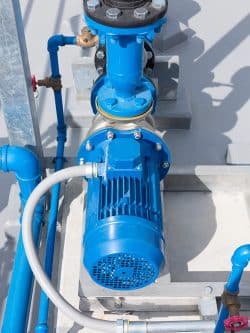
Professionals know how to select the right pump size for your home’s water system. The correct size prevents overworking or underperforming, ensuring consistent water pressure throughout your house.
Licensed experts follow all electrical safety codes. This prevents short circuits, shocks, or pump failures that can happen with improper DIY wiring.
Every connection and fitting is sealed correctly by professionals, preventing water leaks that could lead to wasted water or property damage.
Professional installation keeps your manufacturer’s warranty valid, protecting you from repair costs in case of future issues.
A correctly installed booster pump runs smoothly, uses less energy, and requires fewer repairs, saving time and money in the long run.
For reliable installation and long-lasting performance, trust Tennessee Standard Plumbing in Knoxville, your local experts in professional water booster pump solutions.
The pipe size you should use when installing a water booster pump depends on your home’s plumbing system and water demand. Generally, 1-inch pipes are ideal for most residential systems because they maintain good flow and prevent pressure drops. Using pipes that are too small can restrict water movement and reduce the pump’s overall efficiency.
Yes, a check valve is essential when installing a water booster pump. It prevents water from flowing backward into the supply line when the pump stops. Without a check valve, pressure can drop, air may enter the system, and the pump could suffer damage or need frequent repairs due to reverse flow.
Before installing a water booster pump, the inlet pressure should be at least 20 psi to ensure the system functions properly. If the inlet pressure is too low, the pump may struggle to build sufficient pressure or even run dry. Checking the inlet pressure beforehand ensures reliable water flow and consistent performance.
You set the pressure switch based on your desired water pressure range. Most systems are adjusted between 30 psi (cut-in) and 50 psi (cut-out). Use a pressure gauge to fine-tune these levels. Setting the switch too high can strain the pump and pipes, while a setting that’s too low can cause low water pressure throughout your home.
No, you should not install a water booster pump without a dedicated electrical circuit. Pumps need an uninterrupted power source. Sharing the circuit with other appliances can cause overloads, tripped breakers, or damage to the pump’s motor. A dedicated circuit provides proper power delivery and long-term performance.
Commercial plumbing services professionals improve booster pump installations by designing efficient layouts, selecting the right pump size, and ensuring compliance with building codes. They use advanced tools to balance pressure across multiple floors and prevent leaks or vibration issues. Their expertise helps extend equipment life, reduce energy use, and maintain steady water pressure throughout large buildings.
Yes, you can install a booster pump for a shower to increase low water pressure. A small shower booster pump boosts the flow rate and ensures a steady, powerful stream even when multiple taps are in use. However, it must be correctly matched to your plumbing system to avoid excessive pressure that could damage fittings or pipes.
A professional water booster pump installation usually takes around 2 to 4 hours, depending on your plumbing setup and location. Complex systems or additional wiring may slightly extend the time. Professionals work efficiently to connect plumbing, wiring, and fittings correctly, ensuring your system runs smoothly and safely without leaks or performance issues.
Yes, in most areas, you need a plumbing or electrical permit to install a water booster pump. Permits guarantee compliance with local safety and building codes during installation. Licensed plumbers handle the paperwork and inspections, so your setup is legal and safe, with no fines or compliance issues.
Yes, installing a pre-filter before your water booster pump is highly recommended. It removes dirt, sand, and debris from incoming water, preventing clogs and internal pump damage. A clean water supply improves efficiency, reduces wear on moving parts, and extends the lifespan of your booster pump, ensuring long-term, reliable operation.
You should service your booster pump every 6 to 12 months. Maintenance includes checking for leaks, cleaning filters, lubricating parts, and testing pressure levels. Routine servicing catches small problems early, prevents breakdowns, and maintains constant water pressure in your plumbing system.
Emergency plumbing services can quickly fix booster pump issues by diagnosing the problem on-site and performing immediate repairs or component replacements. Emergency plumbers come prepared with the right tools and parts to handle leaks, wiring faults, or pressure problems. Their quick response helps restore your pump’s performance fast, reduce water downtime, and prevent further damage to your system.


Repeated drain clogs signal deeper sewer problems because they indicate blockages in the main line, not just a single fixture, often caused by tree... Read More

Most of us take clean water for granted. But you may be surprised to know that your water is not as clean as you think it is! Without having a pers... Read More

Annual backflow testing is required for Knoxville businesses primarily to protect public health by preventing contaminated water (chemicals, sewage... Read More