
What Type of PVC Pipes Are Best for Sewer Lines?
For sewer lines, Schedule 40 PVC is a common and durable choice for residential projects, while SDR35 is a cost-effective alternative suitable for ... Read More

Same-Day Service Available
Need a Plumber in Knoxville? We’re Ready to Help!




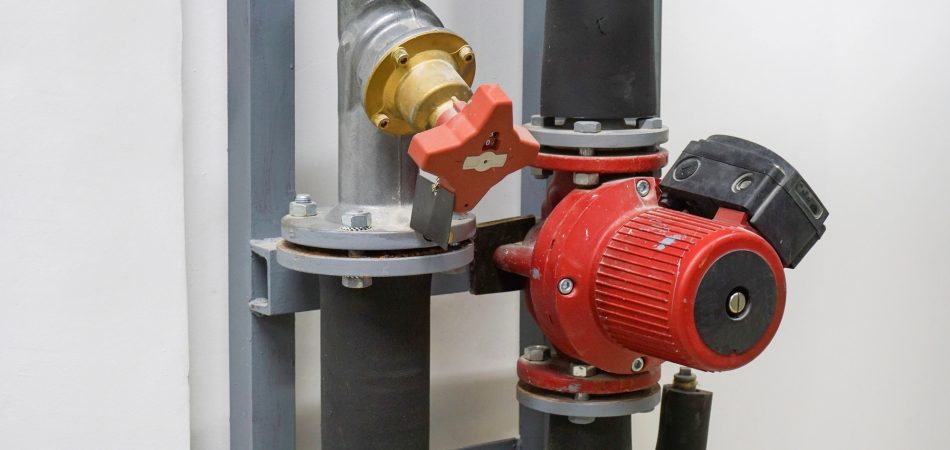
A hot water circulating pump delivers instant hot water, reduces waste, and boosts efficiency. This guide shows homeowners how to install, maintain, and optimize their pump for reliable, long-lasting performance.
A hot water recirculation pump is a device installed on your home’s water heater or piping that solves a common problem: waiting for hot water. This small pump constantly moves water through your hot water lines. It sends cooled water back to the water heater for reheating, ensuring hot water is always readily available at your faucets. This system eliminates the wait time and prevents thousands of gallons of clean, cold water from going unused down the drain.
Learn common mistakes to avoid, such as incorrect sizing and missing insulation, which reduce efficiency. Regular maintenance, such as flushing the system and adjusting the timer, keeps the pump working perfectly for years. In the end, this installation enhances home comfort by giving you back time and convenience. When you need expert help with complex installations or troubleshooting, rely on the licensed professionals at Tennessee Standard Plumbing & Drain to ensure your system runs perfectly from day one.
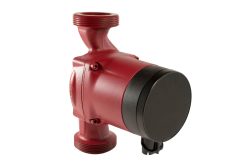
Before starting any big plumbing job, gather your tools. You need the hot water circulation pump kit. This kit includes the main pump and a crossover valve (a special fitting with a temperature sensor) that installs under the sink farthest from your water heater.
The small fitting temporarily connects your hot and cold water lines at the farthest point. The valve has a sensor; it opens when the water in the hot line cools, allowing the pump to push that cool water back into the cold line and for the hot water tank to be reheated. When the hot water arrives, the valve closes, preventing hot water from running into the freezing line.
Also, gather a pipe wrench (an adjustable wrench works, too), a bucket to catch drips, and plenty of clean towels. You also need a fresh roll of plumber’s tape (officially called PTFE tape) and a simple flat-head screwdriver.
Safety comes first when working with water and electricity. Start by completely turning off the power that runs to your water heater. Go to your home’s main electrical panel, the breaker box. Find the circuit breaker labeled “water heater” and flip it to the “off” position. This step removes all electrical danger from the area you work in.
Next, shut off the water flow. Find the main water valve for your house or the specific shut-off valve located near the water heater. Turn the valve clockwise until it cannot be turned any further. Shutting this valve stops water from entering the water heater and prevents a massive flood once you start disconnecting the pipes. Double-check that both the power and the water are definitely off before touching any pipes.
You shut off the main water supply, but the hot-water pipe remains full and pressurized. You release this water and pressure before you try to disconnect anything. Water sprays out when you loosen the pipe if you skip this.
Look at the top of your water heater. You see two pipes coming out: one brings in cold water, and the other sends hot water to your house. You are working on the hot water pipe. Place your bucket directly under the spot where that hot water pipe connects to the water heater tank.
Now, go to the sink or tub closest to the heater and turn on the hot water faucet. Let the water run for about 30 seconds. You hear air and pressure escaping from the system. The remaining water in the pipe runs into your bucket, making the next step safe. Once the flow stops, turn the faucet off. You are now ready to disconnect the pipe safely.
It is time to separate the existing hot water line from the top of the water heater. Use your pipe wrench or adjustable wrench to grip the large nut that connects the hot water supply pipe to the top fitting on the tank. Remember to turn the nut counterclockwise to loosen the connection.
Keep a steady hold on the pipe with one hand to stop it from twisting or damaging the other fittings. Once the connection is loose, gently lift and move the pipe out of the way. More water drips out at this point, so have those towels ready. You now have an open, threaded metal port on the top of the water heater, ready for the pump assembly.
The pump assembly connects directly to the open hot water port on top of your water heater. This is the spot where the old hot water pipe used to connect. You install the parts in order.
First, take the special fitting provided in your kit, which looks like the letter T and is called a T-connector. Screw this T-connector directly into the water heater’s port. This fitting gives you two new connections: one spot to screw the pump onto and one spot to reconnect the hot water pipe that goes to your house.
Next, attach the main pump motor to the T-connector. The pump’s job is to push water, so you install it facing the right direction. Look closely at the pump’s casing. You see a small arrow stamped on the outside. This is the flow arrow. Position the pump so that this arrow points away from the water heater and toward your home’s pipes. This setup ensures the pump pushes the hot water out of the tank and into the house, which is exactly what you want it to do. Finally, use your wrench to tighten the pump and fittings until they feel completely snug.
Use plumber’s tape, or PTFE tape, on every threaded connection you make. This simple, inexpensive material prevents leaks by filling the tiny gaps in the pipe threads. Take the tape and wrap it around the threads of any pipe that screws into a fitting.
You wrap the tape clockwise, in the same direction you turn the pipe to tighten it. Three to five wraps of tape on the threads provide a perfect, waterproof seal. Wrapping in the correct direction prevents the tape from peeling off or bunching up when you turn the pipe. This step is a small effort that prevents a big problem later.
You have the pump assembly attached to the water heater. Now, you need to reconnect the main hot water pipe that runs into your house. This pipe connects to the pump assembly’s open side, the side where the flow arrow on the pump points.
First, apply fresh plumber’s tape (PTFE tape) to the threads of that pipe. Carefully line the pipe up with the pump connection. Start turning the pipe by hand to tighten it, making sure it screws in smoothly without forcing it.
Next, use your pipe wrench to finish tightening the connection until it is snug and secure. This finishes the plumbing installation right at the water heater. The hot water now flows from the tank, passes directly through the new circulation pump, and continues into your home’s hot water pipes.
It is time to bring the system back and check your work. Slowly turn the water supply valve back on by turning it counterclockwise. Listen for the sound of water rushing back into the pipes.
Keep a sharp eye on all the pipe connections and fittings you just worked on. Look for any immediate drips or signs of moisture.
A small leak means you need to tighten that specific connection a little more. Shut the water off, give the connection a quarter turn with your wrench if you find a leak, then turn the water back on to check again. You cannot move forward until all connections are bone-dry.
The final physical installation step is electrical. Plug the pump’s power cord directly into a nearby grounded wall outlet. Always use a Ground-Fault Circuit Interrupter (GFCI) outlet for extra safety near water.
Your pump unit includes a timer. This is an important energy-saving feature. You do not want the pump running all day and night, constantly reheating the water in the pipes. Set the timer to run only during your household’s peak hot water usage times, like early morning for showers and late afternoon for dinner prep. This way, you save energy while still getting near-instant hot water when you need it most.
Now you restore the final power. Go back to the breaker box and flip the water heater switch back to the “on” position. Wait about ten minutes for the pump to kick on for its first scheduled cycle. You hear a low, gentle hum when the pump runs.
Walk to the faucet farthest from the water heater. This is the spot that took the longest to get hot water before. Turn on the hot water tap and time it. Your circulation pump has been successfully installed if the hot water arrives in just a few seconds. Your system is working perfectly.
Homeowners should install a hot-water recirculation pump to eliminate the long wait for hot water and reduce wasted cold water down the drain. It pays for itself over time by saving water and improving your home’s energy use.
A recirculation pump ensures hot water arrives right away, eliminating the wait. The pump constantly moves the hot water through your pipes, creating a “hot water loop.” Water that cools in the pipes is pumped back to the water heater for reheating, so hot water is always near your taps. This convenience means you start your shower or wash your dishes without delay.
Many homes waste gallons of clean water every day while waiting for the hot water to reach the faucet. The recirculation pump eliminates this waste, so you no longer have to run the tap just to warm up the line. The pump returns the cooled water to the tank rather than sending it to the sewer. Cutting this waste saves a family hundreds, sometimes thousands, of gallons of water yearly, which is great for the environment and your budget.
A hot water recirculation pump helps you save energy when used with a proper timer. You set the pump to run only during your family’s peak usage times. During those times, the water heater runs more efficiently because the water it heats is already slightly warm from the loop. This targeted operation helps reduce the total energy needed to keep your hot water available.
Recirculation systems reduce the daily stress on your home’s plumbing. Without a pump, pipes constantly expand and contract as they heat up and cool down during the long wait times. The pump maintains a more consistent, warm temperature inside the hot water lines. This temperature stability reduces stress on pipe joints, seals, and faucet parts, which extends the life of your plumbing system.
The main goal of this upgrade is to save money on two fronts: water bills and energy bills. The water savings from not running the tap until the heat arrives immediately lower your monthly water bill. By running the pump only during peak demand with a timer, you reduce the time your water heater must work hard. Over the years, these combined savings make the recirculation pump a smart, long-term financial choice for your home.
A hot water recirculation pump is a practical investment in efficiency and convenience. It ends the annoying wait for hot water and conserves a valuable resource every time you turn on a tap.
Common mistakes to avoid during recirculation pump installation include technical oversights such as choosing the wrong equipment or ignoring crucial plumbing details.
The pump’s size refers to its ability to move water effectively through your specific pipe network. A pump that is too small cannot push the water fast enough or far enough to reach the furthest faucet, meaning you still have to wait for hot water. To avoid this, always check the pump’s instructions for a head loss chart. The chart matches the pump’s power to the length and size of your home’s pipes.
The placement of the pump and the crossover valve matters greatly. The pump has to be attached directly to the hot water outlet on the water heater for a tank-based system. Installing the pump in a different location makes the entire system inefficient. Install the crossover valve under the sink farthest from the water heater. It ensures the system circulates hot water through all the home’s lines.
A check valve is a plumbing device that allows water to flow in only one direction. Ignoring these valves causes the system to fail by pushing hot water into your cold water lines. You need a check valve to prevent unwanted cross-flow. The pump kit includes a check valve, sometimes built into the unit. Ensure it is aligned with the manufacturer’s flow arrows.
Insulation prevents heat loss. A recirculation pump constantly moves hot water through your pipes, and uninsulated pipes quickly lose that heat to the air. This heat loss forces the water heater to turn on more frequently, defeating the purpose of energy efficiency. Wrap all accessible hot-water lines with foam pipe insulation immediately after installation is complete.
Air pockets, known as air locks, stop your pump from moving water smoothly. Airlocks cause the pump to work harder, make loud noises, or prevent the hot water from reaching your faucet quickly. Properly purge the system of air after installation. Purging means opening the faucet farthest from the pump and letting the water run until all bubbling and spitting noises stop.
Taking a few extra minutes to check the pump size, confirm the valves are correctly placed, and properly insulate the pipes avoids major headaches later. Following the manufacturer’s instructions ensures you get the instant hot water and efficiency you expect from your new system.
You should maintain your water recirculation pump by routinely checking for leaks, flushing the pipes to remove mineral buildup, and making sure the timer settings are optimized for your family’s needs. Simple maintenance habits keep your system efficient.
Visual inspection involves examining the pump and surrounding pipes for potential problems. A glance helps to check all connections around the pump and the water heater. You look for any signs of dripping, rust, or corrosion that indicate a potential leak. The earlier a small leak is found, the less water damage there is.
Flushing the system removes mineral buildup and sediment that naturally collect in your pipes and water heater. Over time, hard water deposits, especially calcium, reduce flow and strain the pump. Consult your water heater manual for the specific flushing procedure, which normally involves draining and refilling the tank. This yearly maintenance keeps your water clean and your pump running efficiently.
Professional inspection involves a licensed plumber checking the system’s performance and internal components. A professional verifies that the internal check valve works correctly. So be sure to have this thorough examination done every 2 or 3 years. An experienced eye spots potential problems and ensures the entire circulation loop operates at optimal efficiency.
A timer on the pump controls when the system runs and uses power. Your schedule is likely to change during the year, so be sure to check the timer settings seasonally. Make sure the pump runs only when your family needs hot water. Optimizing the timer reduces wasted electricity and prevents unnecessary heat loss from the pipes.
Many circulation pumps have a small inlet screen or filter at the point where water enters the pump. This screen catches debris and sediment, protecting the pump’s motor, but it tends to clog over time. Refer to your pump’s manual for instructions on safely removing and cleaning this screen. A clean screen ensures maximum water flow, helping protect the pump from overheating or early failure.
Regular, easy maintenance is the best way to protect your investment in the hot water recirculation pump. Keeping the system clean and calibrated means you enjoy instant hot water and lower bills for much longer.
Installing a recirculation pump enhances your home’s comfort by eliminating the frustrating delays and reducing wasted resources, making your daily routines smoother and your plumbing system smarter. Efficient hot water access matters deeply in a home. It immediately transforms a simple action like running a bath or washing dishes from a daily annoyance into a pleasant, instant convenience.
The core function of the recirculation pump is to maintain a continuous hot-water loop throughout your pipes. This system constantly moves warm water from the tank to the farthest fixtures and cycles the cooled water back for reheating. This simple engineering solution ensures hot water is instantaneously available at every single tap. You gain back precious time you previously spent waiting, and you eliminate the guilt of pouring gallons of clean water down the drain every morning.
When installed properly, a recirculation pump not only provides long-term comfort but also boosts the system’s performance. By circulating hot water, the system avoids the thermal cycling (extreme temperature fluctuations) experienced by hot-water pipes. This temperature balancing thus puts less stress on all joints, seals, and fixtures in the pipe system. This support enhances the efficiency and longevity of the plumbing infrastructure, ensuring your pipes and faucets last longer.
You enjoy the convenience and efficiency of a professional installation. Tennessee Standard Plumbing & Drain offers expert plumbing services in Knoxville with licensed experts who guarantee perfect results. The experts provide flexible pricing options, making this smart home upgrade accessible for everyone. Trust the professionals to enhance your home’s comfort. Contact us now and discuss your options today.
Yes, a recirculation pump is worth adding to your hot water system because it provides instant hot water at every tap. It eliminates long wait times and saves water that otherwise runs down the drain. This convenience improves daily comfort, especially in larger homes. The reduced water waste and time saved offset the energy cost of running the pump.
No, recirculation pumps are not easy for homeowners to install safely because the work involves interacting with both electricity and pressurized plumbing. You have to correctly connect fittings, handle high temperatures, and ensure proper electrical grounding. Mistakes cause leaks, water damage, or electrical hazards. While some kits are designed for DIY, hiring a licensed professional ensures the work meets all codes and operates reliably.
Yes, Knoxville plumbing services are reliable for improving hot water systems, especially for complex installations like recirculation pumps. Local, licensed plumbers understand regional building codes and water quality issues that affect pump longevity. Using professional Knoxville plumbing services guarantees the pump is correctly sized and installed with the necessary valves for efficient working.
The type of recirculation pump best for small homes is an on-demand “comfort system” with a timer, preferably with temperature sensors or a push-button activator. Such a setup uses a small pump and a crossover valve that feeds the farthest fixture. There is no need for a dedicated return line, so the installation is simple and minimally invasive.
No, not all water heaters support recirculation pump installation, especially older or tankless models without built-in ports. Traditional tank-style heaters are usually compatible. A few tankless installations need modified check valves and precise installations to work correctly. Always check the manufacturer’s water heater manual before purchasing a pump. Ensure its operation meets any compatibility and warranty requirements.
Yes, hot-water hacks are helpful when installing a recirculation pump, but do not rely on them entirely. Hacks like thoroughly insulating your hot water pipes with foam sleeves boost the pump’s efficiency by reducing heat loss, so it runs less often. Other beneficial hot water hacks include adding a smart plug to your pump for demand-based activation. Always prioritize proper installation over shortcuts.
Yes, installing a hot water recirculating pump significantly reduces water waste in daily use. Without a pump, you waste gallons of cold water while the hot water travels from the heater to the faucet. The pump keeps the hot water right near the tap. It sends the cooled water back to the water heater instead of letting it run down the drain, conserving a valuable resource.
Modern recirculation pumps are more efficient than older models because they combine smart controls with a variable-speed motor. The old systems ran continuously, wasting energy. The new pumps include internal timers, temperature detectors, and on-demand buttons to activate the system only when necessary. They also feature corrosion-resistant components and improved motor designs that consume less electricity while maintaining effective flow rates.
Yes, a recirculation pump improves both comfort and plumbing performance. Comfort improves because you get instant hot water. Plumbing performance improves because the system prevents the extreme temperature swings in the pipes caused by long waits. This consistent, moderate temperature reduces stress on pipe joints and fittings, preventing premature wear and tear on your entire plumbing system.


For sewer lines, Schedule 40 PVC is a common and durable choice for residential projects, while SDR35 is a cost-effective alternative suitable for ... Read More

Slow drains keep coming back after DIY fixes primarily because most DIY methods only clear a partial or surface clog, leaving the main accumulation... Read More

To find a plumbing leak in a slab, first, look for signs like a high water bill, the sound of running water, or warm spots on the floor. To confirm... Read More