
Tankless Water Heaters vs. Tank Water Heaters: Pros, Cons & Best Options
Tankless water heaters offer impressive energy efficiency and a longer lifespan than traditional tank units. However, they come with limitations li... Read More

Same-Day Service Available
Need a Plumber in Knoxville? We’re Ready to Help!




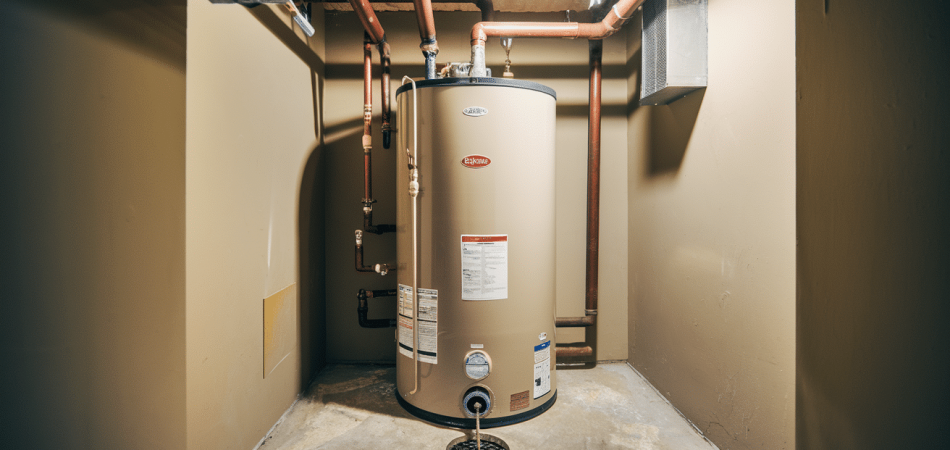
To fix a water heater pilot light that won’t stay lit, first ensure there are no drafts near the unit, then clean the thermocouple by gently scrubbing it with fine-grit sandpaper. If that doesn’t work, check the pilot gas tube for blockages or a loose connection, and then consider if the thermocouple needs to be replaced or if the gas control valve is faulty. Always turn off the gas and call a professional if you smell gas or are unsure about any of these steps.
A water heater pilot light is the small blue flame that keeps the main burner ready to heat water. When this flame goes out, the burner stops, and hot water disappears. The problem signals a safety or component issue that needs a careful step-by-step fix.
A pilot light outage often results from a faulty thermocouple, clogged orifice, or draft disturbance. Gas control and ignition parts work together, so each must be handled correctly to prevent leaks or flame failure. Below is a safe, factual process to relight the pilot and restore steady operation.
Steps to fix a water heater pilot light that won’t stay lit:
At Tennessee Standard Plumbing, we offer reliable water heater repairs in Knoxville, performed by licensed master plumbers with modern diagnostic tools. We provide expert diagnosis and repair to restore stable heating performance in Knoxville homes.
Turning off the gas prevents leftover gas from building up inside the chamber. This step keeps the air clean and avoids unwanted ignition. After switching the gas knob to “Off,” wait five full minutes before starting work. The pause lets trapped gas escape through natural airflow.
Always check for a gas smell before moving forward. If the odor remains strong, stop and allow more time for ventilation. This step sets a safe base for relighting the pilot flame.
The control knob sits near the bottom of the water heater next to the burner area. It connects to the gas valve and regulates the pilot flame. Turn the knob from “Off” to “Pilot” to start a small gas flow used only for the pilot light.
Press and hold the knob gently so gas moves to the pilot tube. Keeping steady pressure ensures enough fuel reaches the flame area without flooding it. The goal is a controlled stream ready for ignition.
Use a long lighter or built-in igniter to create a spark at the pilot opening. Keep the control knob pressed while lighting so gas reaches the tip and forms a small blue flame. Watch for a clear, stable flame that burns quietly without flicker.
Keep the lighter steady to avoid air mixing that could blow out the spark. Once lit, continue holding the knob down for several seconds to allow the flame to stabilize. This confirms that the gas flow and ignition path are balanced.
The thermocouple senses heat from the pilot flame and tells the gas valve to stay open. Hold the control knob down for about 30 seconds while the flame touches the thermocouple tip. The metal sensor warms up and builds a small electrical charge. That charge signals the valve to keep gas flowing safely.
If released too early, the flame goes out because the thermocouple has not built up enough heat. Heating it fully locks in the flame and prepares the burner for normal use.
After the thermocouple warms and the pilot burns steadily, turn the knob from “Pilot” to “On.” This sends full gas flow to the main burner. You should hear a quiet click followed by a smooth ignition sound.
Watch through the viewing glass to confirm a strong, even flame. Keep the area clear and wait a few minutes to ensure the heater runs normally. If the flame weakens or shuts off again, further inspection is needed.
The pilot light fails when one or more parts stop controlling gas and flame correctly. The issue often comes from a safety sensor, air disturbance, or blocked fuel path. Each problem interrupts steady flame operation and causes repeated shutdowns. Understanding the source helps prevent relighting failures and ensures the heater runs safely.
Main causes of water heater pilot light failure are:
The thermocouple is a small metal sensor beside the pilot flame. It detects heat and keeps the gas valve open when the flame burns steadily. If it weakens or loses contact, it stops sending the signal, cutting gas flow instantly. Replacing the thermocouple restores stable operation.
Strong drafts or poor ventilation blow the pilot flame away from the burner tip. Open windows, exhaust fans, or nearby vents create air movement that disrupts ignition. Placing a shield or adjusting air direction helps protect the pilot from these disturbances.
Dust, soot, or corrosion blocks the narrow pilot tube where gas exits. The blockage reduces flame size and stops it from heating the thermocouple properly. Cleaning the tube with a fine wire or compressed air restores correct gas flow and consistent ignition.
Tools needed to fix a pilot light issue are simple, basic household tools used for safe handling and cleaning. These items help tighten fittings, remove dust, and replace worn parts without damaging heater components.
Tools that are needed to fix a pilot light issue are:
Professional help for a pilot light problem is needed when safety or system integrity is at risk. Some issues go beyond basic cleaning or relighting. Problems involving gas flow, repeated flame failure, or leaking water indicate deeper faults that require licensed inspection.
Situations that require professional help for a pilot light problem:
A sulfur or rotten-egg smell shows gas escaping from fittings or lines. Turn off the gas immediately and leave the area until it clears. Ignition must never be attempted when gas is present.
If the pilot goes out again after proper relighting, the thermocouple or gas valve may be failing. Repeated outage signals worn components that need replacement, not just cleaning.
When the pilot stays on but the main burner stays cold, the gas control valve or internal sensor likely malfunctioned. This issue stops full heating and needs diagnostic testing.
These parts handle live gas under pressure. Any repair here must be done by licensed professionals for safety and code compliance.
Leaks near the burner or pilot area affect ignition and cause rust damage. Water around live gas parts is dangerous and needs immediate expert attention.
Tennessee Standard Plumbing provides certified repair and safety inspection for gas, burner, and valve issues in Knoxville homes, ensuring every water heater operates securely and efficiently.
Contact us today to schedule your water heater safety inspection or repair service.
The water heater pilot light is out when the small blue flame under the heater is no longer visible through the viewing window. Cold water coming from faucets, no burner noise, or a blinking status light on newer models also confirms the flame has gone out. A faint smell of gas may appear if the control knob remains on “Pilot.” Always turn the knob to “Off,” wait five minutes, and check for airflow or dirt buildup before relighting.
No, a tankless water heater does not use a standing pilot flame. It uses electronic ignition systems, which spark whenever a hot water tap is opened. This design is more energy efficient, as no flame is burning when the system is not in use. When a tankless unit does not heat, it is a problem with the igniter, sensor, or power connection—not a pilot light. Regular maintenance of these components ensures proper heating response.
Yes, a faulty thermocouple is the most common reason the pilot light keeps going out. The thermocouple acts as a heat sensor that keeps gas flowing while the flame burns. When the sensor tip becomes dirty, bent, or worn, it stops sending a signal to the gas valve, which shuts off gas flow immediately. Replacing or repositioning the thermocouple restores proper heat detection and prevents the pilot from extinguishing.
If your pilot light won’t stay lit after multiple attempts, stop trying to relight it and inspect for hidden mechanical faults. Repeated failure often points to a blocked pilot tube, loose connection, or a failing gas control valve. Continuing to relight allows unburned gas to collect, which is unsafe. Turn the control knob to “Off,” wait at least five minutes, and check for a draft or dirt buildup before attempting again. If the flame still goes out, professional inspection is required for safe repair.
You can contact Tennessee Standard Plumbing for reliable water heater repair and installation services. Their licensed plumbing professionals handle water heater repair, thermocouple replacement, and full burner servicing safely. Certified technicians diagnose faults in gas control valves, ignition systems, and pilot assemblies using precision testing tools. Homeowners in Knoxville and nearby areas receive fast response and code-compliant repair work that restores steady flame control.
Yes, relighting a gas water heater pilot is safe if there is no gas odor and all safety steps are followed carefully. Turn the gas control to “Off,” wait five minutes for any trapped gas to clear, then press and hold the “Pilot” setting while lighting with a long match or igniter. Keep holding the knob for 30 seconds to heat the thermocouple. If the flame goes out again or if any gas smell returns, stop immediately and request professional help.
You should inspect and clean the pilot light assembly every six months. Regular cleaning removes dust, soot, or corrosion that can block the pilot tube and weaken the flame. Carefully clean with a wire brush or compressed air so as not to damage any metal components. A steady blue flame means it is burning well and that air is flowing correctly. Regular inspections extend the heater’s lifespan and help prevent flame loss or ignition failure.
Yes, drafts or strong airflow can easily blow out the pilot flame. Air from vents, fans, or open windows near the heater disrupts the small flame’s balance and separates it from the thermocouple tip. This interruption cuts gas flow instantly, causing the heater to shut down. Keeping the heater in a well-ventilated but draft-free area and shielding the pilot from direct air currents prevents unwanted flame loss.
A yellow or weak flame shows that the pilot is not getting the right mix of gas and air. Dirt, soot, or rust inside the pilot orifice restricts gas flow, leading to incomplete combustion. A proper pilot flame should burn sharp blue with a stable tip. Cleaning the orifice and adjusting nearby airflow returns the correct gas-to-air ratio and restores clean, efficient burning.
The cost to repair or replace a water heater pilot light in Knoxville ranges between $100 and $250. Cleaning or adjusting minor parts usually stays at the lower end of the range, while replacing thermocouples or gas valves raises the price. Labor, model type, and part availability also affect total cost.


Tankless water heaters offer impressive energy efficiency and a longer lifespan than traditional tank units. However, they come with limitations li... Read More

Toilets overflow due to clogs from foreign objects or excessive paper, faulty internal mechanisms like tank floats, or damaged sewer lines, with fi... Read More
Both baking soda and vinegar are highly caustic. They are, in fact, able to dissolve certain materials that one would not normally think of as bein... Read More