
How to Install a Sump Pump? Step-by-Step DIY Guide
A sump pump is a pump used in a basement or crawl space to remove water that accumulates in a sump pit. It prevents flooding by pumping collected w... Read More

Same-Day Service Available
Need a Plumber in Knoxville? We’re Ready to Help!




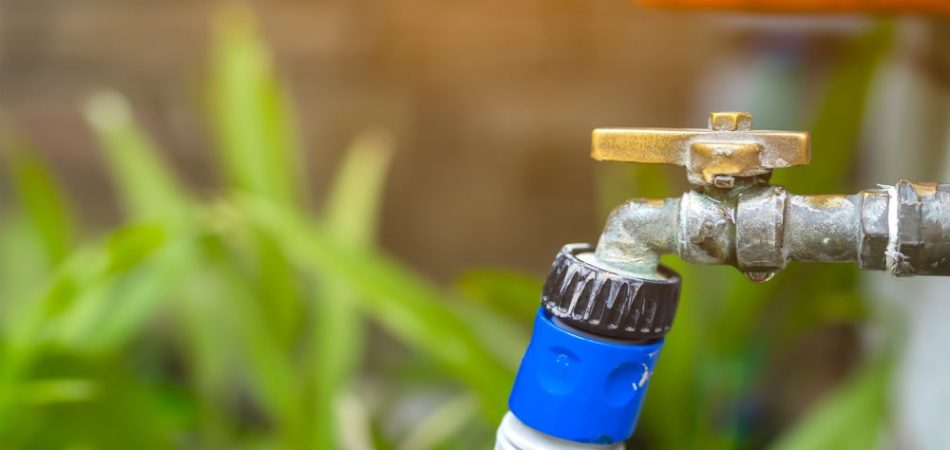
A leaky pipe is a pipe that lets water escape through cracks, holes, or loose joints. Water moves through homes under pressure, and even a small opening releases a steady drip. A single leak wastes up to 90 gallons of water per day. This raises water bills and leaves wet spots that damage wood, drywall, and flooring.
Small leaks are fixed with temporary sealing materials, while large leaks require pipe replacement. Plumber’s tape covers hairline cracks. Epoxy putty hardens and seals small holes. Pipe clamps hold pressure back at joints. These methods stop water quickly, but damaged or rusted sections need cutting and replacement.
Quick repair prevents water damage, mold growth, and rising costs. Water soaking into walls or floors weakens the structure. Mold grows in damp spaces and lowers air quality inside homes. A small drip turns into major flooding if left unchecked. Fast repair keeps homes safe and prevents expensive structural restoration.
The lasting solution is professional repair from licensed plumbers. Temporary patches only buy time, but expert service ensures leaks stop at the source. Tennessee Standard Plumbing delivers leak detection, fast repair, and strong replacement methods backed by five generations of plumbing expertise.

Plumber’s tape is a thin strip that seals threads and small leaks at pipe joints. It stops drips by tightening the seal between connections. This method addresses minor leaks and prevents wasted water. Trained plumbers from Tennessee Standard Plumbing use it for quick, safe sealing that saves money on water bills. Connect to a reliable plumber in Knoxville for fast, reliable leak repair.
Epoxy putty is a soft material that hardens over cracks or holes in pipes. It blocks water flow and gives a strong, temporary fix. This method works on leaks caused by rust or small surface damage. Epoxy provides safety until a permanent solution, protecting homes from sudden flooding.
A pipe clamp is a metal band that locks around a leaking pipe to hold water pressure. It stops leaks at damaged spots without replacing the whole pipe. Pipe clamps reduce emergency damage and extend pipe life. Tennessee Standard Plumbing uses clamps as part of safe, professional leak repair.
A slip coupling is a short pipe piece that joins two ends after cutting out a bad section. It restores full flow in pipes with cracks or breaks. This method addresses leaks that simple sealing cannot handle. Slip couplings provide a secure, lasting solution for homeowners seeking peace of mind.

Pipe replacement involves removing the damaged section and installing a new pipe for long-term protection. It fixes serious leakages, corrosion, or damaged pieces. Replacement eliminates repeat repairs and prevents hidden water damage. Tennessee Standard Plumbing makes safe replacements that will result in a reliable plumbing system and save homes from expensive restorations.
The most common causes of pipe leaks at home are corrosion, loose fittings, high water pressure, and freezing. These issues weaken the pipe system and let water escape, creating damage if not handled quickly.
The most common causes of pipe leaks at homes are:
Corrosion weakens pipes until small holes form. Rust eats metal and thins the pipe wall. Knowing this cause helps homeowners replace damaged pipes early. Tennessee Standard Plumbing inspects corroded systems and installs stronger materials for long-term savings and safety.
High pressure cracks joints and bursts weak spots. Flow above 80 psi damages valves and fittings. Detecting this cause protects plumbing from sudden breaks. Pressure regulators installed by Tennessee Standard Plumbing lower strain and extend system life.
Freezing causes water to turn into ice, which expands and breaks pipe walls. Understanding this cause highlights the importance of pipe insulation. Professional insulation helps homes avoid expensive winter maintenance.
Clogs trap water and force it against the pipe walls. This pressure creates cracks or bursts in weak areas. Spotting this cause early prevents backups and flooding. Tennessee Standard Plumbing clears clogs safely to stop leaks and protect flooring.
Old seals lose grip and let water escape. Seals around joints or appliances crack with age. Recognizing this cause avoids wasted water and mold growth. Fresh seals installed by plumbers restore a tight fit and safe flow.
Bad installation leaves gaps or weak joints. Pipes fitted without care slip out of place and leak under stress. Identifying this cause prevents repeat damage. Tennessee Standard Plumbing ensures precise fitting backed by licensed expertise.
Every day use wears down pipes over time. Old systems lose strength after decades of flow. Knowing this causes shows when replacement is safer than patching. New pipes prevent future breaks and secure long-term plumbing safety.

The early signs of a plumbing leak show through visible damage inside the home. Spotting them early with help from a professional plumber prevents larger repairs and protects property value.
The early signs of a plumbing leak are:
Water stains mark walls or ceilings where water escapes. These brown or yellow patches spread over time. Spotting this sign early alerts homeowners to hidden leaks that need professional repair.
Bubbling or peeling paint indicates hidden water behind surfaces. Water separates layers of paint and deteriorates the drywall. A licensed plumber from Tennessee Standard Plumbing can verify the source and restore safe conditions.
Mold or mildew grows in damp spaces near leaks. Dark patches and musty smells often appear under sinks or in corners. Detecting this sign early prevents health risks and major damage.
Wet spots on floors or carpets show active leakage. Moisture spreads quickly, leading to rot and unsafe flooring. Tennessee Standard Plumbing pinpoints the leak and fixes it before damage spreads.
Cracks in the foundation reveal water pressure against concrete. Leaks near slab pipes weaken the base of the home. This sign demands fast action by a professional plumber to secure the structure.
Floors bend or rise when water soaks the wood below. Leaks under the flooring push boards out of shape. Detecting this sign prevents full floor replacement and protects long-term safety.
Ceilings sag when water collects above them. The weight of trapped water breaks plaster or drywall. Tennessee Standard Plumbing stops the leak at the source and prevents collapse.
The tools needed for a leak repair include a wrench, screwdriver, bucket and towels, flashlight, and pipe cutter. These tools help control water, reach fittings, and replace damaged parts with precision.
The tools needed for a leak repair are:
The materials required to complete a DIY sink leak repair will be a wrench, plumber’s tape, washers, and a bucket. The wrench loosens and tightens joints, the tape closes the threads, and washers prevent dripping. Tennessee Standard Plumbing applies the same fundamentals but also inspects more in-depth issues, such as rusted pipes or broken fittings, to ensure that the sink does not leak.
Clamps, brackets, and small components are fitted to pipes with a screwdriver. Flathead and Phillips screwdrivers are useful in the adjustment of plumbing fittings. Proper use prevents loose fittings and avoids leaks.” OR “Correct tightening prevents leaks from loose fittings.
A bucket and towels catch water during repair work. They control spills, protect flooring, and keep the work area safe. Containment reduces cleanup and limits water damage.
Dark or hidden areas of pipes are illuminated by a flashlight. Plumbers can easily identify leaks in the basement, crawl spaces, and behind walls. Good lighting helps plumbers spot every leak.
A pipe cutter cuts damaged pipe sections cleanly. Straight cuts allow new parts or couplings to fit without gaps. This tool ensures durable repairs and reduces future leak risks.
The cost required for fixing a leaky pipe ranges from $150 to over $1,500, depending on severity, materials, and urgency. Timely repairs save thousands in water damage, making early action the most cost-effective option. Tennessee Standard Plumbing provides clear estimates so homeowners understand the full picture.
The cost required for fixing a leaky pipe is:
Minor leaks usually cost between $150 and $300. These include small drips around faucets, joints, or seals that are easy to reach. Fixing them quickly prevents water waste, which can add up to 10,000 gallons lost yearly in one home. Minor leaks cost less because repairs focus on small drips or loose joints. Fixing them early avoids wasted gallons of water and keeps damage from spreading.
Moderate leaks cost around $300 to $700. These occur inside walls, under sinks, or beneath floors. Repairs involve opening sections of drywall or flooring, which takes more labor but prevents mold growth and structural damage. Moderate leaks require more labor and parts, raising the price. These leaks affect larger pipe areas and demand stronger sealing or replacement pieces.
Severe leaks can cost $700 to $1,500 or more. These include burst pipes, broken water lines, or leaks that flood multiple rooms. Repairs often require pipe replacement, water removal, and restoration work to protect the home’s structure. Severe leaks cost the most because they damage walls, floors, or ceilings. These repairs involve pipe replacement, water damage control, and sometimes structural fixes.
Labor charges average $75 to $150 per hour for licensed plumbers. Paying for skilled labor ensures safety, accurate work, and compliance with plumbing codes, which prevents repeat issues. Labor charges cover the plumber’s time and expertise. A trained plumber ensures correct repairs, safety, and long-term results for the home.
Material costs depend on the pipe type. Copper or PEX replacements run $2 to $10 per linear foot, while fittings, sealants, and clamps add to the total. Investing in durable materials ensures long-term savings. Material costs include pipes, fittings, tape, and other repair items. Quality parts reduce the risk of repeat leaks and extend plumbing life.
Emergency repairs usually add $100 to $300 to the total bill. Same-day service is critical to stop flooding, protect furniture, and keep the home safe. Fast action limits overall repair costs in the long run. Emergency repairs cost more because they require a fast response at any hour. Quick service prevents flooding, protects property, and limits expensive damage.
Quick plumbing fixes protect homes by stopping minor leaks before they grow into major problems. A drip as small as one drop per second wastes more than 3,000 gallons of water each year. Taking action right away prevents higher bills and keeps plumbing systems strong. Tennessee Standard Plumbing handles issues fast, which prevents wasted water, property damage, and health risks.
Timely repairs protect property and household investments. Leaks spread water into walls, floors, and ceilings, which lowers home value and creates safety risks. Fixing a pipe under the sink protects cabinets and wood floors from swelling. Repairing a leak behind a wall stops mold from forming, which saves hundreds in cleanup costs. Acting quickly also protects furniture, electronics, and appliances that could be ruined by flooding.
Quick action ensures convenience, savings, and long-term value. A repaired pipe reduces the risk of repeated service calls and avoids emergency flooding that costs thousands to repair. Tennessee Standard Plumbing uses licensed methods that seal joints, replace weak parts, and reinforce the plumbing system. Homeowners gain reliable water flow, lower bills, and peace of mind knowing their property is safe. Fast service keeps the home comfortable today and protects family investments for the future.
No, a temporary fix for a leaky pipe does not improve water pressure. A quick patch only stops dripping but does not restore normal water flow. Water pressure stays low if cracks, corrosion, or buildup remain inside the pipe. Tennessee Standard Plumbing restores pressure by repairing or replacing the damaged section, which ensures water moves freely through the system.
No, small leaks cannot be safely repaired without professional help. Even tiny leaks spread water that damages cabinets, walls, or floors. Incorrect sealing makes leaks worse and risks mold growth. Tennessee Standard Plumbing uses tested tools and correct sealing products, which ensure the pipe holds steady pressure without repeat failures.
To find out a hidden plumbing leak in Knoxville, watch for sudden water bill jumps, wet walls, and floor stains. You may also hear dripping sounds behind drywall or smell damp odors. Tennessee Standard Plumbing uses leak detectors and thermal scanners to confirm the exact source without tearing down walls. The Knoxville plumbers are well trained in doing so.
To choose the right sealant or epoxy for your pipes, match it with the pipe type and leak location. Epoxy for copper pipes differs from products for PVC or steel. Using the wrong type breaks down under heat or water pressure. Tennessee Standard Plumbing selects the right epoxy, rated for pipe size and material, so the seal lasts safely.
No, temporary pipe repairs are not safe for long-term use. Tape, clamps, or putty hold leaks for days or weeks but weaken under constant pressure. Water eventually escapes again and causes larger damage. Tennessee Standard Plumbing performs permanent fixes by replacing bad pipe sections, which saves money and protects property long-term.
To prevent leaks from happening again in the future, schedule pipe checks, replace old seals, and control water pressure. Corroded joints or aging pipe walls break down when left alone. Tennessee Standard Plumbing offers scheduled maintenance two times a year, which keeps pipes strong and prevents unexpected water damage.
No, you cannot fix a leaking water heater by yourself. Water heater leaks often link to failed valves, cracked tanks, or rust buildup. Working on a heater without training risks burns or flooding. Tennessee Standard Plumbing inspects the heater, replaces bad valves, or installs a safe new unit if the tank has failed.
To identify the source of a hidden pipe leak, track your water meter when taps stay closed. If numbers move, water escapes inside walls or under floors. Stains, mold patches, and damp drywall also point to leaks. Tennessee Standard Plumbing confirms the source with advanced detection tools that avoid guesswork.
You should call a professional plumber instead of fixing it yourself when there are repeated leaks, very low pressure, or visible flooding. These issues point to broken pipe sections that patches cannot fix. Tennessee Standard Plumbing responds quickly with licensed repair that protects walls, floors, and valuable household items.
The materials required to complete a DIY sink leak repair will be a wrench, plumber’s tape, washers, and a bucket. The wrench loosens and tightens joints, the tape closes the threads, and washers prevent dripping. Tennessee Standard Plumbing applies the same fundamentals to fix leaking sink but also inspects more in-depth issues, such as rusted pipes or broken fittings, to ensure that the sink does not leak.


A sump pump is a pump used in a basement or crawl space to remove water that accumulates in a sump pit. It prevents flooding by pumping collected w... Read More

The deep roots of trees are always seeking out water, and your underground pipes offer a constant, rich source of moisture they desperately wan... Read More

Your home's plumbing system works as two interconnected subsystems: the supply system, which brings pressurized fresh water in via pipes from the s... Read More