
11 Clear Warning Signs to Spot a Broken Sewer Line
You can spot a broken sewer line by looking for signs inside and outside your home, such as slow-draining fixtures, foul odors, and sewage backups.... Read More

Same-Day Service Available
Need a Plumber in Knoxville? We’re Ready to Help!




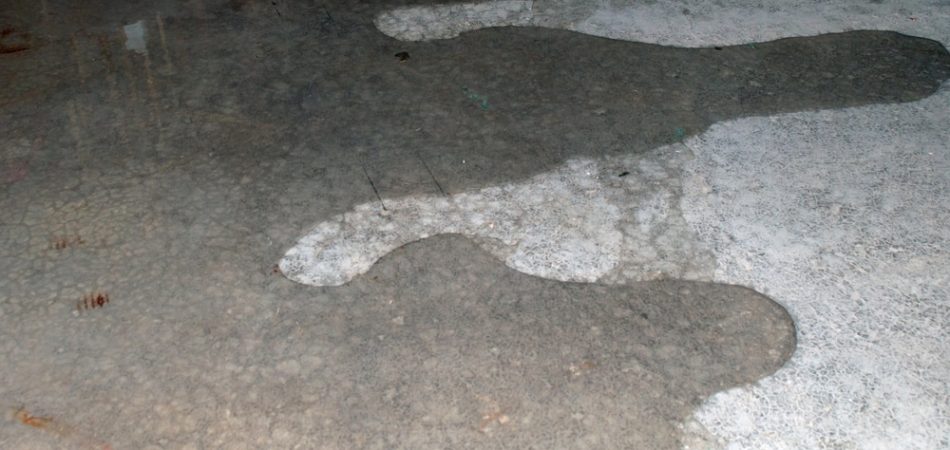
To find a plumbing leak in a slab, first, look for signs like a high water bill, the sound of running water, or warm spots on the floor. To confirm a leak, you can perform a water meter test by checking if the dial moves while all water is off. If a leak is confirmed, call a professional plumber who will use specialized tools like thermal cameras, electronic listening devices, or line-tracing equipment to precisely locate the leak without unnecessary demolition.
A slab leak is a hidden water leak that develops under the concrete foundation of a home, usually in the water or sewer pipes buried beneath it.
Detecting these leaks early is crucial because they can damage the structure, increase water bills, and lead to long-term repair costs if left unaddressed.
Finding a plumbing leak in a slab involves checking for warning signs such as unexplained water bills, damp spots, warm floors, or the sound of running water when all taps are closed.
Slab leaks can cause serious damage if not caught early. Knowing the signs, their causes, and their effects helps identify the problem before it worsens.
Warm or damp spots may appear due to hot water pipe leaks under the slab, leading to moisture buildup and floor damage.
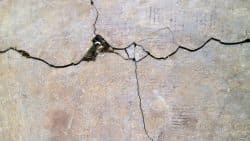
These cracks are caused by long-term water leaks that weaken the concrete, risking structural shifts and costly repairs.
Low pressure occurs when water escapes underground, reducing flow in taps and showers.
Hidden leaks waste water continuously, causing bills to rise without increased usage.
Underground leaks may create running or hissing sounds, indicating that water is escaping through damaged pipes.
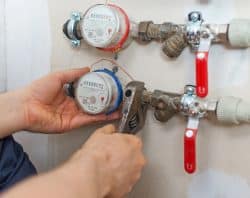
A water meter test helps confirm hidden slab leaks by tracking unusual water usage.
Shut off taps and appliances to ensure no water is being used.
Note the current reading to see if water is still flowing.
After 15–30 minutes, check again. A changed reading indicates a possible leak.
 You should consult a professional when slab leaks are difficult to locate on your own. Experts use advanced tools for accurate detection.
These devices detect hidden leaks by amplifying the sound of escaping water.
Thermal cameras identify temperature changes in floors caused by leaking hot water pipes.
These tools trace underground pipe routes to find exact leak locations.
Measures pressure drops in the system to confirm leaks within concealed pipes.
The causes of slab leaks include abrasion, soil shifts, aging pipes, and more. These leaks occur when water pipes beneath a home’s concrete foundation become damaged or begin to leak. Since the pipes are hidden, problems often go unnoticed until water damage, high bills, or structural issues appear. Understanding the causes helps homeowners prevent issues and address existing problems before they become costly.
The causes of slab leaks are listed below:
Pipes can move slightly as water flows through them. Over time, this movement causes friction against concrete, gravel, or other pipes, wearing away the outer layer and creating cracks or holes.
Improper installation during construction can lead to weak fittings, low-quality materials, or incorrect placement, which may cause leaks years later.
Soil may shift due to earthquakes, erosion, or changes in moisture. These movements can bend, crack, or disconnect pipes beneath the slab.
Excessive pressure stresses pipes over time, weakening them and increasing the likelihood of leaks or bursts.
Older pipes may corrode, rust, or weaken with age. Homes with original plumbing are at higher risk due to outdated materials.
Temperature changes, soil moisture variations, or chemicals in the ground can damage pipes over time. Expanding soil during heavy rain or shrinking during dry periods puts additional stress on the pipes.
Slab leaks pose serious risks to both your home and health if left unnoticed. They weaken your foundation, cause water damage, and may create unsafe living conditions. Acting early helps reduce long-term harm and expensive repairs.
The risks of slab leaks include:
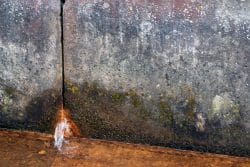 Slab leaks wash away soil beneath the foundation, causing cracks in walls, uneven floors, and sticking doors or windows.
Moisture encourages rapid mold growth, which can trigger allergies, respiratory issues, and other health problems.
Leaks can ruin floors, carpets, and furniture. Over time, water weakens wood, drywall, and structural materials.
A hidden leak wastes water nonstop, raising monthly water bills until repaired.
Water spreading through the slab may reach electrical lines, increasing the risk of short circuits, shocks, or even fires.
Fixing a slab leak typically takes a few hours to several days, depending on the severity, location, and repair method. Simple repairs may be completed in a day, while complex cases can take up to a week.
The main steps that influence repair time include:
Plumbers use pressure testing, thermal imaging, or acoustic devices to pinpoint the issue. This process may take a few hours to a full day.
If the leak is small and localized, plumbers break through a section of the slab to fix the pipe directly. This is usually completed within one day.
When pipes are old or multiple leaks exist, rerouting or repiping may be necessary. This process can take two to three days or longer, depending on the home’s layout and the complexity of the system.
 To prevent slab leaks, homeowners should take a few precautionary measures. Simple steps and regular care can significantly reduce the risk and protect property from costly damage.
Prevention tips include:
Maintain safe water pressure by installing a pressure regulator to prevent stress on pipes.
Ensure soil around the foundation is balanced—not too wet or too dry—to avoid unnecessary pressure on buried pipes.
Schedule routine plumbing inspections to detect corrosion, weak spots, or hidden leaks early.
To choose the best company, consider its technology, services, and reputation. A reliable company ensures accurate, non-invasive detection and durable repairs.
Select a company that uses modern tools such as thermal cameras, sound-detection devices, and pipe locators for precise leak identification.
Choose providers that can detect leaks, repair them, and perform follow-up checks—all in one service.
Check online reviews and testimonials for consistent performance and customer satisfaction.
Work with licensed plumbers who have experience locating slab leaks and performing long-lasting repairs.
Tennessee Standard Plumbing combines advanced methods, complete services, and a trusted reputation, making it a reliable choice for slab leak detection and repair.
Plumbers use specialized leak detection services such as acoustic listening devices, thermal imaging, and pipe locators to accurately identify slab leaks. These tools detect changes in sound, temperature, or water flow that are not visible to the eye. By combining technology with professional leak detection service in Knoxville, TN, plumbers can locate the exact source of the leak without unnecessary digging, saving time, reducing costs, and preventing additional property damage.
A slab leak can go undetected for months or even years because it develops beneath concrete foundations, where signs are not immediately visible. High water bills, warm spots, or damp flooring may be early indicators. During this period, the leak may cause serious hidden damage, including soil erosion, foundation cracking, and mold growth. Termite inspections and water meter checks catch slab leaks before they become major problems.
The most accurate leak detection method is acoustic listening, combined with thermal imaging and pressure testing. Acoustic devices detect leaking water frequencies under the surface, and thermal cameras detect hidden temperature variations. Pressure testing confirms water loss in particular lines. Using all of these methods together will pinpoint the leak location accurately so plumbers can repair the problem with little digging and disruption to the property.
Leaks under slabs are more common than many homeowners realize, especially in older homes or properties with poor soil conditions. Factors such as high water pressure, shifting soil, corroded pipes, or improper installation increase the likelihood of slab leaks. While not every home experiences them, these issues remain a frequent plumbing concern nationwide, particularly in areas with older infrastructure. Preventive maintenance and regular inspections greatly reduce the risk of slab leaks.
The lifespan of a slab leak repair service depends on the repair method and the condition of the pipe. If limited to one area only, spot repairs may last 5-10 years while full repiping or rerouting may take 40-50 years or more. Trenchless water line repair and replacement Service in Knoxville, TN, is an economical option that lasts 50 years or more. Proper method selection and professional installation will ensure the long-term success of slab leak repair.
Yes, heavy rain can contribute to slab leaks requiring emergency plumbing service in Knoxville, TN. When soil becomes saturated with water, it expands and shifts, placing additional stress on underground pipes. If pipes are already weak, corroded, or poorly installed, this pressure can cause them to crack or burst. In such cases, slab leaks may appear suddenly, leading to flooding, foundation damage, or water intrusion that requires immediate professional plumbing assistance.
Yes, repiping may be the better option in certain situations, especially when pipes are old, corroded, or multiple leaks are present. While spot repairs can address small, isolated problems, they may not prevent future leaks in weakened pipes. Repiping or rerouting provides a long-term solution, reducing the risk of recurring slab leaks. A professional plumber in Knoxville, TN, can inspect your system and advise whether repiping is more cost-effective than repeated repairs.
To find a water leak under a concrete slab, you can start by checking for warning signs like damp flooring, foundation cracks, or unusually high water bills. A simple water meter test can help identify leaks. Acoustic listening devices, thermal imaging, and pipe locators are used to detect the leak. Their roots avoid digging, allowing for accurate diagnosis and repair.
The best solution for slab leakage depends on the condition and severity of the pipe. For small, localized leaks only, spot repairs are appropriate, and trenchless pipe lining is an economical option for larger areas that do not require major excavation. For severely damaged or aged pipes, repiping or rerouting is the best long-term solution. Choosing the right repair method requires consulting a licensed plumber.


You can spot a broken sewer line by looking for signs inside and outside your home, such as slow-draining fixtures, foul odors, and sewage backups.... Read More
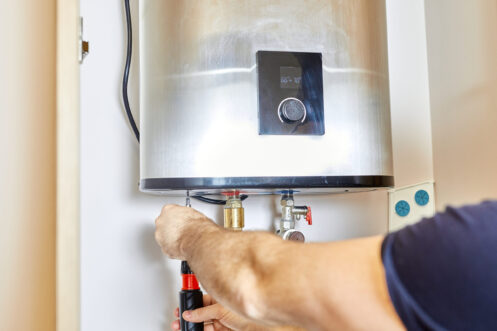
If your tankless water heater stops working, the most common causes include power supply failures, low water flow, gas supply interruptions, minera... Read More

Deciding between sewer line repair and replacement depends on the extent of damage, the age and material of the existing pipe, and long-term cost c... Read More