
How to Install a Sump Pump Battery Backup System
To install a sump pump battery backup, disconnect the power, mount the backup pump, attach the check valve, connect the discharge piping, wire the ... Read More

Same-Day Service Available
Need a Plumber in Knoxville? We’re Ready to Help!




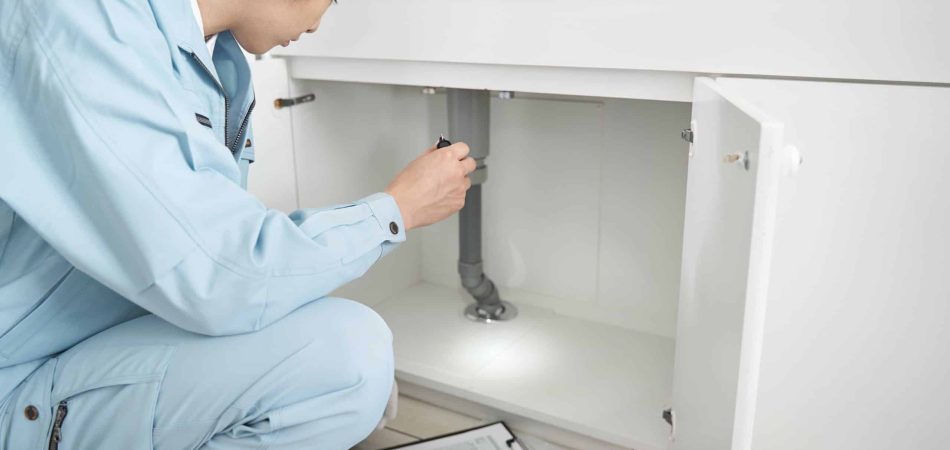
To effectively identify a water leak, start with initial checks such as the pressure drop test or isolation test. For pinpointing the exact location, professionals often use tools like acoustic sensors, thermal imaging, or pipe inspection cameras. Additionally, visual signs like water stains or the sound of flowing water can help in detecting leaks.
Plumbing leak testing means checking a water system for leaks in pipes, fixtures, or joints. It confirms if hidden or visible parts lose water. For homeowners, it matters because undetected leaks waste money, damage walls, and even weaken building structures. Accurate testing avoids bigger repairs later. The point is simple: when detection is clear, fixing problems feels less heavy.
Water leak problems get solved step by step. First, the source must be traced. Then, pressure, fittings, and usage patterns are tested. Once the exact area gets marked, a direct repair or replacement brings the system back in balance. Accuracy in this process saves time and prevents repeat damage.
Tennessee Standard Plumbing sets a higher mark in plumbing services. It brings tested methods, skilled teams, and precise tools that make leak detection accurate. The brand’s identity rests on trusted repair solutions, clear results, and service that feels reliable at every stage. For any home system, this level of expertise keeps water lines safe, steady, and free from hidden loss.
The following steps are taken for accurate plumbing leak testing:
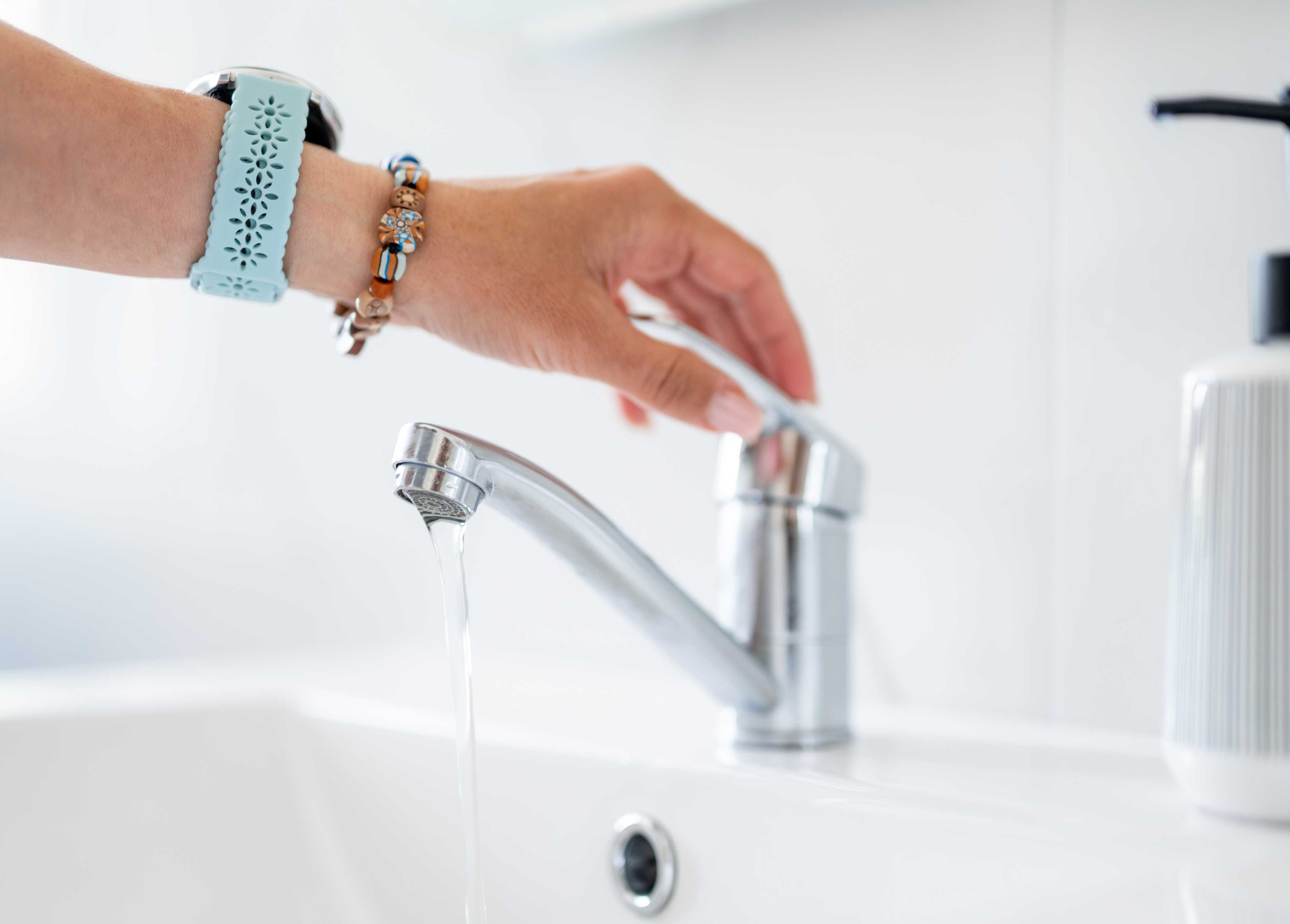 Closing all water fixtures creates a steady test environment where even the smallest loss gets noticed. When taps, showers, and appliances stay off, pressure levels settle, making leaks easier to trace. This step protects the home by stopping unnoticed drips from spreading into walls or flooring.
A steady reading gives homeowners confidence in the system’s balance. Long-term, this habit limits wasted water and reduces hidden damage that eats into property value. It feels basic, yet the first move in leak testing keeps structures safe and supports reliable plumbing health year after year.
The water meter acts like a truth teller for leaks. After the fixtures stay closed, the reading gives a clear baseline. Any change in numbers after the system rests means water escapes somewhere. This simple check protects a home from damage that grows when leaks go unseen.
Watching the meter prevents small problems from turning into heavy repairs. The method also builds awareness about usage patterns and keeps bills stable. For lasting safety, a meter check adds clarity and sets up the next test steps. It’s steady proof that plumbing health stays in control.
A pause after the first reading makes testing accurate. When time passes, and the water meter shows a new number, a leak hides in the system. This wait protects the home from unseen water that creeps into flooring, drywall, or basements. The recheck step confirms results, so decisions feel firm.
Even if the change looks slight, steady testing ensures that no drip stays ignored. This habit helps limit bigger repairs later and supports stronger structures. By repeating a simple action, plumbing remains safe, and the home avoids silent damage that weakens it slowly.
Looking over visible pipes and fixtures gives direct proof of leaks. Drops under sinks, stains near walls, or damp patches show where water escapes. Spotting these early protects the home from hidden mold, structural damage, and costly replacements. This step is practical since it ties sight with action.
It also creates a habit of checking areas where leaks start most often. Long-term, visual inspection keeps plumbing systems safe and balanced. Even vague signs, like a small mark, highlight issues before they spread. In this way, a clear look at fixtures secures the house from silent water damage.
Toilets waste large amounts of water through hidden leaks. A few drops of food coloring in the tank reveal the truth. If the bowl changes color without flushing, water escapes into the drain. This simple test protects the home from steady damage and controls monthly bills. Catching a toilet leak also prevents flooring and substructure rot near the base.
The method feels small but makes a big difference for long-term plumbing safety. By using clear dye, homeowners gain fast proof of leaks and take quick action, saving both water and property strength.
Water pressure tells how strong and balanced the system runs. A sudden drop points to a leak inside the walls or underground lines. Monitoring it protects against hidden cracks that harm a home slowly. By attaching a pressure gauge, results are shown in numbers, making detection exact.
Consistent pressure levels confirm safe plumbing and lower the risk of water waste. Over time, this step keeps the system steady and extends the life of pipes. It also limits damage that sneaks through weak spots. Pressure monitoring remains a direct way to safeguard the home from hidden loss.
Water leaks speak through sound when pressure drops or flow shifts. Listening closely in quiet areas reveals hissing, dripping, or rushing water inside walls and floors. These noises signal where water sneaks out unseen. Paying attention protects against long-term damage that weakens wood, drywall, or foundations.
Sound detection feels basic, yet it guides repair teams to the right spot quickly. Using ears as tools, plumbing health stays intact. This method also lowers repair costs since issues get caught before they spread widely. In short, listening protects homes from leaks that stay silent but are harmful.
The common signs of a hidden plumbing leak are small, but they bring lasting damage when ignored. Higher bills, stains, or strange smells all point to water escaping where it should not. Some signs feel vague, yet each one tells a story about hidden loss inside walls or floors. Knowing them early protects the home from structural damage, mold, and expensive repairs that keep piling up.
The common signs of hidden plumbing leaks are listed below:
Professional plumbers detect leaks accurately with tools that go beyond simple checks. Their methods reach inside walls, under floors, and even through foundations. Each technique ties to home protection, stopping water loss before it turns into costly repairs.
Local conditions like soil movement, weather shifts, and building age all make accurate detection even more important. The right tools bring peace of mind because they give proof instead of guesswork.
These are the methods by which professional plumbers detect leaks:
The cost involved in professional plumbing leak testing depends on where the leak hides, the methods used, and how easy access is in your home. In Knoxville, TN, 2025 rates show simple diagnostic tests start around $75 to $100, while full detection services that use advanced tools go up to $400–$600 for more complex leaks. Some companies offer a basic leak detection package for about $93 or even free when other work follows.
This variation protects your home by matching cost to risk. Using cheap detection for visible leaks limits damage. Hiring full tools for hidden or slab leaks avoids bigger repair bills. For local homes built on older foundations or with concrete slabs, prices live at the higher edge of that range, because work under the slab or behind the walls adds labor and inspection time.
Plumbing leak testing protects homes from costly damage by spotting hidden leaks before they spread into walls, floors, or even the foundation. Small drips raise bills, invite mold, and slowly weaken structures.
Testing keeps plumbing steady and reduces the chance of surprise repairs that feel heavy later. For homes in Knoxville, local soil shifts and seasonal weather changes make accurate detection even more important, since some leaks stay out of sight until damage grows worse.
It’s also about saving money over time. A slab leak wastes hundreds of gallons quickly, while a slow pipe drip pushes drywall and flooring into ruin. By checking pressure, sound, and moisture, plumbers stop problems at the source and protect property value.
Tennessee Standard Plumbing stands out for its skilled methods, advanced tools, and reliable plumbing services that help protect Knoxville homes from hidden water loss.
Plumbing leak testing should be done at least once a year to avoid costly damage. Regular checks keep small leaks from spreading into walls or foundations. For homes with older plumbing or past water issues, yearly testing gives peace of mind. It’s better to catch plumbing leaks early than deal with structural damage or high water bills later.
A home should be tested for plumbing leaks every 12 months. Yearly testing keeps systems safe and reduces the risk of surprise damage. Homes with past leaks or shifting soil may benefit from more frequent checks. This habit supports property value and ensures plumbing stays healthy through seasonal changes in Knoxville and similar regions.
The differences between DIY and professional leak testing come down to tools, accuracy, and scope. DIY testing relies on simple steps like checking meters, food coloring, or visible pipes. Professional testing uses acoustic devices, moisture meters, and video inspection. This difference matters since hidden leaks escape basic checks. Professional results protect homes and limit long-term repair costs.
Yes, smart leak detectors help prevent hidden water damage. These devices track water flow, pressure, and even send alerts during unusual patterns. When installed, they spot leak detection early, even if homeowners aren’t present. Though not flawless, smart detectors work well with professional testing and add another safety layer against costly plumbing damage and wasted water.
Yes, leak detection is necessary for both old and new homes. Old homes carry risk from worn pipes, while new homes face leaks from faulty joints or poor installation. Testing protects both types by catching issues before damage spreads. No home stays fully safe without checks, since hidden leaks harm property, no matter the age.
The role of acoustic leak detection in plumbing tests is to find leaks through sound. Special devices pick up hissing, dripping, or rushing water inside pipes. This method protects walls and floors since plumbers avoid cutting blindly. It’s accurate, non-invasive, and helps locate hidden leaks that other testing steps may miss in homes of all sizes.
Older homes require more frequent leak testing because their pipes weaken with age, and materials break down. Corrosion, shifting soil, and long-term wear increase leak risk. Testing every year or even twice a year protects these homes from costly repairs. Frequent checks also keep property value steady and living spaces free from hidden water damage.
Seasonal weather affects the need for leak testing through changes in temperature, soil, and pressure. Cold winters freeze pipes and cause cracks, while humid summers raise moisture that seeps into walls. In Knoxville, these shifts raise risk for both new and old homes. Regular testing during seasonal changes protects against hidden leaks and structural harm.
The tools plumbing services use for leak detection are acoustic devices, infrared cameras, video pipe scopes, pressure testing equipment, moisture meters, tracer gas, and hydrostatic testing kits. Each tool connects to home protection by finding leaks early. Using them together ensures accuracy, saves repair costs, and keeps the plumbing system safe in the long term.
Plumbing leak testing saves money on utility bills by stopping hidden leaks that waste hundreds of gallons. Even small drips raise costs month after month. By detecting leaks early, testing lowers usage and keeps bills steady. Plumbing services also protect structures from water damage, so money isn’t lost on both wasted water and expensive repairs later.


To install a sump pump battery backup, disconnect the power, mount the backup pump, attach the check valve, connect the discharge piping, wire the ... Read More

Winterizing a backflow preventer in Knoxville means shutting off the water, draining the system, opening test cocks, setting valves at 45°, and ins... Read More

Yes, you can clear a main sewer line clog yourself, but it's only recommended for minor clogs and requires caution to avoid further damage. For sim... Read More