
Bathroom Sink Plumbing Leak: Common Causes and Quick Fixes
Bathroom sink leaks often result from loose pipe connections, deteriorated seals or washers, and clogged drains that increase pressure. Simple solu... Read More
Same-Day Service Available
Need a Plumber in Knoxville? We’re Ready to Help!




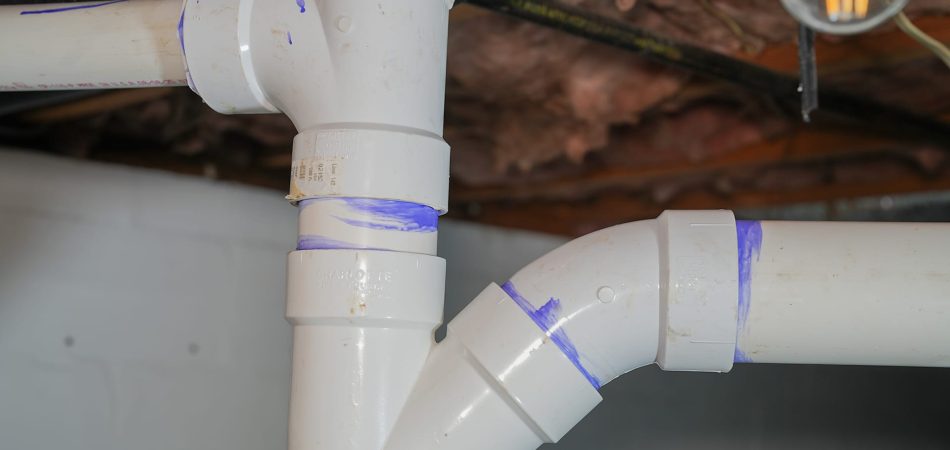
To choose safe PVC pipes for your home’s water system, select CPVC for hot and cold water lines and look for NSF/ANSI 61 certification to ensure it’s safe for drinking water. Choose pipes with the correct pressure class for your home’s needs, and verify the pipe is made by a reputable manufacturer. Properly installed, smooth, and chemically resistant pipes are also key for preventing bacterial growth and leaks.
Selecting safe PVC pipes is among the most important steps in protecting your home’s water system. The right plumbing materials keep your water clean, maintain steady pressure, and prevent unexpected leaks or damage.
When you focus on selecting high-quality, certified PVC pipes and pair that choice with proper maintenance, you build a water system that’s reliable, long-lasting, and safe for your family. Every step in the selection process should be simple, customer-friendly, and designed to give long-term value, something Tennessee Standard Plumbing emphasizes in every plumbing recommendation.
Tennessee Standard Plumbing helps homeowners make informed plumbing decisions, ensuring every PVC pipe used meets the highest safety and durability expectations.
Check certifications from recognized regulators when selecting PVC pipes for a home water system. Certified pipes passed pressure tolerance, chemical safety, temperature resistance, and performance tests.
This ensures that the material is safe to drink and won’t contain harmful substances in your supply. Certifications also ensure the pipe meets national plumbing standards and is free from leaks, contamination, and premature damage. Prioritizing certified products enables the safe use of PVC pipes in home water systems. Respecting this guideline will ensure a long-term water supply.
Select PVC pipes made from nontoxic, food-grade materials to safeguard your household water quality. Nontoxic pipes are made without lead or unsafe plasticizers, so the water is safe to drink. They resist chemical leaching in hot weather or high pressure.
Choosing nontoxic PVC ensures the safe use of pipes in your home’s water system, with no health hazards. By selecting safe materials, you increase water purity, household safety, and overall plumbing reliability. This simple yet important step helps keep your home safe and functioning properly with water.
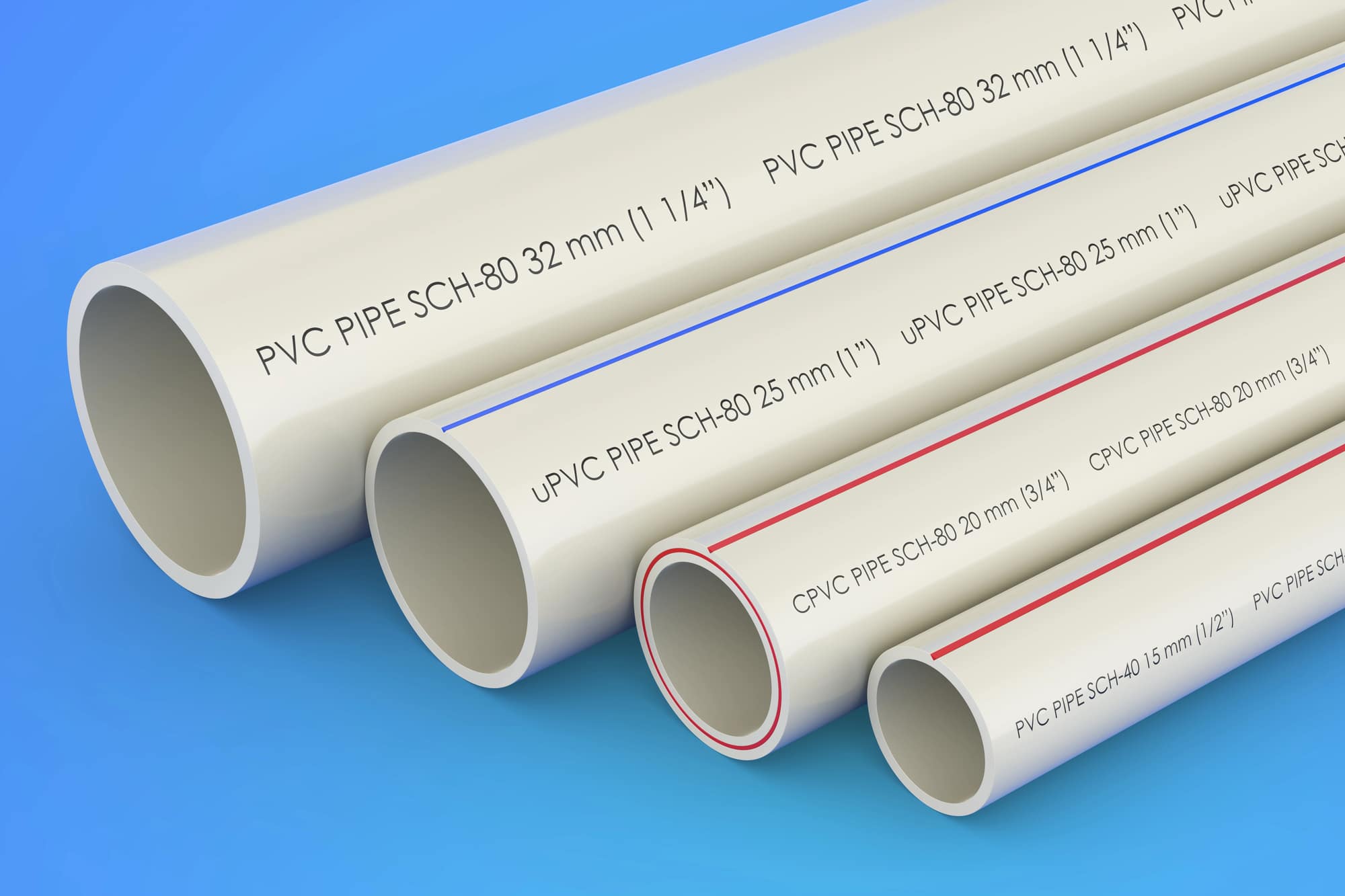 PVC pipes come in several types; choose the right one for safe and effective water delivery. Pressure-rated PVC, CPVC, and UPVC are all different materials. The wrong kind may cause leaks, temperature problems, or pipe failure.
The correct pipe type ensures the safe use of PVC pipes in home water systems by matching material properties with specific application needs. The right type makes your plumbing system more stable, tough, and resistant to everyday pressure. This keeps your water system performing over a long period of time.
Pipe thickness, represented by schedule ratings such as SCH 40 or SCH 80, indicates the pipe’s resistance to pressure and long-term use. The right thickness is important for safe PVC pipe use in home water systems.
Thick pipes are stronger, resist leaks, and last longer than regular pipes, especially in homes with high water pressure. The right wall thickness will prevent it from cracking, bursting, or wearing out excessively. This helps your plumbing system remain secure and efficient for years to come. You protect your home’s water supply and save on maintenance by choosing the right thickness.
UV-resistant pipes are essential if any part of your PVC water system is exposed to sunlight. PVC brittleness, cracks, and reduced structural integrity can also occur due to UV radiation. PVC-stable materials, coating protects PVC pipes from sun damage in home water systems.
This makes the installation durable, especially for outdoor plumbing or roof installations. Because UV exposure does not damage pipes, your water system is less likely to suffer premature failures. Confirming UV resistance protects your investment and ensures your plumbing performs safely and effectively throughout the year.
PVC pipes require compatible fittings that are made of the same material, have the same size, and match the same pressure rating. Mismatched parts may have weak joints, leaks, or long-term system instability.
Ensure compatibility allows for the safe use of PVC pipes in home water systems. Proper fittings also maintain a constant water flow and reduce stress in the plumbing network. Every component fits perfectly – making your system stronger and easier to maintain. Following this guideline avoids costly repairs and keeps your home water system safe, efficient, and effective long-term.
Purchase high-quality PVC pipes from reputable brands. Respected producers use only safe materials and meet strict standards so your pipes can handle household water use. Respectable brands also provide documentation, product warranties, and test results to confirm that PVC pipes are safe for use in home water systems.
You eliminate risks such as early pipe failure, contamination, or manufacturing defects by choosing recognized names. This step builds your plumbing system with quality materials that will provide value and peace of mind. A safer and more reliable water supply requires prioritising reputable brands.
Consider both immediate needs and long-term performance, durability, and maintenance requirements when selecting PVC pipes. High-quality pipes, which resist corrosion, pressure fluctuations, and environmental wear, ensure the long life of PVC pipes in home water systems.
Long-term planning may also involve selecting materials that can accommodate future upgrades or home renovations. Prioritizing longevity means fewer leaks, fewer costly repairs, and fewer problems with water quality. Taking this proactive approach protects your plumbing investment and ensures your home will always have a safe, reliable, and efficient water supply system.
Choosing safe PVC pipes for your home requires consulting a licensed plumber or industry expert in Knoxville. The professionals assess your water pressure, layout, temperature requirements, and future requirements and recommend the best pipe type and quality.
Expert advice ensures safe use of PVC pipes in home water systems; decisions are based on assessments, not guesswork. Avoiding mismatched components, weak joints, or unsuitable materials. Relying on professionals for recommendations ensures long-term safety, stronger performance, and a water system that meets all standards for reliability and efficiency.
The types of PVC pipes that are safest for home plumbing systems are those engineered to maintain water purity, resist pressure, and avoid chemical leaching. Select the right type to safeguard your home’s plumbing network and ensure long-term performance without compromising the quality of your water.
The following pipe types are recommended for their durability, temperature resistance, and safety in residential water systems:
CPVC is the chlorinated version of standard PVC. Adding this process improves the heat and fire resistance of CPVC for use in hot and cold water plumbing applications. This material has good strength, even at higher temperatures than PVC, and is used for household supply lines.
CPVC pipes also resist corrosion, are light, and resist bacterial growth. Their smooth interior keeps water flowing and reduces scale buildup. Due to these characteristics, CPVC is among the safest and most reliable materials for residential water distribution systems.
UPVC is a rigid, chemically inert form of PVC that is safer and stronger for long-term plumbing use compared to other plasticizers, such as those used in cold-water supply lines and outdoor plumbing systems. They value it for being non-toxic and stable in water purity over time.
Important properties are high-dimensional stability, long service life, and smooth interior with low friction loss. It does not degrade easily, so uPVC remains a popular choice for homeowners seeking a safe, durable, and low-maintenance pipe material.
PVC or CPVC pipes that have passed NSF International quality and safety standards are NSF-Certified pipes. The pipes are certified not to leach harmful contaminants into drinking water. NSF standards consider raw materials, manufacturing processes, and durability.
Principal NSF-certified pipes typically meet NSF / ANSI 14 (Plastic Piping System Components) and NSF / ANSI 61 (Drinking Water System Components) standards. Choose NSF-certified pipes, and you’ll benefit from industry-standard safety standards for residential plumbing use.
Proper PVC pipe installation keeps your home’s water safe by preventing contamination, leaks, and structural weaknesses that could compromise water quality. The right installation ensures all connections are safe and joints are sealed, providing your home with clean water. Correctly installed PVC pipes operate at maximum capacity, ensuring durability, hygiene, and system integrity.
Correct installation ensures that every connection is secure, every joint is sealed, and every pipe functions properly, keeping your home supplied with clean water. When installed correctly, PVC pipes work at full capacity, ensuring durability, hygiene, and system integrity.
The smooth interior of PVC reduces friction, bacterial buildup, and biofilm formation. Proper installation ensures water flows smoothly without getting stuck and reduces the risk of contamination. This easy flow path provides clear water in the home.
A non-porous PVC surface blocks microorganisms from settling into the material. When installed correctly, the pipes remain sealed and protected, reducing the chances of external pollutants entering the system. This helps maintain the purity of the water as it moves through the plumbing network.
Sealing joints properly prevents leaks that allow dirt, chemicals, or bacteria to enter the system. Following best practices, such as correct solvent welding, keeps the entire piping system watertight and structurally sound, thereby preserving water quality.
Meeting plumbing codes and standards ensures the system is built safely and efficiently. They protect the piping network from installation errors that may compromise water quality. Respecting these guidelines keeps the water in the system safe and clean.
Homeowners ensure the safety of PVC pipes by performing annual inspections of their plumbing systems, promptly addressing minor issues, and following proper care to maintain clean and consistent water flow.
The ongoing maintenance also protects the home from leaks, structural damage, and costly repairs. Preventive measures enable homeowners to achieve long-term value, extend the lifespan of their PVC pipes, and maintain a safe system in all local conditions, including temperature changes, water pressure variations, and soil movement.
Here are the key maintenance practices that help keep PVC pipes safe and reliable:
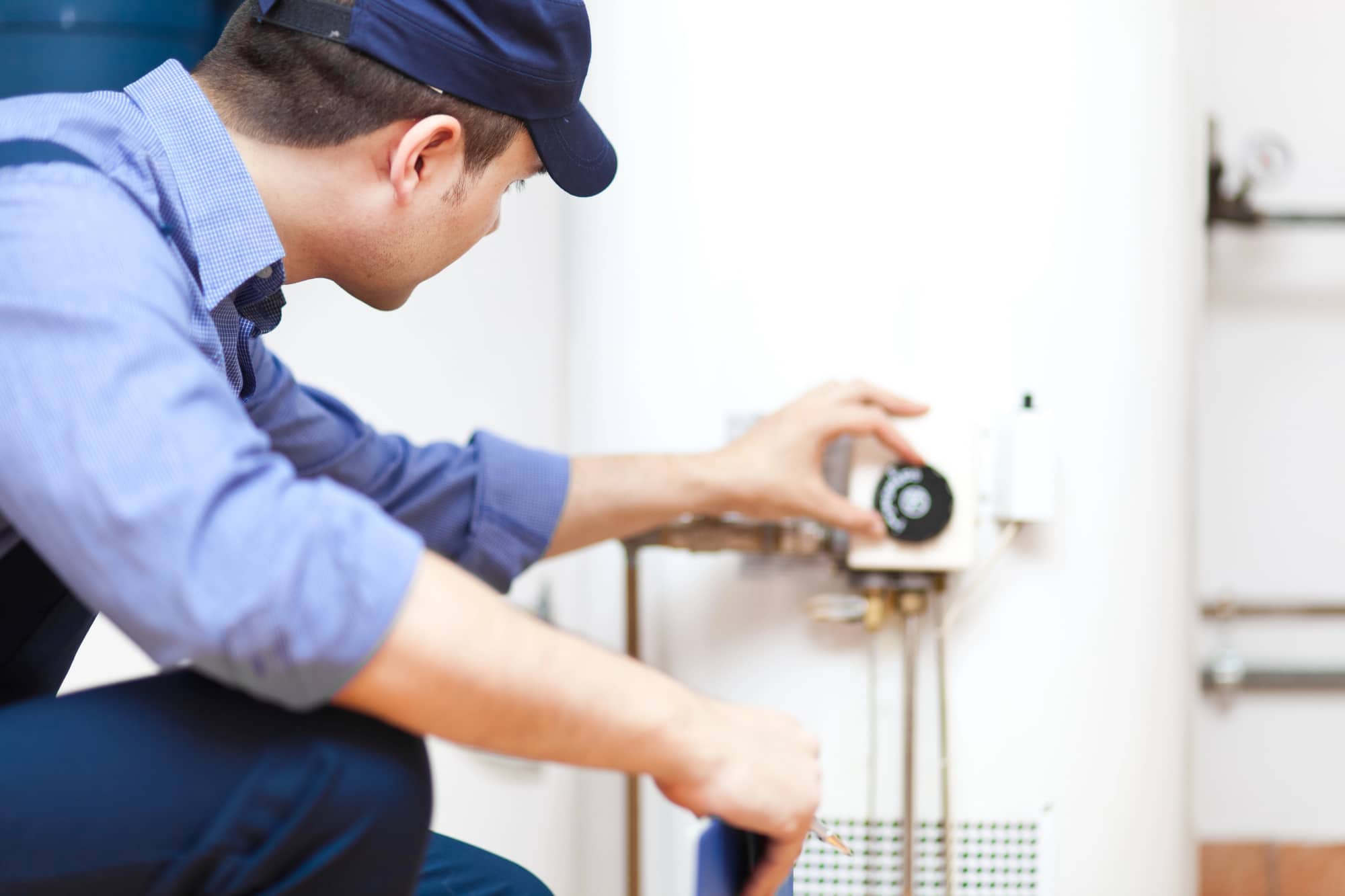 Homeowners protect PVC pipes by performing annual inspections of their plumbing systems, fixing minor problems promptly, and following proper care to keep water flowing clean and consistently. The ongoing maintenance also protects the home from leaks, structural damage, and costly repairs.
Preventive measures enable homeowners to achieve long-term value, extend the lifespan of their PVC pipes, and maintain a safe system in all local conditions, including temperature changes, water pressure variations, and soil movement.
Using the right cleaning techniques keeps PVC pipes clear of buildup, mineral deposits, and residues that can block water flow or create pressure imbalances. The homeowner should use mild, pipe-safe cleaners rather than harsh chemicals.
Sometimes sweeping the lines stops stagnation and bacterial growth. These safe cleaning habits maintain good water quality and help PVC pipes last.
A critical maintenance step is leak detection. Check for leaks on damp walls, low water pressure, strange sounds, or higher water bills. Finding leaks early prevents contamination, water damage to property, and poor plumbing performance. Quick repairs keep PVC pipes safe for household use.
Routine inspections prevent costly or dangerous problems from developing. Inspection of joints, fittings, exposed pipes, and water flow patterns confirms everything works as expected. PVC pipes are safe because cracks, misalignments, or aging components are found early during inspections. High-quality water extends the life of the system.
Get your PVC plumbing system inspected for hidden problems by scheduling maintenance. The modern tools measure pressures, examine underground pipes, and check installation standards. Minor issues are found early, system performance remains optimal, and PVC pipes are safe to use. Such planned care protects your home and adds value over time.
Yes. Regular visual inspections help detect issues with PVC pipes early, such as small cracks, discoloration, mineral buildup, or loosening joints. Catching these problems early stops leaks from spreading, reduces repair costs, and protects the whole water system. This proactive approach keeps PVC pipes safe and reliable over time.
Tips for preventing frozen pipes are important for PVC plumbing safety because frozen water expands inside the pipe and creates cracks or bursts. Insulation, sealing gaps, or allowing slow water flow during severe cold protects the system. These tips keep PVC pipes delivering safe water without bending in freezing weather.
Yes. Maintaining PVC pipes reduces the risk of cold-weather damage by ensuring that pipes are properly insulated, joints are sealed, and leaks are addressed promptly. Clean and well-protected pipes are far less likely to freeze or crack under low temperatures. Consistent maintenance helps the system withstand seasonal temperature changes safely.
Yes. Controlling high water pressure helps prevent PVC pipe failure by reducing strain on joints, fittings, and pipe walls. Excessive pressure can weaken PVC over time or cause it to suddenly burst. Maintaining stable pressure keeps the system safe, efficient, and less prone to emergency plumbing issues.
Yes. Plumbing services Knoxville, TN can detect small leaks in PVC pipes using advanced tools, including pressure tests, moisture sensors, and thermal imaging. These methods identify leaks that homeowners typically cannot see, enabling timely repairs that prevent water waste, mold growth, and long-term structural issues.
Yes. Using the correct fittings reduces maintenance needs for PVC pipes by ensuring tight, secure, and compatible connections. Proper fittings prevent leaks, reduce wear on joints, and maintain steady water flow. This helps the entire plumbing system operate smoothly with fewer repairs over time.
Regular maintenance is crucial for fixing water pressure issues in PVC pipes, as it helps detect clogs, mineral deposits, loose fittings, and faulty pressure regulators. These problems typically impair water flow due to either excess or insufficient pressure. Routine checks ensure consistent performance and prevent system stress.
Yes. Protecting PVC pipes from direct sunlight contributes to their longevity by preventing UV rays from destroying the material. Too much sun can cause PVC to become brittle, faded, and crack. Shielding pipes with insulation or covers keeps them tough for years.
No. A PVC piping system will not last its intended lifespan without maintenance. Dirt buildup, soil movement, changes in water pressure, and small leaks can weaken the pipes. Routine upkeep prevents premature failure and costly repairs.
Yes. Whistling water pipes signal a needed maintenance check because the water pipes making a whistling sound usually mean high pressure, trapped air, or partial blockages. Ignoring the noise can cause more serious issues, so addressing it early ensures safe and smooth plumbing performance.


Bathroom sink leaks often result from loose pipe connections, deteriorated seals or washers, and clogged drains that increase pressure. Simple solu... Read More

A kitchen sink leak can cause a lot of damage to your home if left unaddressed, leading to mold growth, water damage, and costly repairs. That's wh... Read More
Main sewer line replacement is a critical task that homeowners may face at some point. The main sewer line is a crucial component of a home's plumb... Read More