
Fixing Water Pressure Issues
According to the U.S. Environmental Protection Agency (EPA), at just one drip per second, a single plumbing leak could waste up to 3,000 gallons of... Read More

Same-Day Service Available
Need a Plumber in Knoxville? We’re Ready to Help!




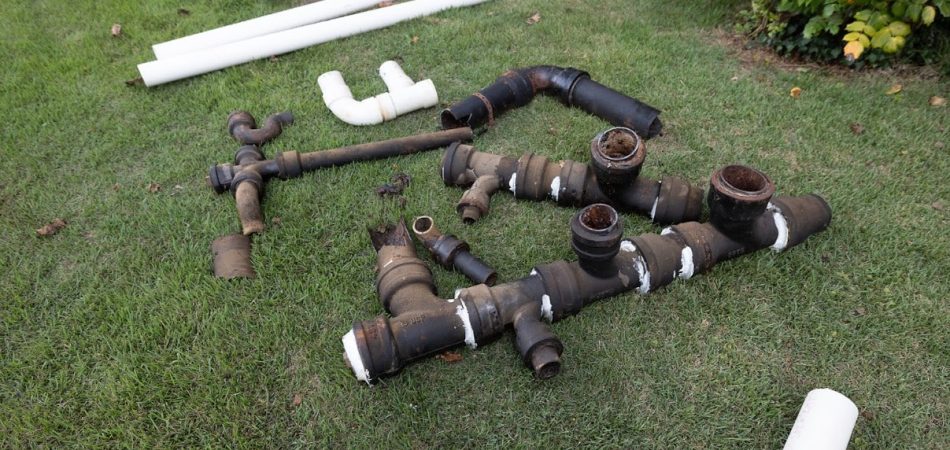
An underground water leak happens when pipes under the soil break, crack, or wear out. These leaks are hidden, so they are not easy to see with the eye. Even a small leak can waste gallons of water, raise bills, and damage the yard or building. Wet spots, sinkholes, and soil that shifts are signs of trouble. Detecting leaks early helps protect the property, keeps water lines safe, and avoids costly repairs.
These methods provide Knoxville plumbers with the tools to quickly locate leaks and protect the plumbing system. Tennessee Standard Plumbing uses these trusted steps to keep homes and businesses across Knoxville safe.
Plumbers locate underground water leaks using tools like water meter checks, pressure testing, acoustic listening devices, thermal imaging, tracer gas, and camera inspections. These methods pinpoint leaks without unnecessary digging, helping prevent property damage, high water bills, and structural issues. Early detection keeps plumbing systems safe and efficient.

The water meter test is one of the easiest ways to check for underground leaks. A plumber shuts off all taps, faucets, and appliances that use water. If the meter keeps moving when no water is in use, it shows water is escaping from a hidden spot.
This step is simple but needs close attention. Even a small change in the meter reading can mean there is a leak underground. It helps plumbers confirm that a problem is present before moving to other tools.
Visual inspection means checking the soil, grass, or pavement for signs of water. Wet patches, pooling water, or cracks in the ground can show where a pipe is damaged. Sometimes, even greener grass in one area points to a hidden leak.
This step may look simple, but it requires an experienced eye. Not all signs are clear, and a plumber must carefully separate natural soil changes from leak damage.
Pressure testing utilizes specialized tools to measure the water pressure inside the pipes. A plumber seals the system and then checks for pressure drops. A drop usually means water is leaking out somewhere underground.
This method gives direct proof that the plumbing system is not holding steady. It needs special tools and skills, since the readings must be exact to show where the problem lies.
Acoustic leak detection uses sensitive devices that listen for the sound of escaping water. Even underground, water makes a steady noise when it leaks from a crack or hole. Plumbers use headphones or sensors to track the sound.
This step takes careful attention, since many outside noises can affect the reading. A trained plumber can tell the difference between leak sounds and other background sounds.
Thermal imaging cameras show changes in heat patterns under the ground. Water leaks often make the soil cooler or leave wet areas that appear as color changes on the screen. This helps plumbers see where leaks may be hiding.
This step is useful when the leak is deep or not showing clear signs on the surface. It requires specialized cameras and training to interpret the heat patterns accurately.
Tracer gas detection uses a safe gas pushed into the pipe system. The gas is light and escapes quickly through cracks or holes. Special detectors then find where the gas comes up through the soil.
This step works well when water is not visible on the surface. It is very precise, but also requires careful handling of tools to ensure the test remains safe and accurate.

Video pipe inspection uses a small camera placed inside the pipes. The camera sends live pictures that show cracks, blockages, or damage. It gives a direct view of what is happening underground.
This step needs expert handling since the camera must travel through bends and long pipe runs. It helps plumbers see the exact location of leaks and decide the best repair plan.
Leak detection is not a simple task. Pipes run under soil, concrete, and walls, which makes it hard to spot problems without the right skills. Hiring a trained plumber also saves money and time. Instead of guessing where the leak is, the plumber finds the exact spot. This avoids digging in the wrong place and reduces costly repairs. It also helps protect clean water and prevents damage to soil or building foundations.

You need a professional plumber for leak detection because they have:
Advanced tools that locate underground water leaks include listening devices, cameras, sensors, and radar systems. These tools help plumbers find the exact spot of a leak without guesswork. Accurate detection saves water, reduces digging, and lowers repair costs.
The advanced tools to help locate underground water leaks accurately are:
Acoustic listening devices pick up the sound of water escaping from a pipe. A plumber uses sensors and headphones to listen for leaks through soil, walls, or concrete. This tool avoids random digging and points to the exact place where water is lost.
Pipe locators trace the path of underground water lines. By knowing where pipes run, plumbers narrow down the search area. This tool reduces time and keeps repairs focused on the right section of the pipe system.
Thermal imaging cameras show hot and cold spots under the ground. A leaking pipe often cools the soil around it, and the camera shows this change in color. This helps find leaks that do not show on the surface.
Ground penetrating radar sends signals into the soil to detect changes caused by water. It maps underground layers and shows areas that hold extra moisture. This tool works well in larger properties or places with thick concrete.
Moisture detection sensors measure how much water is in the soil. High moisture readings in one area point to a leak below. These sensors give quick results that confirm where water is escaping.
Accurate tools protect homeowners from extra digging, costly repairs, and water waste. Early detection with these devices keeps plumbing systems safe, reduces property damage, and improves long-term reliability.
Recurring slow drains, unusual noises, persistent foul odors, and unexplained increases in water bills. These warnings often appear before a major plumbing problem develops. Paying attention early helps prevent serious damage and saves money on repairs.
The signs homeowners should watch for before calling a plumber include:
Spotting these signs and calling a plumber right away keeps plumbing systems safe, lowers costs, and gives peace of mind.
Underground leaks can damage your property by silently weakening structures and causing hidden problems under the soil. These leaks often go unnoticed until they create serious risks. Knowing the kinds of damage they cause helps homeowners act early and protect both safety and property value.
Underground leaks damage your property by causing:
Underground leaks create both safety and financial risks when left untreated. Detecting and fixing them early keeps the home strong, protects health, and prevents expensive repairs in the future.
Homeowners can prevent underground water leaks by keeping up with routine inspections, watching for early warning signs, and reaching out to a Knoxville plumber at the first hint of trouble. Prevention matters because leaks grow worse over time, leading to higher repair bills, wasted water, and hidden damage to soil or structures.
Regular inspections of water meters, drains, and outdoor plumbing help catch small issues before they turn into major leaks. A plumber can also use tools like pressure testing or video inspection during yearly checkups to confirm the pipes are in good shape.
Prevention also lowers customer concerns. By acting early, homeowners avoid sudden water damage, mold growth, and costly structural repairs. It also helps keep water bills steady and the plumbing system reliable. Choosing prevention instead of waiting for leaks to appear protects both the home and the family living inside.
The cost to repair an underground water leak usually ranges from a few hundred to several thousand dollars. The final price depends on pipe location, soil conditions, and how much damage has spread. Repairs are more affordable when leaks are found early, before structural damage occurs.
Yes, underground leaks can increase water pressure problems inside the house, and fixing these water pressure issues is necessary. A leaking pipe changes how water flows through the system, leading to weak pressure in taps or uneven flow. Over time, this strain can damage appliances, fixtures, and other parts of the plumbing system.
Ignoring an underground water leak risks soil erosion, structural damage, and high water bills. Leaks can also cause mold growth, poor indoor air quality, and even sinkholes. Long-term neglect makes repairs more costly and puts both property safety and family health at risk.
A plumber usually takes a few hours to locate and fix an underground leak. Simple leaks may be resolved in half a day, while complex leaks under concrete or deep soil can take longer. Advanced tools help reduce time and limit digging around the property.
Yes, some homeowners’ insurance policies cover underground water leaks, but only if they are sudden and accidental. Most plans do not cover damage from gradual wear and tear or poor maintenance. Homeowners should review their policies or ask their insurer for clear coverage details.
Yes, tree roots are a common cause of underground water leaks. Roots grow toward water sources and push into small pipe cracks, breaking them over time. This not only causes leaks but also clogs, creating water pressure problems and costly repairs if left untreated.
A slab leak happens under the concrete foundation of a home, while an underground water leak occurs anywhere below the soil. Both types are hidden, hard to detect, and dangerous for property stability. The main difference is location, which also changes how repairs are done.
Yes, underground leaks can affect both fresh water and sewer lines. Fresh water leaks waste clean water and raise bills, while sewer leaks release waste that can damage soil and spread odors. Both types of leaks risk property damage and serious health hazards.
Homeowners can shut off the main water supply as a temporary fix before a plumber arrives. This step stops water loss and prevents further damage. Some use waterproof tape or clamps for very small leaks, but these are short-term solutions and should not replace professional repair.
Yes, modern leak repair methods in Knoxville reduce underground leaks by using non-invasive tools like trenchless pipe repair, epoxy lining, and camera inspections. These techniques fix damaged pipes without digging up large areas. They also extend pipe life, lower repair costs, and protect property structures.


According to the U.S. Environmental Protection Agency (EPA), at just one drip per second, a single plumbing leak could waste up to 3,000 gallons of... Read More

Installing a water booster pump is a reliable way to improve low water pressure at home. It involves choosing the right pump, preparing the area, m... Read More

Plumbing technology has transformed dramatically over the past several decades, moving from lead and galvanized steel pipes to flexible PEX tubing,... Read More