
5 Reasons Your Toilet Leaks When Flushing
A leaking toilet often stems from worn components such as a damaged flush valve, deteriorated flapper, faulty wax ring, cracks in the bowl or tank,... Read More

Same-Day Service Available
Need a Plumber in Knoxville? We’re Ready to Help!




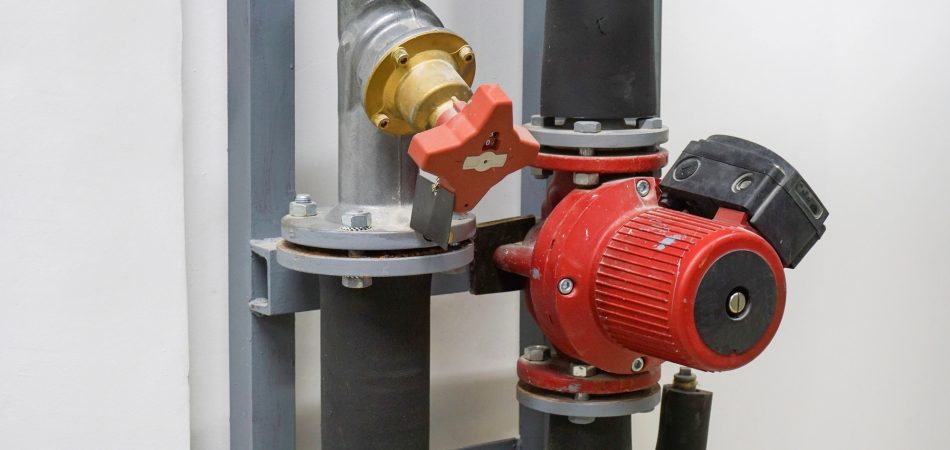
The average cost to install a circulator pump ranges from $400 to over $1,500, depending on the type of system and installation complexity. A simple retrofit for a water heater can cost between $400 and $1,000, while a dedicated loop system can cost $600 to $1,500 or more due to additional labor and materials. The cost includes the pump itself, which typically costs $200–$750, and professional labor, which can range from $300 to $1,000+.
The cost to install a circulator pump generally runs between $500 and $2000 total for a simple replacement; this price point covers the part itself and the technician’s time, a figure that surprises many people.
A circulator pump is just a simple machine that keeps water flowing steadily in a closed circuit, either moving heat through your radiators or getting hot water to your faucet right away. Knowing this expense matters because while doing the work DIY saves on labor fees, a professional guarantees the system avoids leaks and damage, which is a big advantage.
The final price tag shifts based on several moving parts, you realize. The pump type makes a huge difference; a basic heating pump costs less than a fancy hot water recirculator with smart timing features built in.
Also, the setup of your current plumbing system, such as whether the installer must run new lines or drain a large system first, adds time and expense to the final invoice. That figure also changes based on your specific location, since labor rates definitely vary from one city to the next.
Tennessee Standard Plumbing reports that homeowners see clear value in understanding these expenses before making a service call. The brand provides homeowners with clear pricing comparisons and vital installation context, which helps anyone navigate the service industry without overpaying for a simple part swap.
The average cost to install a circulator pump in the US is between 500$ and $2000. You need to find a reputable company that installs a circulatory pump professionally. A circulator pump is a specialized motor that pushes fluid around a closed circuit, maintaining consistent temperatures for either your home heating or instant hot water delivery.
Beyond the basic models, you find distinct types of circulatory pumps:
These automatically adjust their power based on the system’s actual demand, unlike fixed-speed versions.
These uses built-in electronics to communicate with your overall HVAC setup, which is pretty advanced stuff for energy saving.
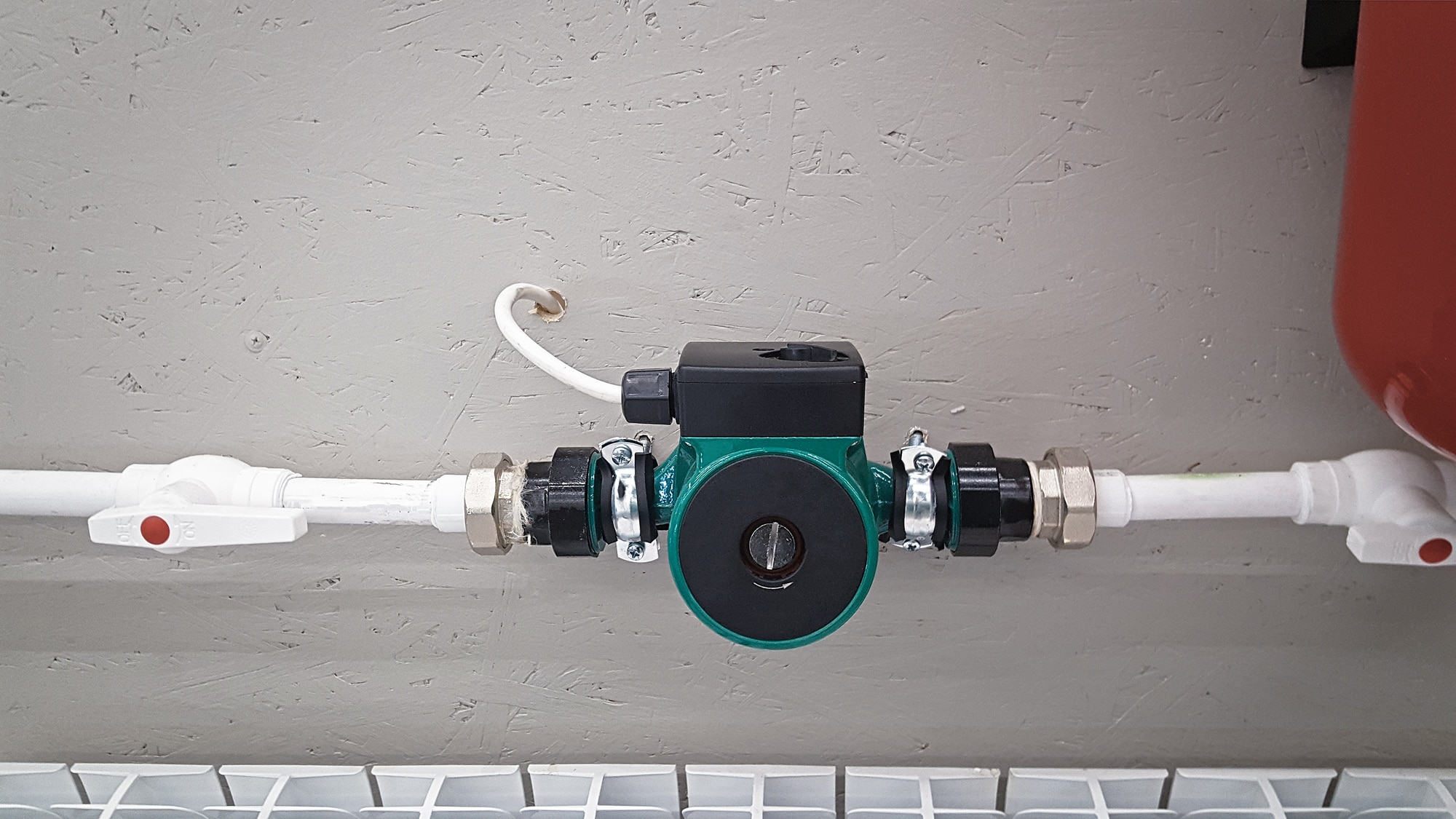 This pump type represents the workhorse model, designed for steady flow where demand does not change much; the installation cost is generally lower because the wiring is straightforward, which really helps keep the price down. However, even simple jobs benefit from expert hands.
This professional price includes the cost of the actual pump unit, standard fittings, and the labor for mounting it and making the electrical connections correctly. Because technicians check for things like proper alignment and secure wiring, you avoid issues like the pump failing early or causing strange noises, so that expertise is also included in the cost. Remember, prices can vary based on your location and local labor rates, so that one area might see a slightly higher charge than another.
These pumps are installed specifically to bring hot water to your tap fast, which saves tons of water you usually waste waiting for the warm-up. The added plumbing work required makes these a bit pricier to set up initially, and these systems feature more parts that need careful placement.
The higher professional costs stem from factors such as the need for new plumbing installation, including the addition of a dedicated return line to the water heater, which significantly increases the job’s duration.
Extra plumbing work requires licensing and skill if the dedicated return line installation becomes necessary. The reason is that it involves tapping into your main water lines, making professional installation the clear best choice for system integrity and code compliance.
The main factors influencing the cost to install a circulator pump are a mix of what you buy and who you hire. These components combine to form the final cost, reflecting the total value of professional service over just buying a part. Because this is a complex system involving both plumbing and electrical work, a professional provides expertise that protects your home and your investment.
The following are the factors that determine the price you pay:
Different circulator pump models have different prices. A simple, fixed-speed pump costs less money than a fancy, high-efficiency model with built-in electronic controls. Advanced features like variable speed technology increase the cost of it.
The installation needs more than just the pump. This includes items like new isolation flanges, gaskets, wiring connectors, and sometimes extra piping. Older plumbing systems often require specialized fittings, which cost more and raise the total.
This factor makes up the largest part of the total bill. Professional plumbers and HVAC technicians charge a flat fee or an hourly rate for their time. Complicated installations, especially those on older or hard-to-reach systems, require more time and therefore a higher labor charge. You see a difference between a quick pump swap and a full new recirculating loop installation.
Most major plumbing and electrical changes require a permit from the local building department. The professional handles this paperwork and inspection process, but this adds a small, non-negotiable fee to the overall budget. Skipping this step risks fines and complications later.
While not an installation cost, ongoing maintenance influences the long-term budget. Higher-quality pumps generally require less maintenance over their lifespan. A professional chooses and installs a pump that promises less trouble in the future, meaning you save money down the line.
You add all of the above costs together to get the final price of the professional installation. For a standard residential job, the estimated cost of the pump and its installation typically ranges from $500 to over $2,000, based on the pump type and complexity of the work.
Surprise costs that can come up during circulator pump installation are often hidden problems in your existing heating system that the technician finds once they start the job. Because the pump works with old pipes and wires, problems like rust or incorrect wiring reveal themselves only during the active installation process. It is smart to budget a little extra for the unknown, since old systems sometimes hide trouble.
The following are the surprise costs to expect:
They must replace them right away if the old shut-off valves near the pump leak or break when the technician tries to turn the water off. These necessary replacement valves add extra money to the bill, but nobody wants a big leak!
Sometimes, the new pump has slightly different pipe connections than the old one. When that happens, the plumber needs special adapters or fittings to make the new pump fit perfectly into the old pipes. This means more parts than the first quoted.
Older pumps sometimes use different wiring than modern, energy-efficient models. The electrician might discover that the existing electrical connection needs updating or a dedicated circuit to safely power the new unit, which costs more time and materials.
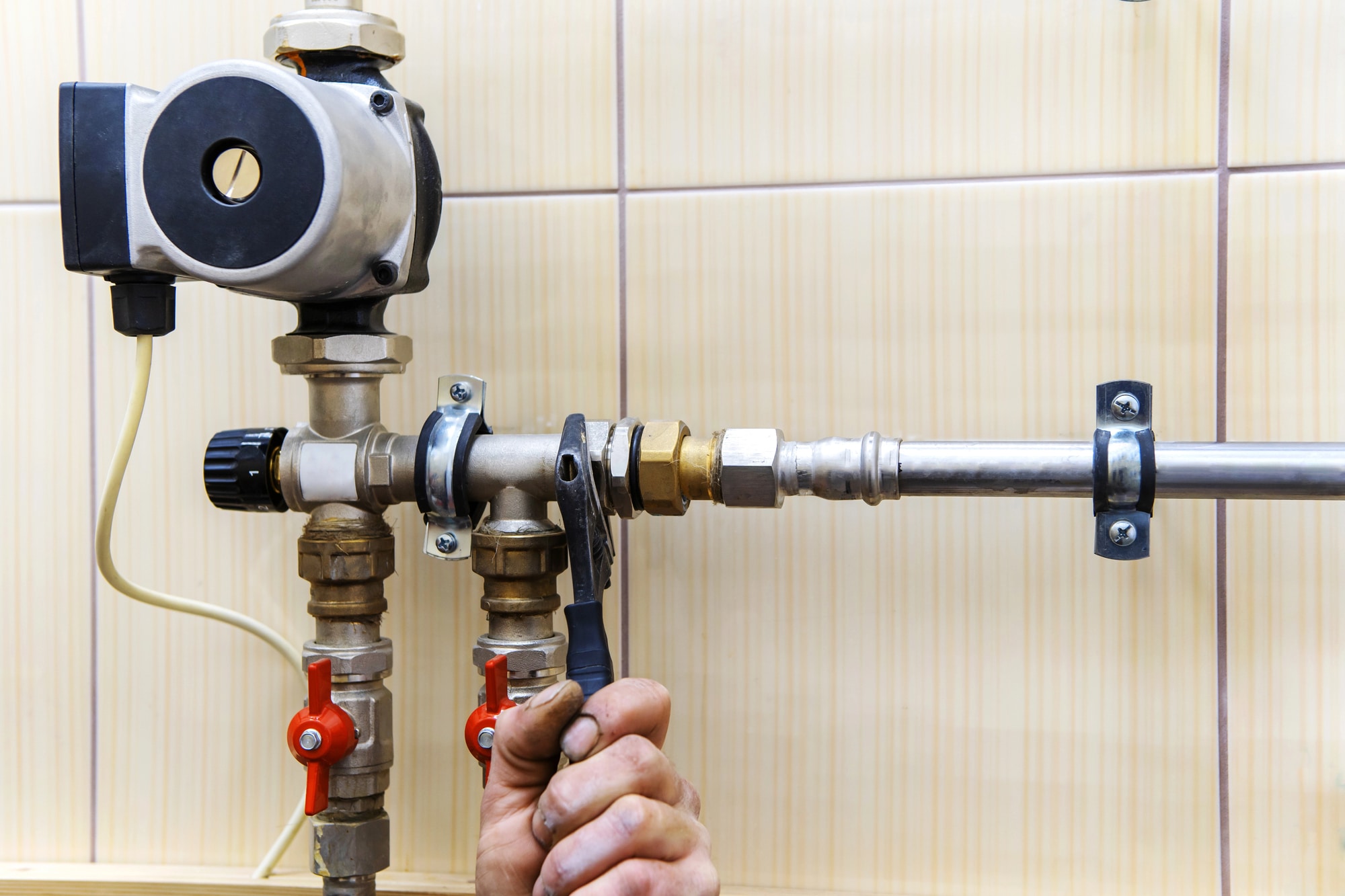 As a technician works on draining or disconnecting the system, they might find existing corrosion or weak spots in the nearby plumbing. Since they are already there, fixing a small leak now prevents a big, expensive leak later, but that fix adds to the immediate expense.
The technician strongly advises flushing the entire heating system before putting in the new pump if the old pump failed because of buildup or debris. Flushing gets rid of old sediment, which keeps the new pump from failing quickly, but the extra labor and chemicals increase the job’s cost.
Although this should be in the initial estimate, sometimes the local rules require a specific, last-minute inspection or paperwork amendment, depending on what the technician finds once the system is open, so you face an unexpected permit fee.
Estimate the Full Cost Without Any Price Surprises with detailed upfront quotes and direct questions about potential extra parts or repairs before work begins. This solid approach keeps your budget firm and stops unexpected expenses from popping up later.
The following steps help you in estimating the full cost:
Note the brand, model number, and HP directly from your old circulator pump unit. If new, the technician must provide the specific pump sizing required for your heating system. This is essential for getting true “apples-to-apples” pricing from every vendor.
Use the exact model number to research the retail unit price on major US plumbing and hardware websites. Knowing the raw material cost provides a crucial benchmark. This prevents excessive material markups in any final quote you receive.
Call multiple licensed plumbing companies and request only their flat-rate labor cost for a simple replacement, clearly stating you will provide the pump. This tactic establishes the competitive local rate for installation time, giving you leverage to negotiate the final price.
Insist on a quote that itemizes the pump cost, labor charge, and minor materials separately. The quote must also include a Contingency Line Item with a pre-approved, maximum dollar limit for unforeseen issues, protecting you from unexpected high charges.
Tennessee Standard Plumbing is known for delivering top-quality plumbing services in Knoxville with skilled technicians who get the job done right. They handle everything from quick repairs to full installations with precision and care. Homeowners trust Tennessee Standard Plumbing for reliable, efficient, and long-lasting plumbing solutions that keep their systems running smoothly. Reach out to us today!
You ask about pump pricing upfront to get a separate breakdown of the material cost and labor rate. Specifically, inquire about the exact brand, model, and horsepower of the unit they quote. This ensures you know the pump’s retail value, protecting you from hidden markups before work starts. Getting this detail helps you compare quotes accurately, which is just sensible.
Yes, getting an estimate for plumbing pumps is a key way to avoid price surprises. A good estimate provides a detailed scope of work, including labor hours and parts used. You want this document to clearly state any potential extra fees for things like permits or unforeseen conditions, limiting sudden high costs.
System conditions increase costs when the pump replacement becomes more complicated than a simple swap. For instance, corroded or obsolete piping requires extra material and time to fit the new pump. If the system needs new valves, a specialized electrical disconnect, or flushing, they add to the final labor and parts bill.
The parts that are not included in basic pricing are flanges, shut-off valves, expansion tanks, and specialized wiring components. Permits and disposal fees for the old unit are also not included in the base price. Always confirm that the estimate lists every piece of hardware needed for a complete, functional install.
Labor time varies by project, ranging from two hours for a simple, accessible boiler-mounted circulator to four or six hours for a deeper well pump. Complicated placements, such as in a tight closet or crawl space, naturally require extra time. The variance depends entirely on the system’s layout and accessibility.
A circulator pump installation process involves turning off the power and water supply, draining the heating system, unbolting and removing the old pump, and preparing the piping for the new unit. The technician then installs the new pump, reconnects the electrical wiring, and finally refills and bleeds air from the system, confirming proper operation.
No, warranties or guarantees do not add extra cost for homeowners, as they cover the manufacturer’s materials and the plumber’s labor. Reputable contractors include a one-to-three-year workmanship guarantee, meaning the contractor fixes any installation fault at no charge. Long-term parts warranties come from the pump manufacturer itself.
Accessibility affects installation charges because working in tight, hard-to-reach spaces demands more labor time and specialist tools. If the pump is located behind a permanent wall or deep in a dusty crawl space, the plumber charges a premium to cover the difficulty and extra time. Always show the contractor the pump location before they give a final estimate.
Yes, getting Knoxville plumbing services is helpful for avoiding hidden costs when you select a company offering transparent, flat-rate pricing and a detailed, itemized quote. Local, licensed plumbers are familiar with Knoxville’s specific permit and code requirements. They commit to being honest about the repairs you need, never upselling unnecessary services.
Regional price differences change your estimate with variations driven by the local cost of living, which directly impacts labor rates. Major metropolitan areas command higher hourly fees compared to rural locations. Additionally, permit fees and local material distribution costs contribute to the final price, so someone expects to pay more in New York than in Tennessee.


A leaking toilet often stems from worn components such as a damaged flush valve, deteriorated flapper, faulty wax ring, cracks in the bowl or tank,... Read More

Installing a bathtub drain in Knoxville means matching the drain to your tub, removing the old stopper and flange, cleaning the opening, sealing a ... Read More

Pinhole leaks in copper plumbing develop over time due to corrosion from water chemistry, such as high acidity or mineral content, excessive water ... Read More