
How a Bad Pressure Tank Leads to Air in Your Plumbing System?
A bad pressure tank leads to air in your plumbing system primarily because of a broken air bladder, which causes the tank to become "waterlogged". ... Read More
Same-Day Service Available
Need a Plumber in Knoxville? We’re Ready to Help!




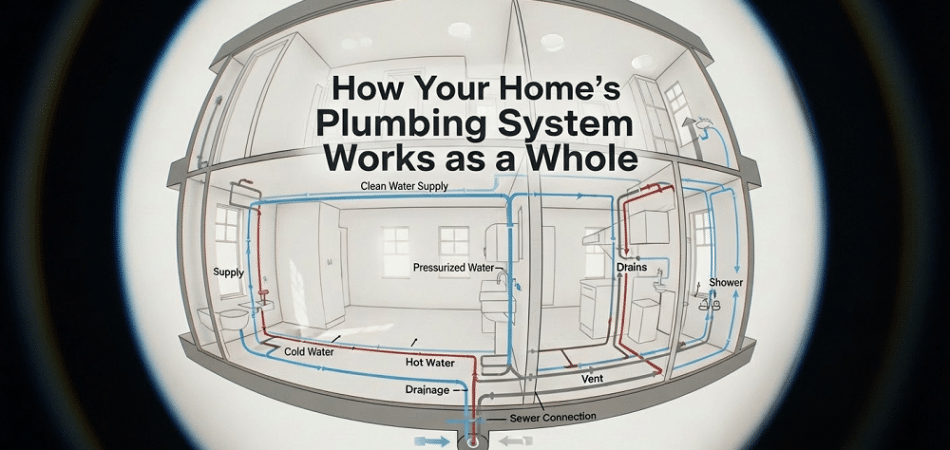
Your home’s plumbing system works as two interconnected subsystems: the supply system, which brings pressurized fresh water in via pipes from the street or well to fixtures, and the drainage system, which uses gravity and vents to carry wastewater out through drainpipes to a sewer or septic system, keeping fresh water and waste separate and preventing sewer gases from entering.
Most homeowners rely on their plumbing system every day without thinking about what happens behind walls, under floors, or beneath the ground. Water flows when a handle is turned, and wastewater disappears when a fixture is used. When everything works as it should, the system stays quiet and dependable.
A home’s plumbing system works as a whole by bringing clean water into the house under pressure, delivering it safely to fixtures and appliances, and removing wastewater through gravity-based drainage supported by venting. Understanding this full process helps homeowners recognize normal operation, notice changes early, and communicate clearly when service is needed.
At Tennessee Standard Plumbing, we believe homeowners benefit from understanding how their plumbing system works as a whole. If you ever have questions or want an experienced plumber to evaluate how your system is performing, call us today to speak with professionals who work with residential plumbing systems every day.
A residential plumbing system is a connected network rather than a collection of isolated pipes. It includes the water supply, internal distribution piping, fixtures and appliances, drainage lines, traps, vent pipes, and the main sewer connection.
Each part has a specific function, but none of them operate independently. A disruption in one area often affects another, which is why plumbing problems may appear far from their original source.

Water enters a home through a main service line connected to a municipal water system or a private well. This line passes through the foundation or slab and becomes the starting point of the interior plumbing system.
Most homes have a main shutoff valve near this entry point, although the location varies based on construction style and age. This valve allows the water supply to be turned off during repairs or emergencies.
Once inside, water remains under pressure supplied by the municipality or a well pump, allowing it to travel throughout the house.
Water pressure allows water to reach upper floors, supply multiple fixtures, and respond immediately when a valve opens. In many homes, a pressure-reducing valve is installed to keep incoming pressure within a safe operating range.
Not all homes have pressure regulators, particularly older properties, but unmanaged pressure can place ongoing strain on pipes, fittings, and appliance connections.
Local shutoff valves are commonly installed at sinks, toilets, and appliances. Some older homes may not have individual shutoffs, which is why knowing where the main valve is located matters.
After entering the home, water travels through a branching network of supply pipes that serve bathrooms, kitchens, laundry areas, and exterior connections.
Cold water supplies fixtures directly and also feeds the water heater. Once heated, water travels through a separate set of pipes to fixtures that require temperature control.
This separation allows faucets and showers to blend hot and cold water as needed. If one side of this system is disrupted, homeowners may notice temperature instability or reduced performance.
Homes may use copper, PEX, CPVC, or other approved piping materials depending on construction date, regional practices, and local codes. Pipe layout affects how evenly water pressure and flow are distributed.
Well-designed systems allow multiple fixtures to operate at the same time with minimal pressure drop or temperature change.

Fixtures and appliances are the points where homeowners interact directly with the plumbing system. Faucets, toilets, showers, dishwashers, and washing machines connect the pressurized supply system to the drainage system.
Valves inside fixtures control water flow. Over time, internal components can wear, leading to drips, inconsistent flow, or reduced control.
Beneath sinks, tubs, and showers, traps hold a small amount of water that blocks sewer gases from entering the home. Traps rely on regular use to maintain this seal. In rarely used fixtures, the water in a trap can evaporate.
Once water is used, it exits the home through drain piping that relies on gravity rather than pressure.
Drain pipes are installed with a consistent slope that allows wastewater and solids to move toward the main sewer line. If the slope is incorrect or the piping is damaged, slow drains or buildup can occur.
All interior drains connect to a main sewer line that exits the home and leads to a municipal sewer or septic system. Because every drain depends on this line, problems here often affect multiple fixtures at once.
Venting supports the drainage system by managing air pressure inside the pipes. Vent pipes usually extend through the roof and allow air to move in and out of the system as water flows.
When wastewater moves through a drain, it displaces air. Venting allows that air to escape and be replaced, preventing pressure imbalances that could slow drainage or disturb trap seals.
Vent pipes may also carry moisture and condensation during normal operation. Vent-related issues can cause symptoms that resemble drain blockages, which is why accurate diagnosis matters.
A home’s plumbing system functions properly because each part supports the others. Pressurized supply lines deliver clean water. Fixtures regulate use. Gravity-driven drains remove wastewater. Traps block sewer gases. Vents stabilize pressure.
When one part of the system struggles, the effects may appear elsewhere. A slow drain may relate to venting. Noisy pipes may relate to pressure. Temperature fluctuations may relate to supply balance.
Understanding these relationships helps homeowners describe issues clearly and seek appropriate service.

Knowing how your plumbing system works as a whole does not replace professional service. It helps homeowners recognize changes early and respond before damage spreads.
Recurring clogs, pressure changes, unusual sounds, or inconsistent temperatures often signal developing issues. Addressing these signs early can limit disruption and reduce repair scope.
At Tennessee Standard Plumbing, our approach focuses on evaluating plumbing as a complete system rather than isolated parts. If you have questions about how your plumbing is performing or want a professional inspection, contact us today!
A home plumbing system brings water into the house under pressure, distributes it through supply pipes, delivers it to fixtures, and removes wastewater through gravity-based drains supported by venting.
The main parts include the water supply line, distribution piping, fixtures and appliances, drain pipes, traps, vent pipes, and the main sewer connection.
Vent pipes allow air to move through the drainage system so wastewater can flow properly, and traps can prevent sewer gases from entering the home.
Because plumbing systems are connected, a blockage, pressure issue, or vent problem in one area can impact several fixtures at the same time.
Yes. Because a home’s plumbing system is connected, a problem such as a blockage, pressure imbalance, or venting issue in one area can cause symptoms in other fixtures, even if they are located far apart.
Water pressure can drop when several fixtures run at the same time because the available flow is being shared across the system. Older piping layouts or partially restricted pipes can make this more noticeable.
A water heater receives cold water from the supply line, heats it, and then sends hot water back through dedicated piping to fixtures that require temperature control. It functions as part of the supply system rather than the drainage system.
Gurgling sounds often occur when air cannot move freely through the drainage or venting system. This can happen due to partial blockages, vent restrictions, or pressure imbalances within the pipes.
Residential drainage systems are designed to use gravity because it provides a reliable way to move wastewater without mechanical assistance. Proper pipe slope allows waste to flow steadily toward the sewer or septic connection.


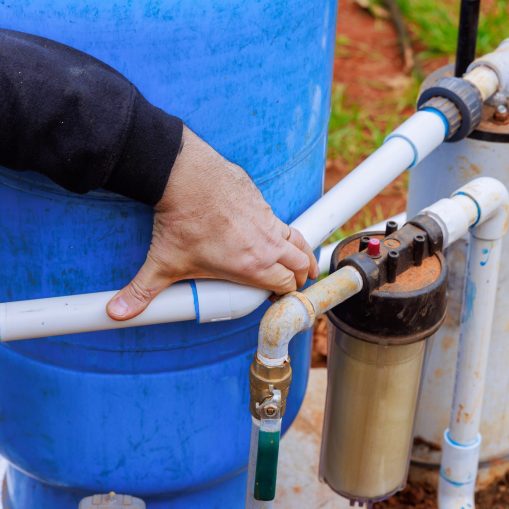
A bad pressure tank leads to air in your plumbing system primarily because of a broken air bladder, which causes the tank to become "waterlogged". ... Read More

The baking soda and vinegar method is a popular, eco-friendly approach for clearing minor clogs and odors in drains. This method relies on a simple... Read More
Tankless water heaters offer impressive energy efficiency and a longer lifespan than traditional tank units. However, they come with limitations li... Read More