
How to Install a Bathtub Drain: Proven DIY Guide and Expert Tips?
Installing a bathtub drain in Knoxville means matching the drain to your tub, removing the old stopper and flange, cleaning the opening, sealing a ... Read More

Same-Day Service Available
Need a Plumber in Knoxville? We’re Ready to Help!




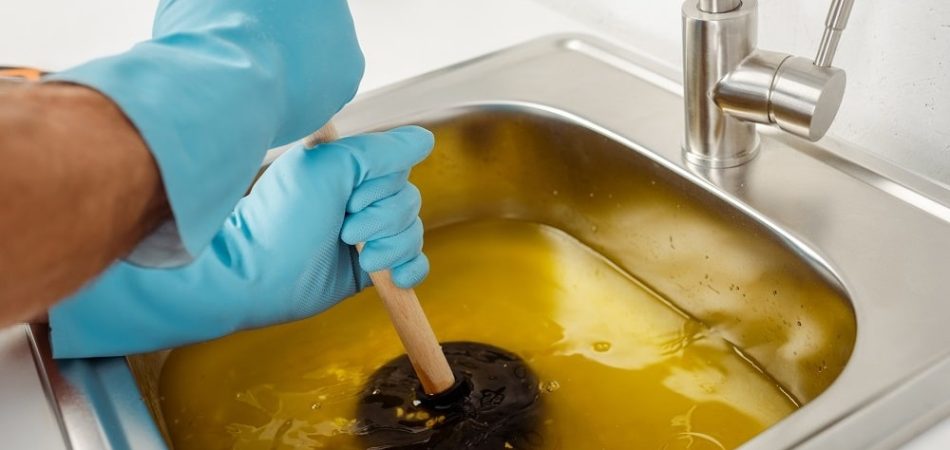
To quickly and easily fix a clogged kitchen sink drain, try using a plunger first, then a mixture of baking soda and vinegar, followed by hot water. For stubborn clogs, use a drain snake or clean the P-trap manually.
Fix a clogged kitchen sink drain to bring back smooth water flow and stop backups. Unclogging a kitchen sink drain means clearing the blockage and keeping pipes free from leaks. A clean and working drain keeps the kitchen safe, fresh, and ready for daily use.
These steps cover all basic and advanced methods. Each action removes buildup, restores flow, and protects the system. Following the order avoids damage and saves time. At Tennessee Standard Plumbing, we’re the team Knoxville homeowners count on for tough or repeated clogs. We clear drains, repair leaks, and deliver lasting solutions with skill and care.
Need reliable help fast? Contact us today for drain cleaning service in Knoxville, TN.
Clear the sink of any standing water to start the cleaning. Standing water blocks your access and hides the clog. Use a cup or sponge to take it out. Emptying the sink keeps the work clean and avoids more mess when tools go inside.
Remove and clean the sink stopper or strainer to open the drain fully. Food bits and grease stay stuck on the cover. Take it out and wash it under hot water. Cleaning this part improves flow and makes later steps more effective.
Use a plunger to try dislodging the clog by creating suction. Place the cup firmly on the drain hole. Push and pull with steady strokes. The pressure breaks loose soft food and grease stuck near the opening.
Pour boiling water down the drain to melt grease and loosen soft buildup. Use a kettle or heat-safe jug. Pour slowly in two or three rounds. Hot water clears light blockages and prepares the pipe for deeper cleaning.
Apply baking soda and vinegar to break down debris with a natural reaction. Add half a cup of baking soda into the drain. Follow with vinegar and let it fizz. This reaction loosens dirt, kills smells, and makes the pipe fresher.
Flush the drain with hot water after the fizzing ends. Pour hot water directly down the pipe. It carries away loosened particles and clears the line fully. Repeating once more makes the result stronger and keeps the drain fresh.
Use a drain snake to manually remove blockages that stay deeper. Please insert the tool into the pipe gently. Rotate the handle to catch food or hair. Pull the snake back up and throw away the debris.
Disassemble and clean the P-trap under the sink to remove hidden clogs. Place a bowl under the pipe to catch water. Unscrew the trap carefully and wash it out. Cleaning this part restores flow where most clogs gather.
Reassemble the plumbing and check for leaks after cleaning the trap. Put the P-trap back in place and tighten the joints. Run a little water to confirm no drops fall. A tight seal keeps the system safe and steady.
Test the drain to ensure water flows smoothly after all steps. Run the tap for several seconds. Watch the sink as water drains down fast. A smooth flow proves the pipe is clear and ready for daily use.
Unclog a double kitchen sink in the same way as a single sink. Steps like plunging, using a drain snake, or cleaning the trap stay the same. The only change is while plunging one side. Cover the second drain hole with a wet cloth or a stopper. This stops air escape and gives strong pressure on the clog. Once sealed, plunge the other side. Rest steps stay the same for both single and double sinks.
The kitchen sink gets clogged due to layers of waste, grease, and minerals that restrict water flow inside the pipes. These blockages build slowly and turn into stubborn clogs when ignored. Every kitchen faces different risks, but most problems connect to the same common sources.
These are the root causes that result in clogged drains:
Old or damaged drains create bigger risks, including water leaks, mold growth, and costly repairs around the kitchen. Experts recommend timely drain replacement to protect your investment and keep everyday use smooth.
Signs of a clogged kitchen sink drain include slow-draining water, foul smells, and backups in the sink. These are very common signs that occur. Call a professional plumbing service if you see any of these signs.
Ignoring these warnings leads to bigger plumbing trouble and costly repairs:
 Water drains slowly from the sink
Clog signs grow worse when ignored. A small blockage turns into pipe damage, leaks, and more expenses. Timely action keeps the kitchen safe and healthy.
The tools needed to unclog a kitchen sink include those to clear blockages, loosen joints, and keep drains working smoothly. The right tools make the job easier and safer.
These are the tools needed to unclog a kitchen sink:
 Plunger and Bucket
For tough clogs, some use chemical drain cleaner or a wet/dry shop vacuum. Both need care, as misuse harms pipes or health.
Unclog the garbage disposal unit under the kitchen sink with some easy steps. A garbage disposal is a small machine fixed under the sink drain. It grinds food scraps into small bits so water washes them away. The unit keeps drains clear but jams when the wrong waste enters.
These are the steps to unclog a garbage disposal unit:
Chemical drain cleaners can clear clogs but should be used with caution in kitchen sinks. They hold sodium hydroxide or sulfuric acid that breaks down food and grease. These same chemicals also eat old metal and PVC pipes.
Chemical drain cleaners quickly dissolve light clogs like food scraps and grease. The liquid reaches the blockage fast and starts breaking it down. Many people choose them because they are simple to use. The bottle only needs pouring, no extra tools or effort. This makes them a fast choice for small clogs.
Chemical drain cleaners bring serious risks. The strong mix eats away at pipes made from metal or plastic. Fumes rise and hurt the nose, throat, and lungs during use. Small splashes burn the skin or eyes and create injuries. The liquid also leaves chemical residue inside the sink. That residue mixes with water and can touch food prep areas. They also harm septic systems and flow into soil and water, polluting the environment.
Keep chemical cleaners as the last choice. Always wear gloves, rinse after, and keep away from kids. Hire a professional plumbing drain cleaning service like Tennessee Standard Plumbing.
Prevent future kitchen sink clogs with simple care and smart habits. Regular maintenance keeps the drain clear and saves money on repairs. A few daily changes and weekly checks protect the pipes from heavy buildup.
These steps prevent future kitchen sink clogs:

Call a professional plumber when home fixes fail or deeper plumbing issues show. Kitchen sink clogs sometimes go beyond simple plunging. Persistent or recurring clogs after using plungers or cleaners show that the blockage lies deeper in the line. Slow drainage across more than one drain in the kitchen often signals a mainline clog that blocks connected pipes.
Water that backs up into the sink or dishwasher points to a shared drainpipe problem that only expert tools can clear. Visible pipe damage or leaks under the sink also demand resealing or pipe replacement to stop further trouble. Strange noises like bubbling or gurgling from the drain often signal venting issues or hidden clogs.
Foul odors that remain even after cleaning suggest waste is stuck deeper in the pipes. Failed P-trap cleaning shows the clog sits further down the line, while fragile or older pipes require professional handling to avoid cracks and leaks.
Ignoring these signs brings worse clogs, broken pipes, water backups, and unsafe contamination. Early help avoids big damage. A plumber knows the right method, restores safe drainage, and keeps pipes in shape.
Tennessee Standard Plumbing gives fast clog removal, full drain cleaning, and trusted kitchen plumbing repair. They offer emergency help, upfront prices, and long-term fixes for peace of mind.
No. A clogged sink does not fix itself over time. Food waste, grease, or soap builds up inside the pipe and stays stuck. Over time, the blockage grows harder and the water flow slows more. Clean the sink drain because waiting makes the clog worse and creates pressure inside the pipe that can cause leaks or damage.
Clean the sink drain once every week for smooth flow. Unclogging a kitchen sink drain with regular cleaning, as it removes grease, soap, and food scraps before they harden. A weekly flush with baking soda, vinegar, and hot water keeps the line clear. Skipping this care allows buildup to turn into clogs that block the drain fully.
Yes. A drain snake is needed for a clog, as it helps when plunging does not restore flow. Snaking reaches deeper than basic tools and pulls out stuck debris. A snake clears food, hair, and other waste from the line. Using one early prevents tougher blockages that require heavy equipment or professional plumbing service later on.
The best natural drain cleaner is baking soda with vinegar, followed by hot water. This mix breaks down grease, soap scum, and light food particles without chemicals. It is safe for pipes and eco-friendly to unclog a kitchen sink drain. Regular use keeps drains fresh, reduces odors, and lowers the risk of future clogs forming.
Yes. Plunging damages the pipe in the wrong way. Strong, repeated plunging places pressure on joints and seals, especially in old pipes. That pressure sometimes cracks connections, and leaks start. Gentle plunging with steady force clears clogs safely. For deeper clogs, other methods work better without hurting the pipe structure.
When the snake doesn’t catch the clog, the blockage sits deeper or is too solid. Thick grease or objects stuck far down the line often resist basic snaking. At this stage, professional tools like hydro jetting break through. Leaving it blocked risks a full backup and serious plumbing damage.
Yes. A wet/dry vacuum sucks out a clog, removing some clogs by pulling out waste or forcing water through. It works best on soft blockages near the opening. For deep or solid clogs, the vacuum fails to clear fully. Sealing the drain tightly during suction improves results and lowers the mess around the sink.
No. A wet/dry vacuum does not harm the pipes. The suction acts only inside the drain and does not create cracks. Vacuum cleaning is safer than plunging in many cases. Pipe joints and seals stay intact. Strong pressure from the tool clears the path without breaking fragile pipe material.
When a spoon or fork falls into the drain, it blocks the flow and scratches the pipe; never push water through, as it forces the item deeper. Turn off the water at once, remove the drain cover, and reach in to lift it out. If stuck deeper, use pliers or call a professional service for safe removal.


Installing a bathtub drain in Knoxville means matching the drain to your tub, removing the old stopper and flange, cleaning the opening, sealing a ... Read More

A backflow preventer is a simple device that protects your drinking water. It acts like a one-way valve. It stops contaminated water from flowing b... Read More

An outdoor sump pump helps manage excess water in low-lying areas, redirects groundwater away from the foundation, and adds an extra layer of flood... Read More