
How Long Does a Battery Backup Sump Pump Last? Types and Factors Explained
A battery backup sump pump system will often serve you for about 5–10 years, while the battery itself usually needs to be replaced every 3–5 years.... Read More

Same-Day Service Available
Need a Plumber in Knoxville? We’re Ready to Help!




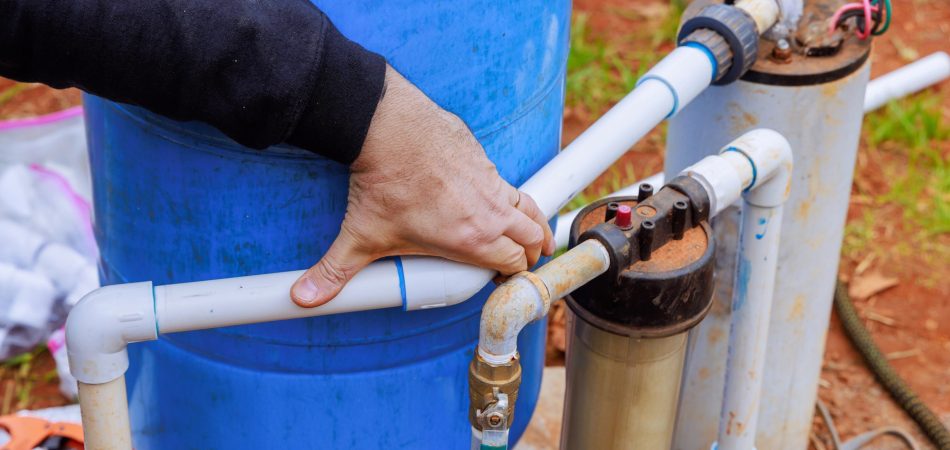
A bad pressure tank leads to air in your plumbing system primarily because of a broken air bladder, which causes the tank to become “waterlogged”. In a healthy tank, an air bladder separates air and water; when it fails, water and air mix, causing air to be pushed into the pipes, leading to symptoms like spitting faucets and intermittent air spurts.
The pressure tank works like a big water battery for your house. It holds water that the well pump pushes in, keeping it ready to use. When you turn on the sink, the tank sends out water first. This rest for the well pump means it doesn’t turn on every time you need a small drink.
When this tank breaks, it causes big trouble. The thing stops holding air and water properly. That makes your well pump work too hard and turn on too much. The worst part is the air that gets mixed into the water pipes. That loud spitting and bubbling noise from your faucet is air, indicating that the system is malfunctioning. Air can make the water jump, and it can even damage your washing machine.
It is essential to inspect your tank and pump system regularly. A plumber inspects the tank to ensure the air inside is correct and the rubber part is intact.
Tennessee Standard Plumbing is the top company because we sell strong, high-quality pumps and tanks. We also install them perfectly. Homeowners trust us for our exceptional work and long-lasting parts, which ensure their water remains clean and steady at all times.
Air escaping the pressure tank means the tank is losing the air cushion it uses to push water into your home. The tank has a specific amount of air inside it. When that air leaks out, the system cannot function properly, and you experience poor water pressure.
Fixing this air leak is crucial because the tank requires that air to function properly. A tank without enough air makes the well pump turn on and off too much, wearing the pump out fast. It’s a sign of real trouble if you live in a place with hard water, because mineral buildup starts causing this issue.
Early attention prevents air bubbles from entering your sinks and shower heads. It also keeps your well pump from breaking early, saving you money on a costly replacement. A simple check of the air valve keeps the water system running smoothly.
A waterlogged tank is full of water and has completely lost its air charge. The rubber part inside the tank, that bladder, breaks or deflates, so the water takes up all the space. This causes the pump to operate almost continuously because the tank cannot store any pressurized water.
Identifying and fixing a waterlogged tank is important for protecting your well pump. Since the tank no longer holds a water reserve, the pump starts every time you use a little bit of water. This leads to short-cycling, where the pump turns on and off rapidly, causing overheating and potential damage.
A quick repair prevents air from being sucked into your pipes when the tank fails. In local areas with high water usage, such as farms or large homes, a waterlogged tank puts significant stress on the system. You really want to fix this to keep your water lines air-free.
Rapid pump cycling occurs when your well pump turns on and off multiple times in just a few minutes, never running for a prolonged period. This usually points to a broken pressure tank or a leak somewhere in the system. The pump cannot build or hold pressure well, so it continually tries to restart.
Stopping this rapid cycling is vital because the repeated, fast starts kill the well pump’s motor. Every time the pump turns on, it stresses the parts. That constant stop-and-start wears down the switch as well. If your house is far from the well, the pump works harder, making this cycling more damaging.
Early detection of the cause prevents air from entering your plumbing system, as the tank remains pressurized. Preventing this short-cycling guarantees the pump lasts for its full expected life, keeping your water system strong.
Bladder failure means the rubber barrier inside the pressure tank rips or develops a hole. This bladder keeps the water and the air separate. When it fails, water and air mix, letting water rush into the air section, causing the tank to become waterlogged.
Fixing a failed bladder is crucial because a broken bladder prevents the pressure tank from functioning properly. The air escapes into your water lines, causing the faucets to sputter, or it leaves the tank completely, resulting in the pump short-cycling. This really overworks the pump and causes it to burn out.
Early attention to this problem prevents air from getting pulled into the home’s water pipes. In older homes where systems are already stressed, a broken bladder requires prompt attention. Fixing the bladder, or replacing the tank, saves your entire water system from damage.
A stuck check valve in the well line means the valve is not closing tightly after the pump shuts off. This valve prevents water from falling back down the well. If it sticks open, the water column falls back, and the pump must restart immediately to refill the pipe.
It matters to fix a stuck check valve because the constant backflow of water causes the well pump to start too quickly. This wastes energy and causes the pump to work harder than necessary. A faulty valve puts stress on the whole system, especially one near the pump.
Fixing this issue early prevents backflow, which keeps air out of the pipes and prevents short cycling. The pump stays off until enough water is used, ensuring it runs efficiently. In deep wells, the long column of falling water causes even bigger problems, so it needs immediate attention.
A leak in the suction line means there is a small hole or crack in the pipe that brings water from the well to the pump. Since the pump is pulling water, a hole here sucks air into the pipe instead of water. That air then gets pushed into your home’s water lines.
Identifying and fixing a suction line leak is critical because air ruins the pump’s ability to push water. When the pump sucks air, it cannot maintain pressure, resulting in weak water flow and causing the pump to run continuously. You want to find the leak fast, especially in a shallow well system.
Early attention stops air from getting into your faucets and appliances. A leak also wastes water and energy, so fixing it saves on your power bill and keeps the pump working well. It guarantees the well system runs smoothly and air-free.
Low well water level means the water in the ground drops too far down, sometimes due to a drought or overuse. The pump’s intake, the part that sucks the water, sits too high and starts pulling in air from the top of the water instead of just water.
This problem is very important to fix because sucking air damages the well pump quickly. The pump uses water to keep cool, so pulling in air makes it overheat and burn out fast. The pump works extra hard trying to push water that isn’t really there.
Quick fixing, which often involves adjusting the pump depth or managing water use, stops large amounts of air from filling your home’s pipes. If your local environment has dry seasons, checking the well level helps prevent this big problem. This definitely keeps your whole water system safe and working.
The signs that show a pressure tank is causing air in your plumbing system are clear warnings that the tank is broken and cannot hold pressure correctly. These signals indicate a failing tank or a problem with the well pump system.
The following are the signs:
It emits a mixture of water and air, producing a sputtering noise. This happens because the tank cannot keep air out of the water line. You want to see this early because air makes the water feel weak, and that air can hurt appliances like a dishwasher. In areas with sandy well water, sand already clogs things up, and the presence of extra air accelerates the problem.
This means the pump turns on and off too fast. The tank has no air cushion, so it fills and empties immediately, causing the pump to turn on again. Recognizing this protects the well pump’s motor from overheating and breaking quickly.
 It means the water comes out strong, then weak, then strong again, especially when the pump turns on. The pump struggles to keep a steady pressure when the tank fails. Ignoring this can cause significant problems for your showers and sinks.
It means the inside of the bladder is broken. When you push the pin on the tank’s air valve, water comes out instead of air. This proves that water has entered the air section, so the tank needs to be replaced right away.
It stays on for a very long time. This indicates that the tank is completely waterlogged or there is a major leak, so the pump continues to fill an empty system. Stopping this prevents the pump from running itself to death.
Fix air in water lines caused by a bad pressure tank with the simple act of purging the air from your home’s pipes after you fix the problem with the tank itself. This process removes all the trapped air from the plumbing system, restoring your water to a steady flow.
The following are the steps to clear the lines:
You turn off the main water supply to stop all water from entering your house from the well or city line. This action prevents the well pump from starting and allows all the pressure inside your home’s pipes to drop to zero.
Drain the system by opening the lowest faucet in the house, like a basement sink or an outdoor spigot. You let the water run until the flow stops. Doing this forces any air that got trapped inside the pipes to escape along with the water, completely clearing the lines.
Now, you turn the main water supply back on. This allows the pressure tank to fill up and lets the well pump start running normally again. The system refills with only water, not air, which resolves the issue with the sputtering faucets.
You close the faucets, starting with the highest one upstairs, like a shower, and you finish with the lowest one you opened first. This method pushes any small air bubbles that remain in the pipes out through the highest points, ensuring the water flow is smooth and strong in the long run.
You need to inspect the pressure tank after completing these steps to ensure your repair was successful and that no new air enters the system. Check the pressure gauge and listen for the well pump to turn on and off at a normal speed. This ensures the entire system holds up over time, providing you with reliable water.
Plumbing inspections prevent costly air problems from pressure tanks by catching small failures before they turn into big, expensive damage. A plumber checks the air charge, the bladder inside the tank, and the check valve. This yearly check identifies issues such as tiny leaks or low air pressure that cause your well pump to short-cycle and push air into the pipes, which is what you want to avoid.
Air entering the water lines is risky because it creates that loud banging noise, called water hammer, that shakes and moves the pipes. This constant shock weakens the pipe joints and seals over time, resulting in leaks and necessitating costly pipe replacement. Air also damages home appliances like water heaters and dishwashers because they cannot run properly with inconsistent water flow.
Homeowners worry about the cost of big repairs and the inconvenience of losing water. An inspection fixes a $10 air valve problem now, saving a homeowner from a $1,500 well pump replacement later. This preventative check prevents air from entering the plumbing and ensures that the water system operates safely and efficiently every day.
Tennessee Standard Plumbing stands out as the professional plumbing service in Knoxville you trust. They are experts at checking the pressure tank’s air levels and skilled at finding small leaks in the well system. The company focuses on preventing costly breakdowns and home damage, dedicating itself to keeping your well pump running for its full life.
Professional inspections are important for pressure tank air issues because a plumber uses special tools to check the tank’s air charge and water pressure precisely. This check detects small air leaks that are invisible to the naked eye, preventing the tank from failing. Early fixing prevents the pump from starting too much, keeping the whole well system safe.
Yes, plumbing services in Knoxville inspections prevent costly pressure tank leaks because technicians examine all connections and the tank body for rust or weak spots. Finding these early prevents the rubber bladder inside from ripping, which stops water from escaping and air from entering the system, saving money on bigger repairs.
Yes, regular inspections extend the life of pressure tanks because the plumber makes sure the air charge stays correct. This correct air cushion reduces the work the well pump has to do. Less stress on the tank and the pump motor means they run properly for many more years, which saves homeowners money.
Yes, plumbing inspections detect bladder failures early in pressure tanks when the plumber pushes the air valve pin and water comes out instead of air. This simple test confirms the internal rubber barrier is broken. Finding this fast stops air from entering your pipes and protects the well pump from short-cycling.
Yes, a waterlogged tank always requires professional inspection because it means the tank has lost its air charge, and the pump works too hard. A plumber knows how to add the correct air pressure back to the tank safely or knows when the tank needs replacement to stop the pump from failing too soon.
Yes, plumbing inspections unveil common air problems from pressure tanks because the technician looks at the tank’s pressure gauge and listens to the pump cycle time. They unveil common plumbing issues, such as a fast-clicking pump switch or low air pressure, which indicates that a bad tank is sending air into your water lines.
Yes, air bursts from faucets are caused by pressure tank problems because a failing tank lets air mix with the water. When you turn on a faucet, the tank pushes the trapped air out first, causing the water to sputter. Finding and fixing the tank stops this frustrating air from getting into your sinks.
Professionals take maintenance steps to fix tank air issues by draining all the water out and adding the correct amount of air to the tank. They also inspect and tighten the check valve and pressure switch, which prevent air from entering the system and keep the pump running smoothly.
Yes, professional inspections fix water pressure issues from air by identifying and repairing the source of the air leak, often a faulty tank or check valve. This restores the water flow to a strong and steady state, preventing appliances from being damaged by air bubbles.
Yes, ignoring tank inspections worsens air problems in plumbing systems because a small air leak grows larger, causing the tank to fail. When the tank fails, the pump short-cycles fast, sucking more air into the pipes, which really speeds up wear on the pump motor.


A battery backup sump pump system will often serve you for about 5–10 years, while the battery itself usually needs to be replaced every 3–5 years.... Read More

Installing a bathtub drain in Knoxville means matching the drain to your tub, removing the old stopper and flange, cleaning the opening, sealing a ... Read More

Corrosion inside plumbing systems is an electrochemical process that occurs when metal pipes react with elements in the water or the surrounding en... Read More