
Why Choose Tankless Over Traditional Water Heaters?
Tankless water heaters have many advantages. One of the key benefits is the endless hot water they provide, ensuring you never run out. ... Read More

Same-Day Service Available
Need a Plumber in Knoxville? We’re Ready to Help!




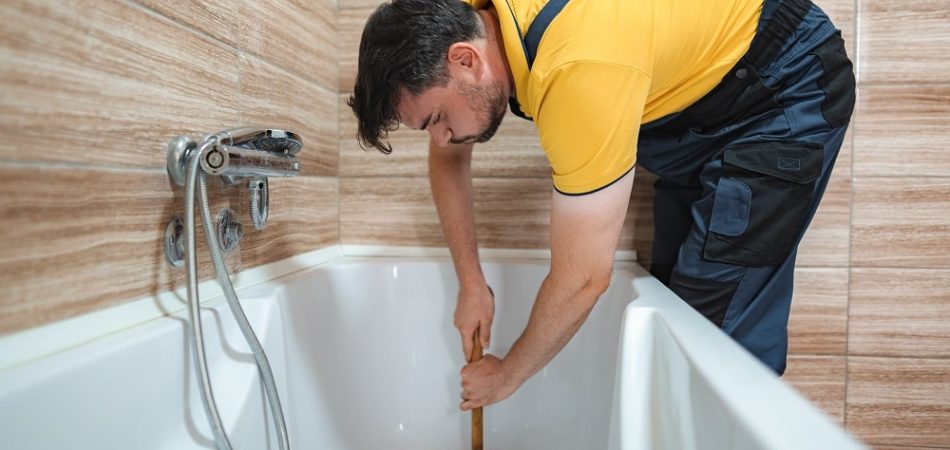
Unclogging a bathtub drain involves removing the stopper, clearing hair and debris, flushing with hot water, using natural cleaners, and applying tools like a plunger or drain snake to restore proper drainage. These steps help prevent standing water, foul odors, slow drains, and costly plumbing issues, ensuring your bathtub stays clean, efficient, and fully functional.
Unclogging a bathtub drain involves removing blockages and ensuring water flows smoothly through the pipes, preventing standing water, slow drainage, or leaks. By following a structured process, you can clear most clogs efficiently without damaging your plumbing.
Tennessee Standard Plumbing provides these steps to help homeowners unclog their bathtub drains safely and efficiently. From removing visible debris to using natural solutions and tools like a plunger or drain snake, following this guidance ensures smooth drainage, prevents future clogs, and keeps bathroom plumbing in top condition.
For professional help with tough clogs or slow drains, contact us today!
This step exposes the drain opening to let more light into the clog and prevents hair or soap scum from accumulating around the stopper itself. Start the process by identifying the type of stopper.
For lift-and-turn or push-pull styles, grip the cap, lift it slightly, and turn counterclockwise; if there is a small screw under the top knob, loosen it with an Allen key or flathead screwdriver before lifting the stopper out.
For toe-touch stoppers, press to open, twist the round cap counterclockwise, and lift it off the post. For trip-lever stoppers with a plate on the tub wall, loosen the two screws holding the overflow plate and pull the entire lever and linkage assembly out straight.
Wrap the cap in a cloth to prevent scratches. Use gentle twisting to avoid damage. Place the parts in a cup to prevent anything from getting lost or misplaced. Once you remove the drain stopper, wipe down the drain rim and remove any visible hair or debris before proceeding.
This step focuses on removing hair, soap scum, or other buildup that sits at the drain entrance, which is the primary cause of slow drainage or minor clogs. By clearing this surface layer, debris is prevented from traveling further into the pipes and becoming harder to remove. Check the drain directly with a flashlight for obstructions.
Remove any hair strands, soap residue, or food scraps that are stuck at the top with gloves and tweezers.
If some gunk is challenging to reach, use a small plastic drain cleaning tool or even a bent wire hanger to hook and lift it out. Once the material is removed, wipe around the opening to ensure no loose particles fall back in.
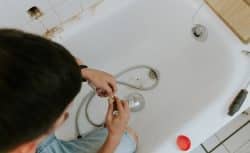 This step focuses on using boiling water to break up and flush away minor clogs caused by soap scum, grease, or residue inside the pipes. The hot water softens and breaks up buildup so waste can move more freely.
For safety, heat up a big kettle or pot to a rolling boil and pour it directly into the drain in stages instead of all at once. This allows the hot water to coat the pipe walls and dissolve debris. Plumbers and DIY pros recommend doing it twice for stubborn blockages.
Avoid pouring boiling water into PVC pipes, as the extreme heat can soften or melt the plastic fittings.
This step helps to loosen stubborn debris and restore normal water flow. A plunger creates alternating suction and pressure that push and pull against the clog inside the pipe. Position the plunger firmly over the drain opening to form a strong seal.
Make steady, forceful plunges by pressing down and pulling up repeatedly. Keep enough water in the tub to cover the plunger cup, as this improves the seal and maximizes its effect. After several plunges, check if water drains freely; if not, the blockage may be lodged deeper and require a different approach.
This step involves using a natural cleaning reaction to loosen buildup inside your pipes. Pour half a cup of baking soda directly into the drain, then slowly add an equal amount of vinegar. The fizzing action helps dislodge grime and soften gunk stuck to pipe walls.
Let the mixture sit for about 15 minutes, then rinse thoroughly with hot water to flush away the loosened debris. This method utilizes everyday household items that plumbers recommend for light cleaning, as it’s safe for most pipes and avoids harsh chemical damage.
Flush the drain with hot water to remove any loosened debris. This process removes remaining soap scum, grease, or grime from the pipe walls. Boil a kettle or use the hottest tap water and pour it down the drain in stages, rather than all at once.
Pausing between pours helps the heat break down tough residue and move it farther through the pipe. Professional plumbers and experienced DIYers recommend this method because it not only clears blockages but also freshens the drain, reduces odor, and helps maintain smooth water flow over time.
Inserting a drain snake into the pipe helps break through deeper or stubborn clogs that a plunger or simple cleaning cannot clear. A drain snake, also known as an auger, works by feeding its flexible cable down the drain until it encounters resistance.
Once it reaches the blockage, turning the handle helps the cable grip or break apart the material causing the clog. Slowly pull the snake back out, bringing the debris with it. Plumbers and DIY experts widely recommend this method because it clears tough buildups without using harsh chemicals, keeping pipes safe and functional.
Reassembling the drain stopper parts will get your tub back to regular operation. First, clean all components, including screws, linkages, and pivot rods, of debris. Adjust the stopper to the proper position, reconnect the pivot rod to the linkage, and tighten the screws as needed.
The mechanism should not stick. Verify that the stopper opens and closes properly several times. A secure and properly aligned assembly prevents future leaks and ensures the drain remains functional.
Run water through the drain to verify that it flows smoothly and that the clog has been entirely removed. Turn on the faucet and let the water flow steadily for a few minutes. Watch how quickly it drains and check for any backup or slow movement.
A smooth, consistent flow indicates that the blockage has been resolved, while lingering gurgles or sluggish drainage signal that more cleaning is needed. Plumbers and DIY experts recommend testing with both hot and cold water to ensure the entire pipe is free of debris and to flush away any loosened buildup.
A bathtub drain clogs when hair, soap scum, and body oils gradually collect inside the pipes, restricting the flow of water over time.
These are some causes of bathtub drain clogging:
Hair strands get trapped in the drain, forming tangles that block water flow. Use a hair catcher and clear the drain cover frequently.
Soap reacts with minerals in water to form residue that sticks to pipes. Clean the pipes with a mixture of baking soda and vinegar to dissolve the buildup.
Oils solidify as they cool, lining the pipes and narrowing the passage. Flush the drains with hot water after each bath or shower.
Thick shampoos, conditioners, or bath bombs leave behind sticky deposits. Rinse thoroughly and avoid heavy product use.
Jewelry, caps, and toys fall into the drain and block it. Retrieve with a drain snake or call a plumber if the problem cannot be reached.
Mineral scale accumulates inside pipes, reducing drainage space. Install a water softener or clean pipes regularly with descalers.
Corroded or misaligned pipes trap debris and slow drainage. You have to inspect the pipes and replace them if necessary.
Fixing a clogged bathtub drain is crucial for maintaining proper drainage, preventing water damage, and avoiding unhygienic conditions. When clogs are left untreated, they worsen over time as debris continues to build up. This can lead to standing water, foul smells, mold growth, and even pipe corrosion, making future repairs more complicated and far more expensive than addressing the issue early. Prompt action helps preserve a clean, safe, and efficient bathroom environment.
The main reasons to fix a clogged drain quickly are:
Standing water soaks into floors and walls, making them weaker.
Slow drains eventually become completely blocked, requiring professional repair.
Trapped organic material decomposes, resulting in unpleasant odors.
Prevents mold and mildew growthDamp conditions from standing water create ideal breeding grounds for fungi.
Harsh chemical cleaners or long-term clogs deteriorate pipes.
Properly draining tubs prevent water from pooling around your feet.
Minor clogs are inexpensive to clear, but severe blockages may require pipe replacement.
A clean drain helps stop bacteria and germs from spreading in your bathroom.
By addressing bathtub clogs quickly, you avoid escalating problems, protect your plumbing system, and save money in the long run.
The tools that are needed to unclog a bathtub drain are a plunger, a drain snake, etc. Unclogging a bathtub drain requires basic plumbing tools and safety gear to handle blockages safely and prevent damage to drain components. The right tools make the process safer and quicker.
The following tools are needed to unclog a bathtub drain:
The plunger creates suction to dislodge simple clogs without the need to dismantle the drain.
A drain snake breaks apart or pulls out deeper, stubborn clogs that a plunger cannot reach.
It straightens into a hook for fishing out hair or debris near the drain opening.
The drain cleaning brush scrubs away built-up residue inside the drain for a thorough clean.
A vacuum extracts standing water and sucks out loose blockages.
A screwdriver provides access to the drain opening, allowing for the clearing of blockages.
The bucket collects dirty water or debris when removing or cleaning drain components.
Rubber gloves protect hands from bacteria, grime, and harsh cleaning products.
Flashlights brighten the drain interior to locate obstructions.
Keeping these tools available ensures easy regular maintenance and quick DIY fixes, preventing minor clogs from developing into serious plumbing issues that require costly professional repairs.
The quick home fixes for a clogged bathtub drain involve simple household tools and natural solutions that save time and prevent the blockage from worsening. Minor clogs are usually caused by hair, soap scum, and debris near the drain opening, and they can be cleared without professional help.
Start the process by pouring boiling water down the drain, which helps to soften soap scum and loosen any buildup.
Using a plunger is an effective way to create suction and dislodge material stuck in the pipe.
A mixture of baking soda and vinegar can be poured into the drain to break down grime and neutralize odors through the fizzing reaction.
A simple hair removal tool, such as a Zip-It, pulls out tangled hair sitting just below the drain opening.
Removing and cleaning the drain stopper is important because gunk often collects underneath it.
Flushing the drain with hot water and dish soap helps cut through greasy residue and restore proper flow.
If these quick fixes do not solve the problem, the clog is probably deeper in the pipe, and using a drain snake or calling a professional is the safest way to prevent more serious plumbing issues.
No, chemical drain cleaners are not the safest option for unclogging drains. They are commonly used to clear minor clogs by dissolving organic materials, such as hair, grease, and soap scum. But their harsh chemical reactions may permanently damage pipes, especially PVC or older metal plumbing. They also produce toxic fumes and leave toxic residues in kitchen sinks where food is prepped and cooked.
Beyond household safety, they are environmentally harmful if they enter public water systems or septic tanks. Chemical drain cleaners are ineffective against solid objects or deeper clogs, where mechanical methods, such as plungers, drain snakes, or professional assistance, are far more reliable and safer choices.
Unclogging a bathtub drain with standing water begins by removing the water to access the blockage safely. Standing water makes it harder to see what’s happening in the drain and makes tools less effective, so clear as much water as possible with a bucket or cup before you begin. Once the drain is accessible, follow these steps to restore proper flow:
Remove the excess water using a bucket or container so you reach the drain opening.
Take off the stopper or unscrew the drain cover to expose the clogged area.
Put the plunger over the drain, press it down firmly, and pump it up and down a few times to clear the clog.
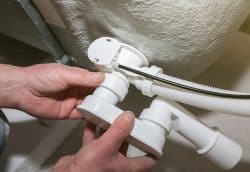
Insert a drain tool or snake to pull out hair or debris blocking the drain.
Pour baking soda into the drain, followed by vinegar. Let it fizz for 15–20 minutes, then flush with hot water to break down the residue.
Run water to see if it drains smoothly; repeat the steps if necessary.
If the water still won’t drain, the clog may be deeper in the pipes and could require professional plumbing assistance.
Using a plunger on a bathtub drain is a simple and effective way to clear minor clogs without harsh chemicals.
Follow these steps to use a plunger:
It is recommended to repeat the process as needed. If the clog persists, consider using a drain snake or contacting a professional plumber to resolve the issue safely and effectively.
A drain snake or a coat hanger helps physically remove clogs from bathtub drains, especially when hair, soap scum, or other debris is stuck deeper in the pipe. Using this method is simple and effective, provided it is done carefully.
Step-by-step method to use a drain snake:
Preventing future bathtub clogs is much easier and far less costly than dealing with a complete blockage. With a few simple maintenance habits and the proper drain protection, you keep water flowing smoothly and avoid messy backups.
Homes with hard water may also benefit from installing a water softener to reduce mineral buildup inside the plumbing system.
When home remedies fail or signs suggest a deeper plumbing issue, it’s time to call a licensed plumber.
Persistent clogs that return even after plunging or using a drain snake may indicate a blockage deep in the drainpipe or beyond the bathroom. A plumber performs a camera inspection to locate the obstruction and clear it completely with high-powered augers or hydro jetting.
Standing water that won’t drain, despite home remedies, suggests a severe obstruction that requires professional snaking or hydro jetting. A professional removes solid blockages and restores complete drainage without damaging the pipes.
Water backing up into the tub when other fixtures drain points to a clog in the shared drain line of your home’s plumbing system. A plumber clears the main drain line to prevent sewage backups and protect other fixtures.
Water damage around the tub requires pipe replacement or resealing to avoid structural harm. Professionals locate leaks, repair or replace damaged pipes, and reseal joints to prevent further damage.
 Gurgling sounds from the drain
Gurgling sounds indicate venting issues or a more severe blockage that restricts airflow. A plumber inspects and cleans vent pipes or clears hidden obstructions to restore proper drainage.
Bad odors could indicate decaying waste or mold buildup deep inside the pipes. A plumber sanitizes and deodorizes drains, clearing buildup that ordinary cleaning can’t reach.
Difficulty removing clogs from the P-trap or overflow drain means the clog may be farther down the line where DIY tools won’t reach. A professional drain auger or power-jetting tool safely and effectively reaches deep clogs.
A plumber can clear clogs safely without risking pipe cracks or leaks.
Experts use low-pressure or specialty tools designed for older plumbing systems, preventing further damage. Ignoring these signs causes more serious clogs, pipe corrosion, water backups, and structural damage from hidden leaks. Calling a plumber early helps to diagnose a clog, get the right tools used, and protect your plumbing.
Tennessee Standard Plumbing is your trusted expert for professional bathtub drain repair in Knoxville, fast clog removal, comprehensive drain cleaning, and reliable bathroom plumbing solutions. The brand offers emergency services, upfront pricing, and long-term results to give homeowners peace of mind when facing stubborn drain issues.
No, a clogged bathtub drain is not considered a severe emergency, but it does require attention to prevent further issues. Standing water causes water damage, bad odors, mold growth, and pipe corrosion. Fixing clogs early prevents costly repairs.
Minor clogs may need a plunger or a solution of baking soda and vinegar. Persistent or deep clogs, however, may require professional plumbing intervention.
Yes, you can use a simple household wire hanger as a DIY tool to unclog a stubborn bathtub drain and remove hair and small debris from shallow clogs. Insert the hooked end carefully into the drain, twist, and pull the debris out slowly. Avoid forcing it deep into the pipe to prevent scratches or damage. For deeper clogs, a drain snake or professional service ensures thorough removal without harming plumbing pipes.
Repeated drain clogs occur because hair, soap scum, body oils, and bath products accumulate over time. Mineral buildup from hard water and improper flushing of debris also contributes. Ignoring slow drainage allows blockages to grow deeper in the pipes.
Regular maintenance, such as using hair strainers, flushing with hot water, and performing monthly cleanings with a mixture of baking soda and vinegar, helps reduce the clog frequency of clogs and protects the plumbing system.
Yes, baking soda and vinegar are effective for clearing bathtub drain clogs because they both create a natural chemical reaction that breaks down soap scum, oils, and minor hair buildup. Pour half a cup of baking soda into the drain, then add half a cup of vinegar, and cover the drain to contain the fizzing. Let it sit for 15-30 minutes before flushing with hot water. For tougher problems, Why Does Baking Soda and Vinegar Not Work On Drains? explains better solutions.
The best way to remove the tangled hair from a clogged bathtub drain is to use a hair removal tool such as a Zip-It or a small drain hook. Insert it carefully into the drain, and twist to catch hair and debris. For really stubborn clogs, remove the drain cover or stopper and insert a drain snake deeper into the drain. Regular hair strainers prevent accumulation and require less frequent cleaning, preserving pipe condition and drainage efficiency.
Yes, you use a coat hanger to pull hair out of your bathtub drain with a hooked tip. Remove hair from the drain carefully. Insert the food lightly – do not force it into bends to avoid scratching PVC or metal pipes. For heavier clogs, use a drain snake. Minor maintenance may use household items, but persistent clogs may require professional tools and techniques.
Yes, shaving cream residue can really build up and clog bathtub drains over time, especially with thick or foamy formulas, leaving residue inside pipes that accumulates with soap and hair. Over time, this buildup restricts water flow, causing slow drainage or recurring clogs. Flushing the drain with hot water after shaving and performing monthly cleanings with a mixture of baking soda and vinegar helps reduce residue and keep pipes clean and clear. Drain strainers prevent further accumulation.
Yes, you accidentally damage your plumbing pipes by using a drain snake on a clog. Using a drain snake improperly can scratch, dent, or crack pipes, especially those made of older metal or PVC plumbing. Forcefully inserting the snake or twisting it too aggressively can damage pipe joints. For tight bends or fragile pipes, professional plumbers offer safe augering services that prevent further damage to your plumbing.
Drano should be left to sit for approximately 15–30 minutes, as indicated in the product instructions. This allows the chemical solution to dissolve hair, soap, and small debris. Leaving it overnight or allowing prolonged exposure can damage pipes or fittings. After the suggested time, flush the drain with hot water to loosen residue.
Enzyme-based drain cleaners are the safest option for unclogging bathtub drains. These cleaners use natural enzymes and bacteria to break down hair, soap scum, and organic matter without damaging PVC, metal pipes, or fixtures. Avoid harsh, caustic chemicals that corrode pipes and release fumes. Regular use of enzyme cleaners also prevents buildup and reduces the risk of recurring clogs.
No, you cannot mix different brands or types of drain cleaners to clear a clog faster. Mixing drain cleaners is dangerous and produces toxic fumes or chemical reactions that damage pipes. Each product contains specific chemicals meant to work alone. Combining cleaners increases the risk to health, plumbing, and fixtures. For tough clogs, mechanical methods like a plunger, drain snake, or professional intervention provide safer and more reliable results.
Yes, drain strainers are highly effective at catching hair, soap, and small debris before it enters the drain. They reduce recurring blockages, protect pipes from buildup, and extend the lifespan of plumbing. Regular cleaning of the strainer maintains its effectiveness and prevents odors. Using strainers is one of the simplest and most consistent preventive measures for a healthy bathtub drain.
You can keep your bathtub drain clean by using a hair strainer, flushing it regularly with hot water, and avoiding grease or heavy soap buildup. Natural cleaners like baking soda and vinegar also help prevent clogs. For simple maintenance tips, see 5 Ways to Keep Your Drains Clean.


Tankless water heaters have many advantages. One of the key benefits is the endless hot water they provide, ensuring you never run out. ... Read More

A leaky pipe is a pipe that lets water escape through cracks, holes, or loose joints. Water moves through homes under pressure, and even a small op... Read More

The water coming into your home is far from pure. Whether it's city water, well water, or even some bottled water, there are millions of foreign pa... Read More