
What Type of PVC Pipes Are Best for Sewer Lines?
For sewer lines, Schedule 40 PVC is a common and durable choice for residential projects, while SDR35 is a cost-effective alternative suitable for ... Read More
Same-Day Service Available
Need a Plumber in Knoxville? We’re Ready to Help!




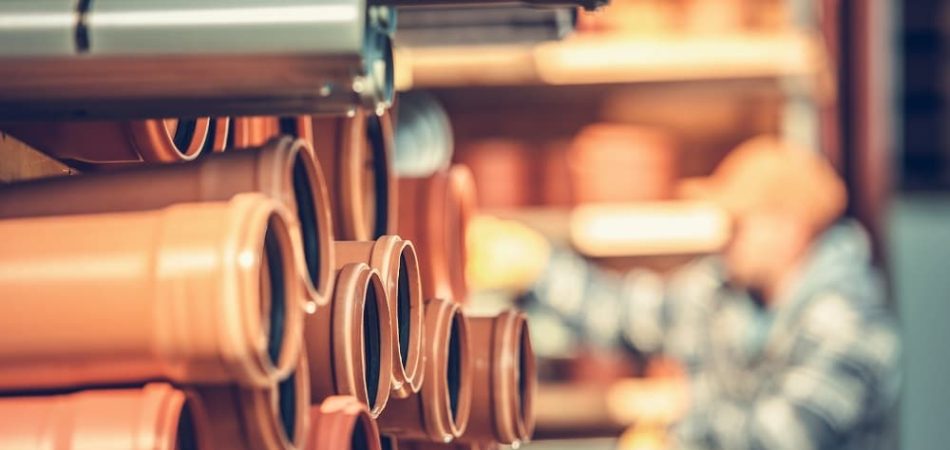
The best main water line pipe depends on factors like budget, climate, and local codes, but common top choices are High-Density Polyethylene (HDPE), PEX, and PVC. HDPE and PEX are durable, flexible, and easy to install, with PEX being particularly good for cold climates due to its freeze resistance. PVC is another strong option, particularly for subsurface applications, but it is more rigid. Copper is durable but more expensive and susceptible to freezing.
The main water line is responsible for carrying fresh, clean water from the public utility or your private well into your home. Choosing the right pipe material is essential because it influences your water quality, long-term performance, and the overall cost of future repairs. A durable main line helps prevent contamination, preserves strong water pressure, and can last for decades with minimal issues.
Selecting the best main water line material depends on several important factors, such as your water type, local requirements, soil conditions, installation method, and more. A careful, professional evaluation ensures you choose the most reliable option for your home.
With the right material in place, you’ll maintain consistent water flow, avoid unnecessary damage, and protect your family’s access to clean, safe drinking water. For guidance and proper installation, trust the licensed professionals at Tennessee Standard Plumbing for the expertise to handle your water line selection and replacement perfectly.
The first decision you make involves understanding the water running to your house. The specific composition of your water, such as its acidity or mineral content, directly affects the lifespan of certain pipes. Ignoring this first step causes premature pipe failure, resulting in an expensive replacement job much sooner.
Have your water tested before selecting a pipe. Water testing determines the pH level, which measures acidity, and the hardness, which refers to mineral content. Water with high acidity, meaning a pH level below 7, aggressively corrodes metal pipes, such as copper, over time.
Hard water, rich in minerals such as calcium and magnesium, creates scale buildup within the pipe walls. This buildup reduces the internal diameter of the pipe, restricting water flow and lowering the water pressure in your home. You can avoid these issues by selecting a material known to resist the chemicals in your water supply.
The pipe material dictates durability, longevity, and long-term performance. You have three main options for a main water line: High-Density Polyethylene (HDPE), Copper, and Chlorinated Polyvinyl Chloride (CPVC).
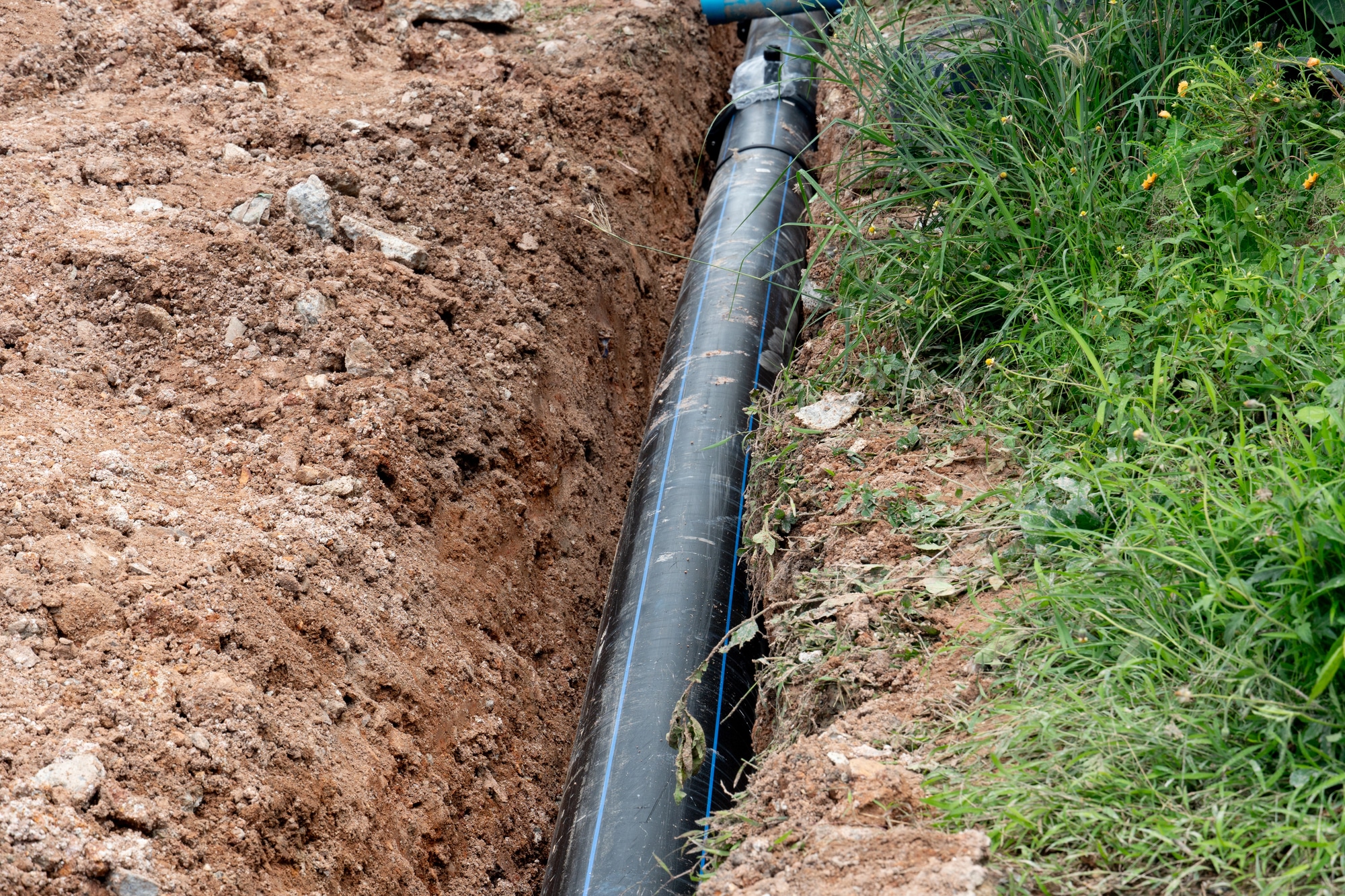 HDPE is a highly flexible plastic material that is corrosion-resistant and has a service life of over 50 years. Its flexibility favors trenchless installation methods. It tolerates earth movements quite well, making it a safe bet in regions with shifting soil.
Copper pipe remains the traditional “gold standard” because of its proven durability and resistance to harmful bacteria. Copper lasts up to 75 years or more, but its high cost and susceptibility to highly acidic water are major drawbacks. You have to select the correct thickness, such as Type K, which is the thickest and best suited for underground mains.
CPVC is a rigid plastic option that provides excellent corrosion resistance at a lower cost than copper. It handles higher temperatures and greater pressure than regular PVC (polyvinyl chloride). With an estimated lifespan of over 50 years, CPVC is a popular and cost-effective choice for a main water service line.
Every town or county has specific plumbing codes that dictate acceptable materials and installation methods for a main water line. You cannot simply install any pipe you want. The pipe has to meet local standards and regulations. Non-compliance leads to expensive rework and inspection failures.
Contact your local building or planning department to find the current plumbing code. They specify which pipe types are permitted for potable (drinking) water service lines in your area. Some areas require copper, while others readily allow flexible HDPE or rigid CPVC.
Your local authority also dictates the required depth for burying the water line and the necessary permits for the work. The depth rule protects the pipe from freezing in winter. Always obtain the necessary permits before commencing any work.
Water pressure refers to the force exerted by water inside your pipes, expressed in pounds per square inch (psi). Extreme pressure (too high or too low) negatively impacts the performance and durability of the pipes. Select a pipe that is rated to withstand the water pressure in your home.
You need to measure your current water pressure using a simple pressure gauge, which you attach to an outside faucet. The ideal range for most homes falls between 40 and 60 PSI. Pressure above 80 PSI is considered too high. This pressure puts severe strain on all plumbing fixtures and pipes, potentially causing leaks.
When your pressure is too high, you need a Pressure Reducing Valve (PRV) installed to protect the new pipe. Low pressure, under 40 PSI, suggests you have a blockage or an existing pipe that is too small. Choosing a larger diameter pipe during replacement helps improve water flow and correct a minor low-pressure issue.
The total cost of replacing a main water line includes the price of the material and the labor for installation. Material costs vary significantly. For example, copper costs substantially more per foot than HDPE (High-Density Polyethylene) or CPVC (Chlorinated Polyvinyl Chloride). You also calculate the length of the line to estimate the material expense.
The installation method you choose also impacts the final price and directly affects the kind of pipe you select. The traditional method involves trenching, which means digging a long, open ditch from the street to your house. Trenching is labor-intensive and damages your lawn and landscaping, but it is less expensive per foot, averaging between $50 and $250 per linear foot. This method enables the use of a wide range of rigid or flexible pipes, including copper and polyvinyl chloride (PVC).
The modern method is called trenchless replacement, which minimizes damage by using a machine to pull the new pipe through the old one or through a small bore. Trenchless methods cost more per foot, ranging from $75 to $200 per linear foot. Trenchless installation requires the use of highly flexible pipe materials, typically seamless HDPE or PEX (cross-linked polyethylene), as they can be pulled underground without breaking. The labor required for restoration, such as re-sodding a lawn, is almost eliminated, saving you time and money in the long run, even with the higher per-foot cost.
The soil conditions surrounding your main water line impact the pipe materials. Pipes buried in highly corrosive soils, particularly those with a clay-heavy or rocky nature, tend to wear out faster than those in neutral soils. You need to have a material that withstands the unique underground conditions.
In places with freezing temperatures, you need a pipe that resists bursting when the water inside freezes. Plastic pipes, such as HDPE, resist expansion better than rigid ones, making them excellent choices in cold climates.
Tree roots are a major concern for all underground pipes. Aggressive tree roots seek out the moisture inside the pipe, particularly at joints, which causes leaks and clogs. Select a pipe material that resists root intrusion, and ensure that you do not plant large trees directly above or near the main water line.
The main water line is the most critical component of your plumbing system, and its replacement is a complex and challenging task. Hire a licensed, reputable plumber for this work. A professional correctly assesses your needs and guarantees the job meets all local regulatory standards.
A licensed plumber brings essential expertise, helping you interpret water test results and local codes. They offer the best advice on the ideal pipe material for your home, taking into account factors such as your specific water type, soil conditions, and budget. The plumber correctly sizes the new pipe, ensuring you have great water flow and pressure while avoiding expensive mistakes in material choice.
Professionals install the water line utilizing the correct tools and methods. An expert installation protects your investment and provides a warranty for the work done. Never risk an incorrect installation of this vital part of your home infrastructure.
The type of pipe you choose affects the water line installation cost due to the price of the raw material, the amount of labor required for installation, and the cost of specialized fittings.
The type of pipe impacts water line installation costs in the following ways:
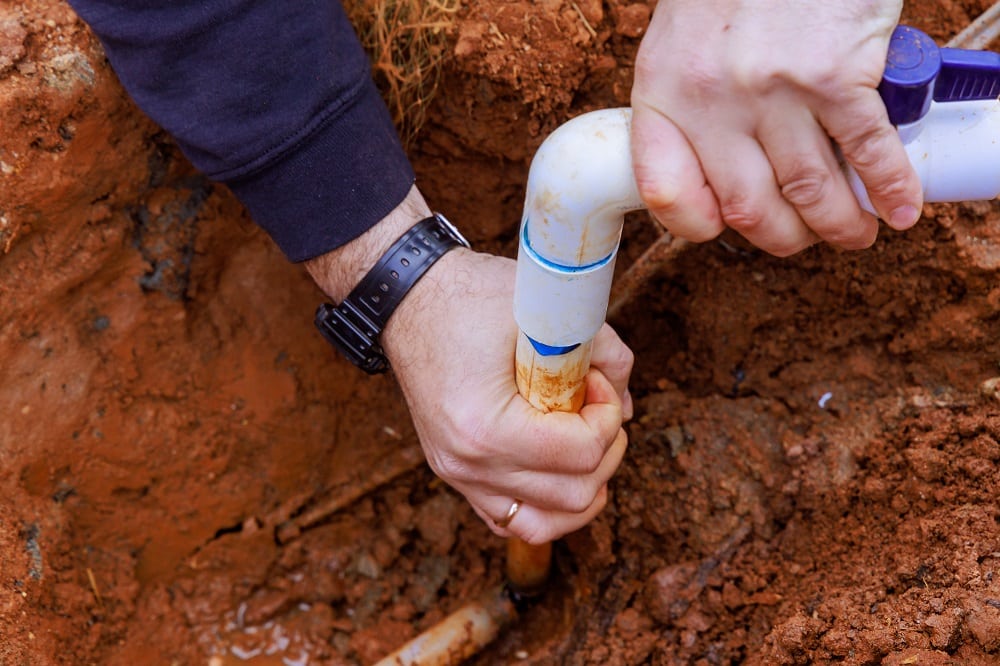 The base price of the pipe varies based on the material it is made of. Copper is a metal commodity, so it costs significantly more per foot than plastic options, such as high-density polyethylene (HDPE) or chlorinated polyvinyl chloride (CPVC). This difference in material cost alone accounts for a significant portion of the total project expense. You pay less for a whole coil of flexible plastic pipe compared to many heavy, straight sections of copper.
Different pipes need different techniques, which changes the amount of time the plumber spends working. Copper pipe requires soldering or welding to connect sections, which takes much more time and skill than simply joining plastic pipe. Flexible pipes, such as HDPE and PEX (cross-linked polyethylene), bend around corners without requiring extra fittings, making them much faster and easier for plumbers to install.
The joints, or fittings, used to connect sections of pipe also have a big cost difference. Copper pipes require expensive brass or copper fittings and specialized solder, whereas plastic pipes utilize much cheaper solvent cement, compression fittings, or push-fit fittings. Many plastic pipes, especially those made of HDPE, require fewer joints because they are available in long, continuous rolls. Fewer joints mean less money spent on those specific parts and less labor time.
Certain pipe materials need tools that the average plumber does not keep in their truck, which increases the cost. For instance, plastic pipes like HDPE need a heat fusion machine to create a permanent, watertight bond. Copper needs a torch and brazing equipment. These specialized tools and techniques add complexity and cost to the work, unlike the simple tools required for CPVC or PEX.
The pipe material determines whether a less invasive and cost-saving installation method is possible. Trenchless pipe replacement methods, such as pipe bursting, are only suitable for flexible pipes, including HDPE and PEX. Trenchless installation avoids digging a long trench, saving you money on property restoration costs, such as repairing your driveway or replanting your yard after the work is done.
Simply put, the pipe material you select determines much more than just the immediate bill. It controls the time your plumber spends on the job, the cost of the hardware, and the future resistance of your system to leaks and damage.
The warning signs that your main water line needs replacement include having very low water pressure, seeing rusty or murky water come from your faucet, and noticing wet, soggy areas in your yard.
The main signs of water line damage that require replacement include:
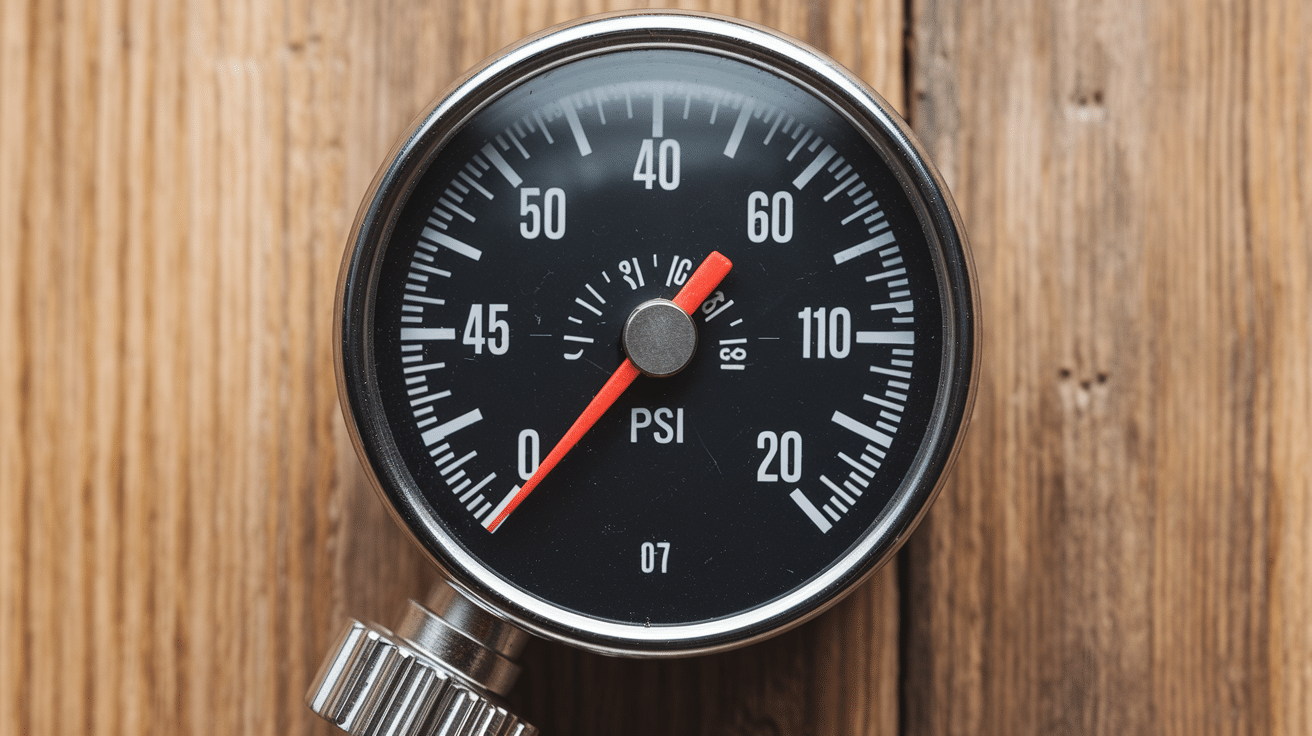 Low water pressure occurs when something restricts the flow of water entering your house from the street. This results from corrosion or the buildup of mineral scale inside older pipes or a leak where water escapes underground. Low pressure makes basic tasks like showering or running two appliances at once nearly impossible, and you replace the line to restore proper water flow.
When your water appears red, brown, or yellow, it indicates that rust and sediment from aging, corroding pipes have contaminated the water supply. Water running clear after a few minutes suggests that the problem originates at your main line or within your house, rather than the city supply. This rust is a health risk, damages your clothes, and shows that the pipe is actively failing, requiring a full replacement.
Finding a patch of extra-green, soggy grass or a persistent puddle where it has not rained indicates a major leak in the buried water main. Water escaping underground saturates the soil, wasting huge amounts of water and increasing your water bill. Ignoring this problem allows the leak to grow bigger, eventually leading to a complete and expensive main line break.
A severe, long-term leak from the main water line saturates the soil around your house, putting pressure on your foundation. The constant presence of water weakens the ground supporting your home. It causes structural damage, such as cracks in the basement walls or the slab. Replace the line immediately to stop soil erosion and prevent thousands of dollars in house foundation repairs.
Water line leaks create damp, inviting conditions that attract moisture-loving pests. Cockroaches, termites, and rats enter the house through tiny cracks in the damaged pipe, contaminating your water and spreading throughout the house. Replacing the compromised water line eliminates the water source they need and seals off their hidden entryway into your home.
Many old homes have galvanized steel or lead service pipes. Galvanized pipes typically last 40 to 50 years before internal rust causes severe blockages. Lead pipes leach toxins into the water supply. Replacing these old materials, even if there are no visible leaks, prevents unexpected failures and ensures your family’s drinking water quality remains safe.
A sudden increase in your monthly water bill, with no changes to your household water usage, strongly suggests a leak. The water meter tracks all the water that passes through, including the water leaking into the ground before it reaches your home. Paying for water that is leaking away is throwing money out the window, and this expense quickly adds up until the broken line is fixed.
Recognizing these signs early helps you avoid a plumbing emergency and prevent costly damage to your property. Dealing with the main water line problem now protects your home and your wallet from a much bigger headache later.
The right pipe choice helps you prevent future plumbing problems by eliminating internal rust, protecting water quality, and creating a leak-resistant system.
The right pipe choice can prevent future plumbing problems in the following ways:
Good pipes, such as flexible PEX tubing, require far fewer fittings than rigid pipes, meaning there are fewer weak spots in the entire system where leaks can start. When you reduce the number of potential leak spots, you greatly decrease the chance of hidden water damage inside your walls or underground.
Choosing pipes with smooth interior walls, such as plastic or clean copper, prevents the buildup of mineral deposits and rust that restrict water flow over time. This keeps the pipe’s full diameter open, meaning your water pressure stays strong and steady at all your fixtures for decades.
Modern pipes, such as PEX and certain plastics, do not corrode, meaning they never leach rust, lead, or other toxic metals into your drinking water. Replacing old pipes, especially those made of galvanized steel or lead, with non-corroding materials guarantees a cleaner and safer water supply for your whole family.
Materials like High-Density Polyethylene (HDPE) or copper last for a very long time, eliminating the repeated cost and frustration of patching up old, failing pipes. This investment today means you save money on emergency plumbing service calls and constant upkeep tomorrow.
Selecting a material with a long lifespan, such as copper (rated for more than 50 years) or long-lasting plastics, helps the investment in the main water line last for half a century or more. The new, reliable pipe system adds value and safety, as the utility line of the house is secured for a long time.
Investing in the right piping material is a long-term upgrade to your entire home’s water system. A professional plumber helps you select the best pipe for your local water conditions and budget, ensuring you get the most reliable, long-lasting solution possible.
Professional plumbing advice helps you choose the right water line by considering all the factors you overlook, ensuring the new pipe lasts a lifetime. A seasoned expert uses knowledge of local conditions and materials to recommend a reliable, code-compliant solution.
A licensed plumber understands your specific local water quality, which impacts how quickly a pipe fails. Hard water, or water rich in minerals, rapidly causes corrosion in low-grade materials like copper, while chlorine in city water affects some plastic pipes over time. The professional prefers materials such as PEX (cross-linked polyethylene) or HDPE (high-density polyethylene) that resist corrosion and chemical breakdown, particularly in continuous water purification systems and with regular structural maintenance.
The ground around your house is another critical factor an expert evaluates. Soil with a high clay or rock content shifts significantly, placing stress on rigid pipes and causing them to crack and leak prematurely. A professional knows to recommend flexible pipes that absorb ground movement without breaking, thereby preventing future leaks that you would otherwise not be aware of until it is too late.
Plumbing professionals are familiar with all local building codes and regulations for main water lines. Following these rules is mandatory and prevents fines or the costly requirement to redo a faulty job. The right contractor ensures that they obtain all necessary permits and install the main line with the correct depth, size, and connections, making the entire installation legal and secure from the outset.
A plumbing specialist provides valuable information on installation methods, especially for main lines that run beneath sidewalks or driveways. They offer alternatives like trenchless replacement, which avoids digging a long, destructive trench across your yard. This method saves you money and time on landscape restoration, all while installing a modern, seamless pipe with minimal disruption.
Tennessee Standard Plumbing offers expert water line services in Knoxville, eliminating the guesswork from this crucial home investment. The licensed experts provide informed material selection help and perform flawless replacement services using the latest trenchless techniques. Trust the experienced team to secure your home’s water supply with the right line for your unique property. Book your consultation today!
No, not all pipe materials are safe for use with drinking water. Older materials, particularly lead and some types of galvanized steel, leach toxic elements or rust into the water supply, posing a serious health risk. Reputable plumbers only use approved materials such as copper and various plastics, including PEX (cross-linked polyethylene) and CPVC (chlorinated polyvinyl chloride), which meet strict health and safety standards for potable water.
Yes, Knoxville plumbing services help you choose your ideal water line by thoroughly assessing your unique situation, including the water’s chemical makeup and soil conditions. This ensures the pipe material resists corrosion and ground shifting, providing for a maximum lifespan. You rely on expert Knoxville plumbing services to compare options like copper, PEX, and HDPE (High-Density Polyethylene) and select the best material that fits your home’s needs and budget.
Yes, different climates affect the type of pipe you should choose. Pipes have to withstand temperature extremes without failing. In cold climates, flexible PEX is preferred over rigid copper because PEX can expand without bursting if the water inside freezes. In very hot climates or where pipes are exposed to direct sunlight, material stability and UV (ultraviolet) resistance become primary factors in ensuring the long-term durability of pipes.
Yes, the size of a pipe changes the water pressure in your home. Your well pump sets the initial force, but smaller pipes create high friction, which restricts the water volume and causes a significant pressure drop at the faucet. Larger pipes minimize this friction loss, which helps maintain the pump’s pressure for a stronger, more effective flow. The pipe size determines the quality of water delivery.
Yes, a whole-home water treatment system improves your main water line by neutralizing corrosive elements or removing hard minerals, such as calcium and magnesium, before they flow through your plumbing. A water softener or filter prevents internal scale buildup, which keeps the pipe’s diameter open and extends the lifespan of the entire water line. This proactive treatment reduces the risk of clogs, low pressure, and premature pipe failure.
Yes, plastic pipes are better than metal ones for main water lines in several key ways, primarily due to their superior resistance to corrosion and lower installation costs. Modern plastics, such as PEX, do not rust or break down due to water chemistry, eliminating pinhole leaks common in aging metal pipes. Their flexibility and seamless connections also make plastic lines quicker and easier to install, with a lower chance of future joint leaks.
When water pipes make a whistling sound, plumbers inspect the valves in your plumbing system, especially the pressure-regulating valve or main shut-off valve near your water meter. A worn or faulty internal part in these control points restricts the water flow, forcing water through a small opening at high speed, which causes the water pipes to make a whistling sound. Addressing the valve quickly restores proper flow and eliminates the annoying noise.
Professional plumbers recommend pressure testing before installation, as it is the only way to ensure a new water line and its connections are completely leak-free under real-world operating conditions. This process involves filling the pipe with water or air and verifying that the pressure remains steady over time, thereby proving the system’s structural integrity. Testing catches any installation flaws or manufacturing defects before they get buried, preventing expensive future repairs.
Yes, expert plumbing advice helps you save money on pipe repairs by focusing on preventive maintenance and accurate diagnosis. Professionals identify small things very quickly, such as high water pressure or even subtle leaks. They lead to a catastrophic pipe break and substantial water damage if left unattended. They immediately point you toward quality, long-lasting materials so you don’t have to spend money fixing something repeatedly.


For sewer lines, Schedule 40 PVC is a common and durable choice for residential projects, while SDR35 is a cost-effective alternative suitable for ... Read More

Deciding between sewer line repair and replacement depends on the extent of damage, the age and material of the existing pipe, and long-term cost c... Read More

In 2025, installing a sump pump typically costs between $600 and $2,500, with the national average around $1,600. The total price varies based on f... Read More