
How Plumbing Technology Has Improved Over the Years
Plumbing technology has transformed dramatically over the past several decades, moving from lead and galvanized steel pipes to flexible PEX tubing,... Read More

Same-Day Service Available
Need a Plumber in Knoxville? We’re Ready to Help!




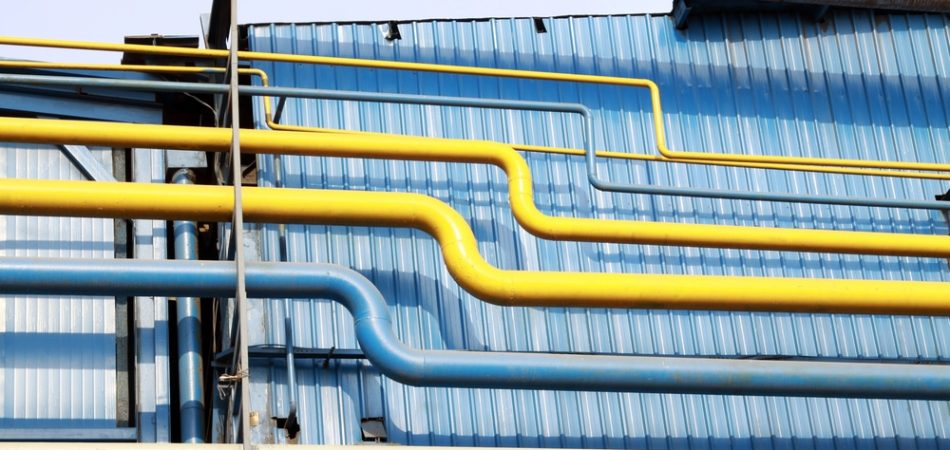
Gas pipe size calculation follows a standardized workflow that ensures safe pressure, code compliance, and reliable appliance performance for both natural gas and propane systems. Correct sizing prevents low gas pressure at appliances and reduces safety risks. The process uses appliance demand, pipe runs, fittings, and allowable pressure drop. The calculator compares the required flow to the pipe capacity and selects the smallest safe diameter. At Tennessee Standard Plumbing, proven methods are followed to ensure every system is sized safely and correctly.
These steps are used to determine the accurate size of a gas pipe. These Knoxville plumbers provide trusted and expert gas pipe sizing calculations.

Load or demand calculation measures how much gas appliances need in BTU per hour. This step is vital for safe sizing because every pipe must match appliance demand. It prevents undersupply and poor flame performance. To apply, list each appliance’s BTU rating, add them together, then divide by the gas heating value (HHV).
Formula:
Q = Load (BTU/h) ÷ HHV
Enter appliance load and divide by HHV to find flow rate.
The longest-length method sizes the main line using the farthest appliance run. This method ensures all branches receive enough gas even at maximum distance. It avoids low pressure in the last appliance on the system. To apply, measure the longest straight run, add equivalent fitting lengths, and size the whole line for that distance.
Formulas:
ΔP = f × (L ÷ D) × (ρ × v² ÷ 2), v = 4Q ÷ (πD²)
Insert pipe length, diameter, density, and velocity to check pressure loss.

The branch length method measures each branch segment separately and checks the total drop. This keeps pressure balanced across the system. It prevents undersized branches that would starve appliances of gas. To apply, measure each branch length, calculate losses, and then confirm the sum stays under the code limit.
Formula:
ΔPtotal = Σ ΔPsegment ≤ ΔPallow
Add all segment losses and confirm they stay below the maximum allowed drop.
Standard sizing tables match pipe sizes to flows based on gas type and pressure. This method ensures fast reference for safe and code-approved sizing. It avoids calculation errors and saves time. To apply, pick the correct table, find pipe material, length, and pressure, then confirm that the listed capacity is greater than the required flow.
Rule:
Capacity ≥ Required Flow.
Always select the first size where the chart capacity meets or exceeds demand.

The pressure drop method is used to compute friction losses to be used in precise sizing. It assists the engineers in developing large/complicated systems precisely. It prevents over-pressurization, which would make appliances dangerous. Calculate Reynolds number, friction factor, and pressure loss to apply and ensure that the results are within the allowable limit of the code.
Formulas:
Re = (ρ × v × D) ÷ μ
f = 0.25 ÷ [LOG10( (ε ÷ (3.7D)) + (5.74 ÷ Re^0.9) )]²
ΔP = f × (L ÷ D) × (ρ × v² ÷ 2)
Insert density, velocity, pipe diameter, and length to check pressure drop.
Equivalent length accounts for added resistance from bends and fittings. This ensures fittings do not cause hidden pressure losses. It avoids undersizing pipes where multiple elbows or tees exist. To apply, convert each fitting to straight-pipe length, add them to the straight run, then size the pipe for that total.
Formulas:
Leq = (K ÷ f) × D
Ltotal = Lstraight + Σ Leq.
Add all equivalent lengths to the straight length before selecting the size.
Hybrid or code-based methods combine calculations with required safety margins. This ensures compliance with U.S. plumbing codes and provides flexibility for mixed systems. It prevents unsafe sizing when different approaches overlap. To apply, use calculation methods, confirm total pressure drop, and verify against local code charts.
Formula:
ΔPtotal = Σ ΔPsegment ≤ ΔPallow.
Confirm total drop across the system does not exceed the code maximum.
The steps used to calculate the gas pipe size have a clear sequence to ensure safe pressure, correct flow, and code compliance. Accurate steps prevent undersupply, keep appliances efficient, and protect system safety.
The steps to calculate gas pipe size are:
Add the BTU ratings of all connected appliances. This gives the total demand the pipe must carry.
Divide the total BTU load by the gas heating value to find the flow in standard cubic feet per hour. This sets the base number for pipe sizing.
Measure the straight distance from the meter to the farthest appliance. This length sets the pressure drop allowance.
“Count elbows, tees, and bends, then convert them to equivalent pipe length. Add these to the straight run for the total design length.
Select between standard tables, longest length, and branch length based on the system layout. This makes it compliant with codes.
Apply the right equations of flow, velocity,y, and pressure drop. This method ensures that the pipe size is appropriate and not oversized.
Choose the smallest diameter that carries the flow while staying within code limits. This ensures safety and material efficiency.
Following these steps in order delivers correct gas pipe sizing, safe appliance performance, and full code compliance.
Correct gas pipe sizing matters because it affects safety, efficiency, and code compliance in every installation. Proper sizing ensures appliances work at full capacity, energy use stays low, and systems last longer.
Correct gas pipe sizing matters due to these reasons:
Proper sizing keeps gas pressure steady and prevents leaks. It lowers fire risk and ensures appliances operate under safe conditions.
Correctly sized pipes deliver the fuel load each appliance requires. This allows furnaces, stoves, and heaters to run at full efficiency without failure.
Balanced flow minimizes wastage of gas. This reduces the energy bills and helps in the uniform functioning of all the appliances connected.
Right-sizing is guided by local and national codes. This will avoid failed inspection and unnecessarily expensive corrections once it is installed.
Sizing that matches demand keeps pressure constant. Stable pressure stops appliance shutdowns and keeps flames steady on burners.
Accurate sizing prevents strain on equipment. It reduces repair frequency and extends the life of appliances and piping.
Proper sizing allows room for added appliances later. It reduces the need for repairs and prolongs the service life of piping and appliances.
The key factors that affect gas pipe sizing are technical and code-driven factors that set safe flow, stable pressure, and reliable performance. Tennessee Standard Plumbing studies each factor carefully to size pipes that match system demand and meet all safety codes.
The key factors that affect gas pipe sizing are:
Gas load is the total energy requirement of all appliances, such as furnaces, stoves, and water heaters. If a home has a furnace rated at 100,000 BTU/h and a water heater rated at 40,000 BTU/h, the total load equals 140,000 BTU/h. Pipe size must meet this exact number, or appliances fail to run safely.
Every elbow, tee, or valve slows gas flow and adds resistance inside the pipe. A straight pipe may carry gas easily, but once several bends are added, pressure drops faster. Engineers count fittings as “extra length” when sizing to keep the flow steady to the last appliance.
Appliances need steady pressure to burn gas correctly. If pressure drops too much, flames turn weak, unsafe, or go out. Sizing limits pressure loss to an approved value, usually 0.3 in. w.c. for natural gas systems, to keep every unit running at peak safety.
The pressure at the meter or propane tank is the starting point of the system. A house supplied at 7 in. w.c. has more flexibility than one supplied at 2 in. w.c. Correct sizing protects this balance so that pressure remains strong even at the farthest outlet.
Steel, copper, and plastic pipes carry gas differently. For the same diameter, a plastic pipe creates more friction than a steel pipe. This difference changes the length a pipe can safely carry gas. Material choice directly affects the final diameter needed to deliver the full load.
Natural gas is lighter than air, while propane is heavier. A cubic foot of natural gas contains about 1,000 BTU, while propane holds about 2,500 BTU. Because propane is denser, pipe sizing charts differ from natural gas charts. Using the correct chart avoids serious sizing errors.
State and city codes set the legal rules for pipe sizing. Codes define approved methods, materials, and pressure standards. Following them protects safety and ensures inspection approval. Tennessee Standard Plumbing applies these rules in every project for full compliance.
All these factors work together to decide the right pipe diameter. If even one input is missed, the system risks unsafe pressure, poor appliance performance, or failed code inspection. Accurate sizing protects long-term safety and efficiency.
The most common mistakes to avoid in gas pipe sizing include: ignoring total demand, skipping fitting allowances, using the wrong sizing table, overlooking regulator/ meter limits, and undersizing branches. Even small errors in gas pipe sizing create safety risks, wasted energy, and failed inspections.
The most common mistakes to avoid in gas pipe sizing are:
Every appliance adds to the total BTU load. Leaving out a furnace or water heater makes the pipe too small. Correct sizing always starts by counting the full load for the whole system.
Elbows, tees, and valves increase resistance inside the pipe. If these extra lengths are not added, the pipe looks shorter on paper than it really is. This mistake drops pressure before the gas reaches the appliance.
Natural gas and propane use different charts because their energy content is not the same. Choosing the wrong chart oversizes or undersizes the pipe, which makes the system unsafe.
The gas meter and pressure regulator control how much gas enters the system. If pipe sizing ignores these limits, the flow never meets the demand, even with correct diameters.
Smaller side branches feeding stoves, dryers, or heaters need the same care as the main line. If a branch is undersized, that single appliance fails to perform even if the main pipe is correct.
Avoiding these mistakes ensures accurate sizing, safe appliance operation, and long-term code compliance. Tennessee Standard Plumbing follows each step carefully to prevent system failures and protect customer safety.
Expert help is vital when using the gas pipe sizing calculator in Knoxville, TN, as expert guidance ensures gas pipe sizing stays safe, accurate, and code-compliant. Gas systems involve pressure limits, material selection, and load balancing.
Even a small error creates risks such as leaks, appliance failure, or failed inspections. Professional oversight protects both property and people. Tennessee Standard Plumbing provides expert gas pipe sizing for homeowners, contractors, and businesses. Licensed plumbers apply approved formulas, follow local Knoxville codes, and use advanced tools to confirm every pipe dimension. This process avoids undersupply, secures long-term reliability, and ensures every appliance performs as designed.
Accurate sizing depends on more than just a calculator. A calculator gives numbers, but field conditions, regulator limits, and fitting counts change the result. Tennessee Standard Plumbing interprets these factors and builds a safe design tailored to each property.
Trusted guidance saves cost and prevents hazards. With five generations of plumbing expertise, Tennessee Standard Plumbing stands out in Knoxville for gas pipe sizing and service. The company delivers peace of mind through professional sizing, safe installation, and proven compliance.
Yes, you can size gas pipes yourself using a free gas pipe sizing calculator. A free calculator helps estimate pipe sizes for small jobs. It uses numbers like BTU load, length, and gas type to suggest a diameter. However, it does not check local codes or safety details to ensure safe results in Knoxville, TN. Tennessee Standard Plumbing reviews the system to confirm the right size before installation.
To size a raw gas line pipe, first calculate the total BTU load for all appliances. Then divide that by the heating value of the gas to find the flow rate. Next, measure the length of the pipe, add fittings, and compare to the sizing tables. This step-by-step process ensures the pipe has enough capacity and keeps a steady pressure for safe use.
The inputs you need before using a calculator include total BTU demand, type of gas, pipe length, pressure at the supply, and number of fittings. BTU demand shows the total energy the pipe must carry. Gas type matters because propane and natural gas flow differently. Length and fittings add resistance, which changes pressure. The pressure at the supply confirms how much flow the system supports.
A gas piping service ensures accurate sizing by checking every part of the system against code rules and tested formulas. Professionals measure load, pipe length, supply pressure, and fitting counts. Then they apply sizing tables, friction loss math, and safety limits. Tennessee Standard Plumbing & Drain follows this process to match the correct pipe size and ensure safe performance in Knoxville.
No, a free calculator is not reliable for large systems. Free calculators are basic tools designed for small setups. “Large systems include many branches, pressure regulators, meters, and appliances. These create additional pressure loss and have special code limits that calculators do not account for. These create additional pressure loss and have special code limits that calculators do not account for. Licensed plumbers use detailed charts and approved formulas to size pipes safely for bigger systems.
Yes, there is a difference in sizing between natural gas pipes and propane pipes. Natural gas delivers about 1,000 BTU per cubic foot, while propane delivers about 2,500 BTU per cubic foot. Because propane carries more energy in less volume, pipes sized for propane often differ from those for natural gas.
Yes, the building codes do dictate the gas pipe sizing method for safe installation. They set safety rules for how gas systems must be built. Code compliance prevents leaks, low pressure, and unsafe operation. Tennessee Standard Plumbing & Drain follows national and local codes to ensure every installation in Knoxville is safe and approved.
Improper gas pipeline sizing poses serious problems. Pipes that are too small lower the pressure and cause appliances to fail or shut off. Oversized pipes increase costs and may reduce efficiency. Wrong sizing also increases fire hazards, risk of leaks, and failed inspections. Correct sizing prevents these risks and protects both property and people.
The financing options that are available for professional gas pipe sizing are same-as-cash terms, long-term monthly plans, and soft credit pulls with no late fees. These options let homeowners and businesses in Knoxville spread costs out while still getting expert pipe sizing and code-safe installation. Reach out today to know more.


Plumbing technology has transformed dramatically over the past several decades, moving from lead and galvanized steel pipes to flexible PEX tubing,... Read More

To choose safe PVC pipes for your home's water system, select CPVC for hot and cold water lines and look for NSF/ANSI 61 certification to ensure it... Read More

It can be frustrating as a homeowner to have a drain that drains slowly and is smelly. Thankfully, you can take some simple steps to keep your drai... Read More