
How to Install a Hot Water Circulating Pump: Step-by-Step Guide for Homeowners
A hot water circulating pump delivers instant hot water, reduces waste, and boosts efficiency. This guide shows homeowners how to install, maintain... Read More

Same-Day Service Available
Need a Plumber in Knoxville? We’re Ready to Help!




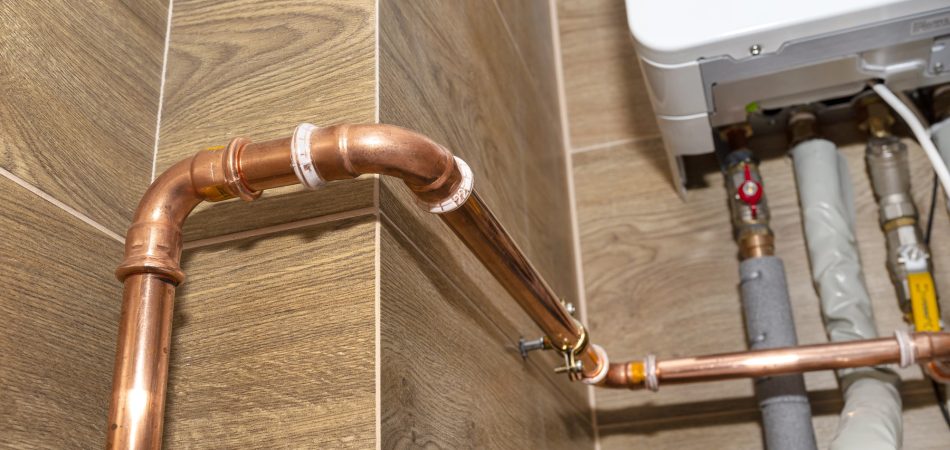
To safely install a gas line, always turn off the gas, hire certified professionals, and follow best practices like using proper materials, conducting leak tests, and installing carbon monoxide detectors. Always prioritize safety by wearing PPE, identifying potential hazards like underground wires, and having an emergency plan.
Gas line installation involves connecting pipes that safely deliver natural gas from the supply to appliances. Safety is critical because improper installation causes gas leaks, fire, or explosions. Faulty gas connections are a leading cause of household fires, which makes careful planning and adherence to codes essential.
The following are the steps to install a gas line:
Gas line installation begins with reviewing local building codes and permits. They define approved materials, installation methods, and inspection points. A licensed inspector typically checks the work before the line is turned on as a mandatory safety measure. Skipping permits and inspections creates gas leaks and code violations, so compliance is the foundation of any safe installation.
Gas line route planning involves mapping a direct route from the supply to the appliance. In this step, homeowners identify obstacles like electrical wiring, water pipes, or structural elements that must be avoided. The exact measurements help with later cutting and connecting – each pipe section fits snugly. Leak detection and inspection are mandatory safeguards, so the route should permit easy access for testing/future maintenance. A logical plan at this stage prevents errors, supports code compliance, and creates a safer installation timeline.
Turn off the main gas valve before starting any work. This step prevents gas leaks and lowers the risk of fire or explosion. Use a gas detector to make sure the supply is completely shut off.
Measure the pipe carefully so it fits the planned route. Use a pipe cutter or hacksaw to make straight cuts. Smooth the edges with a file to help the joints seal tightly and safely.
Threaded connections are joined with approved pipe sealant or Teflon tape to prevent leaks. Each section is tightened securely with wrenches. Proper alignment is critical, as misaligned joints compromise the entire line.
Shut-off valves are placed near appliances so the gas can be turned off quickly during repairs or emergencies. They should be easy to reach and follow local safety codes. Adding valves makes the system safer and easier to maintain.
Pipes are anchored to walls, ceilings, or framing with brackets or clamps. Secure fastening prevents vibration, sagging, and joint stress over time. Stability also ensures the line remains in place during inspections.
Once assembly is complete, every joint must be tested with a soap-and-water solution or a calibrated gas detector. If bubbles or readings indicate a leak, connections must be resealed immediately. Final inspection by a licensed professional is a mandatory safeguard before the line is put into use.
Tennessee Standard Plumbing enforces safety codes so that every gas line installation is tested. By following these regulations, homeowners reduce leaks, fires, and explosions while preserving system reliability.
The essential safety tips for gas line installation include preventing leaks, explosions, and exposure to dangerous fumes. Properties and lives are protected throughout the process. From shutting off the supply to following codes, every precaution is important for a safe installation.
These are some essential safety tips for gas installation:
Wear gloves, safety glasses, and sturdy clothing to stay safe from sharp pipe edges and sealants. The right gear helps prevent cuts, burns, and other injuries while working on the gas line.
Proper airflow prevents the accumulation of gas in the event of small leaks that may occur during installation. Ventilation reduces the chance of suffocation and makes leak detection faster and more accurate.
Gas is highly flammable, so eliminate ignition sources near the worksite. Power tools should be used with caution, and smoking or welding in the area must be strictly avoided.
Regular leak detection and professional inspection after installation are mandatory safeguards to confirm the line is safe for long-term use.
Common mistakes to avoid when installing a gas line include errors in fitting, material selection, testing, and ensuring compliance. Each mistake increases the risk of leaks, fire, or costly repairs, making preventive awareness essential for a safe installation.
Over-tightened fittings crack threads, while loose fittings fail to create a proper seal. Both conditions cause dangerous leaks that may not be immediately visible. Correct torque and sealant use are necessary for reliable connections.
Many administrations require permits and final inspections for gas line work. Skipping this step not only violates the law but also leaves potential safety hazards undetected. Inspections ensure the installation meets safety standards and prevents long-term risks.
It is mandatory to test the line with a pressure gauge or soap-and-water solution. Failing to do these checks leaves leaks unnoticed until appliances are used, which can cause fire or carbon monoxide exposure. Safe installations include leak detection.
Using the wrong type of pipe can cause problems because thin or unsuitable metals may rust or break over time. Approved materials like black steel or CSST are stronger, safer, and meet safety codes.
Avoiding these mistakes not only protects property but also ensures the gas system operates safely for years without hidden risks.
The best practices for long-term gas line safety are ongoing vigilance, code compliance, and timely maintenance. Professional inspections remain essential, as they identify hidden issues before they become hazards. Using tested safety procedures can help homeowners protect their property and family.
A professional should check the gas line every few years. This helps find small leaks or safety problems early and keeps the system safe for a longer time.
Gas lines should only be built with materials allowed by code, such as black steel or CSST. These materials are strong, safe, and last longer. Using the wrong type of pipe can rust, weaken, or fail, which makes the system unsafe.
Keep shut-off valves easy to see and reach at all times. In case of a leak, quick access makes it possible to stop the gas flow fast, protecting both the home and the people inside.
The pipes that show rust, wear, or corrosion must be replaced immediately. Delaying replacement increases the likelihood of leaks or ruptures, which could lead to fire or carbon monoxide exposure.
You should never handle gas line installation without professional help because working with gas systems involves serious safety risks that extend far beyond a typical DIY project. Professional plumbers are trained to follow strict building code compliance, ensuring every installation is legally sound and safe for long-term use.
They conduct thorough pressure testing to detect even the smallest leaks and guarantee that fittings and connections are secure. Beyond installation, professionals also stress the importance of routine maintenance to prevent corrosion, leaks, or performance issues that could endanger your household. Entrusting this work to licensed experts not only safeguards your property and family but also protects you from legal liabilities and costly insurance claim denials.
Tennessee Standard Plumbing takes pride in delivering expert gas line installation and maintenance with uncompromising safety standards. The licensed professionals ensure every project meets code requirements and passes rigorous pressure testing for complete reliability. With years of experience and a commitment to protecting families and properties, Tennessee Standard Plumbing is the trusted name homeowners turn to when safety and peace of mind matter most. Contact us today for the gas line installation service you need.
Yes, you almost always need a permit to install a home gas line, as it is required by most local municipalities for safety and compliance with codes. Improperly installed gas lines can create serious risks like explosion or asphyxiation, so a permit ensures the work is done correctly by a licensed professional. Check with your local building or engineering department to confirm specific requirements and procedures.
The best type of pipe for natural gas lines depends entirely on the application and location (indoor vs. underground), but approved materials generally fall into three main categories: black steel pipe, corrugated stainless steel tubing (CSST), and polyethylene (PE) pipe. The ideal choice balances safety, durability, and compliance with local building codes.
The cost to install a residential gas line depends on the length, type of pipe, and labor. Adding longer runs, more challenging routes, or even premium materials may raise the price. Other expenses might include required permits, inspections, or appliance hookups. The bulk of the cost is professional labor, which ensures code compliance and leak testing. Good installation prevents costly repairs or risks later on.
No, a homeowner cannot legally install their own gas line in most areas because it requires permits, inspections, and the oversight of a licensed professional. Gas line work presents high safety risks, and errors can cause leaks, explosions, or carbon monoxide poisoning. Even where it is legal, insurers may deny claims if they find unlicensed work. Licensees are trained in code compliance, pressure testing, and safe installation, so professional handling is the only responsible option.
You can detect a leak in a new gas line using a soap-and-water solution applied to all joints. If bubbles form, it indicates a leak that must be resealed. Professionals often use calibrated pressure gauges or electronic detectors to confirm safety. Leak detection is mandatory before any new gas line becomes operational. Skipping this step puts lives and property at risk, as even small leaks can lead to fire, explosion, or exposure to harmful gases indoors.
Gas line safety gear includes gloves, safety goggles, and tough clothing to protect against sharp pipe edges and sealants. In poor ventilation areas, respiratory protection may be necessary. Keep fire extinguishers handy for emergencies. The right safety gear prevents injuries and prevents cutting, threading, or sealing pipes. You can also book gas piping service in Knoxville, TN from Tennessee Plumbing to avoid any inconvenience.
Underground gas lines should be buried at least 18 to 24 inches deep, depending on local codes. That depth protects the line from accidental landscaping, digging, or construction work. Colder regions may require burying lines deeper to prevent freezing. Over the line, there is usually a cover or warning tape. Follow all the deep requirements for durability and avoid rupture or leaks.


A hot water circulating pump delivers instant hot water, reduces waste, and boosts efficiency. This guide shows homeowners how to install, maintain... Read More
Tankless water heaters offer impressive energy efficiency and a longer lifespan than traditional tank units. However, they come with limitations li... Read More

The most common and essential plumbing pumps used in homes fall into several key categories designed for different applications, primarily dealing ... Read More