
How Plumbers Identify Problems Without Guesswork
Plumbers eliminate guesswork by combining traditional diagnostic skills with advanced, non-invasive technology to pinpoint the exact location and c... Read More
Same-Day Service Available
Need a Plumber in Knoxville? We’re Ready to Help!




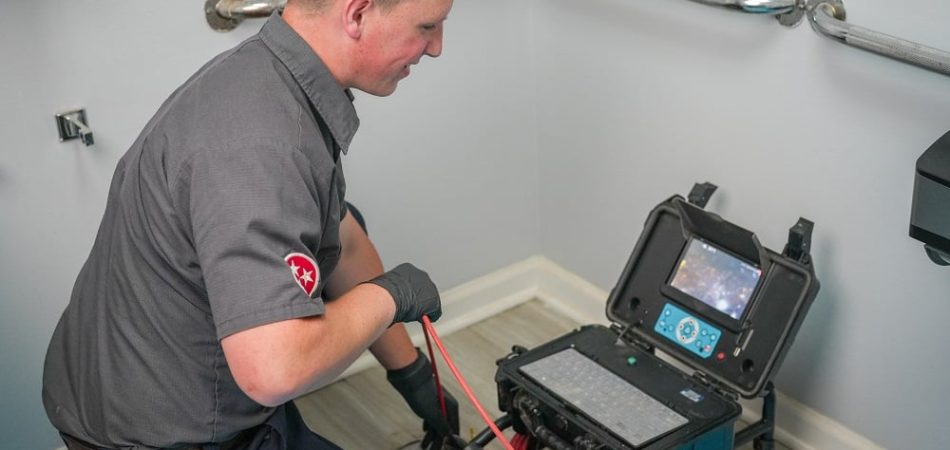
Drain cleaning equipment ranges from simple manual tools for minor clogs to heavy-duty professional machinery for severe blockages in main sewer lines. Choosing the correct equipment depends on the clog’s location, type, severity, and pipe size.
Types of drain cleaning equipment refer to tools and machines that clear blockages and keep water moving freely in pipes, stopping clogs, slow drains, and flooding. Drain cleaning tools have specific uses. Each tool helps remove clogs and keep water flowing.
Drain cleaning equipment ranges from simple plungers to advanced hydro jetters and inspection cameras. Each tool removes clogs in a different way, making drains safe and free-flowing. Tennessee Standard Plumbing applies the right tool for each problem to protect homes from costly water damage.
For expert drain cleaning in Knoxville or to schedule professional service that fully clears and restores your drains, contact us today.
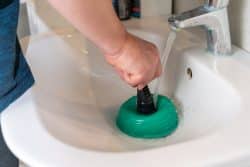 Plungers use suction to move clogs in sinks, tubs, and toilets. Place the rubber cup over the drain opening, push down, and pull up to create pressure that shifts the blockage. Plungers work best for small, surface-level clogs.
Manual drain snakes are flexible wires that push through soft clogs. Insert the wire into the drain and rotate it by hand to break the blockage. This tool clears food scraps or hair near the drain opening.
Hand augers use a crank handle to cut through tougher clogs. Insert the auger into the pipe and turn the handle to twist the wire. It grips or breaks material like soap buildup or tangled hair.
Electric drain snakes use powered rotation to reach deeper blockages. Place the cable inside the drain and switch on the motor to spin the wire. This tool clears clogs in longer or wider household pipes.
Drum machines store long cables to clean heavy clogs in main lines. Feed the cable from the drum into the pipe and rotate it until the clog breaks apart. These machines handle larger jobs like sewer line blockages.
Sectional drain machines use attachable cable sections to clear long drains. Add cable pieces as needed to reach deeper clogs. Plumbers use them for sewer pipes that extend across large properties.
Hydro jetters spray high-pressure water to clear grease, roots, and debris. Insert the nozzle into the pipe and run pressurized water through it. This method cleans pipe walls and restores flow in both home and commercial drains.
Chemical drain cleaners dissolve buildup with strong solutions. Pour the liquid into the drain and let it sit to break down soft clogs. They are used with caution, as chemicals may damage pipes if overused.
Drain cleaning bladders expand inside pipes to flush blockages with water. Attach the bladder to a hose, insert it into the drain, and run water until the clog clears. It works best for outdoor drains and larger pipes.
Wet/dry vacuums remove water and debris from blocked drains. Place the hose over the drain opening and use suction to pull out the clog. This tool helps in emergencies with standing water.
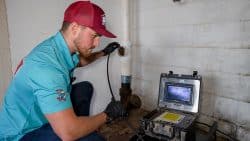
Video inspection cameras use waterproof lenses to see inside pipes. Insert the camera through the pipe to view clogs, cracks, or roots on a screen. Tennessee Standard Plumbing uses this tool to locate issues before choosing the right fix.
Mechanical drain cleaners use physical force and motion to break up or extract blockages inside pipes. The tool pushes a steel cable or coil into the drain, and turning the handle or motor makes the wire spin. The spinning tip hooks, cuts, or grinds through the clog until it breaks apart and the water flows freely again.
The main benefit is that they clear clogs without chemicals. This protects the pipe material, avoids harmful waste, and gives a stronger result for stubborn clogs. Plumbers rely on them for tough blockages caused by grease, tree roots, or compacted waste in sewer lines. Home users often apply small versions for sinks or tubs, while professionals use heavy machines for long or wide pipes.
Mechanical tools work best when the clog is deep inside the pipe or resists plunging. Tennessee Standard Plumbing selects the right tool size and type for each drain, from small bathroom clogs to heavy sewer blockages, giving a safe and lasting fix.
Tools used for drain inspection are CCTV drain cameras, locator devices, inspection rods, smoke machines, and dye testing kits. These tools help plumbers see inside pipes, locate problems, and confirm leaks before choosing the right repair or cleaning method. Tennessee Standard Plumbing applies these inspection tools to give precise results.
Tools used for drain inspections are:
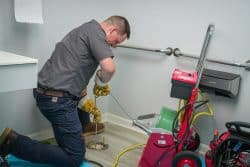 Real-time video transmission inside pipes uses waterproof cameras with built-in lights. They help identify clogs, cracks, and roots without digging.
Electronic locators track the camera’s signal underground. They mark the exact spot of the issue, saving time and avoiding guesswork.
Rigid or flexible rods push cameras through pipes or probe for blockages. They help cover long distances inside the drain system.
These machines release non-toxic smoke into pipes. If smoke escapes from the ground or walls, it shows leaks or illegal pipe connections.
Colored dye is added to the water system. Watching where the dye flows reveals leaks, cross-connections, or hidden drainage issues.
Safety tools that protect against drain cleaners are safety gloves, safety goggles, protective clothing, non-slip boots, respirators, and ear protection.
Safety tools that protect against drain cleaners are:
Thick gloves protect hands from sharp debris, chemical burns, and hot water.
These shield the eyes from splashes of chemicals, dirty water, and flying debris during cleaning.
 Waterproof aprons or coveralls keep dirty water and harsh cleaners from touching the skin.
Slip-resistant soles help plumbers stand safely on wet floors and protect their feet from spillages or dropped tools.
These block harmful fumes from strong cleaners or sewer gases, protecting the lungs.
Earplugs or earmuffs reduce noise when using loud machines like water jetters.
Using the right safety tools lowers injury risks and follows workplace safety standards. Tennessee Standard Plumbing makes sure every plumber works with full protective gear for safe and professional service.
Drain cleaning tools last longer when they are cleaned, dried, lubricated, inspected, stored properly, and used as the manufacturer directs. Tennessee Standard Plumbing follows these steps to keep tools safe, reliable, and ready for every job.
Well-maintained tools perform better, lower accident risks, and prevent costly repairs.
Choosing the right drain cleaning tool depends on the type of clog, the pipe material, the location of the blockage, and whether earlier DIY attempts have failed. Using the wrong tool can cause pipe damage, incomplete clog removal, or personal injury.
These are the right cleaning tools according to the type of clog:
 Deep clogs in main sewer lines: Motorized drain snakes or hydro jetting machines cut through stubborn debris with strong force.
Tennessee Standard Plumbing provides expert diagnostics, advanced tools, and licensed technicians who select and use the right method every time. This ensures efficient clearing, protects pipes, and delivers long-term peace of mind for homeowners and businesses needing professional drain cleaning in Knoxville.
A motorized drain auger is a powered plumbing tool designed to handle severe drain blockages. It uses a rotating cable that moves deep inside pipes to cut through debris, grease, or roots. Unlike manual tools, it provides stronger force and reaches longer pipe lengths, making it effective for household and commercial drains.
To operate a motorized drain auger, a plumber feeds a flexible cable into the clogged pipe while the machine rotates it at high speed. The spinning cable grinds through hair, grease, and roots, breaking them apart or pulling them out. This method restores water flow without using harsh chemicals and works well in deeper lines.
Yes. Motorized augers clear tree roots when fitted with special cutting blades. The blades slice through invading roots and push the debris out of the pipe. This gives temporary relief, but repeated root growth may require hydro jetting or chemical root inhibitors.
A motorized auger is used to clear deep or stubborn clogs. They handle compacted grease, heavy hair masses, paper buildup, and root intrusions. These clogs block water flow tightly and do not respond to plungers or manual snakes, making a powered auger the reliable option.
Drain cleaning cables are made of high-tensile spring steel, a strong and flexible metal. This steel bends around corners inside pipes without breaking, while still holding the power needed to cut through blockages. The material resists wear and allows cables to last through many drain cleaning jobs. Tennessee Standard Plumbing uses sturdy drain cleaning cables to provide reliable drain cleaning services.
Drain cables break when the steel wears down over time or when used improperly. Rust, kinks, and bending the cable too sharply weaken the metal. Forcing the cable against tough obstructions also causes stress cracks. Without cleaning and lubrication, the cable corrodes faster and loses durability.
Yes. Drain cables can damage pipes if misused or forced. Aggressive cutting heads may scratch or crack older cast iron or clay pipes. In thin plastic pipes, too much pressure can split the pipe walls. Correct cable size, proper attachments, and steady control prevent pipe damage.
Effective hydro jetting requires water pressure between 1,500 and 4,000 PSI. Lower PSI settings work for grease and soft sludge, while higher PSI settings break through roots, mineral deposits, and heavy buildup. Professional plumbers adjust the PSI based on pipe size and blockage type to avoid damaging the pipes.
For hydro jetting, plumbers use a high-pressure water pump, a flexible hose, and a nozzle with angled jets. The pump delivers a strong water force through the hose, and the nozzle sprays water backward and forward. This action scours the pipe walls, flushes out debris, and restores full flow.
Yes, hydro jetting removes grease buildup inside kitchen and sewer pipes. The high-pressure water strips away hardened layers of grease that cling to pipe walls. This cleaning method not only clears current clogs but also smooths the pipe interior, which slows down future grease accumulation.
To use a pneumatic drain cleaner, compressed air is pumped into the clogged pipe. The air releases in a sudden burst that pushes water and blockage forward at high speed. The pressure breaks apart grease, soap scum, and paper, making the clog loosen and flow down the line.
Drain clogs that respond well to air pressure are soft or medium-strength clogs. Paper waste, grease buildup, and soap residue break apart easily with compressed air. These clogs often occur in sinks, tubs, and toilets where air tools work fast without the need for heavy equipment.
Yes, air burst drain cleaners are effective for clogs located near the drain opening. They release strong bursts of air that dislodge blockages within a few feet of the pipe. They work well on small to medium clogs but lack the reach or power needed for deep or root-related blockages.
Yes, air drain cleaners damage frozen pipes. Frozen pipe walls become brittle and crack under pressure. When compressed air forces against the ice blockage, the sudden stress bursts the weakened pipe. Professional thawing methods used by Tennessee Standard Plumbing are safer than using any air-powered cleaning tools.


Plumbers eliminate guesswork by combining traditional diagnostic skills with advanced, non-invasive technology to pinpoint the exact location and c... Read More

Trenchless sewer line repair typically costs $4,000–$15,000 and offers a faster, less disruptive alternative to traditional excavation by fixing pi... Read More
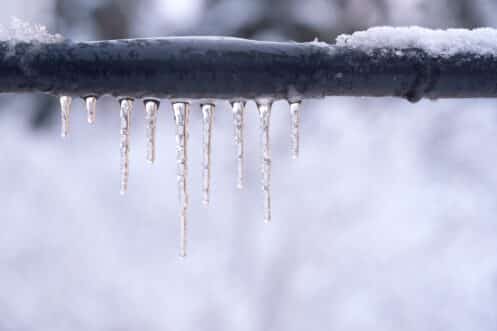
Prevent frozen pipes by insulating exposed pipes, maintaining consistent home temperatures, and protecting vulnerable areas like exterior walls and... Read More