
How to Install a Bathtub Drain: Proven DIY Guide and Expert Tips?
Installing a bathtub drain in Knoxville means matching the drain to your tub, removing the old stopper and flange, cleaning the opening, sealing a ... Read More

Same-Day Service Available
Need a Plumber in Knoxville? We’re Ready to Help!




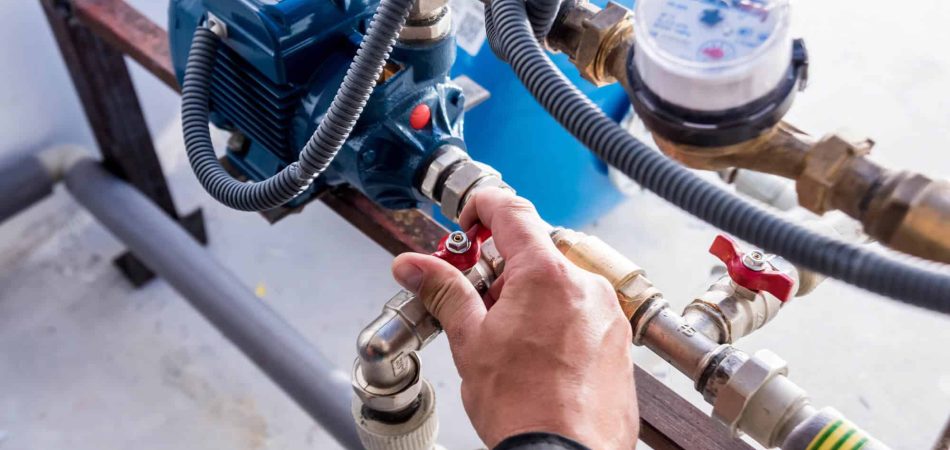
A 2025 booster pump installation cost includes the pump itself, labor, and other components like pipes and electrical work, with the total price varying widely based on system complexity and location. Key cost factors include the type and size of the pump, the need for plumbing and electrical modifications, permit fees, and local labor rates. For a basic residential system, expect a range of $717 to $1,094 (including parts and labor), while more complex systems can cost significantly more.
A booster pump is a motor-driven device installed on your main water line to enhance water pressure and flow rate throughout the house. In many cases, the cost of installation alone can range from $150 to $1,500. The exact price depends on many factors.
Main cost drivers include pump type and size, the layout of your existing plumbing, and the extent of rerouting and upgrading pipes or electrical service required. A simple base quote isn’t enough to reveal all the hidden charges that increase your final bill. Some of these costs include isolation valves and permits, as well as unanticipated pipe adjustments.
To get the most accurate cost for your project and avoid unnecessary expenses, request a detailed on-site assessment from a trusted professional. For clear, comprehensive pricing, you can count on Tennessee Standard Plumbing. We are known in the Knoxville area for our licensed, highly trained plumbers and our “Peace of Mind Process,” which offers customers multiple options with transparent pricing.
Contact us today to schedule your booster pump assessment and get a clear, confident estimate.
The total cost to install a water booster pump typically ranges from $150 to $1,500. However, when the pump unit is included, the cost jumps to $1,200-$3,000. This wide range exists because prices vary by pump type and the complexity of the installation.
Basic residential booster pumps or portable models start at a lower price point, from $100 to $300. Higher-quality, whole-house units with greater gallons-per-minute (GPM) capacity or advanced features cost $400 or more.
Professional installation by a licensed plumber is necessary. Labor charges in the Knoxville area range from $45 to $200 per hour. A standard installation takes about two hours. In addition to these costs, labor costs become significant if installation requires new parts or plumbing. The site’s accessibility also directly affects installation time and cost.
The cost to install a residential booster pump in your home, including the pump and labor, typically falls in the $1,200–$3,000 range.
The primary cost factor is the type and capacity of the pump, which has to match your specific residential needs. For a small home with minor pressure problems, a basic constant-speed pump is sufficient. Larger, multi-story homes with high water demands require more expensive, high-power, variable-speed, or multi-stage pumps to deliver adequate flow (GPM).
Labor and the condition and complexity of your plumbing are also contributing factors to the final costs. Labor costs and time differ depending on how accessible the location is. For instance, basement access is cheaper than a tight crawlspace.
Additionally, your existing plumbing layout may require minor modifications and the installation of components such as a check valve or pressure regulator, which add to the total material and labor charges.
The commercial booster pump installation cost starts much higher than a residential job, typically ranging from $5,000 up to $15,000 or more. The price includes complex piping, larger control panels, and compliance with strict building codes.
Commercial systems handle a massive increase in scale and water use. Therefore, the system’s design must accommodate the constant, high-volume water demands of many users simultaneously, which requires much larger, industrial-grade equipment.
These large pumping systems use multiple pump units that operate together in response to demand. They are technologically advanced and equipped with variable-speed drives (VSDs) to precisely match water flow and prevent pressure loss during peak hours. Because of the size, complexity, and specialized electronics involved, commercial installations always require experienced professionals, which results in higher costs.
The hidden costs of booster pump installation in 2025 include unexpected expenses for permits, electrical work, or additional parts. The most common hidden expenses in booster pump installation include:
A permit is a required approval from your local city or county for plumbing changes. This cost is often overlooked because many homeowners forget that plumbing work, especially work connected to the main water line, requires a permit. Secure the permit before installation to ensure the job is compliant and you pass the final inspection without costly rework.
Booster pumps use electricity, and a bigger pump needs more power than your existing wall outlet provides. Electrical circuit upgrades mean adding new wiring or a dedicated circuit breaker to handle the load. A separate electrician’s bill for this essential power work adds an unexpected cost to your project.
An inlet filter or strainer catches tiny particles of dirt and debris in your water supply before they enter the pump and damage it. This cost is hidden because the part is often overlooked, but it becomes necessary if your water has sediment. Adding this small protection saves you from expensive pump repairs or replacements down the road.
Fittings are small connector pieces, like elbow joints, while unions allow the pump to be easily removed for service. Sometimes, the new pump’s location or pipe size does not perfectly match your existing plumbing. The plumber has to add these crucial, but unbudgeted, pipe-connecting parts to ensure a secure, leak-free system.
The control panel is the system’s brain. It automatically turns the pump on and off to keep your pressure steady. This cost gets hidden if your chosen pump model does not come with a ready-to-go, pre-wired control system. The installer needs to spend extra time wiring and programming the controls to make the pump work correctly.
Planning for these extra expenses means your project stays on budget and on schedule. Have an open conversation with your plumber and electrician before the work begins. Knowing about these hidden costs keeps you in control of your home improvement investment.
The factors that affect the cost of installing a booster pump on your property depend on a mix of equipment needs and labor requirements. Knowing these helps you get a clearer, more accurate price from a professional.
The main factors that influence booster pump installation cost include:
The pump size and type affect the initial purchase price. A small pump just for one shower costs much less than a large system for an entire multi-story house. Variable Speed Drive (VSD) pumps, which adjust power use based on demand, save energy later but have a higher upfront cost than basic fixed-speed pumps.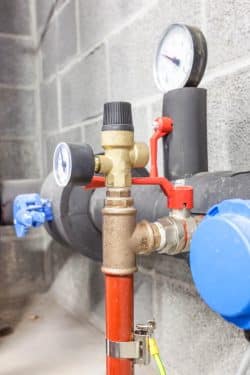
Required flow and head pressure tell you how powerful your pump needs to be. Flow is the amount of water you need (like for two showers at once), and head is the force or height it pushes the water. A home with many bathrooms or one on a hill needs a stronger, more expensive pump to meet high-demand requirements.
The complexity of pipe rerouting covers the work needed to connect the new pump to your existing water lines. Installation is simple and cheaper if the pump fits easily near the main inlet. Extensive changes, such as cutting into walls or relocating the pump, require additional time and materials, increasing labor costs.
Local labor charges reflect the going rate for skilled plumbers and electricians in your area. Installation labor costs vary widely from one city or town to another. Always get multiple quotes from qualified, licensed professionals to find a fair price for the work.
A challenging installation location makes the job take longer and cost more money. Installing a pump in an easily accessible basement is quick work, but installing one in a cramped crawlspace or a tight utility closet takes more effort. Hard-to-reach spots mean more hours for the installer.
You gain control over your budget by understanding these factors. Talk clearly with your installer about your water needs and the exact location of the pump to avoid unexpected extra charges on your final bill.
The safety measures that help you reduce the cost of booster pump installation include using GFCI wiring, installing isolation valves, and having a professional perform testing.
The key safety measures that can help lower your booster pump installation cost include:
Electrical wiring from the source to the pump’s main electrical connection should be Ground Fault Circuit Interrupter (GFCI) protected. GFCI wiring cuts off power almost immediately when it senses a malfunction, protecting you from electrical shock or motor damage. This protection helps prevent costly electrical repairs or a total pump replacement caused by a power surge or water leak.
Install isolation shut-off valves on both the inlet and outlet pipes of the pump. These valves allow you to completely stop water flow to the pump without turning off water for the whole house. Easy access for maintenance means your plumber spends less time isolating the unit, saving you labor costs.
Add union couplings (special threaded connectors) right next to the pump on both water lines. Unions let the pump be easily disconnected and removed without cutting the pipes. Quick removal is vital for fast, inexpensive maintenance or replacement down the road.
Place vibration-dampening pads under the pump unit during installation. Pumps create a little shake or vibration when they run, and these pads absorb that movement. Less vibration means less wear and tear on the pump and surrounding pipes, helping prevent premature breakdowns and repair costs.
Make sure to perform a pressure test and a flow test upon installation and during operation. A final check ensures that the pump is set to the precise requirements of the house. Good testing supports maximum pump life and minimum energy consumption over its life, helping to avert warranty issues.
Taking these safety steps makes your booster pump system reliable from day one. A safe, properly installed pump runs efficiently for years, keeping the total cost of ownership low.
You can get an accurate estimate for booster pump installation cost by doing some research beforehand and being as specific as possible when talking with plumbers. The price is driven by the pump itself and the complexities of the labor. You need reliable information on your house’s water requirements and the specific parts required to get an accurate quotation, so there are no surprises in charges later.
The key steps for getting an accurate estimate for booster pump installation cost are:
Perform an on-site pressure test to determine your current water pressure, measured in pounds per square inch (PSI). Use this number to calculate the pressure boost required from the upcoming pump. Plumbers use a simple pressure gauge connected to a hose spigot outside to get this crucial measurement.
Calculate the flow to determine the total volume of water your house uses at the busiest time. This number is your required gallons per minute (GPM). Count the number of fixtures you run at once, like a shower, washing machine, and dishwasher, to help the professional size the pump correctly.
A complete installation requires a list of all materials, fittings, and valves needed in addition to pipes. This list includes safety devices such as a Ground Fault Circuit Interrupter outlet and any pressure tanks. A full list ensures all parts get accounted for in the final price, avoiding hidden costs.
Request multiple licensed quotes from different reputable plumbing companies in your area. Provide each company with the same information about your pressure test results and flow requirements. Comparing a few bids helps you confirm the market price for the job and find a competitive rate.
Confirm warranty information regarding the pump and the installation labor from the professional. A strong warranty covers potential failures in a pump or installation defects that occur later. An up-front warranty safeguards your investment by preventing the same repair from being paid for twice.
Following these steps puts you in a great position to receive a fair and accurate price for your booster pump project. Do not rush this process. An accurate estimate leads to a successful installation without financial stress.
Always look for a trusted service provider for booster pump installation in Knoxville—and that’s where we come in at Tennessee Standard Plumbing. We’re known for delivering accurate estimates for booster pump installations and reliable plumbing solutions across residential and commercial properties. We take the time to understand your unique water situation before we give you a quote, making sure your new system is the right fit for your home.
The average hourly labor rate for booster pump installation ranges from $45 to $150, depending on the plumber’s experience and geographic location. This amount includes the time a professional spends connecting the pump, integrating it with the pipes, and ensuring it operates efficiently.
No, booster pump installation cost does not include electrical upgrades as a standard feature in the plumbing quote. The plumber handles the water line connections, but any required electrical work, such as installing a new circuit, a dedicated outlet, or a GFCI (Ground Fault Circuit Interrupter), falls to a licensed electrician and incurs a separate charge.
The booster pump type affects your installation cost because complex or larger pumps require more labor time and materials. For example, a basic fixed-speed pump costs less to install than a more advanced variable-speed drive (VSD) system, which needs sophisticated wiring and calibration to optimize energy use and water pressure.
Yes, the cost of installing the booster pump increases if the piping needs rerouting, as this adds significant labor and extra materials to the job. The plumber cuts into walls or floors and installs new pipe sections to correctly position the pump, turning a simple installation into a major plumbing project.
Yes, you incur extra installation costs for adding isolation valves, as they are separate components not always included with the pump or the standard installation kit. You pay for two valves and the extra labor required to cut the existing pipe and sweat or thread the new valves into place.
Yes, financing is available for booster pump installation. These financing options for booster pump installation let homeowners spread the cost over several months or years, making it easier to afford the upfront investment for better water pressure.
Yes, you save costs by combining booster pump installation with other plumbing jobs, like a water heater replacement or a whole-house inspection. We often waive the initial service call fee or offer a discounted hourly rate.
Yes, you pay extra for materials beyond the pump cost, since the installation requires many components to connect it to your home’s water system. These include copper or plastic pipes, fittings, connectors, pressure gauges, check valves, and mounting hardware, all of which add to the total material bill.
Booster pump maintenance costs differ from installation costs as maintenance is a small, recurring expense, while installation is a large, one-time investment. Installation covers the initial setup and parts, but maintenance involves periodic small fees for inspections, lubrication, and minor part replacements over the pump’s lifetime.
You should inspect your booster pump at least once per year to avoid costly repairs. Regularly scheduled, professional visits ensure secure connections and correctly calibrated pressure settings, so small issues are caught before they become more expensive failures.
Yes. Many large companies, including Tennessee Standard Plumbing, provide a full range of commercial plumbing services and residential work, and they might offer a better rate to keep their teams busy during off-peak times.


Installing a bathtub drain in Knoxville means matching the drain to your tub, removing the old stopper and flange, cleaning the opening, sealing a ... Read More

To find a plumbing leak in a slab, first, look for signs like a high water bill, the sound of running water, or warm spots on the floor. To confirm... Read More

The most common and essential plumbing pumps used in homes fall into several key categories designed for different applications, primarily dealing ... Read More