
Why Install a Sump Pump Outside? Key Benefits Explained
An outdoor sump pump helps manage excess water in low-lying areas, redirects groundwater away from the foundation, and adds an extra layer of flood... Read More

Same-Day Service Available
Need a Plumber in Knoxville? We’re Ready to Help!




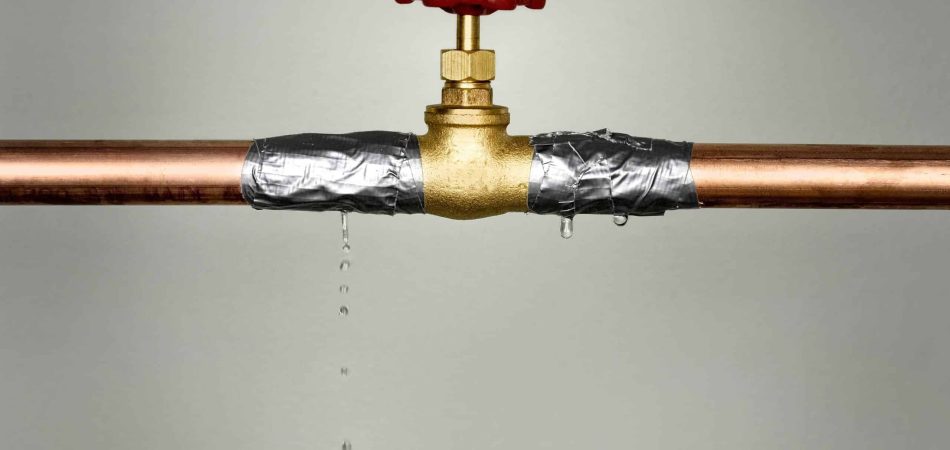
Pinhole leaks in copper plumbing develop over time due to corrosion from water chemistry, such as high acidity or mineral content, excessive water flow, or faulty installation. Common signs include damp spots, water stains, or visible drips, often appearing near pipe fittings. Fixing these leaks usually requires replacing the damaged section of pipe, a task that is typically best handled by a professional, particularly for more extensive problems.
Pinhole leaks are tiny holes, occasionally almost invisible, on copper pipes. They start as minor issues but turn into major problems in the long run. These pinhole leaks are wasteful of water, cause severe property damage, and lead to costly repairs. Continuous and slow dripping from a pinhole damages walls, ceilings, and floors. Catching them early saves you from a lot of trouble. Understanding the causes is the first step to protecting your home.
Knowing the cause of a leak is key to preventing future issues. By getting to the root of corrosion and damage, homeowners undertake some preventive measures that not only minimize repair costs but also extend the life of the plumbing system.
For reliable leak detection and repair, you need expert help. Tennessee Standard Plumbing provides lasting solutions to keep your plumbing system safe and sound, backed by a certified and licensed team of experts you can trust.
The main causes of pinhole leaks are:
The makeup of your water directly affects your pipes. Water with a pH below 7.0 is acidic and slowly eats away at the inside of copper pipes, causing corrosion. Over time, tiny pits form and eventually create small holes.
You can identify this issue by noticing blue or green stains in sinks or tubs, which are clear signs of copper corrosion. Testing your water is the best way to confirm. A home testing kit checks pH and mineral levels, or requests a water quality report from your local utility. To solve this issue, install a neutralizer system that adds minerals like calcite to raise the water’s pH to a safe level.
Municipal water treatment plants use chlorine to disinfect water. While effective at killing bacteria, chlorine is also a strong oxidizing agent. It reacts with copper pipe surfaces, breaking down their protective layer. This process begins with pitting corrosion, and over time, repeated exposure develops into pinhole leaks.
You detect chlorine corrosion by leak patterns. They appear near water heaters, where heat accelerates the reaction. Multiple pinhole leaks in one area are a clear sign. A whole-house carbon filter installation is a viable solution as it removes chlorine before it can damage the plumbing.
Water contains a small amount of sand, silt, and minerals. These minerals settle in the horizontal pipes and form a layer of sediment. This sediment is a huge problem because water flows over this layer and creates turbulence. The turbulence causes a scraping action. This action rubs away the protective layer on the pipe’s interior. It exposes the bare copper, leading to pinhole leaks.
You spot this problem by the leak patterns. Sediment-related pinhole leaks typically appear in a line along the underside of horizontal pipes. The solution to this problem is to flush out your water lines to remove any buildup and then install a sediment filter to trap any of these particles before they reach your plumbing.
Water moves through pipes at a specific speed, but if the speed becomes too high, turbulence is formed. This turbulence created tiny, abrasive eddies. These eddies erode the inner pipe walls. The effect is strongest at bends and joints, where rushing water scrubs the copper surface, thinning it and causing pinhole leaks.
You find these leaks near elbows, tees, and other fittings where water changes direction. Test for this issue with a simple pressure gauge attached to an outdoor faucet. Readings above 80 PSI (pounds per square inch) indicate excessive pressure. The solution is the installation of a pressure-reducing valve (PRV), which reduces the incoming pressure to a good range of 40 to 60 PSI, thereby preventing erosion and leaks.
Poor installation means long-term plumbing problems. When too much solder or flux is used to connect the pipes, it drips inside the pipe and forms a rough spot that collects debris and forms a mini-dam. Water builds up behind it and causes a corrosive action. Over time, the constant flow wears down the copper wall, leading to a pinhole leak.
You identify this issue by leaks near pipe joints or fittings. The leaks are a single, isolated problem. Visible solder drips on the outside are another clue. The only reliable solution is to cut out and replace the faulty section. Proper installation with the right amount of material prevents future failures.
Electricity from nearby sources sometimes travels through your plumbing. This is called stray current corrosion, or galvanic corrosion. Stray currents use copper pipes as a path to ground, pulling tiny bits of copper from the walls. It eats away at the pipe, forming deep pits that eventually create pinhole leaks.
These leaks appear in unusual, isolated spots near electrical wiring or appliances. An electrician tests for stray currents using a multimeter, placing one lead on the pipe and the other on a ground source. Any reading above zero shows a problem. The answer is to identify and fix any faulty wiring or appliances and to bond the pipes to the home’s electrical ground, creating a safe path for current and protecting your plumbing.
Copper is a very durable plumbing material, but it is not immortal. Gradually, over decades of constant exposure to water, the pipe develops small imperfections inside, including scratches, pits, and thin spots. These weak points become vulnerable to corrosion. Combined factors like water chemistry, chlorine, and sediment eventually break down the pipe, leading to leaks.
You identify this issue by the age of your plumbing. Homes with original copper pipes older than 40 years face a higher risk, especially when leaks occur in multiple, scattered locations. The best long-term solution is repiping. A plumber replaces aging copper with PEX (Cross-Linked Polyethylene) or new copper, providing a modern, reliable plumbing system that prevents future leaks.
The warning signs of pinhole leaks in copper plumbing are low water pressure, greenish pipe stains, and high energy bills. These signs are easy to miss, but they provide important clues.
The common warning signs of pinhole leaks in copper plumbing include:
 You notice a drop in your home’s water pressure. A pinhole leak releases water slowly, causing a drop in the water flow. The leak wastes a lot of water. It also puts stress on your plumbing system. Spotting this early saves you from a high water bill and further damage to your pipes.
A pinhole leak inside a wall creates a damp, humid environment. This moisture causes mold and mildew to grow. You smell a musty, earthy odor coming from a wall. Ignoring this smell causes bigger issues. The mold damages your home’s structure. It also poses health risks.
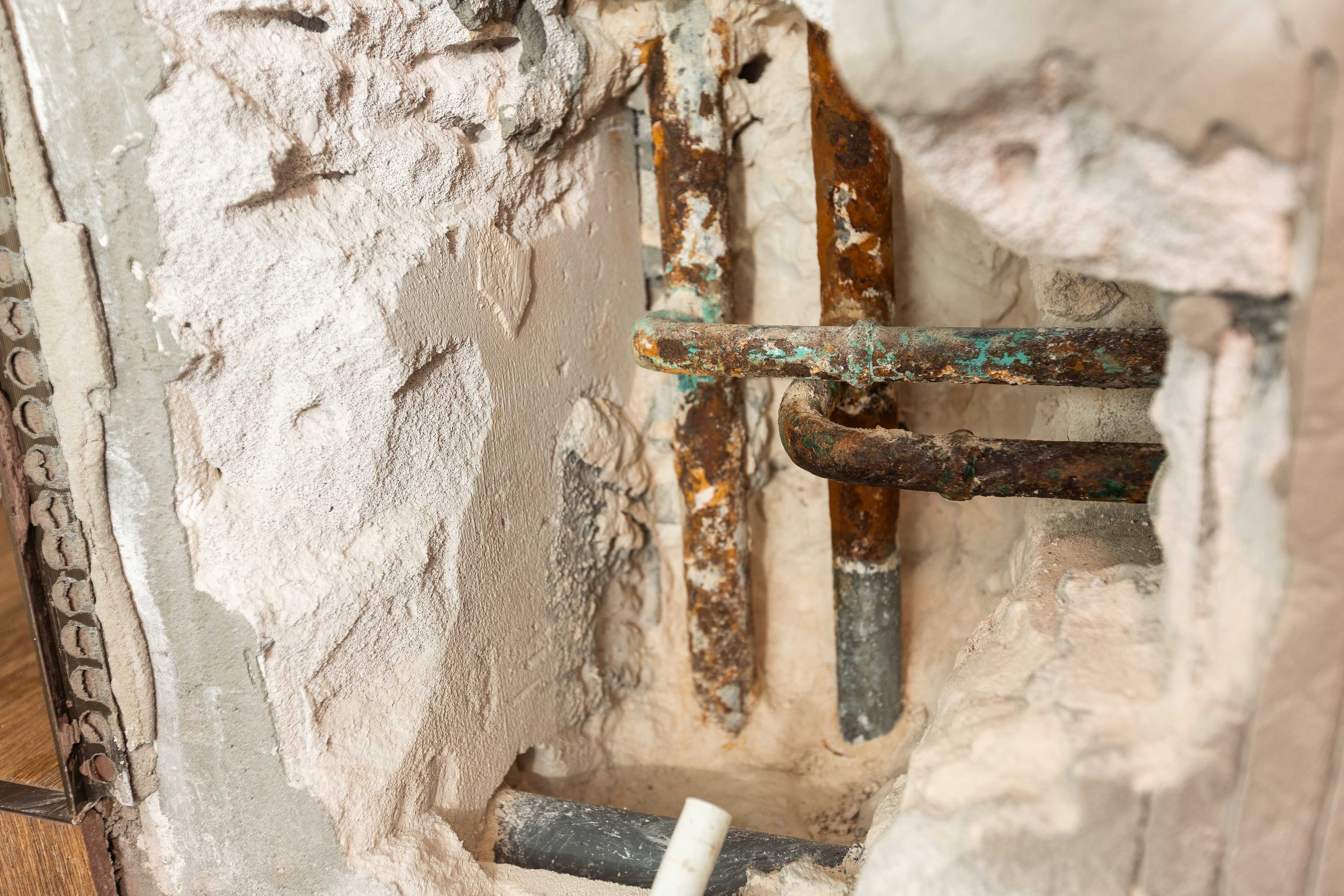
Water from a pinhole leak leaves a residue on the outside of your pipes. The residue is a greenish-blue color. It shows copper is corroding. Finding these stains early allows you to repair the leak before it bursts. It prevents a major flood.
Pinhole leaks in pipes located in the ceiling cause visible water damage. You see brown or yellowish stains on your ceiling. The paint starts to peel and bubble. Ignoring such signs leads to a collapsing ceiling. Simple repairs ensure that no huge structural damage occurs.
Copper pipes contain copper minerals, which means that a small leakage leaves behind these minerals. You begin to notice blue or green spots on the floor, inside a sink, or on other fixtures. They look like little specks of color. A quick response to these spots prevents a full-blown rupture of the pipe.
A small, hidden leak wastes water. You notice your water bill is much higher than usual. The increase is unexplained. Such a bill indicates that there is a hidden leak. Left unchecked, you lose a lot of money because of it. Early leak detection minimizes costs and prevents damage.
A pinhole leak makes a very tiny and faint, drippy sound that persists when faucets and other water appliances in the house are turned off. This sound comes from the walls or ceilings. A plumber uses acoustic equipment to pinpoint the location and prevent a larger problem from forming.
Spotting these signs early helps you protect your health, property, and finances. It is a good idea to seek a professional. A local company like Tennessee Standard Plumbing offers expert leak repair solutions to keep your home safe and dry.
You can fix pinhole leaks in copper plumbing expertly by locating the leak, thoroughly cleaning the pipe surface, and applying the proper fix. It is a precise process that requires the right tools and knowledge.
The key steps to fix pinhole leaks in copper plumbing include:
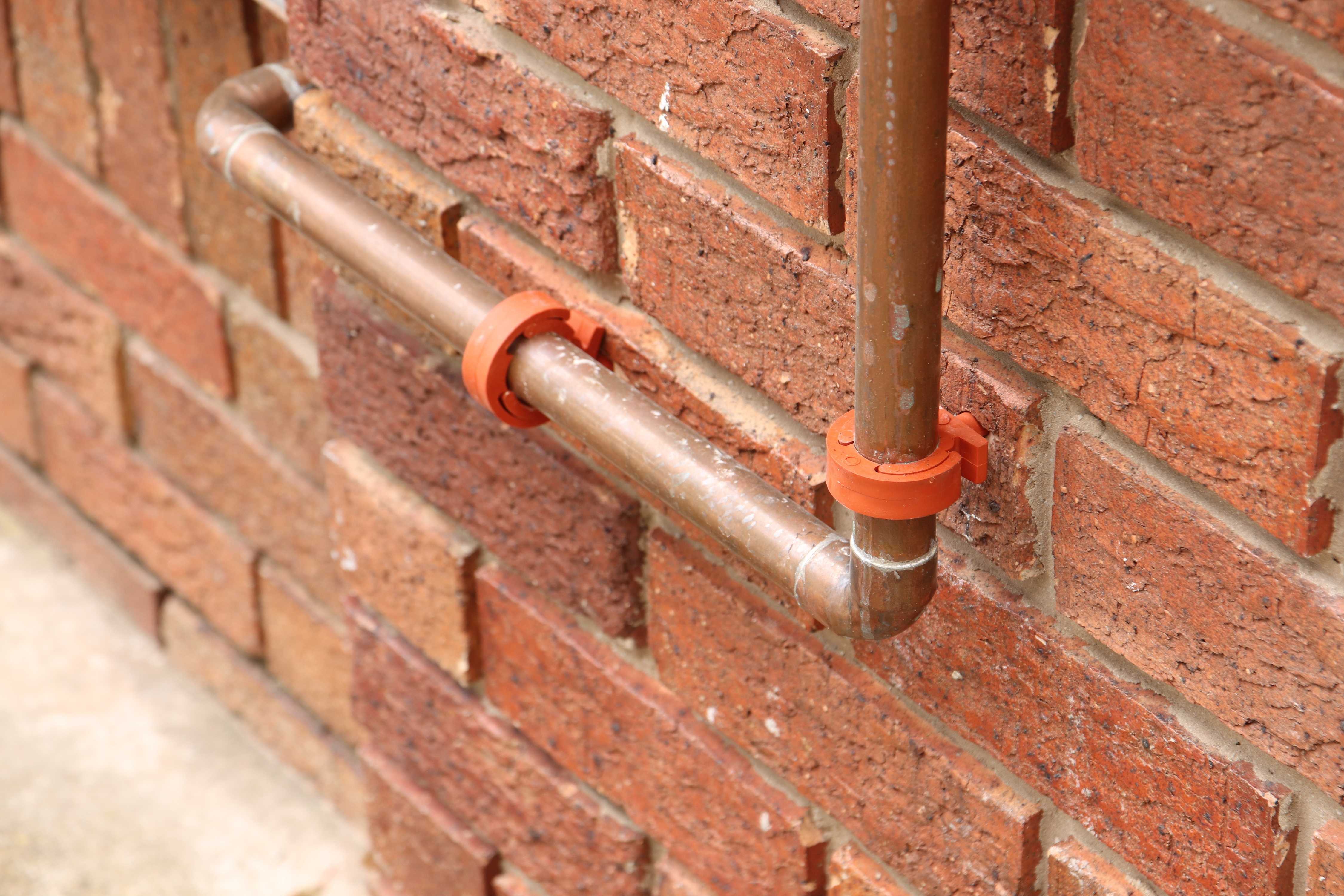 Locate the actual position of the leak first. Look for the signs of moisture, such as wet insulation or a drip mark. Run your hand along the pipe to check for cold and wet spots to check for cold and wet spots. Listen for faint hissing noises. Use a flashlight for a closer inspection of the surface of the pipe. A successful repair depends on finding the precise location of the tiny hole.
Once you have found the leak, stop the water flow. Find your main water shut-off valve. It is usually in the basement, a utility closet, or outside near your water meter. Turn the valve clockwise to stop the water. Then open a faucet to drain all the remaining water from the pipes. This step prevents water from leaking while you work.
You need a clean surface for a proper repair. Take a wire brush or a piece of emery cloth to scrub the repair area around the pinhole leak. This removes any corrosion, dirt, or paint. Copper has to shine and be clean. A clean surface allows good bonding of the patch and repair material.
You have a couple of options for a temporary or permanent fix. A simple pipe clamp with a rubber gasket provides a quick and temporary fix. You place the clamp over the pinhole and tighten the screws. A more permanent option is an epoxy putty stick. The putty hardens and creates a strong seal. You apply the epoxy putty directly over the hole, ensuring it covers the entire pinhole. A full, permanent solution involves soldering. Use a soldering torch to apply solder over the pinhole to completely seal the hole.
Once the repair work is done, slowly turn on the main water valve again. Observe the repaired area thoroughly for any dripping or wet spots. Listen for the hissing sounds. No leaks indicate a successful repair. A successful repair gives you peace of mind. It prevents further water damage to your home.
Repairing a pinhole leak yourself is a good temporary solution. It gives you time to plan for a permanent fix. For long-term peace of mind, contact a professional plumber. They find the root cause of the problem and provide a lasting repair or a full repiping.
Materials that are commonly used for repairing pinhole leaks are a mix of temporary patches and more permanent solutions, ranging from simple wraps to full pipe sections.
The common materials used for repairing pinhole leaks include:
Rubber clamp patches and stainless steel repair clamps are quick fixes for pinhole leaks. Place the gasket over the pinhole and tighten the clamp. A leak sleeve fitting works similarly. A metal sleeve slides over the pipe and is then secured. These are best for small, isolated leaks. They are designed to stop a leak immediately and are highly effective as a temporary solution.
Epoxy resin mix is a two-part putty that you mix. It forms a strong, durable plug that hardens over the pinhole. You apply the putty directly to the leak. It creates a solid seal. This is a very effective and more permanent solution than a clamp. It is a good choice for homeowners who want to do a more lasting repair themselves.
Copper solder sticks are used for a true, permanent fix. A plumber heats the pipe with a torch and applies the solder. The solder melts and flows into the pinhole, sealing it completely. This is a highly reliable and robust repair. It is a good choice for small, single leaks when done by a professional.
For pipes with numerous small leaks, a professional applies an epoxy pipe coating or a protective pipe liner. This is a liquid that coats the inside of the entire pipe. It seals all pinholes and thin spots from the inside. This method works well for pipes that are in decent condition but have widespread minor corrosion. An anti-corrosion coating is a specialized paint applied to the exterior of the pipe. It is a preventative measure. It does not fix an existing leak.
The sectional pipe replacement is the permanent fix. In this case, a plumber cuts a part of the damaged pipe and replaces it with a new copper section. It is the most trusted way to mend a single, big leak. A full PEX (cross-linked polyethylene) replacement means swapping every single piece of plumbing in a house. A plumber replaces older copper pipes with new flexible PEX tubing. This prevents future leaks throughout your entire home.
Choosing the right, high-quality, and professional-grade material for the job is important. You use simple patches for quick, temporary fixes. You use soldering or pipe replacement for a permanent, reliable repair. This protects your home from future water damage.
Property owners can prevent pinhole leaks in copper plumbing with routine inspections, proper installation, and careful cleaning practices. These measures extend the life of your pipes and prevent expensive emergencies.
The ways to prevent pinhole leaks in copper plumbing effectively include:
Test your water to know what’s in it. Water with a low pH is acidic. It slowly eats away at copper pipes. Water with too many minerals causes problems. A water test gives a clear picture of your water’s chemistry. This helps you treat the water before it damages pipes and reduces the chances of future corrosion.
Water pressure that is too high causes water to move too fast, which erodes copper pipes. Check your pressure-reducing valve (PRV) to ensure it works. A PRV maintains safe pressure, usually 40–60 PSI. In commercial buildings, it’s especially important due to higher water volume. This check prevents pipe wear and tear.
Hard water contains minerals like calcium and magnesium. These minerals build up inside pipes. The buildup creates turbulence in the water flow. This turbulence causes erosion. A softener removes these minerals. This keeps pipes clean and smooth. For both residential and commercial properties, a softener extends the life of your pipes and appliances.
Some drain cleaners and products are very harsh. They contain strong chemicals that damage the inside of your pipes. This damage leads to corrosion and pinhole leaks. Use gentle, non-corrosive cleaning agents. Try using baking soda and vinegar. This little change saves your pipes from damaging chemicals.
Improperly installed pipes have sharp bends and joints, which are weak points in the pipes. Uneven water flow causes erosion and sediment buildup in these areas. To avoid this, hire a professional to ensure that the installation and alignment are correct and that there is no stress and damage to the pipe. This is a one-time job that saves you from lots of trouble later.
Copper pipes are the longest-lasting material, but they do not last forever. Pinhole leaks increase dramatically in pipes over 40 years old. Consider the replacement of old piping before it leaks. This is a big project, but it is a permanent solution. It prevents the problem from happening. It saves you from constant small repairs and the risk of a major pipe burst.
Stray electrical currents are a silent threat to copper pipes. An improper electrical ground allows small currents to run through your plumbing. This eats away at the copper. Hire a professional electrician to check your grounding. They ensure your electrical system is properly bonded. This simple check prevents a type of corrosion you can’t see with your eyes.
Regular maintenance and professional guidance protect your investment. A local plumber helps you identify risks and apply the right solutions. They ensure your plumbing system is healthy and safe. This keeps your property free from unexpected and costly water damage.
Expert care prevents costly pinhole leak repairs in copper plumbing by identifying the root cause, not just the symptom. A small leak is a warning sign. A homeowner fixes one leak, but the underlying cause is still there. An expert plumber finds out the reasons for the leak. They search for all issues, including water chemistry, high pressure, or stray currents. The plumber tackles the root cause, so it prevents further leaks from developing in other places in the system, and the customer gets saved from endless and expensive repairs.
High-end plumbers use advanced tools and techniques to repair the pipe. They test the quality of water, look around for hidden problems, and use durable materials with professional methods, such as soldering or full pipe replacement. Most of the time, a homeowner’s patch fails. The repair of a professional holds. Paying for professional service saves money in the long run, prevents damage from bursting pipes, and avoids repeated repairs.
When you need a reliable solution for your copper plumbing, you trust the experts. Tennessee Standard Plumbing offers reliable leak detection, professional repair, and preventative solutions. With decades of experience, a licensed team, and award-winning service, the team provides permanent fixes and lasting peace of mind. Contact us today to learn more about our plumbing services.
Yes, leak detection services help with copper plumbing maintenance by detecting small leaks, which normally become critical problems. Advanced technology, such as acoustic sensors and thermal imaging, can locate hidden leaks in walls or underground. Early detection with the help of leak detection services saves wastage of water and avoids costly damage to extend the lifespan of your copper plumbing system.
Yes, plumbers still use copper in the plumbing system, especially in homes where durability and reliability are prioritized. Copper is naturally corrosion-resistant and safe for drinking water. However, due to its higher cost and potential issues with acidic water, many modern plumbers prefer alternatives such as PEX (Cross-Linked Polyethylene) and CPVC (Chlorinated Polyvinyl Chloride) for their affordability and flexibility.
No, homeowners’ insurance typically does not cover the repair of pinhole leaks in copper plumbing, as these are considered maintenance issues. However, most policies cover resulting sudden water damage, such as ruined drywall, flooring, and cabinetry. Coverage varies, so reviewing your policy and speaking with your insurance agent is highly recommended.
Yes, acidic water with a low pH can lead to pinhole leaks in copper plumbing by gradually corroding the pipe walls. Water with a pH under 6.5 dissolves protective layers inside the copper, weakening its structure. This releases metals into your drinking water and causes costly damage throughout your home’s plumbing system.
Pinhole leaks in copper plumbing can get worse very quickly if left untreated, progressing from a small drip to major water damage. Factors like high water pressure, water chemistry, and pipe thickness affect how fast deterioration occurs. Even tiny leaks compromise structural integrity, so immediate repair is always strongly advised.
Copper pipes last between 50 and 70 years under normal conditions, offering durability and reliability for most households. Their lifespan depends on various factors, including water quality, pH levels, water pressure, and the quality of installation. Regular inspections and addressing early pinhole leaks help maximize the useful life of your copper plumbing.
The trick to soldering copper pipe is proper preparation and controlled heating. Start by cleaning and applying flux to both the pipe and the fitting. Heat the joint evenly until flux activates, then feed solder to the seam, letting capillary action draw it in. Allow natural cooling for a solid, leak-free joint.
No, it is not safe to drink water from copper pipes with pinhole leaks because corrosion releases harmful amounts of copper and other contaminants into your water. Elevated copper levels cause health issues, especially for children. Leaks also allow bacteria to enter the water supply, compounding risks.
Yes, it is better to repipe the copper plumbing to avoid costly repairs. Repairs offer temporary relief. Repiping old pipes with modern materials, such as PEX (Cross-Linked Polyethylene) and CPVC (Chlorinated Polyvinyl Chloride), provides long-term reliability, improved water flow, and a reduced risk of recurring water damage.
You can get the best leak repair service in Knoxville from licensed and experienced plumbing contractors. Look for a company with strong customer recommendation, guarantees emergency service and trained personnel for leak repairs in copper plumbing systems. Tennessee Standard Plumbing is one such trusted local provider that specializes in accurate leak detection and expert, timely, and durable plumbing repair services.


An outdoor sump pump helps manage excess water in low-lying areas, redirects groundwater away from the foundation, and adds an extra layer of flood... Read More

Plumbers eliminate guesswork by combining traditional diagnostic skills with advanced, non-invasive technology to pinpoint the exact location and c... Read More

To effectively identify a water leak, start with initial checks such as the pressure drop test or isolation test. For pinpointing the exact locatio... Read More