
The Baking Soda Drain Cleaning Method Everyone Should Know
The baking soda and vinegar method is a popular, eco-friendly approach for clearing minor clogs and odors in drains. This method relies on a simple... Read More

Same-Day Service Available
Need a Plumber in Knoxville? We’re Ready to Help!




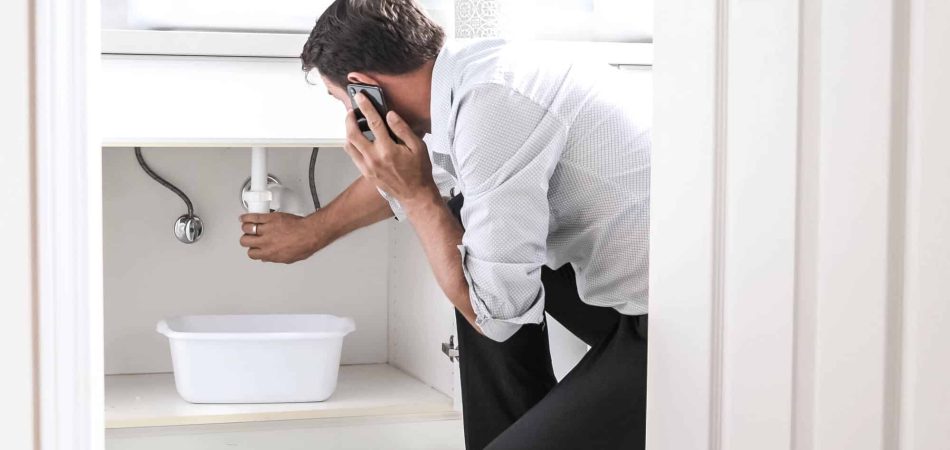
Bathroom sink leaks often result from loose pipe connections, deteriorated seals or washers, and clogged drains that increase pressure. Simple solutions include tightening fittings, swapping out worn washers or gaskets, removing blockages with a drain snake, and applying plumber’s tape to threaded joints.
A bathroom sink leak is a problem many homes face. Water dripping from the faucet or collecting under the sink may look small, but it can cause big trouble. Leaks damage cabinets and floors, create damp spots where mold can grow, and increase water bills. Fixing them quickly saves money and avoids bigger repairs later.
Most sink leaks happen for a few simple reasons. A worn washer inside the faucet makes water drip. Pipes under the sink can loosen or rust, letting water escape. A cracked drainpipe or broken P-trap also causes leaks when the sink is used. Sometimes, the seal around the drain or faucet becomes weak, allowing water to seep through slowly.
Fixing these problems is often easy. Replacing a washer, tightening pipe connections, or using plumber’s tape can quickly stop a leak. If the P-trap or drainpipe is cracked, replacing it with a new one is the best solution. Checking under the sink every few weeks helps find leaks early before they cause damage. Quick action keeps the bathroom dry, safe, and free from high repair costs.
Bathroom sink plumbing leaks occur when water escapes from the faucet, drain, or pipes beneath the sink. They may start as small drips but can often cause stains, mold, unpleasant odors, and high bills if ignored. Common causes include worn washers, loose joints, cracked P-traps, or weak seals around the drain. Sometimes old or corroded pipes also leak.
Simple fixes, such as replacing washers, tightening fittings, or sealing drains, can often prevent most problems. Acting early saves money and prevents damage to your cabinet or mold growth. Even a small leak should never be left untreated, as it quickly grows into a bigger issue.
The most common causes of bathroom sink plumbing leaks are worn parts, loose fittings, clogged pipes, or damage to the sink itself. These issues lead to water escaping, which can stain cabinets, create mold, and raise water bills. Knowing the cause and applying the right fix helps prevent leaks from becoming major problems.
The causes of bathroom sink plumbing leaks are:

Bathroom sink leaks are easy to notice if small signs are checked early. Finding the leak on time stops water damage, mold, and high repair costs. Watching for these signs keeps the sink safe, the cabinets dry, and water bills low.
By following these methods, you can identify the bathroom sink leak:
Regular checks make it easier to identify problems before they worsen. Simple awareness protects the bathroom, prevents costly repairs, and keeps the home safe from water damage.
The quick fixes for bathroom sink leaks are simple steps that help stop water damage and protect the home. Acting quickly not only prevents mold and wood rot but also saves money on costly repairs and ensures reliable plumbing in Knoxville.
Here are some quick actions for a bathroom sink leak:
These fixes take little time but provide long-lasting results. With regular checks, small leaks are kept under control, ensuring the bathroom remains safe, dry, and cost-effective.
The cost required to fix a bathroom sink plumbing leak depends on the type of repair, the parts needed, and whether professional help is required. Small issues are usually affordable, but hidden or severe leaks can be expensive if not addressed in a timely manner. Spending on quick repairs protects homes from water damage, mold, and higher utility bills, making timely fixes a valuable investment.
While repair costs vary, addressing leaks early prevents long-term damage and higher expenses later. Quick action not only saves money but also keeps plumbing systems reliable and safe.
The way to prevent bathroom sink plumbing leaks in the future is by taking simple steps that keep the system in good shape. Prevention saves money on unexpected breakdowns and prevents water damage and mold growth in your home. Small habits can help the plumbing last for years.
By following these steps, you can prevent bathroom sink leaks in the future:

Modern plumbing tools are devices designed to fix leaks and maintain pipes with greater accuracy and speed. Modern plumbing tools simplify bathroom sink leak repairs by making the process faster, safer, and less messy. Tools such as adjustable wrenches, basin wrenches, pipe sealants, and leak detection devices enable plumbers to quickly pinpoint problems and repair them without guesswork.
This reduces the risk of costly mistakes such as over-tightening connections or damaging fragile parts. Advanced tools also ensure that washers, seals, and joints fit properly, which increases the life of the repair. For homeowners, this means fewer recurring leaks, better water efficiency, and lower repair bills. By reducing errors and saving time, these tools provide long-term stability and peace of mind.
Ready to put an end to bathroom sink leaks for good? Trust Tennessee Standard Plumbing for fast, reliable, and expertly handled repairs. Contact us today and experience the difference modern plumbing tools—and true professionals—can make!
Modern plumbing tools like basin wrenches, adjustable wrenches, plumber’s tape, and leak detection devices make bathroom sink leak repairs accurate and fast. Basin wrenches reach into tight spots under sinks; plumber’s tape seals up watertight joints. Tools to detect leaks find out exactly where the problem is—no guesswork required. Together, these tools allow faster fixes, prevent water damage, and make the repair easier and more reliable.
Inspection cameras are small, flexible cameras that can reach deep into pipes and tight spaces where the human eye cannot see. They spot sink leaks better with a live video feed of the plumbing system. This helps you spot cracks, clogs, or slow leaks without having to dismantle the pipes. By finding the exact problem area, inspection cameras save time and labor and avoid unnecessary damage to cabinets or walls.
Early leak detection saves money on long-term sink damage by stopping small issues before they grow into major problems. A tiny drip can damage cabinets, flooring, and walls and cause mold and expensive structural repairs. Finding leaks early reduces water waste, lowers monthly bills, and decreases the need for emergency plumbing calls. All this preventive maintenance keeps the plumbing system stable and durable over time.
Plumber’s tape, also called Teflon tape, creates a stronger seal on sink connections by filling the small gaps between pipe threads. When wrapped tightly around the threads, it prevents water from leaking out of the joints. The tape is resistant to pressure and temperature changes, which makes it long-lasting. By ensuring a watertight connection, plumber’s tape reduces the chances of leaks, improves efficiency, and avoids the need for repeated tightening or costly replacements.
Epoxy putty plays a crucial role in temporary leak repairs by forming a quick, hard seal over cracks or holes in pipes. The putty hardens after being applied and prevents water from escaping. In emergencies where professional help is not immediately available, it is especially useful. It is not a permanent fix, but epoxy putty buys time, prevents water damage, and keeps the plumbing system functional until repairs are made.
Advanced diagnostic tools, including digital leak detectors, moisture meters, and pressure gauges, ensure accurate sink leak repairs by pinpointing the exact source of the problem. They measure water flow, spot hidden moisture, and check pipe pressure to see if a leak is present and where it is located. By using precise data, plumbers can pinpoint the exact problem area and reduce the need for repeated repairs. Having this accuracy saves money and time and ensures long-lasting plumbing performance for the homeowner.
The basin wrench is the best type of wrench for tightening under-sink fittings. Instead of the standard wrench, this one has a long handle with a swiveling jaw for reaching tight spots behind the sink basin. That means it can grip and turn nuts in tight places where other tools cannot reach. Fittings can be tightened securely without destroying pipes with a basin wrench for leak-free connections and faster repairs.
Leak detection devices prevent costly bathroom repairs by alerting homeowners to leaks early, before they cause serious damage. These gadgets use sensors to detect water or changes in moisture around sinks and pipes. Some models send alerts to smartphones. They stop water from destroying cabinets, flooring, or walls by identifying leaks quickly. This early action prevents expensive repairs, reduces the risk of mold, and saves money on water bills.
Modern sealing materials, such as silicon-based sealants and polyurethane sealants, last longer than traditional caulks. These materials are more flexible, resist mold, and will not break under constant water exposure. Unlike older caulks that crack with age, silicone and polyurethane sealants remain in place and stay waterproof around sinks and joints. Using these advanced sealants means less frequent re-caulking is needed, bathrooms stay clean, and leak protection lasts for years.
Modern drain repair diagnostics reduce repair costs for sink leaks by pinpointing issues accurately without the need to remove or replace large sections of plumbing. Inspection cameras and hydro-jetting equipment reveal blockages, cracks, or corrosion. With this targeted approach, no digging or replacement is necessary. Early detection and precise diagnosis prevent water damage, avoid repeat problems, and extend the life of the plumbing system.


The baking soda and vinegar method is a popular, eco-friendly approach for clearing minor clogs and odors in drains. This method relies on a simple... Read More

The cost of a backflow preventer depends on the device type, size, and installation setup. A backflow preventer is a safety device that prevents co... Read More
If you need to replace or repair any issues with your home's drain and sewer system or are adding to your plumbing system, it's essential that you ... Read More