
Licensed Plumber vs. Handyman: What Tennessee Homeowners Need to Know
When a pipe bursts or your water heater stops working, you need reliable help from someone you can trust. But who do you call: a licensed plumber o... Read More
Same-Day Service Available
Need a Plumber in Knoxville? We’re Ready to Help!




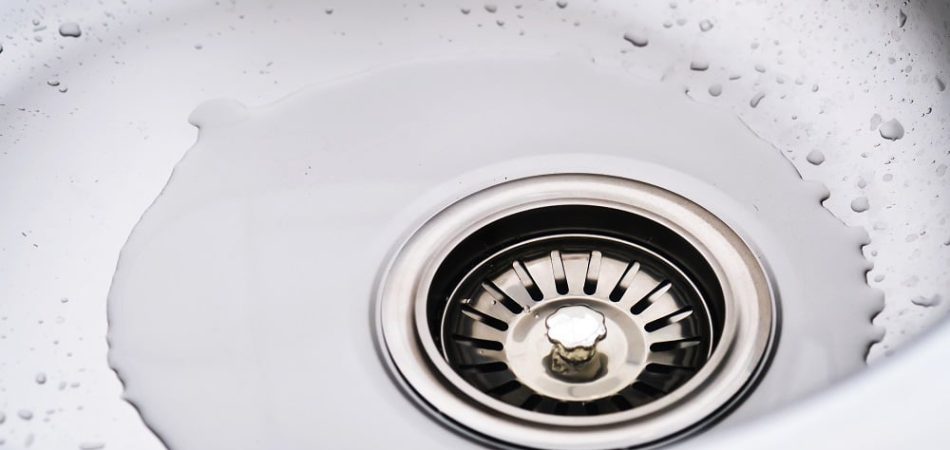
Commercial drain cleaning involves routine inspections, enzyme-based treatments, proper staff practices, and scheduled professional maintenance to prevent clogs, odors, backups, and costly plumbing failures in high-use businesses. Following these preventive steps keeps drainage systems clear, reduces downtime, protects health and safety, and ensures long-lasting performance for commercial plumbing systems.
Commercial drain cleaning refers to regular care that helps stop blockages, odors, and costly plumbing failures in high-use businesses such as restaurants, factories, and offices. Businesses with heavy water use face faster buildup of grease, soap, food waste, and debris. Without routine care, these clogs spread, damage pipes, and cause downtime.
Regular inspections, safe cleaners, trained staff, and professional support extend drain life and reduce plumbing emergencies. Tennessee Standard Plumbing provides reliable commercial drain cleaning services to help businesses keep drains clear, safe, and compliant.
For expert commercial drain cleaning in Knoxville and scheduled maintenance solutions, contact us today.
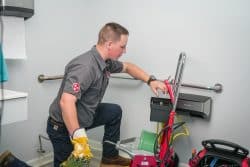
Monthly inspections stop buildup before it blocks pipes. A licensed plumber checks traps, joints, and drains for grease or debris. Early checks reduce the risk of sudden shutdowns in kitchens, bathrooms, or work areas.
 Enzyme cleaners break down grease and food safely. Chemical cleaners are harsh, corrode pipes, and emit fumes. Enzymes convert waste into water and gas, which are harmless to drains and workers.
Staff training prevents most drain problems. Workers learn to keep grease, wipes, and scraps out of drains. Simple training and signs near sinks reduce clogs and save plumbing costs.
Drain screens trap solids before they clog pipes. In kitchens, they catch food waste; in bathrooms, they stop hair and soap chunks. Screens are cheap, easy to clean, and highly effective.
Hot water clears grease and soap film. Run hot water at the end of each workday. This keeps pipes open in restaurants, hotels, and office buildings.
Big problems start as small clogs when neglected. Early buildup begins in a slow drain. Pipes can be cleared with quick use of plungers or drain snakes before damage spreads.
Grease and oil harden inside pipes. Food scraps decay and attract pests. Use grease bins and strainers in kitchens to keep drains clear and sanitary.
Quarterly deep cleanings remove buildup that routine care misses. Hydro jetting clears heavy deposits in kitchens, locker rooms, and public restrooms. This restores full flow in busy drains.
Annual professional cleaning removes hidden buildup. Services like hydro jetting and camera inspections keep drains strong. Tennessee Standard Plumbing offers expert help for local businesses.
Bad smells and slow drainage signal early clogs. These signs show waste is stuck inside. Acting fast prevents costly pipe damage and downtime.
Commercial drain maintenance is the regular cleaning, inspection, and upkeep of drainage systems in business or industrial facilities to stop blockages, odors, and plumbing failures. It keeps drains clear in busy places where water and waste move through pipes all day.
Commercial systems handle higher usage, larger pipes, and a greater risk of costly downtime. A clogged drain in a restaurant or hospital shuts down service and creates health hazards, while a home clog affects only one family.
Regular care reduces business disruption, keeps facilities in line with health and safety codes, and extends the life of plumbing systems.
Commercial drain maintenance is important because these systems handle far more waste and water flow than residential drains, making them more prone to blockages, wear, and contamination.
Commercial drain maintenance is important for these reasons:
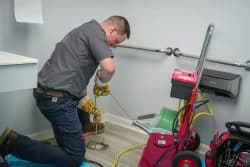 Routine checks stop clogs and leaks before they cause flooding or pipe breaks. Early action avoids shutdowns that disrupt service and demand expensive repairs.
Clean drains remove waste quickly and reduce bacteria, foul odors, and pest risks. This safeguards customers, staff, and visitors in high-traffic buildings.
Frequent flushing, enzyme treatments, and professional cleaning minimize buildup. Clear pipes last longer and perform better with heavy use.
Planned drain care helps businesses comply with environmental, health, and safety codes. Grease trap cleaning and checks ensure facilities meet local regulations.
Scheduled maintenance spreads out expenses and prevents large emergency bills. A small monthly cost protects thousands in plumbing assets.
Routine drain maintenance keeps business facilities running smoothly, protects brand reputation, and creates a safer environment for staff and customers.
The signs of a clogged commercial drain include slow drainage, standing water, foul odors, and water backups. Early detection in commercial buildings helps prevent severe blockages, water damage, and costly shutdowns. Tennessee Standard Plumbing inspects these early warning signs to prevent further drain damage.
Signs of a clogged commercial drain:
Water takes longer than normal to empty from sinks, floor drains, or tubs, showing that buildup inside the pipes is restricting flow.
Pools of water remain in sinks, bathrooms, or kitchen floors, indicating the drain is blocked and waste has no clear path.
Accumulated waste releases strong smells and encourages bacterial growth.
Water is forced back into sinks, toilets, or floor drains rather than flowing out, creating flood and sanitation hazards.
Air trapped in pipes makes bubbling noises during use, signaling partial blockages.
Drains clog repeatedly even after cleaning, indicating a deeper plumbing issue.
Grease, soap scum, or sludge near kitchen drains and grease traps hardens over time and creates major blockages.
Addressing these signs early prevents business downtime and protects plumbing infrastructure from major damage.
Cleaning frequency depends on the type of business, drain usage, and the materials flowing through the pipes.
Recommended cleaning intervals:
Restaurants, hotels, and hospitals need drain cleaning every 1–3 months. Heavy grease, food scraps, and constant water use cause these drains to clog faster.
Shopping malls, schools, and mid-size office buildings benefit from cleanings every 3–6 months. These properties see moderate traffic but still generate debris that builds up over time.
Professional inspections detect early warning signs. Plumbers set custom cleaning schedules based on pipe condition, age, and past issues. This prevents emergency shutdowns.
Factories, warehouses, or low-traffic offices may only need annual or biannual service. Even with fewer people, waste streams still require regular maintenance.
High-traffic or older buildings need more frequent cleanings to keep drains safe and open. Tennessee Standard Plumbing ensures every facility receives the right schedule to protect plumbing and prevent costly downtime.
Businesses choose the right drain cleaning contractor based on usage, plumbing needs, compliance requirements, and past plumbing issues.
Businesses choose contractors depending on:
Need grease trap cleaning and hydro jetting. Regular care prevents clogged kitchen drains that slow operations.
Require removal of soap scum and lint through quarterly inspections and preventive cleanings to keep machines in operation.
Need sanitary drain cleaning and safe waste removal to meet hygiene and safety codes and protect patients and staff.
Benefit from seasonal drain flushing and emergency response to avoid disruptions for customers and tenants.
 Require scheduled sediment removal and pipe scaling prevention to protect production and prevent costly equipment damage.
Need video inspections and condition monitoring to prevent surprise failures and maintain safe plumbing systems.
Require priority service and fast response to fix repeat blockages and avoid shutdowns.
Need documentation and maintenance logs to meet regulatory requirements, avoid fines, and protect their reputation.
Skipping a service contract leads to unexpected drain failures, business interruptions, health code violations, and costly repairs.
Partnering with licensed commercial plumbers provides custom maintenance plans, priority scheduling, and long-term savings. As a trusted provider of commercial drain cleaning in Knoxville, Tennessee Standard Plumbing offers tailored drain service contracts, including regular maintenance and expert guidance to protect business operations.
We provide transparent pricing, compliance-ready service plans, and dependable scheduling to support local businesses.
Yes, commercial drains should be inspected regularly. Business drains handle a much higher volume of water and waste than home drains. Monthly to quarterly inspections detect early signs of buildup, corrosion, or damage before they grow into costly failures. Professional plumbers use cameras and testing tools during these checks to spot hidden problems, keeping the system safe and efficient.
No, DIY methods do not work for commercial drains. Household fixes like plungers, baking soda, or vinegar are too weak for large commercial pipes. Businesses need hydro jetting, enzyme cleaners, and mechanical augers to remove grease, soap scum, and heavy debris. Using DIY solutions in a commercial setting only delays real repairs and risks damaging expensive plumbing.
Yes, regular maintenance extends the drain’s lifespan. Routine cleaning reduces corrosion, keeps pipes free of grease buildup, and protects joints and seals from early wear. A system that receives professional inspections and flushing lasts years longer than one left neglected. For businesses, this saves thousands of dollars by delaying full pipe replacements.
Daily practices that prevent drain clogs include managing waste properly. Grease, food scraps, coffee grounds, lint, and paper waste must never go into drains. Installing strainers in sinks and floor drains stops debris before it enters the system. Flushing drains with hot water at the end of each day clears residue and keeps business plumbing free-flowing.
No, baking soda and vinegar do not work for commercial drain cleaning. They may help reduce minor odors in household sinks, but they cannot cut through grease, oil, or soap scum in large commercial pipes. Commercial drains need enzyme treatments or hydro jetting to clear heavy buildup safely and effectively.
Grease traps need cleaning every one to three months. Restaurants and food service facilities that generate high levels of grease may require monthly service. Skipping grease trap maintenance leads to clogged pipes, foul smells, insect infestations, and potential fire hazards. Regular cleaning ensures compliance with health and fire safety codes.
Hot water flushing is useful for drains because hot water breaks down grease and soap film that stick inside pipes. This simple step washes away residue before it hardens and causes a blockage. Hot water flushing is especially important in kitchens, laundromats, and high-traffic bathrooms where buildup happens quickly.
To prevent FOG buildup, train staff to scrape dishes and cooking tools before washing. Collect oils and fats in separate bins—never pour them down drains. Clean grease traps on a set schedule to keep waste levels safe. Following these steps reduces clogs, avoids sewer overflows, and keeps kitchens running within health code rules.
Yes, floor drains should be flushed weekly. Pouring clean water down the drain refreshes the trap, blocks sewer gases, and clears small debris. In commercial kitchens, warehouses, and bathrooms, weekly flushing prevents odors and keeps drains ready for emergency use.


When a pipe bursts or your water heater stops working, you need reliable help from someone you can trust. But who do you call: a licensed plumber o... Read More

Tankless water heaters heat water instantaneously without the use of a storage tank. When a hot water faucet is turned on, cold water flows through... Read More

A 2025 booster pump installation cost includes the pump itself, labor, and other components like pipes and electrical work, with the total price va... Read More