
How Much Does It Cost to Install a Sump Pump in 2025?
In 2025, installing a sump pump typically costs between $600 and $2,500, with the national average around $1,600. The total price varies based on f... Read More
Same-Day Service Available
Need a Plumber in Knoxville? We’re Ready to Help!




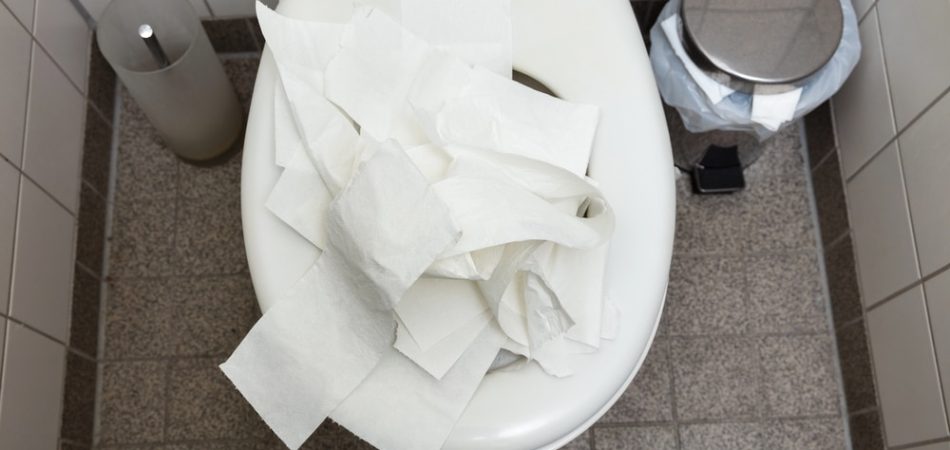
Yes, using too much toilet paper can clog your sewer line, even though it’s designed to dissolve. Thick or multi-ply paper is more likely to cause a blockage, especially with low-flow toilets, older pipes, or pre-existing restrictions in the line. To prevent clogs, be mindful of the amount of paper you flush at once and avoid flushing anything other than toilet paper.
Yes, too much toilet paper clogs a sewer line. Toilet paper builds layers inside the pipe. Thick buildup blocks water flow and creates a sewer backup. This problem grows in homes with older pipes, low-flush toilets, or past drainage issues.
The primary factors contributing to clogged sewer lines are paper buildup, old or damaged pipes, and insufficient water pressure from flushing systems.
Each factor creates a weak spot in the pipe system.
Toilet paper use matters because every flush adds material to the sewer line. Small amounts flow out, but large amounts stick together. Extra paper mixes with grease, wipes, or debris already in the pipe.
That mix grows into a full blockage. Clogging shows warning signs. Toilets flush slowly. Drains bubble with air. Water backs up in sinks or tubs. A strong sewer smell spreads near the drains. These signs mean the line has too much buildup and needs a cleaning.
Tennessee Standard Plumbing clears toilet paper clogs with professional tools, restoring full sewer line flow and preventing repeat blockages for Knoxville homes.
Too much toilet paper in a single flush forms a heavy pile inside the pipe. The water tries to push through, but slows down as the pile grows. Toilets flush poorly, and sinks drain slowly because the sewer system no longer has enough space for water to pass.
Homeowners notice loud gurgling sounds and water that stands in bowls or tubs. Over time, constant blockages put stress on pipe walls and joints. This stress weakens the system, and repairs become costly when pipes break.
Toilet paper is designed to dissolve, but when used in a thick layer, it does not break down fast enough. Instead of flowing away, it stays in the pipe and creates sticky clumps. Each new flush adds more layers on top of the old ones, making the blockage harder and larger.
This leads to toilets that back up every few days and drains that never feel clear. Families face daily frustration and waste time dealing with repeated clogs. Over months or years, thick paper buildup hardens inside the line, and only a professional like Tennessee Standard Plumbing can restore full flow.
Soft, multi-ply toilet paper feels better for use, but it is thicker and harder for water to carry away. The extra layers stick together in the pipe and do not dissolve quickly. This creates a buildup that grows larger with each flush. Even small amounts of dirt or grease get trapped in these clumps, making the problem worse.
Homeowners notice backups in toilets more often, and cleaning becomes constant. Over the long term, the weight of multi-ply buildup adds pressure inside older pipes, shortening their life and leading to sewer line repairs.
Pipes in older homes often have cracks, rust, or rough spots along the inside. These rough surfaces catch toilet paper as it passes through. Once paper gets trapped, more paper sticks to it, and the clog grows bigger. Homeowners see warning signs like slow flushing, foul odors, or water pooling in tubs.
These daily problems make the house uncomfortable. Long-term, trapped debris can fill the entire line or cause pipe collapse. When that happens, major digging or pipe replacement is needed, and Tennessee Standard Plumbing handles these repairs.
Toilets with low water use save gallons of water each day, but they push waste with less force. The weaker flush leaves toilet paper behind in the pipes instead of clearing it all out. Leftover paper builds up, and homeowners notice the need to flush two or three times.
Toilets clog more often, and kids or guests find it harder to use them. Over time, the repeated buildup from low flush power creates thick paper layers that block the sewer line. Without professional cleaning, these clogs often return and damage the plumbing system.
When grease or oil is poured into a sink, it cools down and sticks to the pipe walls. Toilet paper flushed later sticks to the grease and creates a thick, sticky lump. This lump hardens and blocks a big part of the pipe. Homeowners see water backing up into sinks, tubs, or toilets.
Daily life becomes stressful because no drain works properly. Long-term, paper mixed with grease eats away at pipe surfaces and causes damage that requires sewer line repair. Tennessee Standard Plumbing removes these tough blockages with special tools.
Once a toilet paper clog forms inside a pipe, it creates a base for new clogs. Each flush adds more paper to the same spot, and the cycle repeats. Homeowners face the same problems again and again: slow drains, standing water, and toilet backups. The daily struggle wastes time and causes stress. Long-term, repeated clogs strain the sewer line until it breaks or collapses. Without full cleaning by Tennessee Standard Plumbing, these problems return quickly and grow worse over time.
The signs that show a sewer line is clogged by toilet paper include a slow-draining toilet bowl, frequent toilet water backups, gurgling sounds from drains, unpleasant odors from pipes, water pooling near drains, and multiple fixtures clogging together.
Recognizing these signs helps homeowners stop small problems before they grow into sewer damage. Acting early brings convenience, lowers stress, and keeps daily life running smoothly.
The signs that show a sewer line is clogged by toilet paper are:
 When the toilet bowl drains slowly after flushing, paper buildup is blocking the flow. The water stays longer in the bowl, and the flush feels weak. Spotting this sign early prevents a full backup that disrupts the bathroom.
If water rises back into the bowl, paper is filling the pipe and blocking the flow. Homeowners often see messy overflows. Taking action quickly prevents damage to floors and keeps the home safe from sewage exposure.
Gurgling noises mean trapped air is fighting against water inside the sewer line. Paper clogs create these air pockets. This sound warns homeowners before clogs grow larger and block the entire line.
A bad smell near sinks or toilets means waste and paper buildup are stuck in the pipes. Odors spread quickly through the home and make daily life uncomfortable. Acting early restores fresh air and prevents sewage leaks.
Water standing near the shower or floor drains shows the line is already slowing down. Toilet paper piles create this backup. Catching this early stops bigger floods and protects home flooring.
When toilets, sinks, and tubs clog at the same time, the main sewer line holds too much paper. This is one of the strongest signs of a serious blockage. Quick response keeps the whole system safe and running.
A flush that feels weak means the water does not push waste out fully. Toilet paper stuck in the line holds water back. Fixing this early prevents the toilet from becoming unusable.
Spotting these signs early gives homeowners peace of mind. Tennessee Standard Plumbing protects the sewer line, avoids repeat clogs, and keeps the home comfortable.
Homeowners’ prevent toilet paper clogs in sewer lines by adopting simple daily habits and smart choices that keep pipes clear and reduce costly repairs. Tennessee Standard Plumbing supports
Knoxville homeowners with solutions that stop blockages before they start.
Homeowners’ prevent toilet paper clogs in sewer lines by:
 Septic-safe toilet paper breaks apart faster in water. It flows through the line without building layers. This choice protects pipes, lowers the risk of clogs, and saves money on drain cleaning.
Families in older homes benefit most from using softer, faster-dissolving paper.
Large wads of toilet paper form heavy clumps that block the pipe. Flushing smaller amounts allows water to move freely. This habit protects the daily use of toilets and keeps the sewer line clear for years.
Wipes do not dissolve in water like toilet paper. They stick to pipes and wrap paper around them. Keeping wipes out of toilets stops one of the biggest causes of blockages and protects the sewer line from repeat clogs.
Professional sewer inspections find buildup before it becomes a serious clog. Tennessee Standard Plumbing uses cameras and tools to check inside the line. Regular inspections give early answers, save repair costs, and extend the life of the system.
Teaching kids and guests to use less paper protects the home. Simple rules like “two to three sheets per flush” keep drains clear. Good habits build long-term protection and save stress from repeated backups.
The drain strainers trap hairs, debris, and other small objects that do not get into the sewer line. Fewer pieces of debris imply that the toilet paper flows freely with no cling. Strainers are affordable tools that lower the chance of clogs and protect the whole system.
Routine cleaning and maintenance keep sewer pipes free from grease, paper, and buildup. Tennessee Standard Plumbing provides safe cleaning methods that prevent future blockages. Long-term care keeps water flowing and protects homes in Knoxville and the surrounding areas.
Toilet paper types that are safe for sewer lines are: 1-Ply, rapid-dissolving, biodegradable, septic-safe, and virgin fiber. Safer options dissolve faster, protect the whole plumbing system, and save
Knoxville homeowners costly repairs.
Toilet paper types that are safer for sewer lines are:
1-ply paper uses a single thin layer. It dissolves quickly in water, reducing the chance of clogs. Though it feels lighter, it moves smoothly through sewer pipes and prevents blockages common in older systems.
Rapid-dissolving toilet paper is designed to break apart as soon as it touches water. It passes through pipes faster than regular brands. This choice helps homes with frequent backups and protects against buildup in long sewer lines.
Biodegradable paper breaks down with natural processes. It dissolves safely in septic tanks and city sewer systems. Families in Knoxville neighborhoods with tree-root intrusions benefit most, as faster breakdown keeps pipes clear of trapped debris.
Septic-safe paper is tested to dissolve easily in both septic systems and sewer lines. It reduces solid buildup and lowers strain on tanks and pipes. This option prevents clogs and helps homes that rely on private septic tanks in rural areas.
Virgin fiber toilet paper is made from new pulp instead of recycled material. It breaks down more evenly in water, leaving fewer clumps. This type supports smoother flow through pipes and prevents the clogging problems linked with thicker recycled paper.
Professional plumbers fix sewer line clogs caused by toilet paper by using appropriate tools and methods that remove blockages fully and protect pipes. Homeowners expect fast relief, affordable service, and long-term prevention. Tennessee Standard Plumbing provides proven solutions that restore smooth flow, protect against repeat clogs, and give families peace of mind.
Professional plumbers fix sewer line clogs caused by toilet paper in this way:
 A sewer camera inspection uses a small waterproof camera pushed into the pipe. It shows exactly where the clog sits and how much paper blocks the line. This method avoids guesswork, prevents extra digging, and ensures the right repair for each home.
A drain auger, also called a plumber’s snake, pushes through thick paper clogs inside pipes. It breaks the blockage into smaller pieces so water flows again. Tennessee Standard Plumbing uses this tool to clear clogs quickly and bring toilets back to normal use.
Hydro jetting uses high-pressure water streams to flush out toilet paper and other buildup. It scrubs pipe walls clean and clears grease, soap, and paper in one step. This service restores strong flow, protects pipes from damage, and gives long-term results.
Old pipes with cracks or corrosion trap paper and cause frequent clogs. Plumbers repair damaged sections or replace the full line if needed. New pipes keep water moving smoothly and save homeowners from costly future problems.
Plumbers share tips that help families stop clogs before they start. Advice includes flushing less paper, choosing septic-safe brands, and planning yearly inspections. These steps protect the entire system and save Knoxville households from expensive repairs later.
The cost to fix a sewer line clog caused by toilet paper ranges between $150 and $1,500, depending on the repair size and method. Quick action saves money because small clogs cost less, while delays lead to hidden damage, full pipe replacements, and higher bills. Tennessee Standard Plumbing helps homeowners in Knoxville avoid expensive emergencies with affordable and timely solutions.
The cost to fix a sewer line clog caused by toilet paper includes:
Inspection Costs
 Sewer inspections with a camera usually cost $100 to $400. This step shows the exact clog location and prevents extra digging. An inspection protects homeowners from paying for unnecessary repairs and ensures the right solution for the problem.
Labor Rates
Plumber labor costs are, on average, $75-150 per hour. Complex clogs are more time-consuming, whereas simple jobs require less time. Professional labor guarantees that the clog is removed without damaging pipes, which will save money on future complications..
Material Costs
Basic tools like augers and plungers add little to the bill, while hydro jetting or replacement parts raise costs. Material expenses usually range from $50 to $500, depending on the service. Strong materials keep the system safe and working for years.
Recurring Clogs
Clogs that return increase overall costs because they require repeated visits. Addressing the root cause, such as using septic-safe toilet paper, saves homeowners hundreds of dollars. Tennessee Standard Plumbing focuses on lasting fixes, not temporary solutions.
Hidden Damage
Hidden damage, such as cracked or collapsed pipes, creates the highest costs. Repairs for these issues range from $1,000 to $5,000, depending on pipe length. Fixing them early prevents major yard digging and protects property value.
Ignoring toilet paper buildup causes full sewer line clogs, backups, and costly repairs. Each stage of buildup makes the problem worse. What starts as slow draining soon turns into standing water and sewage returning into sinks, tubs, and toilets. Tennessee Standard Plumbing reminds homeowners that small habits protect sewer lines and prevent expensive emergencies.
Toilet paper buildup blocks pipes by layering over time. Thick paper sticks to pipe walls, trapping grease and soap. This mix slows the flow until the pipe closes completely. Homeowners notice signs like frequent plunging or water rising in the bowl after flushing.
These early warnings are often ignored, but they point to a growing clog. Backups cause daily disruptions. Showers fill with dirty water, sinks stop draining, and multiple toilets fail together. Families face health risks and lose comfort in their homes. Repairs at this stage cost more because the clog grows harder to clear.
Long-term value comes from monitoring toilet paper use and choosing septic-safe types. Small changes save hundreds of dollars in repair costs. Old pipes, low-flush toilets, and poor disposal habits worsen buildup faster. Tennessee Standard Plumbing offers inspections and maintenance to stop clogs before they harm property.
Yes. Regular maintenance is necessary to avoid toilet paper clogs. Small bits of paper stick inside pipes, and over time, they form thick layers that stop water flow. A professional plumber checks these lines and removes buildup before it blocks the system. Maintenance also protects old pipes that trap paper more easily. Without service, clogs grow until they flood toilets and sinks.
Tennessee Standard Plumbing provides regular inspections and cleanings that stop blockages, protect home comfort, and reduce repair costs.
Yes. Knoxville plumbing services clear toilet paper blockages using advanced tools. Plumbers insert a sewer camera to locate the clog and then use augers or hydro jetting to break it apart. These methods remove paper buildup and restore smooth water flow. Clearing blockages quickly prevents backups from spreading into tubs, sinks, and floors. Professional service also protects the pipes from damage caused by repeated clogs. Tennessee Standard Plumbing serves Knoxville and the surrounding areas with proven solutions that give lasting results.
Yes. Small amounts of toilet paper cause clogs when they stick to pipe walls and gather more debris. This buildup grows layer by layer until the pipe narrows and water slows down. Homes with old pipes or low-flush toilets face this problem more often because water pressure is weaker. Even one extra handful of paper per flush adds to the risk. Stopping early buildup saves money and avoids the stress of emergency repairs.
Yes. Ignoring small clogs leads to major sewer problems in every home. A clog starts with slow water or a weak flush, but it grows stronger as paper collects inside the pipe. Over time, the pipe blocks fully, and sewage flows back into toilets, sinks, or tubs. Backups damage floors and walls and create strong odors inside the home. Repair costs rise because the plumber must clean, repair, or replace damaged lines. Fixing small clogs right away prevents large and costly problems.
Yes, there are different types of clogs that cause toilet overflows. Types of clogs that cause overflows include paper buildup, grease clogs, other foreign products, and tree roots. Paper buildup creates soft blockages that block the line over time. Grease clogs stick to pipe walls and trap paper or food scraps. Foreign objects like wipes, toys, or feminine products create hard blockages. Tree roots outside the home break into sewer lines and trap debris inside. Tennessee Standard Plumbing has the tools to remove all types of clogs.
Yes. Older pipes are more affected by toilet paper buildup because they have rough or corroded inner walls. Toilet paper sticks to these rough surfaces and collects faster than in smooth new pipes. The buildup narrows the passage and creates frequent clogs. Homeowners with older plumbing notice more backups and slower drains. In some cases, pipe replacement becomes necessary to protect the system. Tennessee Standard Plumbing inspects pipe condition and offers solutions that restore safe flow and prevent repeated blockages.
Yes. Frequent backups are often caused by excessive toilet paper use. Large wads of paper block water flow and pile up inside the sewer line. These backups push dirty water back into toilets or tubs and create strong odors. Families face daily stress when multiple fixtures clog at the same time. Over time, the constant pressure damages the pipe structure. Reducing paper use and scheduling regular cleanings with Tennessee Standard Plumbing prevents frequent blockages and restores peace of mind.
Yes. Hydro jetting is needed for severe toilet paper clogs. This process uses high-pressure water streams to clear the entire pipe wall. It removes not only paper buildup but also grease, soap scum, and other debris. Hydro jetting restores full water flow and keeps the pipe clean longer than basic tools. It also prevents repeated blockages that cost homeowners more money. Tennessee Standard Plumbing uses hydro jetting for the toughest clogs to deliver fast and lasting results.
Yes. Regular maintenance prevents paper-related sewer line clogs by removing buildup before it blocks the pipe. During service, plumbers inspect sewer lines, clean problem areas, and confirm pipe condition. This process reduces the risk of backups and protects homes with older pipes. Maintenance also lowers long-term costs because major repairs become less likely. Tennessee Standard Plumbing offers scheduled inspections and cleaning plans that extend the life of sewer systems and protect family comfort.
Yes, sewer lines are affected by frequent toilet paper disposal. When paper piles up, water slows, and sewer line clogs begin to form. Grease, soap, and other waste combine with paper to make the clog even stronger. Low-flush toilets and damaged pipes worsen the issue by trapping more paper. Over time, these conditions lead to backups and expensive damage. Responsible paper use and professional service from Tennessee Standard Plumbing keep sewer lines safe and flowing.


In 2025, installing a sump pump typically costs between $600 and $2,500, with the national average around $1,600. The total price varies based on f... Read More

A battery backup sump pump system will often serve you for about 5–10 years, while the battery itself usually needs to be replaced every 3–5 years.... Read More

To fix a water heater pilot light that won't stay lit, first ensure there are no drafts near the unit, then clean the thermocouple by gently scrubb... Read More