
How to Fix a Leaking Kitchen Sink: DIY Guide & Pro Tips
A kitchen sink leak can cause a lot of damage to your home if left unaddressed, leading to mold growth, water damage, and costly repairs. That's wh... Read More

Same-Day Service Available
Need a Plumber in Knoxville? We’re Ready to Help!




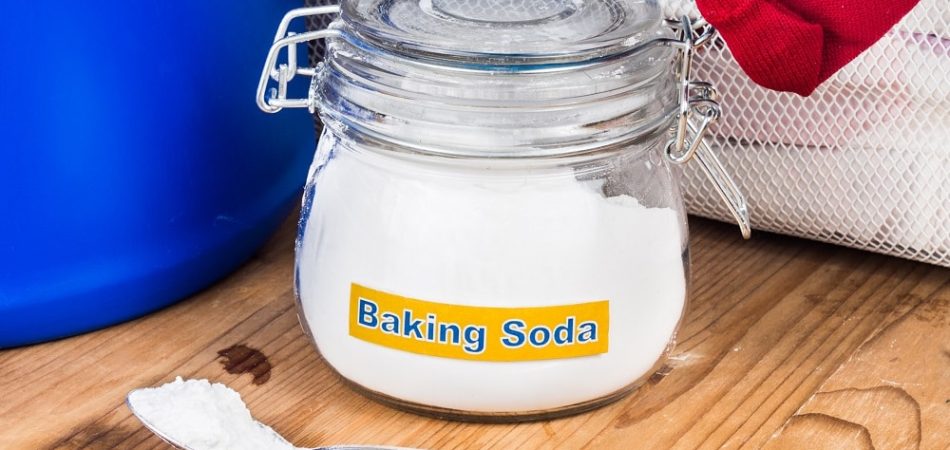
The baking soda and vinegar method is a popular, eco-friendly approach for clearing minor clogs and odors in drains. This method relies on a simple chemical reaction to break down soap scum and grease buildup.
Unclogging a drain with baking soda uses a natural reaction between baking soda and vinegar to dissolve grease, soap scum, and debris, restoring smooth water flow and preventing standing water, slow drainage, or foul odors in household pipes. This method is safe for most sinks, tubs, and shower drains because it avoids harsh chemicals that can damage plumbing or harm the environment.
Baking soda helps remove clogs by reacting with vinegar to release carbon dioxide gas, which breaks apart the buildup. According to research published by the American Chemical Society, the mild alkalinity of sodium bicarbonate helps dissolve grease and organic materials without corroding pipes.
This makes it a safer, eco-friendly alternative to chemical drain cleaners that damage plumbing and contaminate water systems. For persistent clogs or plumbing issues that require professional attention, Tennessee Standard Plumbing provides reliable drain cleaning services in Knoxville.
Contact us today to schedule an inspection or repair and keep your drains flowing freely.
This step clears the surface layer of blockage. Use gloves to remove hair, food, or other debris visible at the top of the drain. If needed, use a simple plastic drain snake or a bent wire hanger to hook and lift out what you cannot reach with your fingers.
This step introduces a natural cleaning powder that helps break down grease, soap film, and trapped particles. Measure half a cup of baking soda and pour it directly into the center of the drain. Make sure the powder goes down into the pipe rather than sitting on the surface.
 This step activates a chemical reaction that loosens clogs. Slowly pour half a cup of white vinegar into the same drain where you placed the baking soda. You will see bubbling and fizzing as the mixture reacts, which helps dislodge grease and grime.
This step traps pressure inside the drain, allowing the mixture to work more effectively. Place a rubber stopper or a damp cloth over the drain opening right after pouring in the vinegar. Keep it sealed during the reaction to direct the fizzing action down into the clog.
This step gives the solution time to dissolve the buildup inside the pipes. Leave the drain covered and wait at least 15 minutes. For more stubborn clogs, let the mixture sit for up to 30 minutes without running water.
This step prepares hot water to flush away the loosened debris. Fill a kettle or pot with water and bring it to a rolling boil. Handle it carefully to avoid spills or burns.
This step clears the broken-down clog and rinses the pipes. Remove the stopper and pour the boiling water directly down the drain in a slow, steady stream, allowing the heat to help wash away the grease and waste.
This step checks whether the drain flows smoothly after cleaning. Turn on the cold tap and let water run for several minutes. If water drains quickly, the clog is gone. If it drains slowly, repeat the process or contact a licensed plumber, such as Tennessee Standard Plumbing, for safe and reliable service in Tennessee homes.
Baking soda cleans drains by creating a mild chemical reaction when mixed with vinegar and hot water, which breaks down soft residue and neutralizes odors inside pipes. Plumbers and DIY experts commonly recommend this method as a safe, natural alternative to chemical drain cleaners.
The baking soda cleans the drains by:
This step creates a fizzy reaction that loosens light clogs. When baking soda and vinegar meet, they produce carbon dioxide bubbles that push against trapped material and lift it away from the pipe surface. To perform this step, pour 1/2 cup of baking soda into the drain, followed by 1/2 cup of vinegar. Then cover the opening to contain the reaction.
Baking soda alone cannot clear large blockages or solid obstructions, especially in commercial drains. For deep or stubborn clogs, expert tools such as hydro jetting or snaking, provided by Tennessee Standard Plumbing, offer the most reliable results.
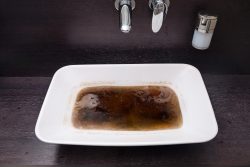 This step breaks down greasy buildup and soft residue. The alkaline property of baking soda reacts with vinegar to cut through grease films and soap scum that slow water flow in kitchen and bathroom drains. Allow the mixture to sit for 15 to 30 minutes before flushing it with boiling water.
Baking soda alone cannot dissolve heavy grease or severe blockages; therefore, professional cleaning may be necessary when the buildup is too thick. Tennessee Standard Plumbing offers safe drain cleaning services to handle these situations.
This step removes odors caused by bacteria and food waste. The reaction between baking soda and vinegar balances acidity and clears away the foul-smelling residue that causes unpleasant drain odors. To do this, let the fizzing mixture remain in the drain before rinsing with hot water. While this process improves freshness, it cannot handle solid clogs or severe blockages.
This step provides light scrubbing inside the drain. Baking soda has a gritty texture that works as a mild scrubber, helping to clear residue as hot water flushes through the pipes. To use this benefit, pour boiling water slowly after the fizzing reaction. This action pushes debris away without damaging the pipe surface.
This step protects plumbing from damage while keeping drains clean. Baking soda and vinegar are safe for metal pipes, PVC pipes, and most home plumbing systems. Unlike harsh chemical cleaners, they do not corrode pipe walls or harm septic systems. To perform this step, repeat the baking soda and vinegar process monthly as a simple maintenance routine.
Baking soda cleans drains by reacting with vinegar to create bubbles, dissolve grease, neutralize odors, and scrub pipe walls without damage. This method is safe and eco-friendly for routine home maintenance.
Baking soda alone does not clear major clogs or solid blockages. For serious problems, professional methods such as hydro jetting or snaking are required, and Tennessee Standard Plumbing provides expert drain cleaning services.
Baking soda is effective for unclogging drains when it reacts with vinegar and hot water, creating carbon dioxide bubbles that loosen soft debris, dissolve light residue, and neutralize odors inside pipes. This natural method is commonly used in households as a safe alternative to chemical drain cleaners that damage pipes or harm the environment.
For minor kitchen sink clogs caused by grease and food particles, a combination of baking soda and vinegar breaks down the buildup and pushes it away through a fizzing action. In bathroom drains, it helps soften and dissolve soap scum and toothpaste residue, especially when followed by a hot water flush.
For drains that smell bad because they are not used frequently, baking soda neutralizes acidic waste and safely removes odors. Regular use also helps prevent early-stage buildup in home drains, allowing water to flow smoothly and reducing the chance of future clogs.
Baking soda is not effective in every situation. Large grease clogs in commercial kitchens require hydro jetting or professional grease trap cleaning to clear the pipes fully. Hair, food scraps, and foreign objects stuck deep in the drain need mechanical snaking or a drain auger. Long-standing or severe blockages in main sewer lines cannot be fixed with baking soda because the natural reaction does not reach deep enough or break down solid buildup.
Overall, baking soda is a reliable and eco-friendly home remedy for light clogs and regular drain care, but serious plumbing problems demand stronger solutions. For professional cleaning and advanced methods such as snaking or hydro jetting, homeowners depend on Tennessee Standard Plumbing for safe and effective service.
Baking soda is safe for most common household drain materials because it cleans gently without causing corrosion or damage. Plumbers and home maintenance experts in the United States recommend it as a reliable option for routine drain care, and many homeowners trust it to keep pipes in good condition.

Baking soda is safe because it does not scratch or weaken metal sink drains or fittings. Homeowners can pour it directly into the drain without worrying about surface damage.
Baking soda is safe since the reaction with vinegar creates fizzing bubbles but does not produce high heat or cause chemical melting. This makes it a safer option than harsh chemical cleaners.
Baking soda does not speed up rust or metal corrosion. Instead, it helps clear light buildup and keeps water flowing freely through older plumbing lines.
Baking soda is gentle enough for ceramic sinks, bathtubs, and plastic fixtures. It breaks down soap scum and toothpaste without leaving scratches.
Baking soda provides an effective solution for tackling grease and food residue. When followed by hot water, it helps flush away soft clogs and reduces odors while keeping the drain surface safe.
Baking soda offers safe odor control and light cleaning without the risk of damaging pipes or protective coatings.
Baking soda is not strong enough for commercial drains with heavy grease loads or industrial waste, and it cannot remove deep clogs in main sewer lines or blockages caused by root intrusion.
In these situations, professional solutions like hydro jetting or mechanical snaking are necessary, and Tennessee Standard Plumbing provides reliable services for these more serious issues.
The drain problems that baking soda can help fix include minor clogs, deodorizing issues, and early-stage buildup in home sinks, tubs, and floor drains. This method is safe, chemical-free, and commonly recommended by plumbers and DIY experts for routine maintenance, but it has clear limits when dealing with serious plumbing blockages.

Baking soda, vinegar, and hot water loosen soft debris, such as grease, small bits of food, and light soap scum. The fizzing action pushes the buildup away from the pipe walls, allowing water to drain smoothly again. Homeowners pour 1/2 cup of baking soda and 1/2 cup of vinegar into the drain, cover it, let it sit for 15–30 minutes, and then flush with boiling water.
Baking soda neutralizes odors that form from trapped food particles, grease, or bacteria in drains. This step refreshes sinks and shower drains naturally, without the use of perfumes or chemical sprays. Simply sprinkle baking soda into the drain, follow with vinegar, and finally rinse with hot water.
Baking soda helps keep drains clean by breaking down small amounts of residue before they grow into larger clogs. Regular monthly use with vinegar and hot water supports healthy plumbing and prevents slow drainage in homes.
When baking soda doesn’t work, homeowners need stronger methods because the clog is often too deep, dense, or caused by solid material that natural remedies cannot remove. Plumbers and drain experts in the United States explain that baking soda and vinegar are only effective for light residue or odor control, not for heavy blockages.
Clogs that remain after baking soda and vinegar treatments indicate buildup deeper in the pipe. Professional snaking or hydro jetting is required. Plumbers use tools designed to reach long sections of pipe and push or cut through stubborn blockages that home solutions cannot touch.
Water that persists after several DIY attempts signals a serious obstruction or compacted debris within the plumbing. More baking soda and vinegar will not remove it, but flushing with high-pressure water or mechanical equipment can safely clear the line.
Drains that make gurgling noises or bubble when water runs suggest a venting problem or airlock. Baking soda cannot correct airflow issues, so a professional inspection is necessary to restore proper drainage.
Odors that persist after using baking soda point to decaying food, grease, or mold hidden deep in the drain. Only a plumber’s specialized cleaning tools can reach and remove the source of the smell.
Water backing up into other sinks or tubs signals a shared drain line clog. This blockage is too far inside the system for baking soda to reach and requires mechanical clearing or hydro jetting.
Slow drains in several areas of the house indicate a main sewer line clog. Home remedies cannot break through these blockages. A camera inspection by a licensed plumber is the safest way to identify the problem.

Leaks or damp spots near drain pipes show corrosion or cracks. Baking soda does not fix pipe damage, and continued DIY attempts may worsen the issue. Replacement or repair by a professional is the correct course of action.
When baking soda does not solve the problem, it is clear the clog is beyond light maintenance. Ignoring these warning signs risks pipe damage, water backups, or costly flooding. The best solution is to contact a licensed plumber who provides accurate diagnostics and safe, lasting results.
Homeowners and businesses across Knoxville rely on Tennessee Standard Plumbing for expert clog removal, hydro jetting, and professional drain cleaning services, all with transparent pricing and emergency support.
The type of baking soda that is best for drain cleaning is regular household baking soda, also called sodium bicarbonate. This is the same baking soda found in most U.S. grocery stores and is effective for unclogging light residue and deodorizing drains. Specialty or industrial versions are not required for home use.
No, baking soda cannot damage pipes when used for cleaning. It is a non-corrosive cleaner. The baking soda drain cleaning hack is safe for stainless steel, PVC, copper, and cast iron plumbing.
Baking soda is used over chemical cleaners because it is safe, eco-friendly, and non-corrosive while still effective for mild clogs. Chemical cleaners often damage metal or plastic pipes, release toxic fumes, and harm the environment, but baking soda avoids those risks.
Yes, baking soda can kill or reduce drain bacteria. Its alkaline nature neutralizes acids, removes foul odors, and disrupts bacterial growth in sink and shower drains.
Baking soda and vinegar are mixed together because their reaction creates carbon dioxide bubbles that loosen debris and break down residue inside pipes. This fizzing action helps remove grease, soap scum, and odor-causing buildup.
Yes, salt can be added to the baking soda and vinegar mix for drain cleaning. The salt increases abrasion, which helps scrub and loosen stubborn residue inside pipes.
The mixture bubbles when poured into the drain because vinegar (acid) reacts with baking soda (alkali), producing carbon dioxide gas. These bubbles lift and loosen soft debris, making it easier to flush away.
Yes, boiling water alone can unclog a drain if the clog is caused by grease or soap scum. The heat melts and flushes away soft residue but will not remove hair, solid debris, or deep clogs.
A drain smells like rotten eggs because bacteria break down organic matter in the pipes, releasing hydrogen sulfide gas. This foul smell signals a buildup that needs cleaning.
Yes, baking soda and boiling water can be used in a garbage disposal, but the hot water should be poured carefully. Baking soda removes odor and residue, while boiling water flushes the disposal chamber and connected pipes.
Salt is added to baking soda for drain cleaning because it increases the scrubbing power. The rough texture of salt helps remove stubborn buildup on pipe walls when flushed with hot water.
Coarse salt is best for drain cleaning. Larger grains create stronger abrasion against residue, improving the cleaning effect when combined with baking soda and hot water.
Yes, baking soda removes disposal odors. Its natural deodorizing ability neutralizes the smell of decaying food particles and keeps the garbage disposal fresh between cleanings.


A kitchen sink leak can cause a lot of damage to your home if left unaddressed, leading to mold growth, water damage, and costly repairs. That's wh... Read More

Yes, you can clear a main sewer line clog yourself, but it's only recommended for minor clogs and requires caution to avoid further damage. For sim... Read More

Plumbers eliminate guesswork by combining traditional diagnostic skills with advanced, non-invasive technology to pinpoint the exact location and c... Read More