
Top Plumbing Issues Homeowners Face in Tennessee
At [company_name], we understand the importance of a well-functioning plumbing system for homeowners in Tennessee. As experts in the field, we aim ... Read More
Same-Day Service Available
Need a Plumber in Knoxville? We’re Ready to Help!




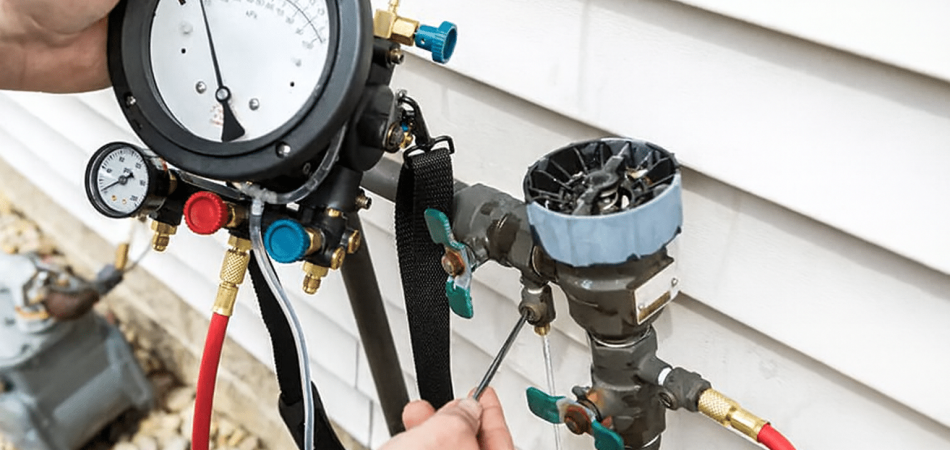
Backflow preventer testing costs typically range from $50 to $250, depending on the device and location. Expect annual testing, which includes a professional inspection and testing of the device to ensure it’s working correctly. A certified technician will follow specific procedures to check the valves and report the results to your local water authority, and you may incur additional costs for necessary repairs or required permits.
Backflow preventer testing helps make sure the water in your home or business stays clean. The device stops dirty water from flowing back into your clean water lines. When it works properly, it keeps everyone safe from contaminated water. Testing is a quick check to confirm the device is doing its job and that you’re following local safety rules.
This explains what backflow testing includes, how much it usually costs, the difference between home and commercial pricing, and what extra costs may come up if repairs are needed.
The goal is to help you understand the process so you can stay compliant, avoid expensive problems, and keep your water safe. With Tennessee Standard Plumbing, you get reliable testing that gives you peace of mind and long-term protection. Contact us today!
Backflow preventer testing is a procedure performed by a certified technician to ensure that a backflow prevention device is functioning correctly and can stop contaminated water from flowing backward into the clean water supply. The testing process involves measuring water pressure across the device and inspecting its internal components to check for leaks or mechanical failures.
During testing, a licensed plumber uses special tools to measure water pressure and confirm that valves in the device open and close properly. For homeowners, this means knowing the water coming out of the tap is safe for the family. For businesses, testing shows customers and staff are protected while also meeting local plumbing rules. Regular testing not only protects health but also keeps properties in compliance with local codes that require safe, reliable water systems.
Backflow preventer testing is crucial to ensure public health and water quality by preventing contamination from entering the public water supply. Regular testing verifies the device is functioning correctly, protecting against dangerous substances like bacteria, chemicals, and sewage that could otherwise be siphoned back into the drinking water system. This also helps ensure compliance with local regulations, which often mandate annual testing for all backflow devices.
The key reasons why backflow preventer testing matters are:
Testing makes sure dirty water does not mix with the clean supply. Contaminated water carries bacteria, pesticides, or waste that make people sick. Safe testing means safe water for families and businesses.
Many cities have regulations requiring routine testing of backflow preventers. Skipping these steps results in code breaches, penalties, or restrictions on water usage. Staying within the rules reduces legal problems and stress.
Backflow forces dangerous chemicals into drinking water and sinks. This includes fertilizers, cleaning chemicals, and sewage. Regular testing ensures the device is strong enough to block these risks.
When a preventer fails, leaks, or pressure changes damage pipes, appliances, and fixtures. Repairs cost far more than a simple test. Testing early saves money by catching problems before they grow.
Backflow preventers protect not only individual homes but also the wider water system shared by neighborhoods and cities. Local laws require working devices to protect everyone. Testing proves the device is safe and keeps properties in good standing.
Backflow preventer testing gives peace of mind by showing water is clean, rules are followed, and both homes and businesses stay safe from costly damage.
During backflow preventer testing, a certified technician will perform a visual inspection and use a special gauge to check for leaks and measure pressure changes in the device’s valves to ensure it’s working correctly. This typically involves shutting off the downstream valve, attaching a test kit to the device’s test cocks, measuring pressure differences across the valves, and checking that the valves allow water to flow one way but block reverse flow. The process usually takes less than 30 minutes, and you will receive a report of the findings.
The plumber starts by shutting off the water supply to the backflow preventer. Testing gauges are connected to measure pressure and check the valves. Each valve is opened and closed to confirm it works at the right pressure levels. Once the inspection is complete, the device is restored to its normal setting.
Most tests take between 20 and 40 minutes, depending on the size of the system. Residential devices are quicker, while larger commercial setups take a little longer. The short testing time means water service is interrupted only for a brief period. Customers usually find the process simple and stress-free.
Only licensed plumbers or certified backflow testers are allowed to perform this inspection. These professionals are trained to handle water safety devices and know the rules set by local codes. Hiring an unqualified person risks damaging the device or failing to meet legal standards. Tennessee Standard Plumbing provides licensed service that homeowners and businesses trust.
Customers can count on total honesty all the way. The plumber clarifies the situation, responds to inquiries, and offers true comments on the state of the appliance. When requested, the compliance report is made after the test and delivered to the appropriate local body. This record shows the system is secure and maintains properties in excellent shape.
The average backflow preventer testing cost in the U.S. ranges from $75 to $250. Prices vary depending on the size of the device, whether it serves a home or a business, and if extra work is needed to keep it in compliance. Knowing these ranges helps property owners budget for testing and avoid surprises.
Most homeowners and business owners pay somewhere in this range for a standard test. The price depends on local labor rates, the size of the preventer, and how easy it is to access the device. Licensed professionals include inspection, pressure testing, and compliance reporting in this cost. Staying within this range keeps the process affordable compared to the risks of skipped testing.
Residential backflow preventer testing usually falls on the lower side, closer to $75–$125. Homes have smaller systems that are quicker and easier to check. With less equipment involved, the test takes less time and uses fewer materials. This keeps testing affordable for families while still protecting water safety.
Commercial systems often cost closer to $150–$250 for testing. Larger devices, multiple units, or hard-to-reach locations take more time to inspect. Businesses also need detailed reports to stay in compliance with local codes. This extra complexity raises the cost but ensures full safety and legal protection.
If the test reveals any components of the equipment to be faulty, leaking, or worn out, repairs or replacement raise the overall cost. Repairs include minor seal replacements to entire device installation. The extent of damage and the system’s size influence these additional costs. Finding flaws early usually costs less than letting them worsen.
When a backflow preventer fails the initial test, a repeat test could be necessary following repairs. Some companies impose a cost for this second inspection, which guarantees the device currently complies with codes. Retesting verifies the safety of the water supply and helps to maintain property in conformity. Planning for this eventuality helps one to avoid unexpected costs down the line.
The factors that influence backflow preventer testing costs are the kind of property, the size of the device, and the site of the service. Also relevant are licensed plumber rates, job urgency, frequency of testing needed, and level of expertise. Since every one of these factors influences the ultimate price, property owners need to know what determines expenses before they arrange a test.
The type of property has a big impact on testing costs. Residential systems are usually smaller, easier to access, and less complex, which keeps costs on the lower end. Commercial or industrial properties often have multiple backflow devices, larger systems, or higher compliance requirements. This extra work increases the time and cost of testing.
A small device in a home only takes a short time to test, while a large or advanced system in a commercial space requires more skill and equipment. Bigger devices have more valves and pressure zones that need careful checks. Complex systems also require longer inspection reports to meet code standards. The added time and effort directly affect the price.
Costs also change depending on local plumber rates and licensing requirements. In some areas, certified testers are in high demand, which raises prices compared to regions with more available providers. Licensing ensures the plumber has the right training to perform accurate tests and file compliance reports. Paying for a licensed professional protects both water safety and property value.
Some states and cities require annual backflow preventer testing, while others mandate checks more frequently for certain properties. More frequent testing naturally raises costs over time. Businesses and landlords must also budget for regular compliance reporting. Following these schedules avoids fines and ensures ongoing safety.
Emergency or after-hours service usually costs more than a standard appointment. If a backflow preventer fails and needs testing right away, plumbers charge higher rates for urgent response. While this adds to the cost, it ensures that contaminated water does not enter the clean supply. Planning ahead with routine tests helps avoid last-minute emergencies and extra fees.
The additional costs homeowners should expect are repairs if the device fails, retesting fees, replacement costs, permit or filing fees, and emergency service surcharges. Backflow preventer testing is only the base cost. Homeowners face extra expenses depending on the condition of the device, local code requirements, or unexpected problems. Planning ahead for these possible costs makes the process smoother and avoids surprises.
When a preventer does not pass inspection, repairs are needed to fix leaks, replace worn parts, or adjust valves. Small repairs only cost a little extra, while larger issues like replacing seals or springs increase the price. Addressing problems right away prevents bigger damage and protects water safety.
After repairs, a retest is usually required to prove the device is working correctly. Some plumbers charge a reduced fee, while others bill closer to the original test price. Retesting ensures the system meets code standards and that clean water remains safe for the home.
If a backflow preventer is too damaged to repair, replacement becomes necessary. A new unit costs anywhere from a few hundred dollars to over a thousand, depending on the size and type. Installation also adds labor charges, making replacement one of the bigger unexpected costs.
Many cities require paperwork to confirm testing results have been filed with local water authorities. Some plumbers include filing in their service, while others charge an additional fee. These small costs are important because missing paperwork leads to fines or compliance issues.
When a preventer fails during a cold snap or after business hours, homeowners need emergency service. These calls usually cost more because of urgency and off-hour labor rates. Paying the surcharge is worth it to stop contaminated water from entering the supply and to protect plumbing during a crisis.
Budgeting for these added expenses helps homeowners stay prepared and keeps their water systems safe, compliant, and reliable all year.
Choosing a reliable plumber for backflow testing means working with a licensed and certified professional who understands local regulations. Licensed plumbers follow the right steps and ensure the test is properly documented.
Experience plays an important role. A plumber familiar with both residential and commercial systems handles testing accurately and efficiently. This knowledge reduces mistakes and helps protect clean water in every type of property.
Transparency is also key. A trusted plumber provides clear pricing, explains the process, and delivers a detailed report after the test. This makes compliance easier and builds customer confidence.
Tennessee Standard Plumbing is known for dependable service and trusted results. The team offers skilled backflow testing with full reports, fair pricing, and professional care. Choosing Tennessee Standard Plumbing means long-term peace of mind, safe water, and reliable compliance for homes and businesses.
Backflow preventers should be tested once every year, as required by most state and city plumbing codes, to make sure the device is protecting clean drinking water and staying in compliance with regulations.
A backflow test usually takes about 20 to 40 minutes, depending on the size of the device and how easy it is to reach.
Yes, backflow testing is one of the top plumbing issues in Tennessee because many cities and counties require yearly testing, and water safety is a major concern for both homes and businesses.
If a backflow preventer fails inspection, it must be repaired or replaced, and then retested to prove that it is working correctly and protecting the water supply.
Fixing water pressure issues helps prevent backflow preventer failure because sudden changes in pressure can strain valves and seals, leading to leaks or malfunctions that make the device unsafe.
A backflow preventer test checks one device that keeps dirty water from reversing into clean lines, while a full plumbing inspection looks at the entire plumbing system, including pipes, drains, fixtures, and water pressure.
Commercial backflow devices should be tested once a year, though some local codes require testing more often for high-use properties or systems with greater contamination risks.
No, backflow preventer repairs are not included in the test cost, and any repair or replacement parts are billed separately based on the work required.
Yes, Emergency Plumbing in Knoxville, TN, provides backflow testing, along with repairs and retesting, to make sure both homes and businesses meet safety and code requirements.
Yes, backflow preventer testing is required by law in the US, and property owners must submit certified results from a licensed plumber or tester to the local water authority each year.


At [company_name], we understand the importance of a well-functioning plumbing system for homeowners in Tennessee. As experts in the field, we aim ... Read More

Your home's plumbing system works as two interconnected subsystems: the supply system, which brings pressurized fresh water in via pipes from the s... Read More

To safely install a gas line, always turn off the gas, hire certified professionals, and follow best practices like using proper materials, conduct... Read More