
Why Water Heater Maintenance is More Important Than You Think
You know the feeling. You turn on the shower and wait for it to get warm, but it never does. And you may have even gone to the utility room thinkin... Read More

Same-Day Service Available
Need a Plumber in Knoxville? We’re Ready to Help!




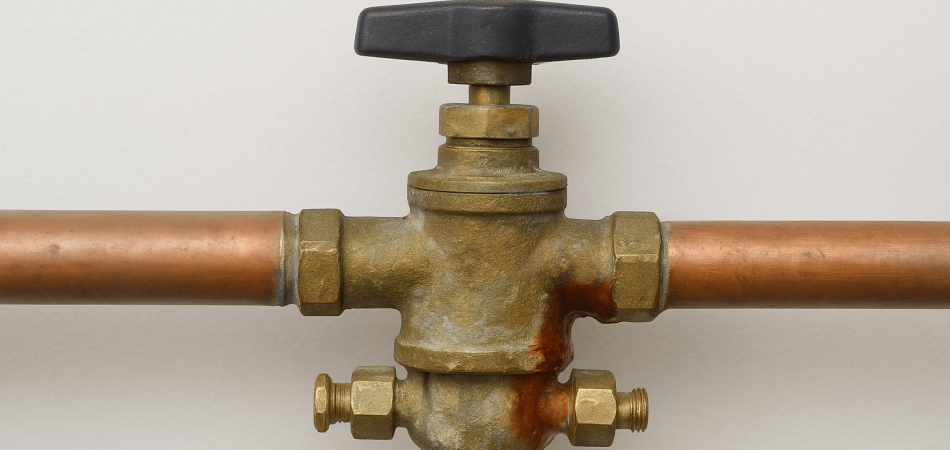
A leaking backflow preventer is typically caused by debris in the valve, worn-out O-rings or seals, high water pressure, improper installation, or general wear and tear. To fix a leak, first clean any debris from the valve, or replace worn-out seals and O-rings, and tighten connections. Regular professional testing and maintenance are the best ways to prevent future leaks and ensure the system remains functional.
A backflow preventer is a crucial part of your plumbing system. It is a special device that protects your family’s drinking water from contamination. Think of it as a safety barrier. It allows water to flow in only one direction.
A leak in this device is a warning sign. This indicates that the safety barrier is compromised. A small drip leads to bigger problems. It reduces the device’s efficiency. A leak also wastes water and increases your water bill. A backflow preventer leak requires your immediate attention.
This guide helps you deal with backflow preventer leaks. First, it explores the common causes. Then give you practical steps for a fix. You also learn how to prevent future leaks. This guide gives you the knowledge to handle the issue correctly.
When you need professional help, Tennessee Standard Plumbing is ready. The company is licensed and certified to handle all types of backflow prevention services. From testing and repairs to complete installations, trained specialists ensure safe, compliant, and efficient solutions for protecting the water supply.
The most common causes of backflow preventer leaks are worn-out parts, mineral buildup, and high water pressure. Understanding the reason for the leak is the first step toward a fix.
Let’s explore each cause in detail.
Seals and O-rings are tiny rubber components that make the watertight seal inside the backflow preventer. Over time, they become old and brittle and crack or lose flexibility. A damaged seal breaks the watertight connection and causes a steady drip or a stream of water. The solution is to replace these old parts with new ones.
The water that’s going through the pipe is carrying with it several tiny particles. These include dirt, sand, and rust. Hard water also deposits minerals like calcium and magnesium. These particles and minerals stick to the internal parts. They stop valves from closing completely. A valve that cannot close correctly lets water escape. Cleaning the internal components and flushing the system clears the debris.
The pressure inside your pipes is sometimes too high. A backflow preventer is built to handle a certain pressure level. Extreme pressure puts a lot of stress on the device. It pushes past the internal seals. This stress causes leaks. Installing a pressure-reducing valve in your plumbing system fixes this problem. It brings the water pressure down to a safe level.
A water hammer is a loud banging noise. It happens when the water flow suddenly stops. This sudden stop creates a shockwave. This shockwave travels through the pipes. The force of this shockwave damages internal parts of the backflow preventer. It loosens connections and causes cracks. A leaking backflow preventer is a result. An experienced plumber installs a water hammer arrestor to prevent this.
Water expands when it freezes. Water trapped inside a backflow preventer in cold weather turns into ice. The expanding ice puts immense pressure on the device. It cracks the body and internal components. This damage leads to major leaks once the ice thaws. Protecting the device from freezing temperatures is the best prevention. An insulated cover works well.
A backflow preventer is a complex device. It must be installed correctly. An incorrect installation leads to many issues. Misaligned parts or overtightened fittings cause leaks from the start. A proper installation from a certified plumber ensures the device works as it should.
You’ve now learned about the common causes of backflow preventer leaks. Identifying the source is the first step toward a lasting repair. For reliable service and peace of mind, contact a professional.
To fix a leaking backflow preventer, you have to shut off the water, inspect for damage, and replace parts. You follow a specific order to diagnose and fix the issue. This systematic process helps you solve the problem safely and correctly.
The first thing to do is to turn off the water source. Find the shut-off main valve by the water meter. Turn that valve clockwise to stop water flow. This prevents more water from leaking. It also makes it safe for you to work on the device. Water pressure is strong, so shutting it off is essential.
Now that the water has stopped, check the backflow preventer. Look closely for any signs of damage. Examine the device’s body for cracks or loose fittings. A quick adjustment with a wrench easily tightens a loose fitting. In case of a crack in the body, the entire unit must be replaced. A clear inspection helps to find the source of the leak.
Debris and mineral deposition cause leaking. Unscrew the test cocks or main caps for cleaning. Follow the manufacturer’s instructions for this. Take the internal components out. Look for any grit, sand, or mineral deposits. Use a soft brush to clean all parts gently. Flush the inside of the assembly with clean water. This cleaning process solves a simple leak.
Most leaks come from old or ruined seals. Seals are small rubber rings or gaskets. They become less elastic and more brittle as they age. A cracked flat seal or worn-out seal requires replacement. Purchase a specific repair kit for your model. Remove the old, damaged seals and replace them with new ones. A new seal tightens the fit and stops the drip.
The other vital thing is the O-rings. They are tiny circular rubber rings. O-rings usually sit at valves or inside the fittings. Like seals, they wear out. Check for signs of stretching or nicks on them. Carefully remove the old O-rings and put new ones in their place. A new O-ring makes a perfect seal again.
Sometimes, a leak is from a bigger problem. A cracked body or a broken spring is an example. You do not have the right tools to fix it. A licensed plumber has the expertise and equipment for these issues. They diagnose the problem correctly. They ensure the repair is up to code. It is safer to call a pro when in doubt.
Fixing a backflow preventer leak is a step-by-step process. You start with simple checks and move to more complex repairs. Always call a professional for problems you cannot fix.
Tennessee Standard Plumbing offers expert solutions for all backflow preventer needs. The team manages everything from start to finish, ensuring a smooth process and dependable results that protect your water supply.
You can prevent backflow preventer leaks through routine maintenance, pressure regulation, and thermal constraints. Doing so saves you from expensive repairs. The prevention aspect is a key element in ensuring safe plumbing.
Local regulations require yearly backflow preventer testing. A licensed person tests their performance. They test if the valves close well. This annual check catches minor problems before they become major leaking issues. An inspection report serves as proof that your device works well.
Regular maintenance is simple but effective. Clean the backflow preventer regularly. Remove any debris, dirt, or mineral buildup. You are keeping the internal parts free and clear. A clean device works as intended. It also reduces wear on the internal components.
High water pressure is a significant contributor to leaks. It puts stress on all plumbing parts. A pressure-reducing valve is a great solution. It regulates the pressure coming to your home. The valve maintains this pressure to keep it reliable for your backflow preventer and other appliances.
Water expands during freezing. This expansion damages the backflow preventer. Outdoor units should be kept from freezing. A purpose-made insulated cover should be wrapped around the device. Alternatively, the water from the assembly could be drained before winter starts. A device that is well protected is not damaged by freezing.
A backflow preventer must be installed correctly. An improper installation causes leaks from the start. It also leads to long-term problems. A licensed and certified plumber knows the proper way to install the device. They ensure it works perfectly from day one.
New parts are required for repairs and maintenance. Replace only with those parts set forth by the manufacturer’s standards. Generic parts do not fit well. They are not constructed to last. Using the correct parts ensures a tight seal that withstands the test of time and prevents future leaks from occurring.
Stay alert for any signs of a problem. Listen for unusual noises. Look for small drips or moisture. A sudden drop in water pressure is also a warning sign. Catching a small leak early makes the repair simple and cheap. Ignoring it leads to bigger headaches.
Preventing backflow preventer leaks is easier than fixing them. A little effort goes a long way. By following these practices, you keep your system in top condition. Regular checks and proper care ensure your water supply remains safe and leak-free.
Fixing a leaking backflow preventer is important for safety because it protects your drinking water from contamination. A backflow preventer’s main job is to stop dirty water from flowing backward into your clean water lines. A leak is a sign of failure. The device is not doing its job correctly.
A leak in the device creates a weak spot. It lets contaminated water get into your pipes. Dirty water comes from places like your sprinkler system, swimming pool, or a hose left in a bucket. This water contains harmful substances, including bacteria, chemicals, and fertilizers. A broken backflow preventer allows this contaminated water to mix with your safe drinking water. A situation like this is a major health risk. People get sick from drinking polluted water.
A leak is also a sign of a failing device. The device is not as effective as it should be. The safety barrier is gone. Backflow preventers are a legal requirement in many places. A leaking device fails inspection. This failure leads to fines or other penalties. Fixing the leak is a matter of safety and legal compliance. It is not just about a simple drip.
Simply put, fixing a backflow preventer is critical for public health. It ensures your water supply is clean and safe. A well-maintained device gives you peace of mind. Tennessee Standard Plumbing is licensed and certified to handle all backflow preventer issues. The company provides expert repair and replacement services, ensuring reliable protection of your water system and the safety of your property.
No. Not all homes need a backflow preventer. These devices are required for homes with irrigation systems, fire sprinklers, or swimming pools, where contaminants could flow into the main water supply. In case your home doesn’t connect to such systems, a preventer is not mandatory, but it still adds protection.
Yes. Backflow preventers are required by law. Local codes aim to protect the public water supply from contamination. When your property has systems that create cross-connections, such as irrigation or fire lines, installing a preventer isn’t just smart; it’s a legal requirement that helps maintain community-wide water safety.
A backflow preventer should be tested at least once a year by a certified tester. Annual testing ensures the device is functioning correctly and complies with local regulations. Over time, parts wear out or fail, so yearly inspections catch problems early and guarantee safe, reliable protection for your water supply.
You can fix water pressure at home by first checking your pressure regulator and valves. Sediment buildup in pipes or a faulty regulator causes low pressure. Cleaning aerators and replacing clogged filters help. In case the problems persist, a plumber can test your system and provide the right repairs or upgrades.
Yes, backflow preventers require regular maintenance to function effectively. Routine inspections and cleaning prevent sediment buildup or part failures. Without maintenance, these devices fail to protect your water supply in case of an emergency. A professional service once a year guarantees the correct working of your system while keeping it up to date with local safety standards and codes.
You can detect hidden water leaks by monitoring your water bill, checking for damp walls, or listening for running water when taps are off. Advanced methods, such as thermal imaging or acoustic sensors, help identify leaks behind walls or underground. Professional leak detection services provide accurate results and lasting protection.
Yes. A leaking backflow preventer is dangerous because it indicates a malfunction in the system. Leaks allow contaminated water to seep into your clean supply, posing health risks. Even small leaks should be addressed quickly to prevent property damage, wasted water, and potential contamination of the public water system.
Yes. There are different types of backflow preventers, each designed for specific risks. Common types include Air Gaps (AG), Reduced Pressure Zone (RPZ) assemblies, Double Check Valve (DCV) assemblies, and Vacuum Breakers (PVB/AVB). The right choice depends on the water system in your home. A professional plumber recommends and installs the device that best meets safety requirements.
Yes. Improperly installed or malfunctioning backflow preventers reduce water pressure. When installed correctly, the pressure loss is minimal and unnoticeable. When you experience significant drops, the device is clogged, damaged, or undersized for your system. A licensed plumber tests, adjusts, or replaces it to restore normal flow.


You know the feeling. You turn on the shower and wait for it to get warm, but it never does. And you may have even gone to the utility room thinkin... Read More
Tankless water heaters heat water instantaneously without the use of a storage tank. When a hot water faucet is turned on, cold water flows through... Read More

Pinhole leaks in copper plumbing develop over time due to corrosion from water chemistry, such as high acidity or mineral content, excessive water ... Read More