
Why Everyone Needs a Whole-Home Water Treatment System in Their Home
Most of us take clean water for granted. But you may be surprised to know that your water is not as clean as you think it is! Without having a pers... Read More

Same-Day Service Available
Need a Plumber in Knoxville? We’re Ready to Help!




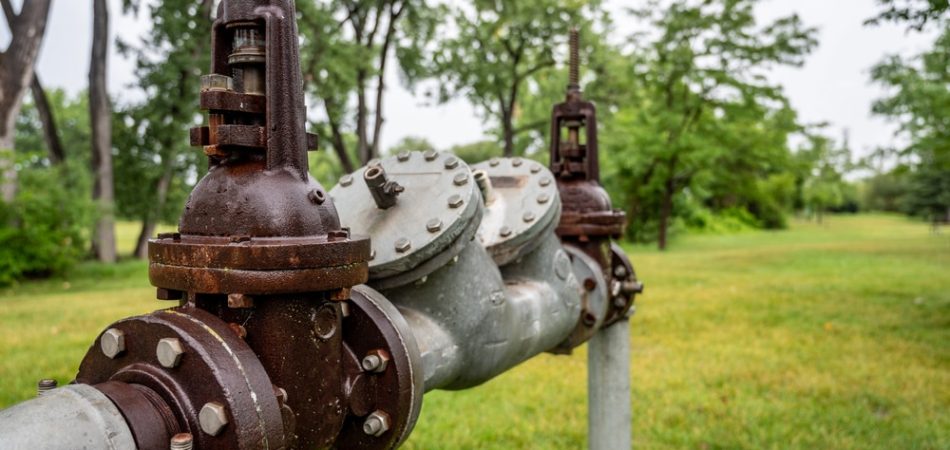
The cost of a backflow preventer depends on the device type, size, and installation setup. A backflow preventer is a safety device that prevents contaminated water from flowing back into clean drinking water. It blocks germs, chemicals, and waste from reaching the supply. Homes, schools, and business sites use them to protect public health.

The price changes with device design and water line size. Small devices for home sinks stay on the low end. Large assemblies for business lines stay higher. Costs also shift with installation. Plumbers add labor charges, fittings, and test reports. In many projects, labor is the biggest part of the total bill.
Repairs add another layer. Internal parts like springs, seals, and valves wear out over time. Service brings extra cost, and larger devices take more work. Replacement parts increase the bill but keep the system safe. Testing and inspection also carry fees each year. Regular checks prove the device works and meets safety rules.
The average backflow preventer cost in Tennessee falls within a range. Homeowners in Tennessee typically spend around $350 for parts and labor in 2025. This cost can change based on different factors.
In Tennessee, Tennessee Standard Plumbing provides trusted service. The company installs, repairs, and tests backflow preventers with licensed plumbers and reliable results. Homeowners get simple data for small units during their consultation. Businesses see average costs for larger systems.
 Residential backflow preventer costs in 2025 range from $100 to $300 for the device itself. This price does not include installation or testing fees. Installation fees add another $100 to $300. The cost for testing a residential backflow preventer falls between $70 and $90.
Homeowners use these devices for various applications. Common uses are for fire sprinklers and irrigation systems. They prevent contaminated water from the sprinkler system from entering the drinking water supply.
Small backflow preventers are cheaper than larger models. Their simple design requires less material to make. These small units are also easier to install. That reduces the labor cost for the job. This makes the total price much more affordable for a homeowner.
 A commercial backflow preventer costs between $350-$1,200 or more in 2025. Larger units, high-pressure models, or complex systems drive the price above that range. Many commercial properties need multiple units. One unit is not enough in big systems like irrigation, boilers, or chemical lines. Each unit adds cost.
These installations are labor-intensive. Techs work on large valves, pressure chambers, or below-ground setups. Access, retrofit, and piping changes all increase labor hours.
Compliance and testing expenses add an ongoing cost. Commercial preventers need annual testing, which ranges between $30 and $300 per device, depending on location.
The factors affecting backflow preventer installation cost include property type, labor, accessibility, and device details. Homes, businesses, and industrial sites use different preventers, and each site demands unique work.
Labor skill level and time spent raise the bill, while tight or underground spaces add more effort. Property location also changes the rate since local fees, permits, and testing rules differ. Material quality, device size, and model type all drive final price.
The following factors affect the installation costs:
Backflow preventer cost by type changes with design. A Pressure Vacuum Breaker (PVB) stays on the low side. A Double Check Valve (DCV) stays mid-range, safe for medium hazard sites. A Reduced Pressure Zone (RPZ) remains the most expensive because it protects high-risk systems with strong parts. Each type impacts labor hours and testing fees.
Backflow prevention device cost by size rises with pipe diameter. A one-inch unit stays low; a two-inch unit adds more. Large assemblies for commercial lines cost more because they handle higher water pressure. The bigger devices take longer to install & test. Each successive step raises the final price above smaller units.
Materials in a backflow preventer also affect the cost. Brass and stainless steel devices are more expensive but last longer. The plastic parts are cheaper but wear faster in strong systems. Stronger materials lower repair calls but raise the initial cost. Material choice determines cost in comparison to long-term service.
The final backflow cost depends on property location. Urban areas charge higher labor and permit fees. Rural places might pay travel costs for plumbers. The frequency of testing is also decided by local codes, an additional yearly expense. Each location shapes that total price with its rules and rates.
Labor skill level affects cost because licensed experts charge more. A trained plumber installs faster and more safely at higher hourly rates. Complex setups demand higher skill, so the price climbs. Labor is the largest share of many projects, especially in business sites. Skilled work keeps systems compliant and avoids extra service later.
The additional costs homeowners should expect with backflow preventer repairs include more than the base service. Repairs link to several price factors that shape the total bill.
These are the following additional costs:
Installation cost comes when a new unit replaces a failed preventer. This charge covers device price, fittings, and plumber setup. A larger system raises cost because more work and bigger valves increase time. Homeowners must plan for this as part of long-term repair.
The repair cost applies when fixing small parts inside the preventer. Common items include springs, checks, and seals. These parts wear faster with pressure and chemicals. Small repairs seem cheaper, but repeated service adds to yearly expense.
Replacement cost occurs when the device reaches the end of its service life. Larger assemblies or high-risk RPZ units carry higher price tags. Full replacement covers both the new unit and the disposal of the old one. This expense becomes major for business lines or larger homes.
Labor cost depends on project size and worker skill. Licensed plumbers charge higher hourly rates, and complex setups extend hours. Work in tight or underground spaces adds time. Labor forms a large part of the final bill for homeowners.
Permits add cost because city rules require approval for some work. Fees prove that the setup meets local code and safety rules. Permit charges vary by location and protect against fines later. Budgeting for permits keeps the repair process smooth and compliant.
Annual backflow preventer costs come from legal and safety rules. Tennessee law requires testing as a yearly requirement. Local water boards and service providers set the fees. Device type, device size, and number of units all raise or lower the total.
Permit and tester rates also change the final bill. A homeowner pays more when the property holds large assemblies or several devices. Certified testers protect water safety and keep the home in line with state rules. Budgeting for this cost avoids surprise charges and keeps compliance simple.
In 2025, Tennessee homes pay $50 to $400 per device each year. Smaller units stay near the lower range. Large or complex systems sit closer to the higher side. Extra units increase the cost per property. Permits and inspection records also add to the price. Homeowners plan for this yearly test like a utility bill.
Knowing backflow preventer costs helps homeowners to plan better because it gives financial clarity. A clear cost picture removes the risk of hidden bills. Awareness of price ranges allows homeowners to set money aside each year. This avoids stress when service or repairs take place.
Key benefits include safer water, stronger planning, and fewer last-minute surprises. Cost knowledge helps pick the right device size and type. It also supports smart budgeting for installation, testing, and replacement. Families protect their health while keeping control over spending.
The practical impact shows in daily planning. A homeowner who knows testing costs treats it like any utility bill. Funds remain ready when the annual service date comes. This steady approach keeps compliance easy and water systems safe.
Clear cost awareness also stops sudden repair bills from breaking budgets. Homeowners avoid delays in fixing worn devices. The result is steady water safety without financial shocks. In this way, cost knowledge links directly to safe living and stable expenses.
No, backflow preventers do not add to annual water utility bills. They are mechanical devices, not metered water systems. Homeowners only face costs linked to yearly testing, repair, or replacement. Local testing fees and permits make up most yearly spending. Regular checks protect the water supply while keeping the property in code compliance.
Replacing a backflow preventer for sprinklers costs between $150 and $600, depending on device size and type. Smaller lawn systems stay at the lower end, while larger irrigation setups fall higher. Labor and permits raise the final total. Replacement ensures safe lawn watering without risking contamination to the household water line.
The cost to install a backflow valve is around $250 to $800 in most Tennessee homes. The price reflects device size, location, and plumber labor. A single unit in a simple setup stays low, while complex systems with large valves cost more. Correct installation ensures safe drinking water and steady protection for the home plumbing system.
Hiring a skilled plumber saves money by avoiding repeat mistakes and poor installation. An experienced worker finishes faster and prevents leaks or code failures. They use proper tools and follow Tennessee water safety rules. Homeowners pay upfront but avoid paying twice later. This lowers long-term costs while protecting the home water system.
Plumbing code for backflow preventers in Knoxville, TN, affects cost through required permits, device approval, and yearly testing. Local codes mandate approved assemblies and certified installation. Permit fees and compliance testing create extra charges. Following these rules ensures a clean water supply and prevents fines. Homeowners factor these costs into their yearly service budget.
No, homeowners cannot install a backflow preventer themselves to save money. Tennessee rules require licensed plumbers for this work. Incorrect installation risks water contamination and failed inspections. Certified installers ensure proper setup, safe water, and legal compliance. Attempting self-installation creates bigger repair costs later and places the property at risk of code violations.
Yes, larger backflow preventers cost significantly more. A 1-inch valve stays lower, while 2-inch or larger units rise steeply. Material use and labor increase with valve size. Large devices also take longer to test and repair. Homeowners with bigger water lines face higher costs across installation, annual testing, and full replacement.
Water pressure regulators affect backflow preventer costs by reducing strain on the device. Strong water pressure wears internal seals and springs faster than low water pressure does. A regulator keeps the flow steady, lowering the need for frequent repairs. This reduces long-term service costs. It also protects both the backflow preventer and connected home plumbing fixtures from damage.
Repair costs over 10 years often equal or surpass full replacement. Small fixes like springs and checks seem low, but repeated service adds up. Replacing the entire assembly once may cost less than paying for many repairs. Long-term planning means knowing when replacement saves more money than frequent work.
Buy a backflow preventer and get the best price from the trusted plumbers in Knoxville. The brand offers tested, approved devices for Tennessee homes and businesses. Customers gain certified products that meet local code rules. Direct purchase avoids markups seen at third-party sellers. Reach out today.


Most of us take clean water for granted. But you may be surprised to know that your water is not as clean as you think it is! Without having a pers... Read More

It can be frustrating as a homeowner to have a drain that drains slowly and is smelly. Thankfully, you can take some simple steps to keep your drai... Read More
Hot Water Shortages There is nothing more annoying than running out of hot water in the middle of a shower! Here's the good news: "Running out of ... Read More