
How Local Soil Conditions Affect Underground Plumbing in Knoxville
Knoxville's predominantly clay soil creates persistent pressure on underground pipes through expansion and contraction cycles, accelerating corrosi... Read More
Same-Day Service Available
Need a Plumber in Knoxville? We’re Ready to Help!




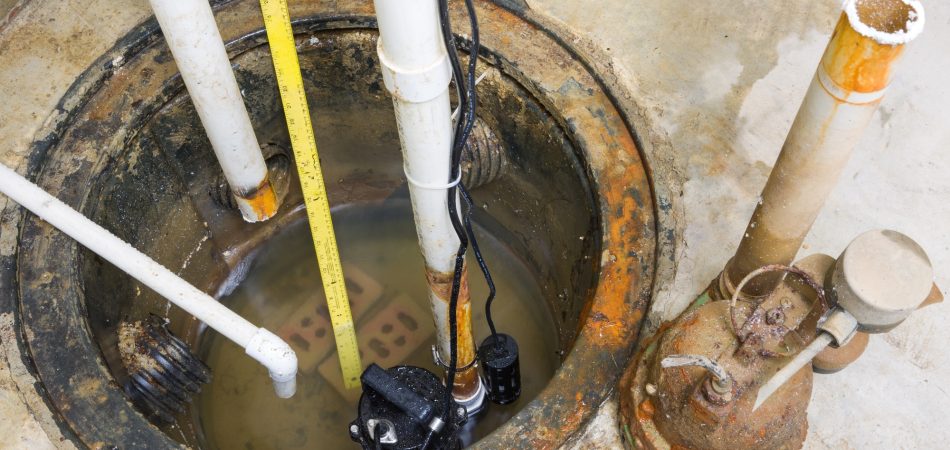
The most common and essential plumbing pumps used in homes fall into several key categories designed for different applications, primarily dealing with water supply, pressure management, and waste removal.
A plumbing pump is a mechanical device that uses a motor to add energy to water, allowing it to move against gravity or increase its existing pressure. These pumps are essential components in any home. They perform vital functions such as preventing basement flooding, delivering well water to faucets, and efficiently removing waste from inside structures. These machines ensure the smooth operation of any plumbing system. With the right pump, you can achieve comfort, cleanliness, and security in your home.
Knowing the precise function of each pump is vital. The right installation, coupled with regular maintenance, prevents costly emergencies. It also ensures consistent water pressure and extends the lifespan of your entire plumbing system. For expert consultation and proper installation of any of these vital systems, the licensed team of Tennessee Standard Plumbing is the correct place to go.
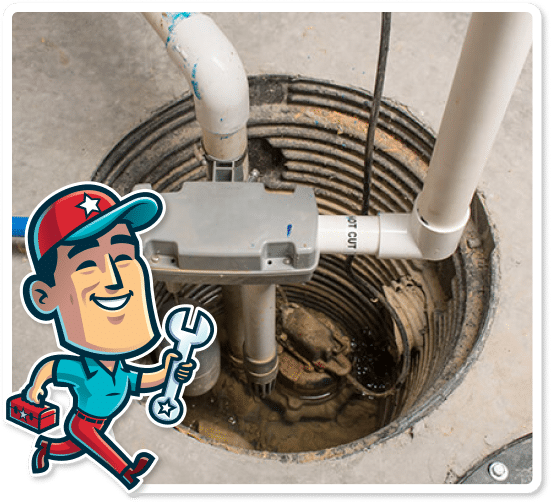 A sump pump is a powerful electric device that homeowners install inside a hole in the basement floor called a sump pit. The pump’s main purpose is to actively collect and remove any unwanted water that leaks into this pit due to heavy rain or rising groundwater. This basic device helps protect the lower levels of your home from water damage.
This pump automatically prevents flooding. Water naturally drains into the sump pit, raising the water level. A small switch attached to the pump, called a float switch, rises as the water rises. When the water gets too high, this switch turns the pump on. The pump then forcefully pushes the water up and out of your house through a discharge pipe, sending it far away to a safe drainage area, such as a storm drain.
A major plus of using a sump pump is its ability to reduce hydrostatic pressure (the force of water pushing against your basement walls), preventing structural damage. However, the biggest drawback is the need for power. The pump stops working instantly during a power outage caused by a storm. Many people wisely install a battery backup sump pump for continuous protection during electrical blackouts.
A sewage pump is a robust pump specifically designed to handle human waste. It moves the thick liquid and soft solids that flush out of your toilets and drain from sinks. Homeowners need this device when installing plumbing fixtures, such as a bathroom, that are lower than the main sewer line outside the home. The pump is installed in a large, tightly sealed holding tank called a sewage basin.
The pump’s function is to lift the sewage to the main drainage level. Wastewater and solids flow into the sealed basin. A float switch, just like the one on a sump pump, detects the rising level and turns the pump on. The pump then pushes the sewage forcefully up through a small-diameter pipe, known as a force main. The waste travels up until it connects to the higher city sewer line or a septic system, allowing gravity to take over the rest of the flow.
This type of pump is necessary for building any basement bathroom or laundry room below the main sewer pipe. It is very powerful and handles the soft solids found in waste. The primary risk involves clogs. Clogging risk increases when non-flushable items, such as cleaning wipes, enter the system. You also have to make sure the basin remains perfectly sealed to prevent unpleasant sewer gas from entering your house.
A booster pump is a device that fixes common low water pressure problems. It is a small, high-speed motor and fan (impeller) placed on your main water line. The purpose of this pump is to take the water already coming into your home and increase its pressure, or “boost,” to create a strong, steady flow at every fixture.
The pump operates by constantly sensing the flow. When you turn on a faucet or shower, the water pressure immediately drops. This drop in pressure tells the pump to switch on. The internal impeller spins quickly, adding energy to the water and immediately raising its pressure before it moves on to your showerhead or sink. The pump switches off as soon as the pressure returns to normal when you close the faucet.
The main benefit is strong water pressure throughout, guaranteeing satisfying showers and better appliance performance. Running the pump, however, adds a small cost to your electricity bill. Another concern is noise; some booster pumps create a noticeable sound while running. Homeowners must ensure the pump is set correctly to avoid over-pressurization, which can damage existing plumbing pipes.
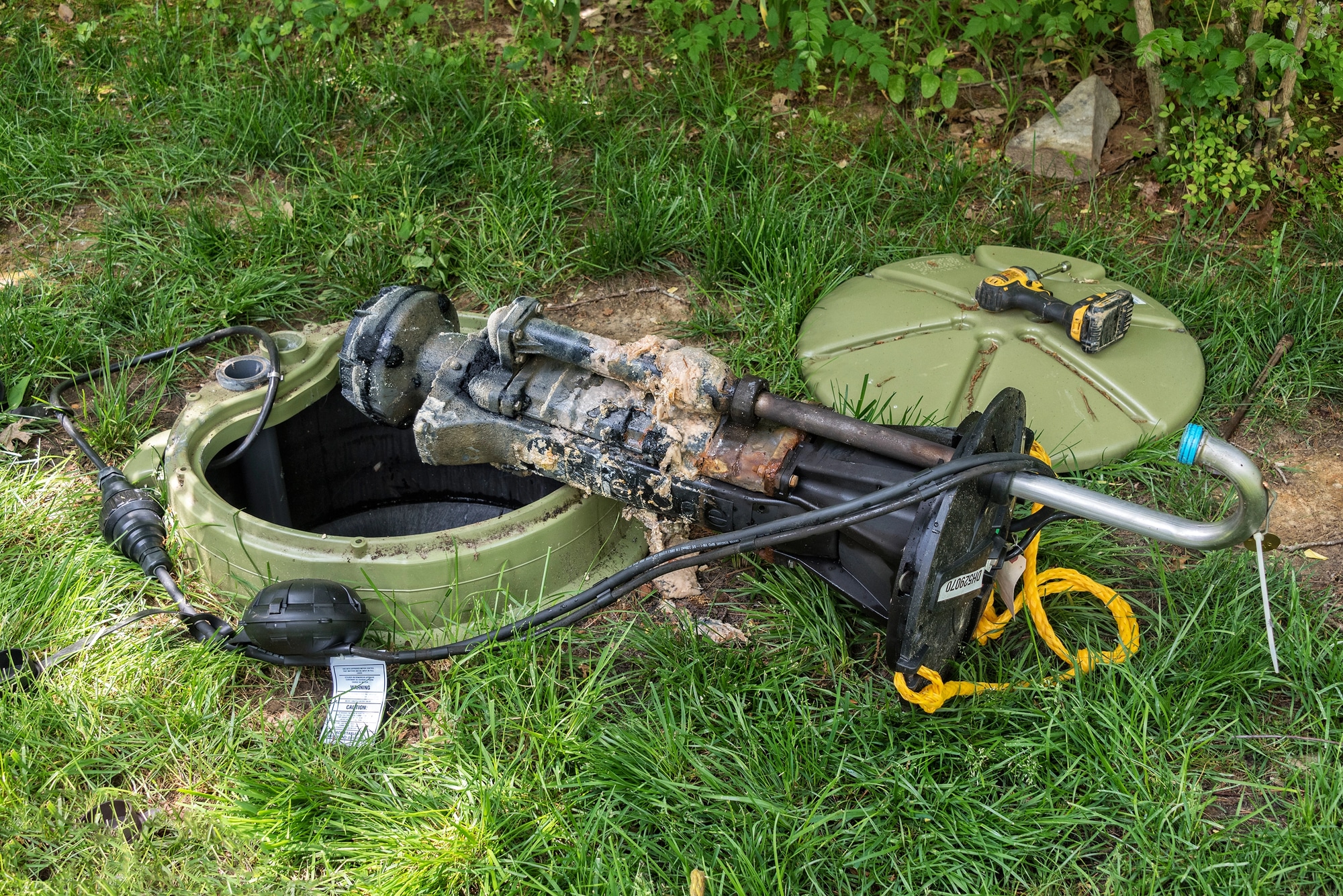 A grinder pump is a specific type of sewage pump that features a powerful cutting mechanism called a grinder. It performs the same task of moving wastewater up to a higher sewer line. The key difference is the grinder, which aggressively shreds all solid waste, including materials that might clog a regular sewage pump.
The pump’s unique purpose is to turn all waste—solids and liquids—into a fine, uniform slurry. This liquefaction makes the waste easy to push through long pipe runs and smaller-diameter pipes without any blockages. Once the basin fills, the float switch activates the pump. The powerful blades instantly chop up all the waste material. The pump then easily transports this smooth liquid to the main sewer or septic system.
Grinder pumps are used by homeowners in outlying areas or properties on pressurized sewer systems that push waste through smaller lines. They eliminate the risk of blockages caused by solid waste. The disadvantage is the high cost. The purchase and installation of grinder pumps costs more because they use a bulky, heavy-duty grinding mechanism. Repairs involving the cutting blades also cost more than fixing a standard sewage pump.
A recirculation pump solves the daily annoyance of waiting for hot water. It is a small device installed near your water heater or a fixture. The pump’s purpose is to constantly cycle a small amount of hot water in a continuous loop between the heater and your faucets, making sure hot water is instantly available when you turn the tap.
This pump works by eliminating the standing cold water in the pipes. It pulls cooled water from the hot water line and returns it to the water heater for reheating. This action makes sure that warm water is always waiting close to the shower or sink. You get hot water instantly, which saves a lot of water and time.
The biggest plus of a recirculation pump is the convenience of instant hot water, along with the significant water conservation you achieve by preventing water from running down the drain. The small downsides involve energy use. The pump uses a small amount of electricity to run. Also, keeping the water constantly circulated means the water heater turns on slightly more often. You can easily reduce this excess energy use by setting the pump to a timer and running it only during peak hours, such as mornings and evenings.
A jet pump is a type of pump that draws water from a source, such as a well or cistern, and delivers it to your home’s water system. It is a surface-mounted pump, meaning homeowners install the motor and main body above the ground, usually in a basement or a small pump house. The main purpose of a jet pump is to bring water up from below and deliver it with enough pressure for household use.
The pump operates on the Venturi effect. It uses a motor to spin an impeller, which creates suction. Then, the pump forces some of the water it has already pulled back down a separate line, through a narrow nozzle called a jet assembly. This fast-moving water creates a low-pressure area, or vacuum, which draws more water up from the well. This combined action ensures the water reaches your house with the necessary pressure.
The main advantages of a jet pump are its easy access and simple maintenance since the motor sits above ground. You don’t have to pull anything out of the well for repairs. A drawback is that the pump operates best only when lifting water from shallow wells, usually less than 25 feet deep. It also uses more energy than a submersible pump for the same amount of water delivered.
A transfer pump is a simple, portable device used to move large volumes of water quickly from one location to another. Unlike other pumps that deal with pressure or waste, this pump’s purpose is to move water easily. Homeowners use it for temporary or non-permanent jobs around the house, like draining a flooded area or moving water between containers.
The pump works by creating a significant pressure difference between its inlet and outlet. You connect a suction hose to the pump and place the other end in the water you want to move. The motor spins an impeller, which pulls water in and pushes it out through a discharge hose. This direct pumping action moves water very quickly from one place to a designated new location.
A major plus for a transfer pump is its portability. It is small and easy to move wherever you need it. They are perfect for draining seasonal items, such as swimming pools or hot tubs. A downside is that they are not designed for continuous, daily use like a well pump. They are less durable than permanently installed pumps and are generally only effective for moving clean water, not thick sewage or sludge.
A pressure pump is a general term for any device that increases the force of water within a closed system. The pump’s purpose is to maintain a constant, strong flow and pressure to multiple points of use in a building, especially when the major water source lacks sufficient force. You find these pumps used with a pressure tank to store water and prevent the pump from running constantly.
The pump operates by drawing water into its chamber and pushing it out with greater force. It uses an internal pressure switch. When the pressure inside the system drops because someone opens a tap, the switch turns the pump on. The pump runs until the system reaches a preset high pressure, then the switch turns the pump off again. This stop-and-start cycle ensures that all fixtures receive a reliable, powerful water supply.
Pressure pumps are excellent for homes relying on private wells or for large homes needing better distribution to upper floors. They maintain consistent pressure even when you run multiple faucets. A potential drawback is the need for a pressure tank. A pressure tank helps keep the pump from cycling on and off too frequently, which wears out the motor quickly. Regularly check the pressure switch settings to prevent damage to the pump or your plumbing.
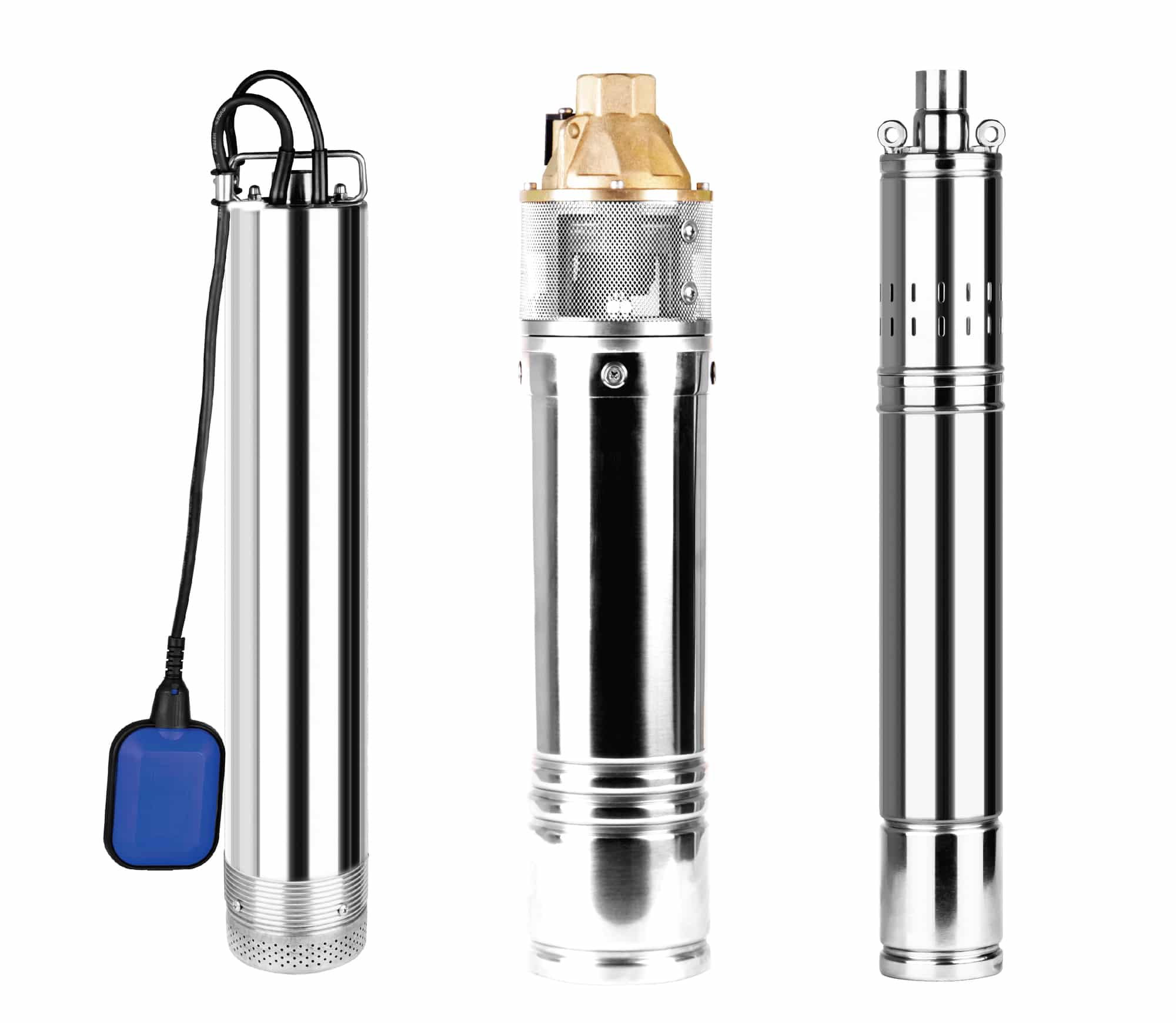 A submersible pump is a long, cylindrical pump designed to operate completely underwater in a well, borehole, or cistern. The purpose of this pump is to push water up to the surface from deep below ground. The entire unit, including the motor, is sealed to be completely waterproof.
The pump works by using its sealed motor to spin a series of impellers. These impellers push the water upward, relying on the pressure created by the pump itself rather than pulling or suctioning from above. This pushing action is much more efficient at lifting water from very deep wells compared to a surface-mounted pump. The water then travels up through a long pipe to the surface and into your home’s water system.
The biggest advantage of a submersible pump is its efficiency and its ability to reach deep depths. It runs quietly because the water absorbs the motor’s sound. Since the motor stays underwater, the surrounding water naturally cools the motor, extending its lifespan. A drawback is the cost of maintenance and repairs. When the pump fails, a professional completely removes the entire unit from the deep well for service, which incurs higher labor costs.
Various plumbing pumps function in a home system by moving water against gravity or by increasing pressure where the water supply is weak. These mechanical devices rely on electric motors to spin internal parts, such as an impeller, to generate the suction force needed to push or pull water through pipes.
The key ways different plumbing pumps operate in a home system include:
A pump needs a source of energy to work. Every pump in your home uses an electric motor to power the water movement. The motor spins an internal component, such as an impeller (a fan-like rotor), which transfers energy to the water. This continuous spinning action is what pushes water out of a well or a flooded basement.
Many pumps work by directly increasing the force of the water. Pumps like jet pumps create a vacuum to suck water up, and submersible pumps push water from deep below the surface. This continuous buildup of pressure allows water to reach the upper floors of your home or to move over long distances.
Pumps move all kinds of water. Sewage pumps and grinder pumps move dirty wastewater and solids from a lower area, like a basement bathroom, up to the main sewer line. Meanwhile, transfer pumps move clean water from one container, like a pool, to another area for drainage.
Low pressure makes showers weak, and appliances run slowly. Booster pumps correct the issue by monitoring the incoming water line. When it senses a pressure drop, the pump activates nearly instantly and increases pressure, making sure that all faucets receive a strong flow.
A recirculation pump helps you save time and water by keeping hot water ready. It creates a closed loop, constantly moving slightly cooled water back to the water heater. This continuous circulation means you get hot water at the tap immediately, without waiting.
A pump’s job involves emergency protection. Sump pumps use a float switch (a water-level sensor) to turn on when the basement pit fills automatically. This automatic operation quickly forces flood water out of the house, protecting your foundation and personal property.
Every pump plays a vital role, ensuring water goes where it needs to go, whether that means pulling clean water out of the ground or removing dirty water from your home. Understanding each pump’s role helps you keep your entire plumbing system running smoothly.
You can choose the right plumbing pump for your home by first understanding exactly what the pump needs to do, then matching its capabilities to your home’s unique plumbing setup.
The key steps to choosing the right plumbing pump for your home include:
Start by determining what kind of work the pump needs to handle. Decide if you need to move clean water from a well, remove floodwater, or lift dirty sewage waste. Knowing the water source (well, city line, or basement) and the water type (clean, grey, or sewage) is the first big step in the selection process.
Check the existing water pressure, often measured in pounds per square inch (psi). A weak supply needs a booster pump to increase the pressure for better showers and appliance use. You also need to know the required flow rate, which is the number of gallons per minute (GPM) your home uses when all fixtures are running.
Select a pump based on the specific task. For wells deeper than 25 feet, use an efficient submersible pump because it pushes water. For removing basement floodwater, choose an automatic sump pump. Always select a sewage pump or grinder pump when handling human waste below the main sewer line.
Look at the pump’s motor size and its horsepower (HP). A pump that is too big wastes electricity, and one that is too small wears out quickly from running constantly. Choose a pump with a high GPM per watt rating to move the most water with the least energy.
For essential pumps like sump and well pumps, you need a backup plan. A battery backup system or one that operates on water pressure keeps the pump running when the electricity supply fails. This important feature prevents flooding in the basement, even during storms.
Only buy pumps from renowned manufacturers with very strong warranties. Check for certification marks, such as UL (Underwriters Laboratories), to ensure the products meet safety and performance standards. Though initially costly, these pumps last longer and require fewer repairs.
Making the best decision involves gathering all these details about your home and matching them against the pump’s capabilities. A carefully selected pump protects your biggest investment and keeps your daily plumbing running perfectly.
Regular pump maintenance is crucial for long-term performance because it prevents small, very expensive failures and extends your pump’s lifespan.
Reasons why regular maintenance of pumps is necessary for long-term performance:
Routine inspections help you catch small problems before they turn into major failures. Inspect components, such as the float switch on a sump pump, to ensure it moves freely and turns the pump on and off as intended. This simple check prevents the pump from failing when you need it most, such as during a heavy rainstorm.
Keeping a pump clean and balanced greatly extends its usable life. You remove built-up sludge, scale, or mineral deposits that strain the motor and wear out the internal impeller (the spinning fan that moves water). A well-maintained pump lasts many years past its normal warranty period, delaying the high cost of replacement.
Pumps like your well pump or booster pump need clean internal parts to deliver a strong water flow. Regular maintenance involves checking the pressure tank and settings to ensure the pump does not cycle on and off too frequently. This attention ensures a steady, strong stream of water from all your taps for many years to come.
Ignoring a pump leads to sudden, total failure of the unit, requiring expensive emergency service and replacement parts. Routine maintenance involves checking seals, bearings, and electrical connections for simple wear and tear. Fixing a small seal leak now saves you from having to replace a burned-out motor later.
A dirty or struggling pump motor works harder and uses significantly more electricity. When you clean the pump’s interior and clear any blockages, the pump moves water easily with less effort. This improved efficiency lowers your monthly power bill and reduces strain on the motor.
Taking a little time now for simple pump maintenance saves you money, prevents disaster, and ensures your home’s water system runs quietly and reliably every single day. Always treat your pump like the hardworking machine it is.
Modern plumbing pumps keep your home’s water system running smoothly, serving as the silent workhorses of your home. They maintain pressure in the water system, remove waste, and keep floodwater out. These machines promise a continual flow and even pressure for your plumbing. For instance, a booster pump automatically kicks on to increase the water force when multiple faucets run at the same time, giving you a strong, consistent supply from your well or the city line.
Proper pump systems protect the entire home’s plumbing network and reduce your repair costs over time. Pumps like the sump pump protect your most expensive asset—the foundation—by quickly removing floodwater that can cause major structural damage. Similarly, a correctly sized sewage pump prevents nasty backups and clogs in the waste lines. Investing in a reliable, high-quality pump system offers excellent long-term value by preventing costly emergency repairs and prolonging the lifespan of all your fixtures and piping.
A smart plumbing system also addresses local conditions, like high water tables (ground saturation) and frequent power outages. A strong sump pump is essential if you live in a low-lying area with a high water table. Many homeowners buy this pump with a battery backup to guarantee it runs even during an electric blackout, ensuring flood protection during the worst storms.
Choosing a pump suited to specific regional needs ensures that, regardless of the weather, a homeowner is confident the house is secure and functional. Tennessee Standard Plumbing offers expert plumbing services in Knoxville to help you select and install the perfect pump for your home. You work with a fully licensed team that understands local needs and provides reliable emergency service when those unexpected breakdowns occur. Pricing is flexible, and every pump installation is carried out to the highest safety and performance standards. Schedule your consultation with us today!
Yes, modern plumbing pumps are better than older models because they feature superior energy efficiency and more durable, rust-resistant materials. New models use less electricity to move the same amount of water and often include smart sensors and variable-speed motors for quiet, optimized performance, which means they last longer and cost less to run.
Yes, Knoxville plumbing services can install modern home pumps, including sophisticated sump, sewage, and booster pumps. Local licensed professionals have the expertise to properly size the pump for your home and ensure proper installation in accordance with current plumbing codes, guaranteeing efficient and reliable operation.
Sump pumps are important for basements because they actively prevent flooding by automatically removing water that seeps into the foundation. By quickly discharging excess groundwater, they protect your home’s foundation from damaging hydrostatic pressure, safeguard your belongings from costly water damage, and prevent mold growth.
Yes, submersible pumps make less noise than surface pumps because the entire pump, motor, and all, operates completely submerged in water. The surrounding water acts as a natural sound barrier, which effectively absorbs the motor’s noise, making it much quieter and better suited for deep well applications.
Yes, pump maintenance really improves performance by preventing issues like clogging and premature motor failure. Routine checks ensure the impeller and float switch are clean and functioning correctly, reducing the energy required to move water, maintaining a steady flow, and extending the system’s lifespan.
Yes, certain plumbing pumps can help reduce water bills, especially a hot water recirculation pump. This pump ensures you get hot water instantly at the tap, eliminating the wasted time spent running cold water down the drain while waiting for the hot water supply from the heater to arrive.
Yes, sump pump installation is important for home safety because it controls moisture, which is key to preventing hazardous mold and mildew growth. It also removes water that can damage electrical systems or cause appliance failures, keeping your basement environment dry and structurally sound.
The plumbing pump that helps with hot water circulation is the recirculation pump. This device creates a constant, small loop that moves cooled water from the hot water line back to the water heater. This action ensures hot water is always readily available at the fixture, giving you instant hot water on demand.
Yes, modern pumps have smart features for easy control, including digital displays and Wi-Fi connectivity. These pumps allow homeowners to monitor performance, receive alerts on their phones if a problem occurs, and adjust settings like run times for a recirculation pump or check the battery status of a sump pump backup system.
Yes, professional plumbing services extend the life of your system through proper installation practices and accurate sizing, and they also provide preventive maintenance. Qualified pump plumbing services check voltage, seals, and pressure settings, and identify and remedy minor problems before they develop into more expensive components or full system failure.


Knoxville's predominantly clay soil creates persistent pressure on underground pipes through expansion and contraction cycles, accelerating corrosi... Read More

Pinhole leaks in copper plumbing develop over time due to corrosion from water chemistry, such as high acidity or mineral content, excessive water ... Read More

An outdoor sump pump helps manage excess water in low-lying areas, redirects groundwater away from the foundation, and adds an extra layer of flood... Read More