
How to Install a Bathroom Sink Drain: A Complete Guide
To install a bathroom sink drain, you first need to shut off the water supply and remove the old drain if necessary. Next, clean the sink drain ope... Read More

Same-Day Service Available
Need a Plumber in Knoxville? We’re Ready to Help!




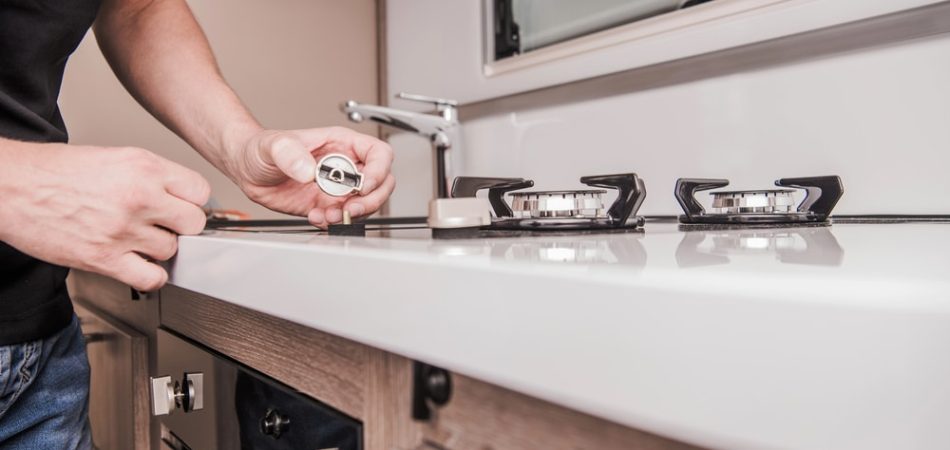
You know you have a gas leak when the signs show up clearly at home or at work. A gas leak means natural gas escapes from pipes or appliances into the air, and that’s dangerous because it brings risk of fire, health issues, and property damage. The warning signs are visible and easy to notice once you know what to look for.
Gas leaks occur when natural gas or propane escapes from damaged pipes, loose fittings, or malfunctioning appliances. These leaks can lead to fire hazards, carbon monoxide exposure, and higher utility bills. Common signs include unusual gas odors, hissing noises, dead vegetation, or sudden increases in gas usage. Licensed plumbers use tools like gas detectors, pressure tests, and thermal imaging to locate leaks safely. Addressing leaks quickly helps protect your home, prevent major repairs, and maintain safe system performance.
TN Standard builds its identity on safety, trust, and reliability. The company focuses on protecting homes and businesses with accurate guidance about energy use and gas safety. Tennessee Standard Plumbing shows commitment not only to quality service but also to the long-term well-being of the communities it serves.

The smell of rotten eggs is one of the strongest cues that gas is escaping. Natural gas doesn’t carry its own smell, so companies add mercaptan, a sulfur-like chemical, to make leaks easier to notice. That odd, sharp odor is meant to catch attention quickly, even in small amounts, and once it’s there, the immediate step is simple enough. Step away fast and get help from the gas company or emergency services.
Early response matters because even a faint trace in a hallway or basement can grow worse without warning, and that sign is usually the first real clue. Detecting the smell early reduces fire risk, limits exposure, and helps protect property before damage spreads.

A hissing sound around an appliance or pipe almost always points to gas escaping under pressure. It doesn’t take much for the sound to be noticeable; sometimes it’s faint, sometimes sharp, but either way, it means gas is leaking through a crack or fitting. The method here relies on using your ears. Listen closely, notice anything out of place, and then take action right away by leaving the spot and calling the provider.
That noise seems minor at first, yet it’s an active sign that gas is moving freely into the air. The longer it goes unchecked, the higher the danger, so catching it early lowers both fire risk and exposure to harmful fumes.
Dead or dying houseplants inside a room can say more than people expect. Gas in the soil or air forces oxygen out, and plants start to suffer even when they’ve been watered and placed in light. The method here is about sight. You watch plant health, and once a whole corner of greenery starts drooping for no clear reason, something’s definitely wrong.
It may feel like a minor problem at first, yet it often points to a hidden leak. What looks like simple wilting is actually a warning that the air quality has shifted. That same oxygen loss harms people and pets, too, which makes early recognition important for safety.
Air bubbles that rise through puddles, ditches, or water near a property show gas leaking from below ground. When pipelines crack, gas pushes upward through the soil and creates constant bubbling on the surface. The method here depends on sight. Notice when water moves without wind, rain, or anything else disturbing it, and treat that as a serious warning sign.
This isn’t just some odd natural effect. That bubbling means gas is reaching the open air, and once it does, ignition risk goes up. Watching for it takes only a glance, yet spotting it in time protects homes, businesses, and the people nearby.
An unexplained increase in gas usage is one of those signs that doesn’t look dangerous at first but carries real meaning. Gas leaks waste supply, so even if your daily cooking, heating, or water use stays the same, the system ends up pulling more. The method here depends on numbers. Check the meter, compare with the last bill, and see if there’s a jump that doesn’t match habits.
That kind of rise is more than a billing issue. It shows gas is leaving the system before it reaches appliances, and that points to leakage behind walls or underground. Early detection through usage reports helps stop both safety risks and the slow damage to your budget.
Higher bills are another signal that gas is escaping somewhere in the system. The bill reflects total usage, and when leaks exist, the reading climbs even when daily routines don’t shift. The method here is simple. Track bills month by month, and notice sudden jumps without added activity. A steady climb without a reason is usually tied to hidden loss.
At first, it feels like just a financial issue, but that’s not the whole story. That increase also points to wasted gas filling the air, and over time, it becomes both a safety hazard and an economic drain. Recognizing it early saves money, reduces risk, and keeps energy use efficient.

The formation of white mist or fog near a pipeline or appliance is a rare but serious warning sign. Gas under pressure mixes with the surrounding air and creates a visible cloud that doesn’t vanish quickly. Watch for mist in spots where it doesn’t belong, such as around meters, joints, or outdoor pipelines, and act immediately by keeping clear.
This isn’t just weather or condensation. That odd cloud is a direct sign of gas escaping, and while it looks faint at first, it shows a high-volume leak that threatens ignition and health. Quick response protects property, keeps people safe, and stops a dangerous situation from escalating.
Safety measures need to be taken if you notice a gas leak; they are clear, practical, and urgent. They protect life, prevent fire, and keep the situation under control until professionals arrive. By following them, the risk of ignition lowers and the response stays safe for everyone.
These are the safety measures to take when gas leaks:
Leaving the building at once removes people from the highest danger zone. Fresh air outside lowers both inhalation risk and exposure to fire hazards.
Safely test for gas leaks at home with simple checks that rely on smell, sound, sight, and tools. These steps help confirm where gas escapes, while keeping the process safe and practical. Taking them in order ensures leaks get detected quickly and handled before the risk grows.
The safety tests for gas leaks at home are listed below:
The factors that commonly lead to gas leaks in homes and businesses are linked to both human error and natural wear. These causes weaken systems, make leaks more likely, and raise safety risks for people nearby. By spotting them early and acting fast, the chance of fire or health danger decreases.
The following are the common factors that lead to gas leaks:
Poor installation is one of the leading causes of gas leaks. Pipes fitted without proper sealing leave gaps where gas escapes slowly into the air. Weak joints, wrong fittings, or rushed work create problems that show up later as leaks inside homes or businesses. The safe approach is always to use licensed professionals who follow tested standards.
Pipelines corrode over time when moisture, soil, and air attack the metal surface. Rust eats away at pipe walls and opens cracks that release gas underground or indoors. In older buildings, this factor becomes a frequent issue and demands closer checks. Replacing damaged sections before they fail is the only safe way to control this risk.
Lack of maintenance leaves small faults unnoticed until they turn into major leaks. Valves loosen, seals dry out, and joints weaken when nobody inspects them regularly. Homes and businesses that skip annual checks put themselves in greater danger without even realizing it. Routine servicing makes systems safer and extends their working life.
Accidental damage occurs during digging, drilling, or moving appliances. Hitting a hidden line with tools or machinery breaks pipes instantly and lets gas rush out. These incidents are common in renovation projects or yard work where pipes stay underground. Careful planning, clear markings, and safe work habits prevent such accidents.
Faulty appliances like stoves, heaters, and boilers release gas directly into living spaces. Burners that don’t ignite fully, cracked hoses, or broken regulators create leaks that people sometimes miss until bills rise or symptoms appear. Replacing worn-out parts and keeping appliances serviced stops leaks before they become dangerous.
Gas leaks cause serious health problems that affect the body quickly and sometimes without clear warning. Breathing gas indoors lowers oxygen levels, and this creates a range of symptoms from mild discomfort to life-threatening conditions. The effects build fast in enclosed spaces, so knowing the signs helps people act early. Spotting them is key to staying safe and protecting both short-term and long-term health.
The possible health problems caused by gas leaks are listed below:
The best repair service for a gas leak saves you in the future with proper tools, tested methods, and trained workers who know the risks. Quick repair protects homes and businesses from fire hazards, property damage, and long-term exposure that harms health. Safe pipes and fittings today also mean fewer breakdowns tomorrow, and that’s something every property owner values.
Professional repair teams handle leaks with advanced detection and proven sealing methods, making sure the system works without weak points left behind. Once gas pipes are secure, families and workers breathe easier, and operations keep running without hidden danger. It’s true that not every service delivers lasting results, so choosing wisely makes the difference between a temporary fix and a future safeguard.
Tennessee Standard Plumbing steps in as a trusted name that helps homeowners, contractors, and businesses with precise leak detection and durable repair solutions. With their skilled approach and reliable work, they protect both immediate safety and long-term peace of mind.
A natural gas leak smells like rotten eggs because utility companies add a sulfur-like odor for easy detection. That strong smell alerts people quickly, even in small amounts. It helps reduce the risk of ignition or health harm. Trusting your nose in this case makes sense, since smell is often the very first warning.
A gas leak goes unnoticed for hours or even days if no one is home or awake to notice the signs. Small leaks escape slowly and make it harder to detect without regular checks. That’s why simple habits like paying attention to strange odors or hissing noises protect a property from silent risk.
The most common locations for gas leaks are pipelines, stoves, heaters, and joints where fittings meet. Older houses face extra risk near corroded sections or appliances with poor seals. Businesses usually see leaks in larger supply lines and kitchen equipment. Knowing these areas matters since a single weak connection may turn into a hazard.
Gas lines are inspected at least once a year by trained professionals to keep them safe. Regular checks stop hidden wear from turning into emergencies later on. Property owners in busy households or commercial kitchens often arrange inspections even sooner. This steady attention extends the life of the system and supports everyday safety.
The best gas piping service for inspections and repairs is found with licensed plumbers who handle leak detection and repair daily. They use advanced tools to locate hidden faults and fix them properly. In Knoxville, TN, Tennessee Standard Plumbing offers a trusted service that keeps homes, contractors, and businesses safe from future threats.
A gas leak harms you within minutes if the space fills with high levels of gas. Even mild exposure over a few hours causes headaches, dizziness, and nausea. Long exposure creates bigger health problems and increases fire risk. That’s why acting fast when you notice strange signs or smells keeps everyone out of danger.
Yes, a gas leak outdoors is dangerous even with open air. Gas builds up near the source, creating a fire or explosion risk. It also displaces oxygen, which harms people or animals close by. Large leaks in soil or near buildings are even more serious. Immediate reporting to emergency services is the safest step.
You let your house air out for several hours after a gas leak, depending on how much gas escaped. Windows and doors stay open until the smell fully disappears and the air feels clear. Waiting long enough before re-entering avoids trapped gas. Rechecking with professionals after airing out helps confirm the property is safe.
No, a carbon monoxide detector does not detect a natural gas leak because they sense different gases. Natural gas needs its own detector, which alerts you when levels rise. Relying on a carbon monoxide alarm alone leaves people unprotected. Having both detectors in place gives the strongest protection inside any house or building.
Plumbing special offers for gas leak repair in Knoxville, TN are available through TNStandard.com which cares about keeping costs low. These Knoxville plumbers run seasonal discounts, inspection packages, and bundled services for homeowners and businesses. This way, people not only save money but also gain access to reach out to a plumbing repair service safely.


To install a bathroom sink drain, you first need to shut off the water supply and remove the old drain if necessary. Next, clean the sink drain ope... Read More

Hydro jetting is an effective, non-invasive plumbing method that employs high-pressure water to eliminate tough blockages and deeply clean the insi... Read More

Tankless water heaters have many advantages. One of the key benefits is the endless hot water they provide, ensuring you never run out. ... Read More