
Why Repeated Drain Clogs Often Signal Sewer Problems
Repeated drain clogs signal deeper sewer problems because they indicate blockages in the main line, not just a single fixture, often caused by tree... Read More

Same-Day Service Available
Need a Plumber in Knoxville? We’re Ready to Help!




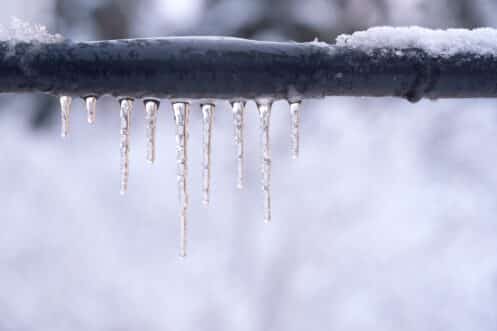
Prevent frozen pipes by insulating exposed pipes, maintaining consistent home temperatures, and protecting vulnerable areas like exterior walls and crawl spaces.
Frozen pipes are something that you’ll certainly want to avoid this winter in your Knoxville, TN home. Even with our relatively milder winters, all it takes is one cold snap to freeze your pipes. During winter, having your pipes freeze is one of the most costly and inconvenient plumbing issues that can arise. When the temperature drops low enough, the water inside your home’s pipes can turn into ice, causing expansion and an increase in pressure.
When this happens, the pipes can burst and cause major problems for your household. Burst pipes are not only expensive to repair, but they also tend to cause water damage, mold growth, and damaged property. Fortunately, if you’re willing to be proactive, you should be able to prevent your pipes from freezing this winter. Here, we’ll take a look at five of the most effective steps to keep all your pipes safe from the dropping temperatures.
Insulating your pipes and other exposed areas of your home is one effective way to reduce the likelihood of frozen pipes. It’s most important to isolate the piping that runs along exterior walls, attic, basement, or crawl spaces. These parts of your house are typically the most vulnerable to cold temperatures, making them the most likely places for pipes to freeze. That said, every house is different. Before the cold weather arrives, you may want to identify parts of your home that are typically unheated or improperly insulated. Adding insulation to the pipes in these areas adds an extra layer of protection from the cold weather.
Pipe insulation is typically affordable and relatively simple for a homeowner to install. However, if you don’t have experience working with plumbing systems, hiring professionals would be a good idea. Our expert plumbers at Tennessee Standard Plumbing will be happy to thoroughly insulate your home’s vulnerable pipes, ensuring they won’t freeze or burst this winter.
One of the easiest ways to prevent frozen pipes is to keep your home at a consistent temperature. Although you may be tempted to turn down your thermostat at night or when you’re away from home to save some money, that may not be wise during the winter. Lowering the temperature will help reduce your monthly heating costs and make your pipes more vulnerable to freezing during those times. If that causes your pipes to freeze and burst, the damage will likely cost you much more to repair than the money you saved on your utility bills.
However, you may be able to have your cake and eat it, too. If, instead of significantly lowering your home’s temperature at certain times, you slightly reduce the temperature throughout the day and night, that will still lower your electricity costs. However, your house should be warm enough to remain comfortable and keep your pipes from freezing. When you leave the house, your instinct will probably be to turn off the heat. However, it may be a better choice to keep it running at a relatively low, steady temperature.
When you notice the weather is getting very cold, leaving all the faucets in your home constantly dripping is prudent. This doesn’t need to be a steady stream of water, as even a slow drip should be enough to prevent your pipes from freezing. Generally, the water should be lukewarm. If the water in your pipes runs, it will be significantly less likely to freeze. Plus, keeping the water slowly moving will release pressure inside the pipes, which is good for the overall health of your plumbing system.
Although keeping all your faucets dripping is a good choice, it’s particularly important to focus on faucets located on exterior walls or supply outdoor spigots. Pipes in these areas are much more likely to freeze when the temperature drops. Although this method of preventing frozen pipes may slightly increase your water bill, avoiding the cost and hassle of frozen or burst pipes is worth it. A broken pipe doesn’t just require basic leak repair, but often a fix to the pipe itself or a replacement pipe that costs much more than the water bill increase would have.
In many houses, there are pipes located behind closed cabinet doors. This is most commonly the case for pipes beneath sinks in the kitchen or bathroom. Oftentimes, these pipes will be more susceptible to freezing. This is because the small, enclosed areas where they’re located tend to get colder than the rest of the house. These pipes are especially likely to freeze if they’re also located on an exterior wall.
However, you may be able to prevent the pipes from freezing by keeping the cabinet doors open when the weather is at its coldest. For example, you may want to open the cabinets in your home before going to bed each night, as it tends to get very chilly late at night and early in the morning. Keeping the cabinet doors open will allow warm air from the house to circulate through the pipes, warming the water inside.
It’s important to note that if you have pets or young children, you must be mindful of what you have in your cabinets. For example, if there are toxic cleaning chemicals or other hazardous materials, you may want to move them before leaving the doors open.
Many houses in the Knoxville area are teeming with air leaks; in most cases, the homeowners aren’t even aware of their presence. Unfortunately, even small air leaks can allow quite a bit of warm air to escape your home during the winter. This will reduce the temperature of your dwelling, making your pipes more vulnerable to freezing. The escaped heat will also force your heating system to work harder, negatively impacting its performance, energy efficiency, and overall health.
As winter weather gets colder, set aside time to locate and seal any air leaks in your home. Most commonly, these gaps will form around the edges of windows and doorways. You may be able to see them with a close inspection, but some leaks will be too small to view with the naked eye. However, if you feel around slowly with your hands, you should be able to feel air moving through the gap. If you find any leaks, get some caulking and weather stripping from the local hardware store and use them to close each opening. Sealing up all the leaks in your house will help prevent your pipes from freezing and provide several other benefits.
We at Tennessee Standard Plumbing are proud to provide local residents with top-tier Knoxville plumbing services. Our highly trained, experienced plumbers are known for solving problems other plumbers would rather avoid. Our plumbing team members are licensed and use state-of-the-art tools to handle every plumbing issue. We offer expert plumbing services, including drain cleaning, backflow prevention, leak detection and repair, burst pipe repair, water heater services, and many more.
If you’d like to learn more or schedule an appointment, call us at Tennessee Standard Plumbing today!
Pipes can freeze when temperatures drop to 20°F or below, especially if they’re in unheated areas like attics, basements, or exterior walls. Even Knoxville’s milder winters can experience cold snaps that reach these dangerous temperatures.
Keep your thermostat set to at least 55°F throughout your home, even when you’re away. Maintaining a consistent temperature is more cost-effective than repairing burst pipes, which can cost thousands of dollars in damage.
Pipe insulation materials are affordable and relatively simple to install yourself. However, professional installation by Tennessee Standard Plumbing ensures thorough coverage of all vulnerable areas and proper technique for maximum protection.
Pipes running along exterior walls, in attics, basements, crawl spaces, and unheated areas of your home are most vulnerable to freezing. Every house is different, so it’s important to identify your home’s specific cold spots before winter arrives.
When water freezes inside pipes, it expands and increases pressure, which can cause pipes to burst. This leads to expensive repairs, significant water damage, potential mold growth, and damaged property throughout your home.
Instead of significantly lowering temperatures at night, slightly reduce the temperature throughout the day and night to save on heating costs while keeping your home warm enough to protect pipes from freezing.


Repeated drain clogs signal deeper sewer problems because they indicate blockages in the main line, not just a single fixture, often caused by tree... Read More

A kitchen sink leak can cause a lot of damage to your home if left unaddressed, leading to mold growth, water damage, and costly repairs. That's wh... Read More
Water pipes whistle because of restricted water flow or high water pressure, which can be caused by issues like mineral buildup, worn-out washers, ... Read More