
How Local Soil Conditions Affect Underground Plumbing in Knoxville
Knoxville's predominantly clay soil creates persistent pressure on underground pipes through expansion and contraction cycles, accelerating corrosi... Read More
Same-Day Service Available
Need a Plumber in Knoxville? We’re Ready to Help!




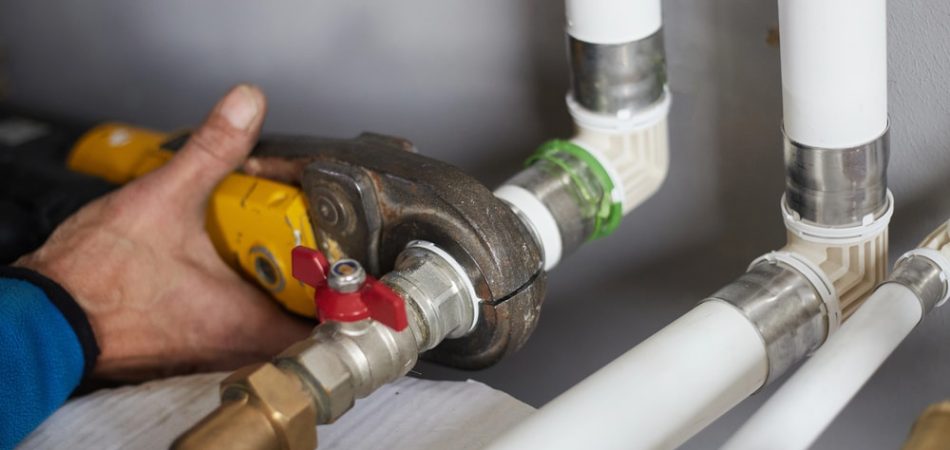
Backflow preventers are important because they protect drinking water from hazardous contamination and ensure compliance with plumbing codes. When water reverses due to pressure changes, chemicals, waste, or fertilizers enter the clean supply. Trusted Knoxville plumbers require the use of approved devices to prevent this risk. The right type not only secures health but also avoids costly penalties and plumbing failures.
Each type is suited to a specific risk and application. Tennessee Standard Plumbing installs the device correctly for safety and code compliance.
An Air Gap is the simplest type of backflow prevention. It creates a physical space between clean water and a potential contaminant source. For customers, this design ensures zero direct contact, providing maximum safety at no additional cost. It is common in dishwashers, sinks, and commercial kitchens. Tennessee codes recognize air gaps as reliable, low-maintenance solutions that are never prone to failure.
Property owners appreciate the convenience because there are no moving parts to service. Choosing an air gap provides affordable, long-term protection, keeping water safe and dry.

The Atmospheric Vacuum Breaker is a small valve that prevents water from returning when pressure drops. They usually install it on outside irrigation system hose connections. For customers, it prevents contaminated water from entering household supply lines. Tennessee homes with yard irrigation get this low-cost device that meets code requirements. It works best in low-pressure systems but is routinely used. Choosing an AVB ensures easy protection with minimal maintenance.
A Pressure Vacuum Breaker stops water reversal under Pressure. This product is commonly found in sprinkler and irrigation systems where chemical exposure risks are greater. For customers, a PVB prevents backflow of fertilizer or pesticides that may enter drinking water. Tennessee requires these devices to be tested for compliance annually by a professional service. More sophisticated than an AVB, it is still relatively inexpensive and long-term effective. A PVB balances safety, compliance, and convenience for outdoor systems.
Spill-Resistant Pressure Vacuum Breaker works like a PVB but prevents water leaks during operation. This is particularly useful in rooms with high vibration or in indoor environments. Customers benefit from a cleaner operation with less mess and wasted water. Tennessee property owners installing irrigation systems in garages or basements purchase SVBs for compliance reasons. These are slightly more expensive but reduce long-term maintenance and protect property value. SVB is safe, efficient, and conserves water.
A Hose Bibb Vacuum Breaker attaches directly to outdoor faucets and spigots. It prevents contaminated hose water, such as fertilizers or detergents, from flowing back into the drinking supply. For customers, it is an inexpensive safeguard that adds instant compliance to home plumbing. Tennessee homes with lawn care setups gain quick protection without major installation costs. HBVBs are easy to install and require no service once in place. Choosing this option delivers affordable safety for everyday use.
Two internal check valves stop backflow in medium-risk systems with a Double check Valve Assembly. It is found in fire sprinklers, commercial buildings, and some residential lines. Customers get dependable protection that meets Tennessee plumbing codes for non-hazardous applications. It requires no special maintenance or replacement parts compared to more sophisticated devices. For property owners, DCVAs balance safety with affordability. Selecting a DCVA ensures compliance and helps manage expenses.
A dual check Valve is a compact backflow preventer having two simple valves. This is typically installed in residential plumbing, where it poses little risk. Customers like that because it requires no special testing or heavy maintenance. Tennessee homes with standard water service connections appreciate its low cost and compliance. It is less protected than larger assemblies but suitable for everyday use. A DuC gives households simple, consistent safety.
A dual check valve with atmospheric Vent is available in addition to the standard design. This feature prevents back siphonage in moderate risk systems. For customers, it means safer water at a lower price. Tennessee commercial properties may require this option due to local codes. Maintenance requirements are low, making it suitable for long-term use. A DCVIAV is reliable and affordable.
A Residential Dual Check with Atmospheric Port is built specifically for household plumbing. It combines two check valves with an airport to prevent cross-connection risks. Customers benefit from stronger home water protection without the need for large equipment. In Tennessee, RDCAP devices are recommended for new home builds or code upgrades. They are simple to maintain, which saves money over time. Choosing an RDCAP ensures homes stay safe and compliant.
A reduced-pressure Zone Assembly provides maximum back siphonage and back Pressure protection. It employs several valves and a relief system to prevent even hazardous contaminants from entering. Their customers require RPZ devices for high-risk areas, such as medical, industrial, or chemical handling facilities. Tennessee law requires testing of RPZs when professional care is needed. They are expensive but prevent much more costly contamination incidents. With an RPZ, you get 1and1 protection.
Specialty Backflow Preventers meet special conditions where standard devices would not work. These have specialized dimensions, materials, and features for specific industries. Customers receive tailored solutions to address unique risks while maintaining compliance. Tennessee facilities with special equipment need these custom options. These are expensive but save money because they prevent failures that standard units frequently cannot handle. A specialty device completely protects non-standard systems.
The factors that should be considered when choosing a backflow preventer include protecting drinking water from contamination and ensuring compliance with local regulations. A proper device keeps harmful substances such as pesticides, fertilizers, and waste out of the clean supply. It also ensures that the plumbing system complies with Tennessee standards, helping property owners avoid penalties and inspection failures.
Another consideration is selecting the correct device for the system size, water pressure, and potential hazards to prevent malfunctions. The wrong choice results in costly repairs, unsafe water, or system shutdowns. By weighing these factors carefully, property owners ensure safe water, protect public health, and save money in the long run.
Flow capacity refers to the maximum amount of water that the backflow preventer handles without restricting the supply. An unsuitable device will cause the water to slow down, and an oversized device will waste money. Buyers need to match flow capacity to their daily water use and pipe size. The right choice ensures constant pressure and good performance.
Material affects the corrosion, chemical, and weather resistance of the backflow preventer. Common options are brass, stainless steel, and heavy polymers. Key factors in purchasing include local soil moisture and exposure conditions. The right material means longer service life and fewer replacements.
Durability indicates how long the backflow preventer operates normally. Leaks, cracks, or early failures prevent costly repairs. Devices tested in extreme pressure and harsh environments help buyers make informed decisions. A durable choice means reliability and higher savings over a long time.
Certification means a backflow preventer meets local plumbing codes and national safety standards. Inspectors approve certified devices, which help you avoid fines or failed tests. Buyers can relax knowing their water system is legally protected. Always use certified models.
The installation location influences performance and accessibility. Outdoor devices may require freeze protection, while indoor ones require easy access for testing and service. Buyers plan placement around system design and convenience. The right location ensures the preventer works efficiently and is easy to maintain.
The flow impact of the backflow preventer affects the system’s water pressure. A few devices may cause some minor pressure loss, which is felt during high-demand use. Buyers evaluate current pressure levels to avoid weak flow. The correct device ensures uninterrupted water delivery.
Different types of backflow preventers have different maintenance requirements. Some models require only simple checks, others require regular upkeep. Buyers should consider the time and cost of care. A device that requires manageable maintenance keeps protection affordable and consistent.
The testing requirements are typically established by local plumbing codes and may necessitate annual professional inspections. These tests show the device is working and water safe. Buying includes ongoing testing costs and compliance rules. Selecting a device with clear testing guidelines helps avoid problems during inspections.
Contamination risk indicates the likelihood of harmful substances entering the clean water system. High-risk areas, such as those with chemicals or irrigation systems, require stronger preventive measures. Buyers should carefully assess the risk level of their property before making a decision. Device strength is matched to risk for proper safety and cost efficiency.
The type of property and its technological features determine which backflow preventer is suitable. Residential, commercial, and industrial properties have different demands, and advanced options, such as sensors or alarms, increase reliability. Buyers consider how the property is used and whether technology makes things easier. The right match balances safety, performance, and ease of use.
Installation logistics include the difficulty, cost, and space needed to place the backflow preventer. Some are easy to install, while others require professional expertise and higher clearances. Buyers should account for both installation time and cost. A device with practical logistics avoids delays and extra costs.
To install a backflow preventer safely, follow the crucial steps. It protects irrigation systems by stopping dirty water from flowing back into the clean supply. This safeguard is especially important after storms, when flooding or sudden pressure changes cause fertilizers, pesticides, and soil to enter drinking water lines.
To install a backflow preventer safely, the steps are:
The correct device depends on system size, water pressure, and risk. The right unit gives safe drinking water, protects irrigation, and meets code standards. For customers, this step prevents costly mistakes when using the wrong model. The right device guarantees safety and smooth performance.
Installing above-ground prevents damage to the backflow preventer. Soil and debris also cannot block moving parts. It makes the device easier to monitor and repair for customers. Installation above ground assures reliability and extends system life.
Accessibility means installing the backflow preventer where professionals test and service it. A properly positioned device lowers labor costs and shortens repair times. Customers benefit because maintenance is less disruptive and more affordable. Easy access keeps the system running and compliant over time.
Proper elevation keeps the preventer above flood or waterline levels to prevent contamination. Proper height protects the system during heavy rains or stormwater backups. And for customers, that means no worries that irrigation water will pollute the drinking water. Proper elevation assures safety and system durability.
Use of quality materials like brass or stainless steel resists corrosion and weather damage to the preventer. The strong materials prevent breakdowns and needless replacements. Customers get a longer-lasting device that saves money in the long run. Qualitative construction also provides for consistent water protection.
Regular testing ensures that the backflow preventer functions properly. Professional checks catch problems before they become costly failures. For customers, this means lower emergency repair bills and a code-compliant system. Routine care assures water safety and operation.
Respecting local codes means the backflow preventer complies with safety laws and meets inspection requirements. Code-compliant installation avoids fines, legal trouble, and forced replacements. For customers, that means the system remains approved and safe for community health. The following codes protect property value and peace of mind.
The cost of installing a backflow preventer differs based on many factors. A clear estimate provides the price of the device, labor, and testing, allowing property owners to plan with confidence. Cost awareness also supports compliance with Tennessee plumbing codes, which are necessary to maintain the safety of drinking water.
The cost of installing a backflow preventer is:
The typical installation cost includes the device, labor, and setup work to install the backflow preventer correctly. That figure helps homeowners know their budget before they start work. Knowing the average cost prevents shock from unexpected bills. Clear pricing helps customers plan confidently and maintain safe water systems.
Device costs vary by type; simpler models are cheaper, and more advanced devices are more expensive. The choice is based on the protection needed for the home or business. Understanding this cost lets customers match safety needs to features they don’t need. Clear knowledge prevents overspending and protects water.
Valve size affects price because larger systems require larger preventers. High flow demands require larger valves. When customers understand that size is related to price, it helps them avoid surprise charges later. Knowledge of this factor helps you budget accurately and without stress.
Labor covers the professional installation and securing of the backflow preventer to code standards. The device functions safely and passes inspection with skilled labor. Customers should note that labor is a major component of the price. Knowing this upfront prevents underestimating and overspending.
Installation fees cover all permits, inspection charges, and other site preparation required by local codes. Understanding these fees helps customers budget early on. This knowledge prevents hidden costs and keeps the system legally compliant.
Backflow preventers must be tested annually to see if they are still protecting drinking water from contamination. Testing is necessary because local codes enforce it. Customers must budget for yearly checks to avoid fines. Planning for this cost protects health and avoids last-minute financial strain.
Repairs, part replacements, and routine servicing are part of maintenance costs for the device. That’s important because neglect shortens the system’s life and causes costly breakdowns. Customers save money for upkeep rather than big repair bills. Smart planning saves money, and water remains safe.
The right backflow preventer is one that is easy to inspect, keeps water safe, and maintains system compliance. Regular inspections confirm that the device continues to prevent dirty water from mixing with clean lines, thereby protecting drinking water and ensuring local code compliance.
Tests and servicing of the unit are faster, safer, and less expensive when placed in an easily accessible location. But accessibility also means protecting the health of a household and meeting inspection standards quickly.
System performance also depends on selecting a device that fits the system type, flow, and pressure. An iron or brass preventer will withstand rust, heat, and weather, even in tough Tennessee conditions. Quality devices need less maintenance and save money while providing year-round protection.
Get professional installation you can trust, contact Tennessee Standard Plumbing today and protect your home with certified backflow prevention.
No, you cannot install a backflow preventer yourself because plumbing codes require licensed professionals. Certified plumbers ensure proper installation, accurate testing, and compliance with relevant codes and regulations. This protects drinking water, avoids penalties, and prevents system failures that cost homeowners thousands to repair.
Yes, a whistling water pipe indicates a faulty backflow preventer because worn or restricted internal parts disrupt flow. This sound signals pressure imbalance or valve damage. A professional inspection confirms the problem and ensures the safe operation of the system.
A Reduced Pressure Zone (RPZ) device differs in that it offers the highest protection against severe contamination. It utilizes two check valves and a relief valve to safely discharge polluted water, ensuring secure, clean supply lines under high-risk conditions.
Yes, an air gap is always the safest option because it physically separates clean water from contamination sources. With no moving parts, it cannot fail mechanically, making it the most reliable choice for high-risk residential and commercial plumbing systems.
The best backflow preventer for residential use is the Double Check Valve Assembly (DCVA). It protects against moderate hazards, is compact, and requires minimal maintenance. This option meets code requirements, offering safe drinking water and reliable performance for homeowners.
The backflow preventer types that also mitigate foul drain smell are dual check valves with atmospheric ports. These designs block sewer gases from escaping into plumbing systems, ensuring fresh indoor air while maintaining the safety of the drinking water supply.
Yes, backflow preventers need annual testing because plumbing codes mandate proof of their proper functioning. Certified inspections confirm that valves and pressure levels work as intended. Regular testing prevents hidden failures, keeps water safe, and avoids fines or inspection issues for homeowners.
Backflow preventers protect treated water in whole-home water treatment systems from contamination. They stop pollutants from entering clean supply lines and damaging softeners or filters. This ensures safe drinking water, compliance with relevant codes, and long-term system reliability.
Local regulations specify which type of backflow preventer is required for each hazard. High-risk systems may require RPZs, whereas residential homes may use DCVAs. Following local codes ensures water safety, legal compliance, and inspection approval.


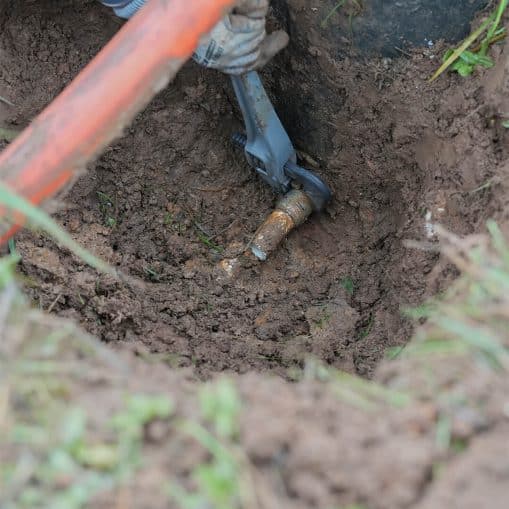
Knoxville's predominantly clay soil creates persistent pressure on underground pipes through expansion and contraction cycles, accelerating corrosi... Read More

Plumbers eliminate guesswork by combining traditional diagnostic skills with advanced, non-invasive technology to pinpoint the exact location and c... Read More

To choose safe PVC pipes for your home's water system, select CPVC for hot and cold water lines and look for NSF/ANSI 61 certification to ensure it... Read More