
How to Fix a Leaking Kitchen Sink: DIY Guide & Pro Tips
A kitchen sink leak can cause a lot of damage to your home if left unaddressed, leading to mold growth, water damage, and costly repairs. That's wh... Read More
Same-Day Service Available
Need a Plumber in Knoxville? We’re Ready to Help!




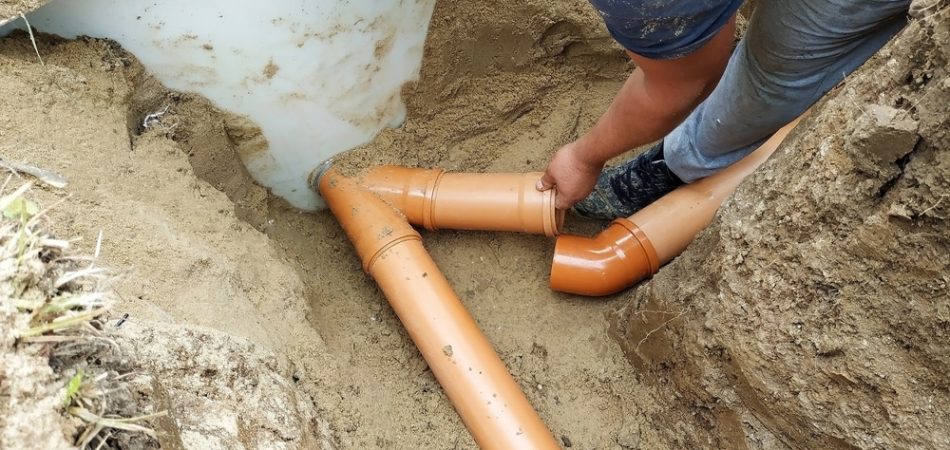
You can spot a broken sewer line by looking for signs inside and outside your home, such as slow-draining fixtures, foul odors, and sewage backups. Other indicators include unusual mold growth, foundation cracks, sinkholes, and patches of unnaturally green or soggy grass in your yard. If you see any of these signs, it is important to contact a professional plumber for an inspection and repair.
For every home, a ruptured sewer line is a major setback. The main pipe carrying waste and dirty water away from sinks, toilets, and drains is the sewer line.
Wastewater spills onto the ground when it overflows, harming the family’s property and potentially compromising their health.
Understanding the early warning signs of sewer line damage enables homeowners to take action before the issue becomes more costly to repair.
 One of the earliest indications of a sewer line issue is slow-draining sinks or toilets. Even with the use of cleansers, water in sinks, tubs, or showers takes longer to drain. This makes it clear that the problem is more serious and usually originates from the main sewer pipe.
A sluggish drain in several areas of the house indicates a clogged or damaged line. Leaving this unaddressed runs the danger of backups damaging walls and flooring. A professional inspection identifies the exact cause, whether it is a break, clog, or root intrusion, and prevents costly repairs.
Foul odors coming from sinks, toilets, or even the yard are a clear warning of sewer line trouble. Sewage leaks underground and releases gases that seep back into the home. These smells make living spaces uncomfortable and may affect health if left untreated.
Many homeowners notice the odor grows stronger after using water or during warm weather. Calling a plumber for a thorough inspection ensures that the source of the smell is identified and repaired. This keeps the sewer system working properly and restores fresh, safe air inside the home.
Cracks in the foundation serve as a definite indication of a damaged sewer line. Water softens and moves the soil when a pipe leaks beneath the surface. This damages the foundation of the home over time, which results in fractures in walls, floors, or ceilings.
Homeowners may notice doors sticking or uneven flooring, in addition to visible damage. Ignoring this issue runs the danger of pricey structural damage. With specialized equipment, a skilled plumber finds and stops the leak before the foundation suffers further deterioration. A prompt response protects against repair expenses and maintains property value.
Another obvious clue of sewer line leaks is mold development. When water leaks from broken pipes, moisture accumulates in walls, ceilings, or beneath floors. This offers an ideal environment for mold to multiply and develop.
Homeowners could find black spots, peeling paint, or a stale smell inside. Mold affects family health and lowers air quality in addition to destroying the house. Professional inspections identify the source of the mold-feeding leak and repair it. Stopping the moisture protects the home and makes the air safe to breathe again.
Lush patches of grass in the yard look green and healthy, but they signal a sewer problem below. Wastewater from a broken pipe leaks into the soil, giving extra nutrients to the grass in certain areas. These patches grow faster and look brighter than the rest of the lawn.
While it may seem harmless, untreated sewage makes the soil unsafe. Families risk exposure to harmful bacteria when playing outside. Plumbers locate the break and repair the line to protect both the yard and the family’s health.
Sewage backup is one of the most obvious and unpleasant signs of a broken sewer line. Wastewater flows back into sinks, tubs, or toilets instead of being carried away. This creates foul odors, poses health hazards, and can cause damage to flooring or walls.
Backups usually start small but quickly become worse if ignored. Cleaning alone does not address the root cause of the issue. A plumber inspects the main line, clears any blockages, and replaces damaged sections as needed. Quick action restores the normal flow and prevents wastewater from entering the home.
Sewer odor that lingers around drains or in the yard is another sign of sewer line damage. The smell persists even after cleaning sinks or toilets, indicating that the problem is likely inside the pipes. Broken or leaking lines release gases that travel back into the home.
Near bathrooms or basements, the scent becomes more pronounced. These scents indicate untreated garbage leaking underground and impact comfort. Professional plumbers use specialized inspection equipment to quickly locate leaks and perform the necessary repairs. Repairing the pipe eliminates the smell and keeps the house safe from health hazards.
 Broken sewer lines often exacerbate rodent problems. Rodents, such as rats, may simply enter pipes through their fissures or holes. Rodents inside destroy homes, chew cords, and spread disease.
Homeowners might observe nests near drains, scratch marks, or droppings. If the sewer line remains damaged, even pest treatment won’t resolve the issue.
Repairing or replacing the broken pipe helps plumbers block these entry points. Stopping the leak not only protects the sewer system but also prevents rodents from entering, keeping the home safe and secure in the long term.
Soggy lawns form when a broken sewer line leaks water into the soil.
Homeowners may see wet or muddy spots that remain even without rain. In some cases, the yard may develop standing water or sinkholes. This constant moisture harms landscaping, weakens the soil, and attracts pests.
It also increases the risk of foundation problems near the house. A licensed plumber locates the exact source of the leak using specialized tools and equipment. Repairing the sewer line restores safe drainage and protects the yard from further damage.
A gurgling toilet is a minor yet crucial warning indicator of sewer line issues. Trapped air escaping across the bowl’s water produces the bubbling sound. This indicates that the main pipe is being blocked or damaged by an obstruction. Over time, gurgling can worsen the problem by evolving into sluggish flushing or backups.
Many homeowners turn a deaf ear until the damage has grown. A plumber fixes cracks, removes any obstructions blocking the sewer line, and addresses issues before they worsen. Early examination restores regular toilet operation and avoids expensive repairs.
 Around sewer leaks, flies, roaches, and other insects abound. Inside and beyond the house, a leaking pipe releases waste that draws these insects. Homeowners might see more pests near kitchens, bathrooms, or in the yard. Infestations not only cause discomfort but also help to spread diseases.
Traps and sprays address the surface issue; they do not address the root. Plumbers restore the broken line, therefore denying pests access to food and water. Mending the sewer leak guards the house long-term.
The main causes of a broken sewer line include tree root intrusion, aging pipes, ground shifting, heavy loads, and poor installation. Identifying these causes helps homeowners spot problems early, protect property, and avoid costly repairs.
Sewer lines in many areas face risks from tree roots, aging materials, soil movement, and even poor installation. Knowing these factors gives families the awareness needed to call for help before damage grows worse.
The main causes of a broken sewer line are:
Tree root intrusion
Tree roots naturally grow toward moisture, and sewer lines provide the perfect source. Once roots break into a pipe, they expand inside, causing cracks and blockages within the pipe. This intrusion disrupts waste flow and leads to backups in sinks, tubs, or toilets.
Aging pipes
Older pipes, especially those made of clay or cast iron, wear down over time. They become brittle, allowing cracks and leaks to form. As the material weakens, the risk of collapse or constant clogs increases, leaving homeowners with expensive repairs.
Ground shifting
Soil movement from heavy rains, flooding, or settling puts stress on underground pipes. Even a slight shift can cause the sewer line to bend or misalign. This pressure can lead to leaks, cracks, or even total system failure.
Heavy loads
Driving vehicles or placing construction equipment over buried pipes adds extreme pressure. This weight causes pipes to collapse or fracture. Homes with shallow sewer lines are at a higher risk of damage from surface loads.
Poor installation
When sewer lines are not installed correctly, problems appear sooner than expected. Issues such as weak seals, improper slopes, or low-quality materials result in constant clogs and accelerated wear. Poor installation often shortens the life of the entire system.
Blockages & backpressure
Grease, wipes, and debris that go down drains build up inside pipes. As the blockage grows, it creates backpressure that strains the walls of the sewer line. Over time, this pressure weakens the pipe until it cracks or bursts.
Corrosion
Pipes made from metal materials gradually rust, thinning the pipe walls. Corrosion leads to leaks and weak spots that eventually cause them to break apart. This issue not only damages the pipe but also reduces flow and efficiency in the entire system.
The risks of ignoring sewer line warning signs include property damage, yard damage, pest infestation, and mold growth. Unresolved little issues rapidly turn into catastrophes requiring more time and money to fix. Early detection of warning signals enables homeowners to shield their families, head off damage, and stay clear of repeated future repairs.
The risks of ignoring sewer line warning signs are:
Health hazards from sewage exposure
Raw sewage carries with it harmful bacteria and viruses. Ignoring leaks or backups exposes families to unsafe conditions that lead to stomach illness, skin irritation, or respiratory issues. Over time, the health risks only increase.
Worsening property damage
Cracked or leaking sewer lines weaken floors, walls, and even home foundations. The longer the issue goes untreated, the more costly the structural repairs become. A minor leak today can turn into major reconstruction tomorrow.
Increased replacement costs
Delaying sewer line repairs allows small cracks to grow into full breaks. This forces a complete pipe replacement rather than a simple fix. Early intervention reduces costs and extends the lifespan of the plumbing system.
Yard damage
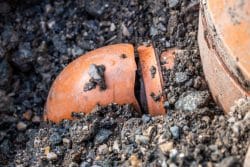 Leaking sewage saturates soil, leaving soggy spots and foul smells in yards. Over time, it kills grass, damages landscaping, and makes outdoor spaces unsafe for children and pets. Repairing both the yard and the pipe becomes costly.
Pest infestations
Broken sewer lines create an entry point and food source for rodents and insects. Once pests have settled, they spread diseases and cause damage inside the home. Ignoring leaks invites bigger infestations that are harder to control.
Mold growth
Moisture from hidden leaks creates the perfect environment for mold. Mold spreads quickly through walls and floors, harming air quality and increasing respiratory risks. Treating mold damage is expensive and disruptive for families.
Environmental harm
Sewage leaks into soil and waterways, polluting the environment. Contaminated water harms plants, animals, and drinking water sources. Ignoring these issues puts communities and ecosystems at risk.
The way professional inspection helps identify sewer line problems is by giving homeowners a clear view of their plumbing system before small issues turn into major damage. Inspections are important because sewer line problems are often hidden underground or behind walls, making them difficult to spot early.
Professional inspection helps identify sewer line problems in the following ways:
Professional inspections pick up small leaks, clogs, or cracks before they create emergencies. Catching issues early prevents backups inside the home and reduces long-term repair costs. This gives families safety and saves money at the same time.
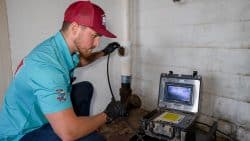
Inspections utilize specialized tools, such as video cameras, to pinpoint the exact problem in the sewer line. This avoids guesswork and ensures plumbers fix the right issue the first time. Accurate diagnosis prevents repeated repairs and gives reliable results.
Modern inspections do not require digging up the yard right away. Tools such as camera snakes and listening devices allow plumbers to check pipes without damaging property. This makes the process faster, safer, and more convenient for homeowners.
After inspection, plumbers provide a full report that explains what is happening inside the pipes. Homeowners see images or videos of the problem, along with professional recommendations. This transparency fosters trust and enables families to make informed decisions about repairs.
Tree roots are a leading cause of broken sewer lines. Professional inspections identify even small root intrusions before they cause pipes to crack completely. Removing roots early prevents major blockages, backups, and costly replacements.
Preventive measures stop sewer line breaks by reducing everyday stress on the system and avoiding costly emergencies. Simple habits and small upgrades protect pipes, limit damage, and keep homes safe from sewage backups. Preventive steps also help families save money by extending the life of sewer lines and reducing the need for large repairs.
These preventive measures are:
Clogs in pipes are brought on by paper towels, hygiene items, or flushable wipes. Homeowners can help to prevent clogs and ensure free flow of water by just flushing toilet paper.
Pouring cooking oil into drains causes buildup that solidifies within pipes. Gathering grease in a container and getting rid of it correctly helps to keep sewer lines free from difficult clogs and makes sure they stay clear.
During heavy rain or overload, a backwater valve prevents sewage from returning into the residence. Basements and rooms on lower levels get great protection from this small equipment.
Professional clean-ups get rid of silt, grease, and small blockages before they become serious issues. Regular cleaning helps to guarantee a seamless flow and lowers the hazards associated with aging pipes.
Drain strainers capture debris, food leftovers, and hair before they reach pipes. This simple and easy tool keeps sinks, showers, and tubs from getting clogged by lowering buildup.
Regular maintenance, combined with timely inspections, ensures sewer lines stay durable and reliable. Preventive care also protects property value and gives families peace of mind.
Homeowners can act quickly by recognizing the warning signs and calling for professional help before the damage spreads. Slow drains, foul odors, or soggy lawns are not just minor problems.
These signs often indicate a sewer line that is already cracked, blocked, or leaking into the surrounding soil. Quick action keeps the issue small and prevents it from turning into a health hazard or a costly repair project.
Acting promptly saves money as well. Early repair of a minor fracture or clog is far less expensive than replacing an entire sewer line. Waiting too long in places with shifting soil, heavy rain, or old clay pipes can cause the line to fail completely, flood the basement, and damage the foundation of your house. Families can prevent mould development, protect their belongings, and reduce exposure to hazardous sewage by responding promptly to concerns.
An early reaction guarantees comfort and safety inside your house. A quick check reveals obvious solutions and a dependable repair strategy that keeps life going well. Prompt responses from homeowners help to resolve the current issue and prevent future disturbances as well. Rapid action keeps homes safe and strong, providing peace of mind.
Homeowners spot early broken sewer line signs by noticing slow drains, foul odors, soggy lawns, or unusual patches of lush grass. Gurgling sounds from toilets and recurring backups also signal sewer trouble. These early indicators help families act fast before damage spreads further.
Yes, slow drains can mean a broken sewer line. While a single clogged drain may be minor, slow drainage across multiple sinks or tubs usually points to a bigger problem in the sewer line. This warning sign requires immediate professional inspection to confirm the cause.
Yes, small warning signs can lead to big sewer damage. Ignoring foul odors, minor leaks, or early blockages allows them to grow into cracks, overflows, or full collapses. Acting on small signs right away saves homeowners from major repairs and costly property damage.
Yes, quick action on sewer line signs stops costly repairs. Early inspections and repairs keep small issues like clogs or root intrusion from turning into pipe breaks. Prompt response protects health, reduces repair costs, and helps homeowners avoid emergency sewer replacements.
Yes, common signs for sewer line replacement in Knoxville include recurring backups, frequent clogs, foul sewage odors, foundation cracks, and soggy yards. Older clay or cast-iron pipes in many neighborhoods increase risks. Spotting these signs early helps families plan safe, long-term sewer solutions.
Water usage affects a broken sewer line by pushing more wastewater into damaged pipes. High use during showers, laundry, or dishwashing increases pressure on weak spots, making leaks worse.
Families often notice pooling in yards or backups inside homes after heavy water use.
Yes, regular inspections help spot sewer line signs early. Plumbers use video cameras and testing tools to detect cracks, root intrusion, and buildup before they turn into full blockages. Scheduled checks save homeowners money and ensure safer plumbing systems year-round.
Yes, ignoring minor sewer line signs causes health problems. Untreated leaks expose families to harmful bacteria, mold, and sewer gas odors. These risks lead to respiratory issues, allergies, and contaminated soil or water. Addressing problems quickly keeps homes safe and healthy.
Yes, Tennessee Standard Plumbing quickly fixes sewer line issues. The team uses advanced inspection tools and proven repair methods to locate and solve problems fast. Their reliable service ensures families get long-term solutions that restore safety, comfort, and peace of mind.
Yes, calling a plumber quickly is the right step for sewer line signs. Expert plumbers provide a correct diagnosis and stop any further damage. Families have safe and trustworthy sewer systems thanks to fast response, which guards homes from backups, flooding, and health risks.


A kitchen sink leak can cause a lot of damage to your home if left unaddressed, leading to mold growth, water damage, and costly repairs. That's wh... Read More

Yes, using too much toilet paper can clog your sewer line, even though it's designed to dissolve. Thick or multi-ply paper is more likely to cause ... Read More

Plumbing technology has transformed dramatically over the past several decades, moving from lead and galvanized steel pipes to flexible PEX tubing,... Read More